
Top Adventure Travel Activities for Coastal Explorers
Coastal regions offer some of the most thrilling and diverse adventure travel experiences on the planet. From rugged cliffs and hidden coves to vibrant marine ecosystems, these dynamic environments invite exploration through activities that blend physical challenge with natural beauty. Whether you’re drawn to water sports, hiking coastal trails, or discovering remote islands, there’s an adventure waiting along the shore. This guide highlights the best adventure travel activities for coastal explorers, offering practical insights, safety tips, and real-world examples to help you plan your next seaside expedition.
Why Coastal Adventure Travel Stands Out
Coastal landscapes are uniquely suited for adventure. The meeting point of land and sea creates microclimates, diverse terrain, and rich biodiversity that support a wide range of activities. Unlike inland destinations, coasts often feature dramatic elevation changes, tidal patterns, and shifting weather systems—all of which add layers of challenge and reward.
For travelers seeking more than passive sightseeing, coastal adventures provide immersive, hands-on experiences. Kayaking through sea caves, surfing powerful breaks, or hiking cliffside trails allows you to engage directly with the environment. These activities often require preparation and awareness, making them ideal for those who value both thrill and responsibility.
Top Water-Based Adventure Activities
Sea Kayaking and Canoeing
Sea kayaking is one of the most accessible and rewarding ways to explore coastlines. It allows you to glide silently through calm bays, navigate narrow inlets, and access secluded beaches unreachable by larger boats. Paddling at eye level with the water offers unparalleled views of marine life, coastal rock formations, and tidal pools.
Popular destinations include the fjords of Norway, the mangrove forests of Thailand, and the sea caves of California’s Channel Islands. Beginners should start with guided tours in protected waters, while experienced paddlers can tackle multi-day expeditions along rugged coastlines like New Zealand’s Abel Tasman National Park.
Safety tip: Always check tide charts and weather forecasts. Strong currents and sudden squalls can develop quickly, especially near headlands and estuaries. Wear a life jacket and carry a waterproof communication device.
Surfing and Stand-Up Paddleboarding (SUP)
Surfing combines athleticism with the raw power of the ocean. From gentle beginner waves in Costa Rica’s Tamarindo to the legendary breaks of Hawaii’s North Shore, coastal surf spots cater to all skill levels. Stand-up paddleboarding offers a calmer alternative, ideal for flatwater exploration, yoga on the water, or touring coastal lagoons.
SUP is particularly popular in destinations like Bali, the Maldives, and the Great Lakes’ freshwater coasts. It’s also a great way to access remote fishing spots or observe wildlife without disturbing habitats.
Takeaway: Take lessons from certified instructors. Proper technique reduces injury risk and improves wave selection. Respect local surf etiquette—yield to the surfer closest to the peak and avoid dropping in on others.
Snorkeling and Scuba Diving
The underwater world along coastlines is teeming with life. Coral reefs, kelp forests, and shipwrecks provide rich environments for snorkelers and divers. Coastal reefs in the Red Sea, Australia’s Great Barrier Reef, and the Caribbean offer visibility often exceeding 30 meters.
Snorkeling requires minimal gear and is perfect for casual exploration. For deeper dives, scuba certification opens access to underwater caves, drop-offs, and marine reserves. Night dives reveal bioluminescent plankton and nocturnal species like octopuses and moray eels.
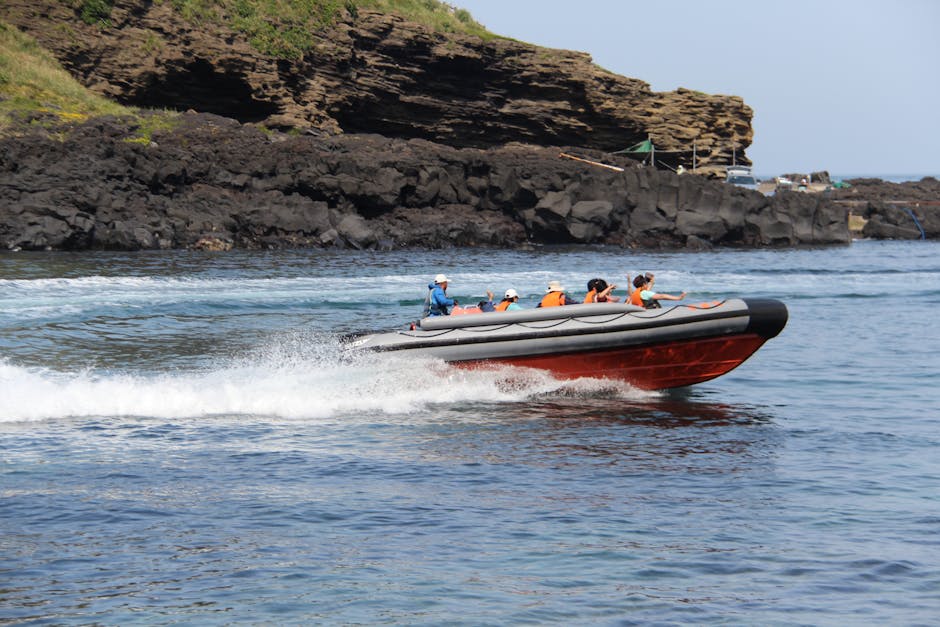
Warning: Never touch coral or marine life. Even slight contact can damage fragile ecosystems. Use reef-safe sunscreen and maintain neutral buoyancy to avoid accidental damage.
Coastal Sailing and Yacht Expeditions
Sailing offers a slower, more contemplative form of coastal adventure. Whether chartering a yacht in Greece’s Ionian Islands or joining a flotilla in Croatia, sailing lets you island-hop at your own pace. Modern sailboats are equipped with navigation systems, kitchens, and sleeping quarters, making them ideal for extended trips.
For the adventurous, offshore passages—like crossing the Atlantic via the Caribbean—require advanced seamanship. Coastal sailing, however, focuses on sheltered waters, hidden anchorages, and cultural immersion in port towns.
Takeaway: Learn basic sailing skills before chartering. Many companies require proof of certification or a skipper with experience. Always file a float plan and monitor marine weather channels.
Land-Based Coastal Adventures
Hiking and Trekking Coastal Trails
Coastal hiking trails offer some of the most scenic and varied terrain in the world. From the rugged cliffs of Ireland’s Wild Atlantic Way to the forested paths of Chile’s Patagonia, these routes combine physical challenge with breathtaking views.
The Camino de Santiago’s coastal route in Spain, known as the Camino del Norte, follows the Bay of Biscay for over 800 kilometers. In contrast, the Great Ocean Walk in Australia spans 104 kilometers along the southern coast, passing limestone stacks and rainforests.
Preparation is key. Wear sturdy footwear with good grip, carry extra water, and be aware of tide times—some trails are impassable during high tide. Always inform someone of your route and expected return time.
Rock Climbing and Bouldering
Coastal cliffs provide natural climbing walls with stunning backdrops. Sea cliffs in Cornwall, UK, and the limestone crags of Thailand’s Railay Beach are popular among climbers. Bouldering—climbing shorter routes without ropes—is common on tidal platforms and sea stacks.
Climbing near the ocean introduces unique challenges: saltwater corrosion of gear, slippery holds after rain, and the risk of falling into the sea. Use dynamic ropes and ensure anchors are secure. Avoid climbing during high winds or storms.
Safety tip: Climb with a partner and use a helmet. Tide levels can rise quickly, cutting off escape routes. Check local regulations—some areas restrict climbing to protect nesting birds or fragile ecosystems.
Beachcombing and Fossil Hunting
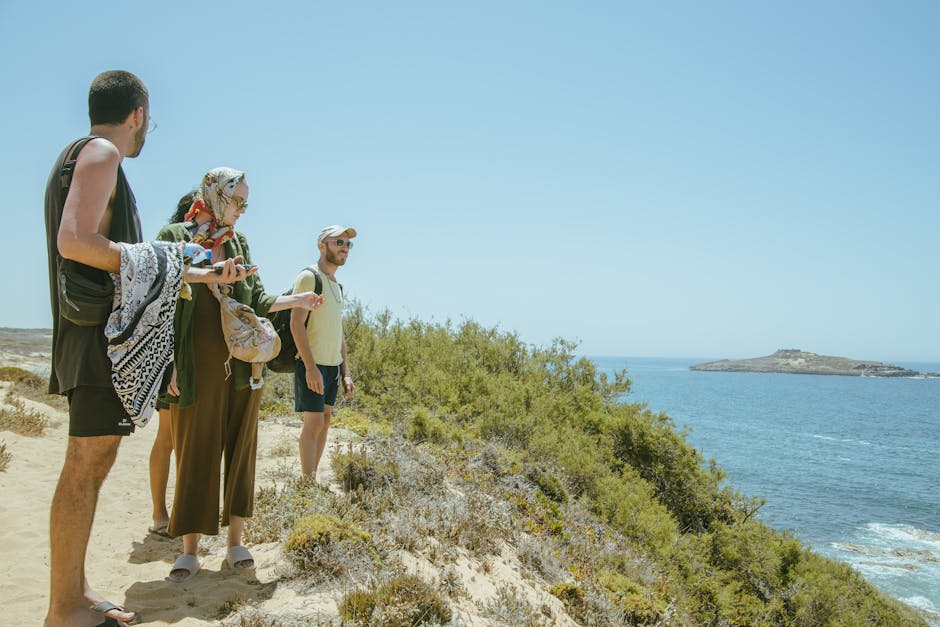
For a quieter adventure, beachcombing and fossil hunting offer low-impact ways to explore coastal geology. The Jurassic Coast in southern England is a UNESCO World Heritage Site where visitors can find 185-million-year-old marine fossils.
In Western Australia, Shark Bay’s stromatolites—ancient microbial structures—are among Earth’s oldest life forms. In the Pacific Northwest, agates and jasper wash up on remote beaches after winter storms.
Takeaway: Collect only loose specimens and follow local laws. In many protected areas, removing fossils or rocks is prohibited. Bring a field guide and a small brush for cleaning finds.
Wildlife and Eco-Adventures
Whale and Dolphin Watching
Coastal waters are prime habitats for marine mammals. Whale watching tours operate in over 100 countries, with peak seasons varying by species and location. In Alaska, humpback whales feed in summer; in Iceland, orcas are common in winter.
Responsible operators follow guidelines to minimize disturbance. Boats maintain distance, limit viewing time, and avoid sudden movements. Binoculars and cameras with zoom lenses enhance the experience without stressing animals.
Example: The Azores in Portugal offer one of the world’s best whale-watching experiences, with 27 species recorded. Tours often include naturalist guides who explain behavior and conservation efforts.
Birdwatching and Coastal Bird Sanctuaries
Coastal wetlands, estuaries, and cliffs are vital stopovers for migratory birds. The Wadden Sea, spanning Germany, Denmark, and the Netherlands, hosts millions of shorebirds each year. In North America, the Pacific Flyway supports species like sandhill cranes and snow geese.
Bring a field guide, binoculars, and a notebook. Early morning and dusk are the best times for sightings. Stay on marked paths to avoid disturbing nesting sites.
Warning: Never feed wild birds. Human food can harm their digestion and alter natural behaviors.
Marine Conservation and Citizen Science
Adventure travelers can contribute to coastal conservation through citizen science programs. Projects like Reef Check and iNaturalist allow volunteers to collect data on coral health, fish populations, and invasive species.
Participating in beach cleanups or coral restoration dives combines adventure with environmental stewardship. Many eco-tourism operators partner with research organizations to offer hands-on experiences.
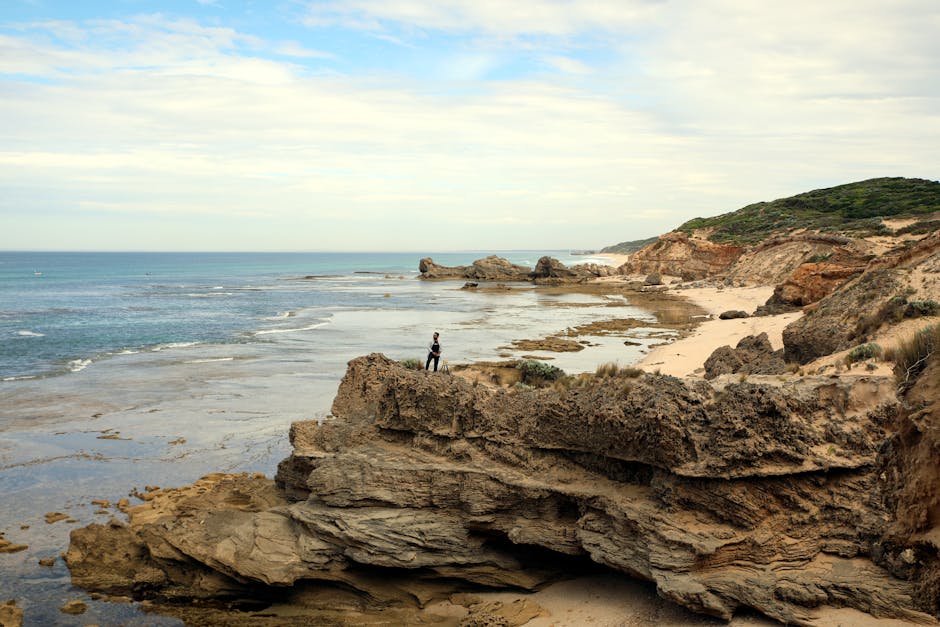
Takeaway: Choose operators with transparent conservation practices. Avoid “greenwashed” tours that prioritize profit over protection.
Planning Your Coastal Adventure
Choosing the Right Destination
Consider climate, season, and accessibility. Tropical coasts offer warm waters year-round but may have rainy or hurricane seasons. Temperate coasts, like those in the Pacific Northwest, are best visited in summer for stable weather.
Research local infrastructure. Remote areas may lack medical facilities or reliable transportation. Coastal towns with adventure outfitters often provide rentals, guides, and emergency support.
Gear and Preparation
Pack for versatility. Quick-dry clothing, waterproof bags, and UV protection are essential. For water activities, invest in a well-fitting wetsuit and a high-quality mask or snorkel.
Navigation tools matter. GPS devices, tide apps, and paper maps are more reliable than smartphones in remote areas. Carry a first-aid kit, whistle, and emergency blanket.
Safety and Environmental Responsibility
Always assess your skill level honestly. Don’t attempt advanced activities without proper training. Inform someone of your plans and expected return time.
Follow Leave No Trace principles. Pack out all trash, avoid trampling vegetation, and respect wildlife. Use biodegradable soap and minimize campfire use on beaches.
FAQs
What is the best time of year for coastal adventure travel?
The ideal season depends on your destination. In the Mediterranean, spring and fall offer mild weather and fewer crowds. In tropical regions, dry seasons (typically winter) are best. Always check local climate patterns and avoid hurricane or monsoon seasons.
Do I need special training for coastal adventure activities?
Some activities, like scuba diving or rock climbing, require certification. Others, such as kayaking or hiking, benefit from basic training but are accessible to beginners. Always choose reputable guides and start with introductory courses when needed.
How can I minimize my environmental impact while exploring coastlines?
Stick to marked trails, avoid disturbing wildlife, and never remove natural objects like shells or rocks. Use reef-safe sunscreen, pack out all waste, and support eco-certified tour operators committed to conservation.