
Top Beach and Island Travel Cities for Coastal Food
If you’re craving fresh seafood, tropical flavors, and dishes shaped by ocean breezes and local traditions, these beach and island travel cities deliver unforgettable coastal food experiences. From bustling fish markets to cliffside restaurants, the best coastal destinations combine scenic beauty with culinary excellence. This guide highlights cities where the sea doesn’t just shape the landscape—it defines the menu.
Why Coastal Cuisines Stand Out
Coastal food is more than just seafood—it’s a reflection of geography, climate, and cultural exchange. Ingredients are often harvested hours before they reach the plate, ensuring peak freshness and flavor. The proximity to the ocean means menus change daily based on the catch, offering diners a true taste of place.
Unlike landlocked regions, coastal cities benefit from immediate access to fish, shellfish, seaweed, and salt-tolerant crops. This abundance fosters diverse cooking styles, from grilling and steaming to fermenting and curing. The result is cuisine that’s vibrant, seasonal, and deeply connected to the environment.
Top Beach and Island Travel Cities for Coastal Food
Santorini, Greece
Santorini’s volcanic soil and Aegean waters create a unique terroir for both wine and seafood. Local dishes highlight octopus grilled over open flames, fava bean purée, and tomato keftedes (fried tomato balls). The island’s dry climate preserves ingredients naturally, influencing preservation techniques like sun-drying fish.
Restaurants in Oia and Fira offer panoramic views alongside meze platters featuring capers, white eggplant, and fresh anchovies. Don’t miss trying tomatokeftedes at a family-run taverna in Pyrgos, where recipes have been passed down for generations.
Hoi An, Vietnam
Hoi An’s riverside location and historic trading port status have made it a melting pot of flavors. The city’s coastal cuisine blends Vietnamese, Chinese, and French influences, with an emphasis on fresh herbs, rice paper, and river-to-table seafood.
Must-try dishes include cao lầu (noodles with pork and greens) and white rose dumplings made with shrimp and rice flour. Night markets along the Thu Bon River serve grilled squid and banh xeo (crispy pancakes) cooked to order. For an authentic experience, join a cooking class that includes a trip to the local market.
Barcelona, Spain
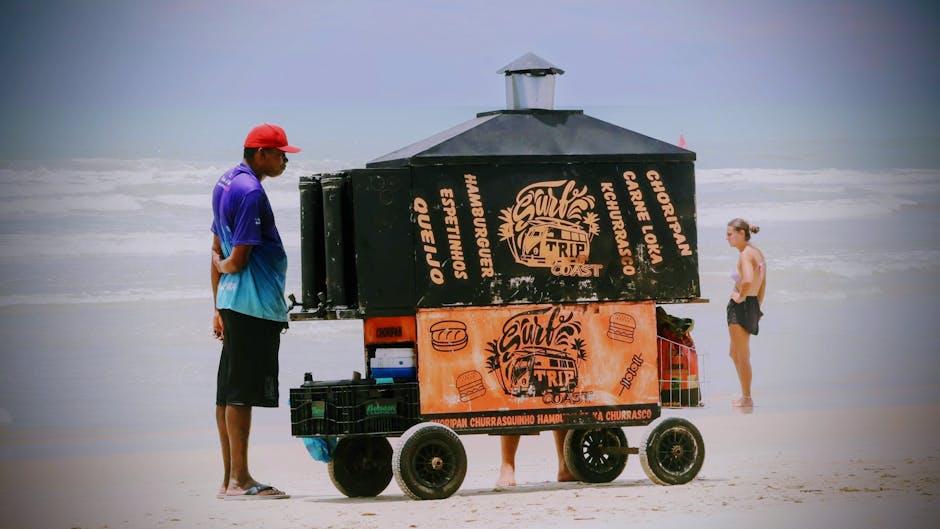
Barcelona’s Mediterranean coastline shapes a cuisine centered on simplicity and quality. The city’s seafood markets, like Mercat de la Boqueria, offer everything from baby squid to whole grilled sardines. Paella, though often associated with Valencia, is widely enjoyed here with local twists like adding cuttlefish or clams.</n
Tapas bars in the Barceloneta neighborhood serve pan con tomate with anchovies and grilled prawns with garlic. The key is timing—many spots source fish early in the morning, so lunch is the best time to enjoy the day’s catch.
Maui, Hawaii, USA
Maui blends Polynesian traditions with Asian and American influences, creating a dynamic coastal food scene. Fresh catches like mahi-mahi, ono, and ahi (yellowfin tuna) are served raw as poke or grilled with tropical fruit salsas.
Farmers markets in Kihei and Lahaina showcase local produce like taro, breadfruit, and lilikoi (passion fruit), often paired with seafood. For a complete experience, attend a traditional luau where imu-cooked pork and poi accompany fresh fish.
Cartagena, Colombia
Cartagena’s Caribbean location brings bold, tropical flavors to its coastal dishes. Coconut rice, plantains, and ají (spicy peppers) are staples, often paired with fish like snapper or grouper. The city’s Afro-Caribbean roots shine in dishes like sancocho de pescado, a hearty fish stew.
Street food vendors near the old city walls serve empanadas stuffed with crab or shrimp. Upscale restaurants in Getsemaní offer modern takes on classics, such as ceviche with mango and lime foam. Always ask for “pescado del día” (fish of the day) for the freshest option.
Sydney, Australia
Sydney’s harborfront setting supports a thriving seafood culture. The city’s diverse population brings global techniques to local ingredients, resulting in dishes like grilled Moreton Bay bugs and Sydney rock oysters with finger lime caviar.
Fish markets in The Rocks and Bondi serve everything from raw bar selections to fish and chips wrapped in paper. For a refined experience, book a table at a waterfront restaurant in Circular Quay, where seasonal menus highlight native species like barramundi.
Zanzibar, Tanzania
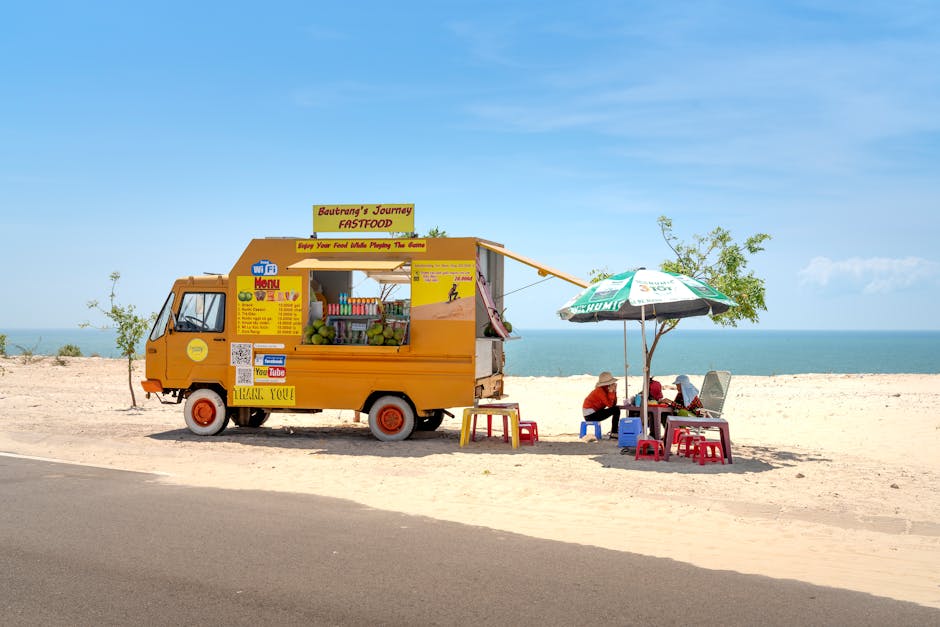
Zanzibar’s spice-rich history influences its coastal cuisine, where cloves, cinnamon, and cardamom enhance seafood dishes. The island’s coral reefs provide an abundance of octopus, lobster, and red snapper, often grilled over coconut husks.
Local favorites include biryani with fish and urojo (a tangy soup with potatoes and fried cassava). Stone Town’s night market is a must-visit, offering grilled seafood skewers and fresh coconut water. Be sure to try the Zanzibari pizza—a street food wrap filled with eggs, vegetables, and spiced meat or fish.
Kyoto (Arashiyama Coast), Japan
Though Kyoto is inland, its proximity to the Sea of Japan and traditional kaiseki cuisine make it a standout for refined coastal food. Dishes emphasize seasonality and presentation, with fish like sanma (Pacific saury) and ayu (sweetfish) featured in multi-course meals.
Arashiyama’s riverside restaurants serve fresh eel and grilled fish with mountain vegetables. For a unique experience, visit a tofu-based shojin ryori temple meal, where plant-based dishes mimic seafood textures using local ingredients.
How to Choose the Right Coastal Destination
When planning a trip focused on coastal food, consider the type of cuisine you enjoy and the season of travel. Some destinations, like Santorini, peak in summer, while others, such as Zanzibar, offer great seafood year-round due to tropical climates.
Research local fishing practices and sustainability efforts. Cities with active fish markets and seasonal menus often indicate a commitment to fresh, responsibly sourced ingredients. Avoid destinations known for overfishing or poor seafood handling.
Tips for Enjoying Coastal Food Responsibly
Choose seafood that’s locally caught and in season. Ask restaurants about the origin of their fish—many ethical spots proudly display sourcing information. Avoid endangered species like bluefin tuna or Chilean sea bass.
Support small, family-run eateries over large chains. These businesses are more likely to use traditional methods and fresh ingredients. When in doubt, follow the locals—observe where they eat and what they order.
What to Pack for a Coastal Food Adventure
Bring a reusable water bottle and utensils to reduce plastic waste, especially in island destinations. Pack light, breathable clothing and sun protection, as many coastal meals are enjoyed outdoors.
Include a small notebook or app to record standout dishes and restaurant names. This helps recreate meals at home or recommend spots to fellow travelers.
Final Thoughts
The best beach and island travel cities for coastal food offer more than scenic views—they provide a sensory journey through local flavors, traditions, and ocean-inspired cuisine. Whether you’re savoring grilled octopus in Santorini or fresh poke in Maui, these destinations turn every meal into a memorable experience.
By choosing destinations with strong culinary identities and sustainable practices, you support communities that value both culture and conservation. Coastal food isn’t just about taste—it’s about connection, place, and respect for the sea.
FAQ
What makes coastal food different from other cuisines?
Coastal food emphasizes fresh, locally sourced seafood and ingredients influenced by the ocean environment. It often features simple preparations that highlight natural flavors, such as grilling, steaming, or serving raw, and reflects regional fishing traditions and seasonal availability.
Are these destinations suitable for vegetarians or vegans?
While seafood dominates coastal menus, many cities offer plant-based options. Places like Hoi An and Kyoto have vegetarian-friendly dishes using tofu, seaweed, and local vegetables. Always inform restaurants of dietary restrictions in advance.
How can I avoid foodborne illness when eating seafood abroad?Stick to busy restaurants with high turnover, as they’re more likely to serve fresh food. Avoid raw or undercooked seafood in areas with questionable water quality. Drink bottled water and wash hands frequently to reduce risk.