
Top Food and Culinary Travel Adventures for Couples
Couple’s culinary travel combines romance, discovery, and flavor into unforgettable experiences. Whether you’re savoring street food in Bangkok or sipping wine in Tuscany, food-focused trips deepen connections through shared tastes and traditions. These adventures go beyond dining—they immerse you in local cultures, teach new skills, and create lasting memories. From hands-on cooking classes to guided food tours, the best culinary journeys for couples blend intimacy with exploration. This guide highlights top destinations, unique experiences, and practical tips to help you plan a delicious getaway together.
Why Food Travel Strengthens Relationships
Sharing meals is one of the most intimate human experiences. When you travel for food, that intimacy deepens. Trying new dishes side by side builds trust and curiosity. It encourages conversation, laughter, and mutual support—especially when faced with unfamiliar ingredients or bold flavors.
Cooking together in a foreign kitchen fosters teamwork and patience. You learn each other’s rhythms, preferences, and problem-solving styles. Even simple acts—like picking ripe mangoes at a Thai market or selecting olives in Greece—become shared rituals. These moments often become the most cherished parts of a trip.
Food travel also offers a slower, more mindful pace. Instead of rushing between landmarks, you linger over lunch, chat with vendors, and savor each bite. This mindfulness enhances presence and connection, making it ideal for couples seeking quality time.
Top Destinations for Culinary Couples
Italy: A Love Letter to Pasta and Passion
Italy remains a top choice for food-loving couples. The country’s regional diversity means no two meals are alike. In Bologna, you’ll find rich ragù and handmade tortellini. In Naples, pizza is elevated to an art form—crispy, wood-fired, and topped simply with San Marzano tomatoes and fresh basil.
Consider a week-long trip through Emilia-Romagna and Tuscany. Start in Modena, where you can tour a traditional balsamic vinegar producer. Then head to Florence for a pasta-making class using locally milled flour. End in Chianti with a vineyard stay and wine tasting under the stars.
Tip: Avoid tourist traps near major piazzas. Seek out family-run trattorias where locals eat. A simple plate of pappa al pomodoro in a quiet alley often beats a fancy restaurant any day.
Japan: Precision, Presentation, and Umami
Japan offers a culinary experience rooted in discipline and beauty. From kaiseki multi-course dinners to steaming bowls of ramen, every meal feels intentional. Couples can bond over shared appreciation for detail and craftsmanship.
Osaka is a must for street food lovers. Try takoyaki (octopus balls), okonomiyaki (savory pancakes), and kushikatsu (deep-fried skewers) in Dotonbori’s lively alleys. In Kyoto, book a private tea ceremony and learn the meditative art of matcha preparation.
For a unique twist, join a sushi-making workshop in Tokyo’s Tsukiji Outer Market. You’ll handle fresh tuna, roll maki, and taste the difference between grades of wasabi. It’s hands-on, educational, and delicious.
Warning: Tipping is not customary in Japan and can be seen as rude. Also, many small restaurants only accept cash—always carry yen.
Mexico: Vibrant Flavors and Communal Dining
Mexican cuisine is bold, colorful, and deeply social—perfect for couples who love to eat together. Oaxaca is the heart of culinary Mexico, known for mole, mezcal, and street-side tlayudas (giant crispy tortillas).
Take a cooking class with a local abuela (grandmother) who teaches ancestral recipes passed down through generations. You’ll grind spices on a molcajete, wrap tamales in banana leaves, and sip smoky mezcal by candlelight.
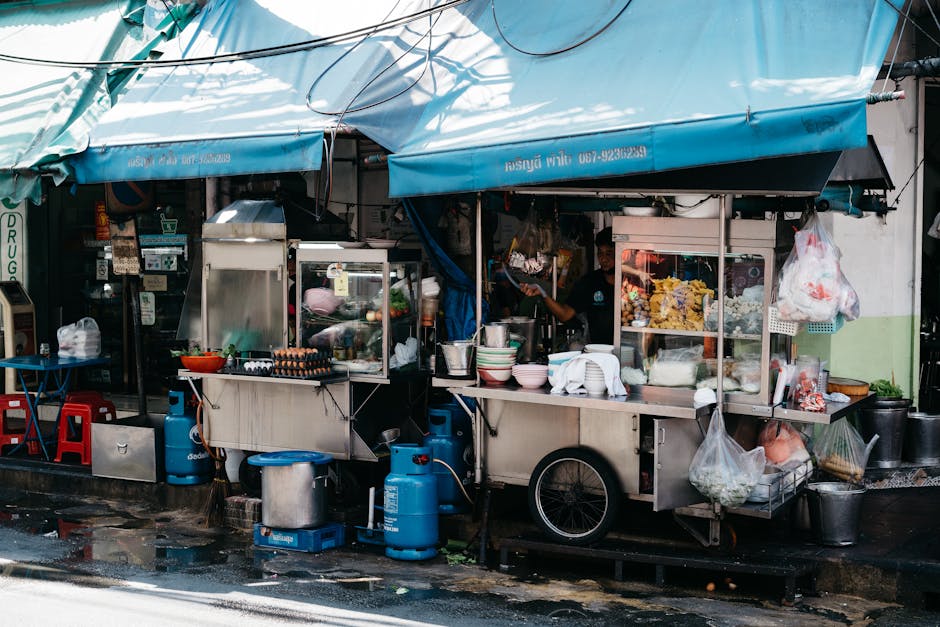
Mexico City offers a modern twist. Visit Mercado Roma for gourmet street food, then explore upscale restaurants like Pujol, where chef Enrique Olvera reimagines traditional dishes. Don’t miss churros con chocolate at El Moro—a sweet, shared treat.
Takeaway: Learn a few Spanish phrases. Vendors appreciate the effort, and it opens doors to hidden gems off the tourist path.
France: Romance on a Plate
France is synonymous with fine dining, but its culinary charm extends far beyond Michelin stars. In Provence, couples can wander lavender fields and picnic with crusty baguettes, goat cheese, and rosé.
Lyon, the gastronomic capital, offers intimate bouchons—cozy eateries serving hearty dishes like quenelles and andouillette. Book a cheese and wine pairing at a fromagerie, where you’ll sample Comté, Roquefort, and Brie alongside regional wines.
For a hands-on experience, enroll in a French pastry class in Paris. You’ll laminate dough for croissants, pipe éclairs, and decorate macarons—all while sipping espresso and laughing over flour-covered hands.
Note: Many restaurants close between lunch and dinner service. Plan meals around 12–2 PM and 7–9:30 PM to avoid disappointment.
Thailand: Spicy, Sweet, and Sensory
Thailand delivers a full sensory experience—aromatic herbs, sizzling woks, and bustling markets. Bangkok’s street food scene is legendary, with dishes like pad Thai, green curry, and mango sticky rice available at every corner.
Join a guided food tour in the Old City, where a local expert leads you through hidden stalls and explains the balance of sweet, sour, salty, and spicy. Then, take a boat trip to Amphawa Floating Market for grilled seafood and coconut desserts.
For a quieter escape, head to Chiang Mai. Here, you can learn northern Thai cooking with a hill tribe family. Dishes like khao soi (coconut curry noodle soup) and sai oua (herbal sausage) reflect the region’s unique flavors.
Caution: Street food is generally safe, but stick to busy stalls with high turnover. Avoid raw vegetables and unpeeled fruits if you have a sensitive stomach.
Unique Culinary Experiences to Try Together
Cooking Classes with Local Chefs
Hands-on cooking classes are among the most rewarding culinary activities for couples. They offer structured learning, cultural insight, and a tangible souvenir—your own meal. Look for small-group or private sessions led by passionate locals.
In Vietnam, a class in Hoi An might include making banh xeo (crispy pancakes) and wrapping fresh spring rolls. In Peru, you could learn to prepare ceviche with lime-marinated fish and sweet potato. These experiences often include market tours, adding context to the ingredients.
Pro tip: Book in advance, especially during peak seasons. Many classes fill up weeks ahead.
Farm-to-Table Stays and Agritourism
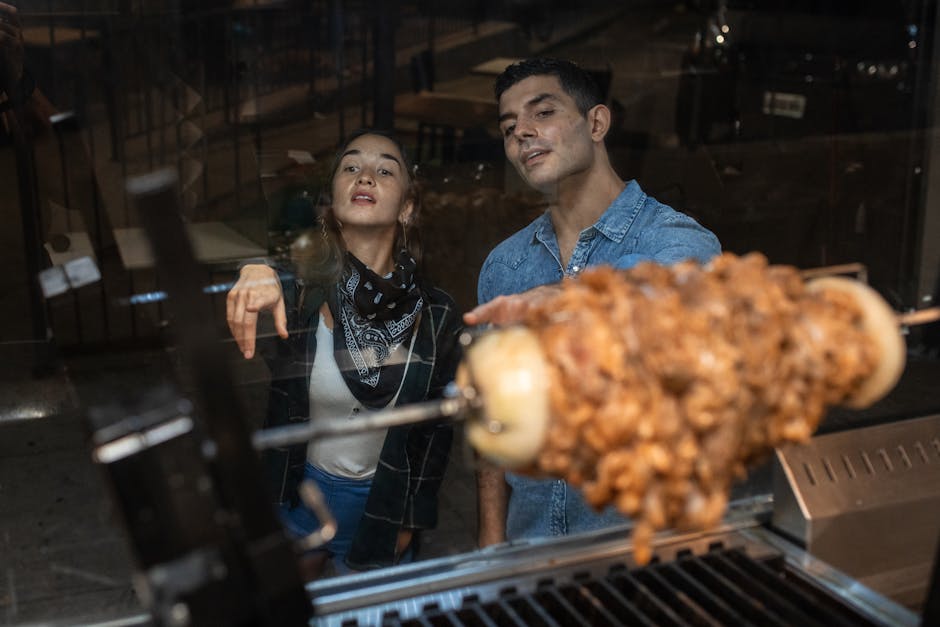
Agritourism combines food, nature, and relaxation. Stay on a working farm where you help harvest vegetables, collect eggs, or press olive oil. Meals are prepared with what’s grown on-site, offering unmatched freshness and flavor.
Tuscany, Portugal’s Alentejo region, and New Zealand’s Hawke’s Bay are known for high-quality agritourism. Couples can enjoy wine tastings, cheese-making workshops, and sunset dinners in the vineyard.
These stays often include cozy accommodations—think stone cottages or converted barns—making them ideal for romantic getaways.
Food and Wine Festivals
Timing your trip around a local food festival adds excitement and authenticity. Events like Spain’s La Tomatina (tomato-throwing festival) or Italy’s Sagra del Tartufo (truffle festival) celebrate regional specialties with music, cooking demos, and communal feasts.
The Melbourne Food and Wine Festival in Australia attracts top chefs and offers intimate dining experiences. In the U.S., the New Orleans Wine and Food Experience blends Creole cuisine with live jazz.
Check festival dates early—they often sell out quickly. Some require advance ticket purchases for specific events.
Private Chef Dinners and Pop-Ups
For a truly intimate experience, hire a private chef to cook a meal in your rental or at a scenic location. Many chefs offer themed menus—like a Moroccan tagine dinner in Marrakech or a seafood feast on a Greek island.
Pop-up dining events are another option. These temporary restaurants often feature innovative menus and unique settings—think dinner in a forest clearing or on a rooftop in Lisbon. They’re perfect for adventurous couples.
Budget tip: Split the cost with another couple or book a shorter menu (3 courses instead of 5).
How to Plan Your Culinary Adventure
Choose a Destination That Matches Your Palate
Not every food destination suits every couple. If you prefer subtle flavors, Japan or Scandinavia may appeal more than Thailand or India. Consider dietary restrictions, spice tolerance, and willingness to try raw or fermented foods.
Talk openly about your preferences before booking. One partner might love offal, while the other sticks to grilled fish. Compromise by planning a mix of familiar and adventurous meals.
Balance Food with Other Activities
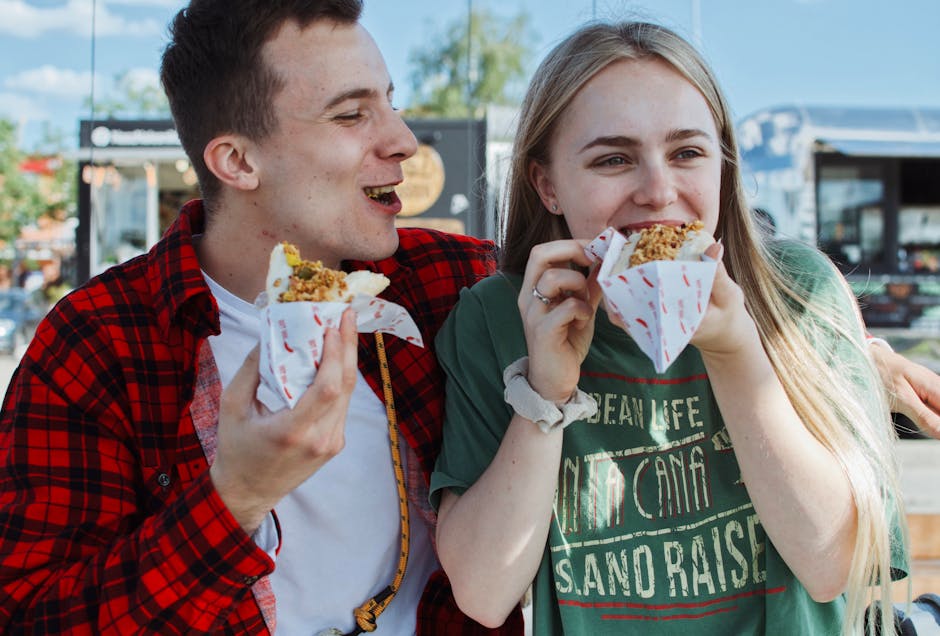
While food is the focus, don’t let it dominate every moment. Mix culinary stops with light sightseeing, nature walks, or cultural visits. A morning hike followed by a picnic lunch creates balance and prevents palate fatigue.
In Barcelona, for example, spend the morning at Park Güell, then enjoy tapas in Gràcia. In Lisbon, take a tram ride to Belém for pastéis de nata (custard tarts) after visiting the Jerónimos Monastery.
Pack Smart for Food Travel
Bring a small daypack for market visits. Include reusable containers for leftovers, a compact spice guide, and digestive aids if needed. A lightweight apron can be handy for cooking classes.
Avoid overpacking. Many destinations have excellent local markets where you can buy snacks, water, and souvenirs. Leave room in your luggage for specialty items like olive oil, saffron, or artisanal chocolate.
Budget Wisely
Culinary travel can be affordable or luxurious, depending on your choices. Street food in Vietnam costs under $2 per dish, while a Michelin-starred dinner in Paris can exceed $300 per person.
Set a daily food budget and track spending. Allocate more for special experiences (e.g., a cooking class) and less for casual meals. Use apps like Splitwise to manage shared expenses.
Safety and Etiquette Tips
Food safety varies by region. In developing countries, drink bottled water, avoid ice, and eat only thoroughly cooked foods. Carry hand sanitizer and stay hydrated.
Respect local dining customs. In Japan, never stick chopsticks upright in rice—it’s associated with funerals. In India, eat with your right hand only. In France, keep your hands on the table (not in your lap) during meals.
Always ask before photographing people or food in markets. A smile and a polite “May I?” go a long way.
Final Thoughts
The best food and culinary travel adventures for couples are those that blend discovery, connection, and joy. Whether you’re kneading dough in a Tuscan kitchen or sharing a mango sticky rice in Bangkok, these experiences create stories you’ll tell for years.
Start small if you’re new to food travel. A weekend food tour in a nearby city can build confidence. Then, dream bigger—perhaps a wine harvest in France or a spice journey through India. The world is full of flavors waiting to be shared.
FAQ
What’s the best time of year for culinary travel?
It depends on the destination. In Europe, late spring to early fall offers ideal weather and harvest seasons. In Southeast Asia, avoid monsoon months (typically May–October). Research local food festivals and seasonal ingredients to time your trip perfectly.
Are cooking classes worth it for couples?
Yes, especially if you enjoy hands-on activities. They provide cultural insight, teach practical skills, and result in a meal you made together. Look for classes under 3 hours to avoid fatigue, and choose ones with market tours for added value.
How do we handle dietary restrictions while food traveling?
Research ahead. Many destinations accommodate vegetarians, vegans, and gluten-free diets—especially in cities. Learn key phrases in the local language (e.g., “I am allergic to nuts”). Carry a dietary card in the local language to show at restaurants.