
Top Food and Culinary Travel Cities for Great Meals
For travelers who live to eat, choosing a destination based on its culinary scene is as important as the sights. The best food and culinary travel cities offer more than just flavor—they deliver culture, history, and unforgettable experiences on every plate. Whether you’re chasing street tacos in Mexico City, savoring handmade pasta in Bologna, or exploring the spice-laden markets of Marrakech, these cities stand out for their exceptional food cultures. This guide highlights the world’s top destinations where great meals aren’t just possible—they’re expected.
Why Food Travel Matters
Food is one of the most authentic ways to understand a place. It reflects local ingredients, traditions, and daily life in a way museums and monuments often can’t. Traveling for food allows you to taste history, geography, and community in every bite.
Unlike generic dining experiences, culinary travel immerses you in regional specialties, cooking techniques, and family recipes passed down through generations. It’s not just about eating—it’s about connecting.
How We Chose These Cities
We focused on cities with strong food identities, diverse dining options, and a culture that celebrates eating. Criteria included local ingredient availability, culinary innovation, accessibility for travelers, and the presence of both high-end and everyday eateries.
We also considered food markets, cooking classes, and opportunities to dine with locals. These elements help travelers go beyond tourist traps and experience real food culture.
Tokyo, Japan: Precision and Tradition on a Plate
Tokyo is a global leader in culinary excellence, home to more Michelin-starred restaurants than any other city. From sushi counters in Tsukiji to ramen shops in Shinjuku, the city offers unmatched depth and variety.
Must-Try Dishes
Start with sushi at a standing bar in Ginza, where chefs prepare each piece with quiet focus. Try tonkatsu at a small eatery in Nakano—crispy, golden, and served with tangy sauce and shredded cabbage.
Don’t miss monjayaki in Tsukishima, a savory pancake cooked on a hot griddle at your table. It’s messy, delicious, and deeply local.
Where to Eat
For a high-end experience, book a seat at Sukiyabashi Jiro, though reservations are notoriously difficult. More accessible is Narisawa, which blends Japanese ingredients with modern techniques.
For street food, visit Ameyoko Market near Ueno Station. Sample grilled yakitori, fresh seafood, and sweet taiyaki filled with red bean paste.
Tips for Food Travelers
Learn basic dining etiquette: don’t stick chopsticks upright in rice, and say “itadakimasu” before eating. Many restaurants have picture menus or English translations, but downloading a translation app helps.
Avoid eating while walking—it’s considered impolite. Instead, find a bench or stand near the vendor.
Paris, France: The Heart of Gastronomy
Paris is synonymous with fine dining, but its true culinary strength lies in balance—between tradition and innovation, luxury and simplicity. The city’s bistros, patisseries, and markets offer a complete food journey.
Must-Try Dishes
Begin with a classic croissant from Du Pain et des Idées in the 10th arrondissement. Flaky, buttery, and best eaten warm with coffee.
Try coq au vin at a neighborhood bistro in Montmartre. Slow-cooked chicken in red wine with mushrooms and lardons—comfort food at its finest.
End with a slice of tarte tatin from a reputable patisserie. Caramelized apples on buttery pastry, served with crème fraîche.
Where to Eat
For a Michelin-starred meal, Le Comptoir du Relais offers refined French cuisine in a cozy setting. Reservations are essential.
For a casual bite, head to Marché des Enfants Rouges, Paris’s oldest covered market. Try Moroccan tagine, Italian arancini, or fresh oysters from a seafood stall.
Tips for Food Travelers
Lunch is typically served from 12:00 to 2:00 PM, and dinner from 7:30 to 10:00 PM. Many restaurants close on Mondays or Tuesdays—check ahead.
Tip 10–15% only if service was exceptional; service charge is usually included. Avoid tourist-heavy areas like near the Eiffel Tower for better value and authenticity.
Mexico City, Mexico: A Feast of Flavors
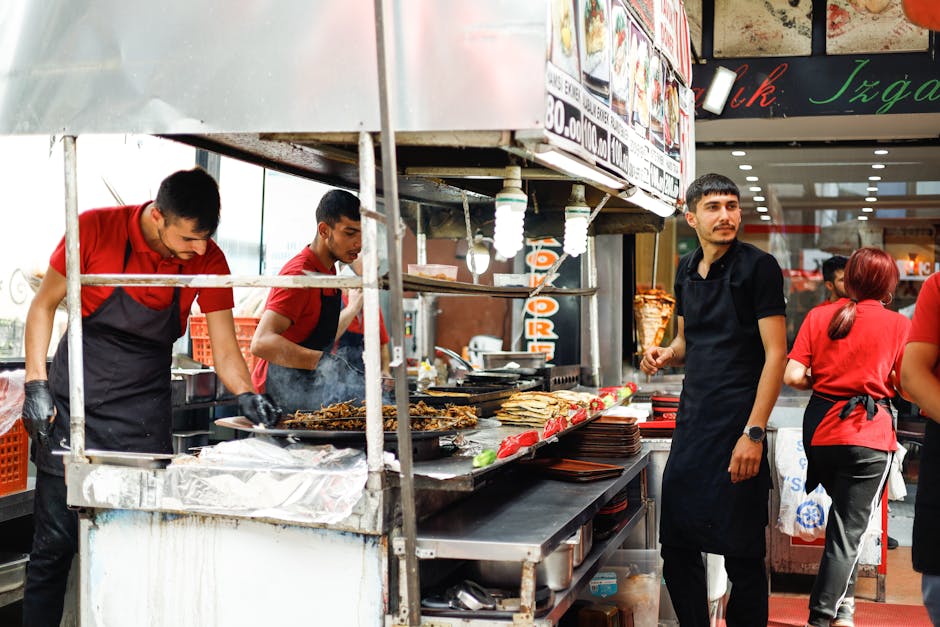
Mexico City is a vibrant hub of street food, regional specialties, and modern Mexican cuisine. With influences from Oaxaca, Yucatán, and beyond, the city’s food scene is rich and layered.
Must-Try Dishes
Start with tacos al pastor from a street vendor in Roma or Condesa. Thinly sliced pork marinated in spices, grilled on a vertical spit, and served with pineapple, onion, and cilantro.
Try tlacoyos in Coyoacán—blue corn masa boats filled with beans or cheese, topped with nopales and salsa.
Don’t leave without tasting mole negro from a restaurant specializing in Oaxacan cuisine. Complex, smoky, and deeply satisfying.
Where to Eat
For upscale dining, Pujol consistently ranks among the world’s best. Chef Enrique Olvera reinterprets Mexican ingredients with precision.
For street food, visit Mercado de San Juan. Sample chapulines (grasshoppers), fresh ceviche, and exotic fruits like guanábana.
Tips for Food Travelers
Street food is generally safe if the stall is busy and food is cooked fresh. Avoid raw vegetables and untreated water.
Learn a few Spanish phrases: “¿Qué recomienda?” (What do you recommend?) goes a long way. Cash is preferred at markets and small eateries.
Bologna, Italy: The Food Capital of Italy
Often overshadowed by Rome and Florence, Bologna is Italy’s culinary heart. Known for rich pasta, cured meats, and slow-cooked ragù, the city takes food seriously—and deliciously.
Must-Try Dishes
Order tagliatelle al ragù at a traditional trattoria. The sauce simmers for hours, clinging perfectly to handmade pasta.
Try tortellini in brodo—small stuffed pasta in a delicate chicken broth. A comforting dish best enjoyed in winter.
Sample mortadella from a local salumeria. Unlike the processed version sold abroad, authentic mortadella is soft, aromatic, and studded with pistachios.
Where to Eat
Osteria dell’Orsa is a local favorite for affordable, authentic meals. Arrive early—it’s first-come, first-served.
For a refined experience, Diana serves classic Bolognese dishes in a historic setting. Reservations recommended.
Tips for Food Travelers
Lunch is the main meal in Bologna. Many shops and restaurants close between 3:00 and 7:00 PM.
Avoid ordering cappuccino after 11:00 AM—Italians consider it a morning drink. Stick to espresso or macchiato with meals.
Bangkok, Thailand: A Symphony of Spices
Bangkok’s street food scene is legendary. From fiery curries to sweet mango sticky rice, the city delivers bold flavors at every corner. It’s a paradise for adventurous eaters.
Must-Try Dishes
Start with pad Thai from a vendor in Chinatown. Stir-fried noodles with shrimp, tofu, egg, and tamarind sauce, balanced with lime and peanuts.
Try som tam (green papaya salad) with grilled chicken. Spicy, sour, and crunchy—best eaten fresh from the mortar.
End with khao niao mamuang—sticky rice with mango and coconut milk. A simple dessert that’s pure bliss.
Where to Eat
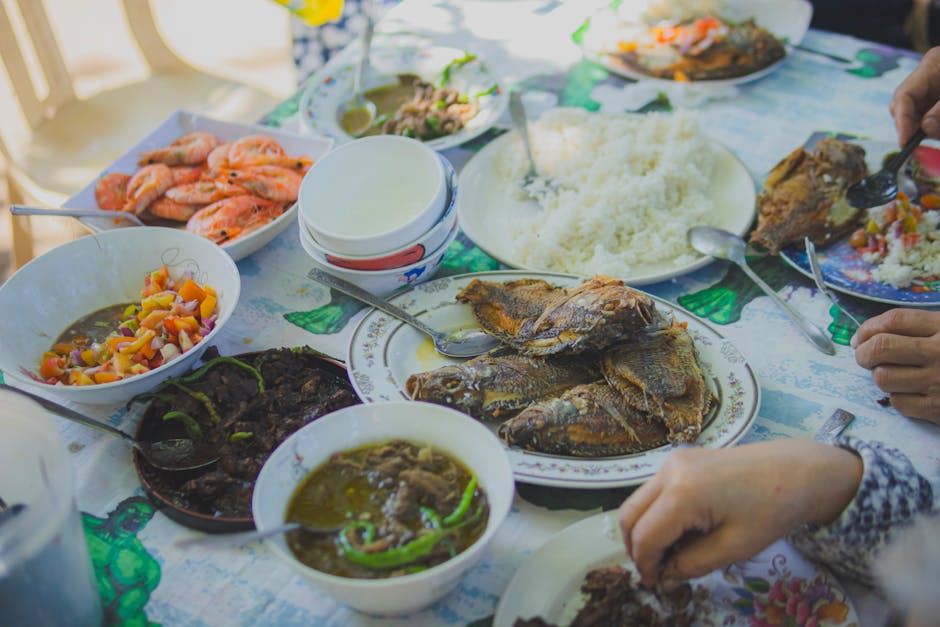
Jay Fai is a Michelin-starred street food stall run by a woman in goggles, cooking over flaming woks. Expect long waits and high prices, but the crab omelet is worth it.
For a more relaxed vibe, visit Or Tor Kor Market near Chatuchak. Clean, organized, and full of high-quality produce and ready-to-eat dishes.
Tips for Food Travelers
Street food is safe if it’s cooked to order and served hot. Avoid ice in drinks unless it’s from a sealed bag.
Use a spoon and fork—the fork pushes food onto the spoon. Chopsticks are used only for noodle dishes.
Marrakech, Morocco: A Spice-Laden Journey
Marrakech blends Berber, Arab, and French influences into a rich culinary tapestry. The city’s markets, riads, and rooftop restaurants offer a feast for the senses.
Must-Try Dishes
Try tagine at a local riad—slow-cooked meat or vegetables with dried fruits, nuts, and spices like saffron and cinnamon.
Sample harira soup during Ramadan or in winter. A hearty blend of lentils, chickpeas, tomatoes, and herbs, often served with chebakia (honey cookies).
Don’t miss msemen, a flaky, layered flatbread best eaten with honey and mint tea for breakfast.
Where to Eat
Le Jardin offers a peaceful oasis with Moroccan and international dishes in a lush garden setting. Great for a midday break.
For street food, visit Jemaa el-Fnaa at night. Watch as stalls come alive with grills, juice stands, and storytellers.
Tips for Food Travelers
Bargain politely at markets. Start at half the asking price and negotiate with a smile.
Dress modestly, especially in religious areas. Cover shoulders and knees to show respect.
Seoul, South Korea: Fermented, Fiery, and Full of Flavor
Seoul’s food scene is dynamic, blending traditional Korean flavors with modern trends. From bustling markets to sleek cafes, the city offers something for every palate.
Must-Try Dishes
Start with kimchi jjigae at a neighborhood restaurant. A spicy stew made with fermented cabbage, tofu, and pork, best eaten with rice.
Try bibimbap at a restaurant in Insadong. Mixed rice with vegetables, meat, and gochujang (red chili paste), stirred together at the table.
Sample hotteok from a street vendor in Myeongdong. Sweet pancakes filled with brown sugar, honey, and nuts—perfect for a cold day.
Where to Eat
Mingles combines Korean ingredients with modern techniques. A great introduction to contemporary Korean cuisine.
For traditional fare, visit Gwangjang Market. Try bindaetteok (mung bean pancakes) and mayak gimbap (addictive seaweed rice rolls).
Tips for Food Travelers
It’s polite to wait for the eldest person to start eating. Don’t leave chopsticks sticking out of your rice.
Many restaurants offer free side dishes (banchan). Feel free to ask for refills—it’s customary.
Buenos Aires, Argentina: Steak, Wine, and European Flair
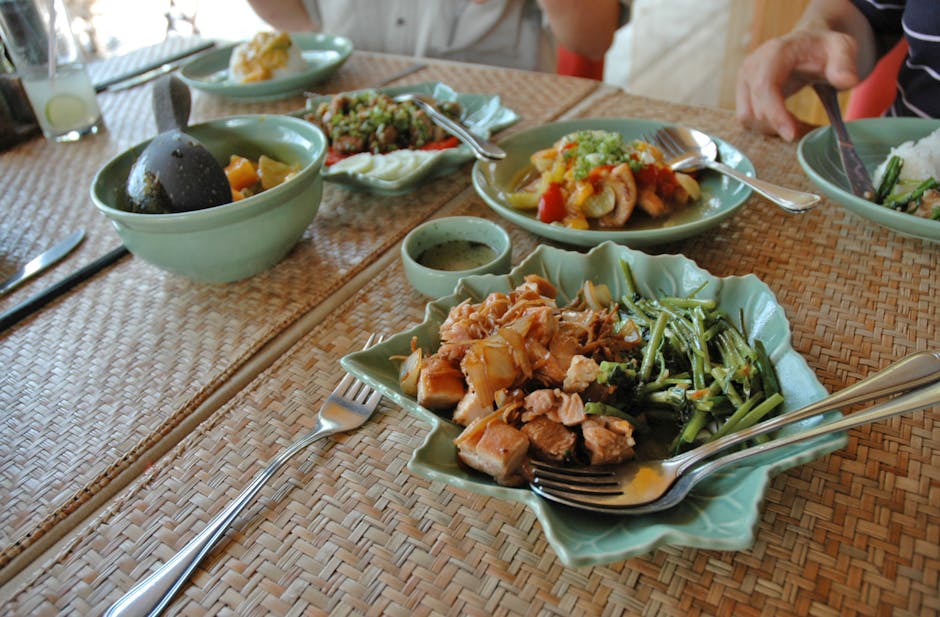
Buenos Aires blends Italian and Spanish influences with Argentine passion for meat and wine. The city’s parrillas (steakhouses) and cafes create a lively dining culture.
Must-Try Dishes
Order bife de chorizo at a parrilla in Palermo. A thick, juicy steak grilled over wood fire, served with chimichurri.
Try empanadas from a local bakery. Beef, chicken, or cheese-filled pastries, baked or fried.
End with dulce de leche on pancakes or in alfajores—soft cookies sandwiched with caramel and rolled in coconut.
Where to Eat
Don Julio is a top-rated parrilla with dry-aged beef and an extensive wine list. Reservations are a must.
For a casual meal, visit Café Tortoni, a historic cafe near Avenida de Mayo. Sip coffee and watch tango dancers.
Tips for Food Travelers
Dinner starts late—8:00 PM is early, 10:00 PM is normal. Many restaurants don’t open for dinner until 8:30 PM.
Tip 10% at restaurants. Tipping is appreciated but not always expected.
How to Plan Your Culinary Trip
Start by researching the city’s food culture. Read blogs, watch videos, and check local food festivals.
Book restaurants in advance, especially for fine dining. Use apps like TheFork or Resy for availability.
Pack lightly but include comfortable shoes—walking between food spots is part of the experience.
Consider a food tour. Local guides can take you to hidden gems and explain dishes in context.
Keep an open mind. Try something unfamiliar—it might become your new favorite.
What to Avoid
Don’t rely solely on TripAdvisor or Google reviews. Locals often know better than tourists.
Avoid eating only in tourist areas. Venture into residential neighborhoods for authentic meals.
Don’t overplan. Leave room for spontaneity—some of the best meals happen by accident.
Never assume all street food is unsafe. Observe cleanliness, turnover, and local patronage.
Final Thoughts
The best food and culinary travel cities offer more than great meals—they offer stories, connections, and memories. Whether you’re sipping espresso in Paris or sharing tacos in Mexico City, food travel deepens your understanding of the world.
Choose a destination that excites your taste buds, but also challenges your comfort zone. The most rewarding meals often come from places you least expect.
FAQ
What should I do if I have dietary restrictions while food traveling?
Research local dishes in advance and learn key phrases in the local language. Many cities now offer vegetarian, vegan, or gluten-free options, especially in tourist areas. Consider staying in accommodations with kitchen access to prepare simple meals.
Is it safe to eat street food in these cities?
Generally, yes—if the stall is busy, food is cooked fresh, and hygiene practices appear good. Avoid raw items and untreated water. Trust your instincts and follow local behavior.
How can I find authentic local restaurants?
Ask hotel staff, use apps like Too Good To Go or Eatwith, or join a food tour. Look for places filled with locals, not tourists. Menus in the local language are a good sign.