
Top Food and Culinary Travel Places for Food Memories
For travelers who believe that great meals create lasting memories, choosing the right destination is everything. The best food and culinary travel places offer more than just delicious dishes—they provide cultural immersion, unforgettable flavors, and stories worth sharing. Whether you’re savoring street food in Bangkok or dining at a Michelin-starred restaurant in Paris, these experiences shape how we remember a place. This guide highlights the world’s most memorable culinary destinations, offering practical tips and insights to help you plan a trip centered around food that will linger in your mind long after the last bite.
Why Culinary Travel Creates Unforgettable Memories
Food is deeply tied to emotion and memory. A single bite can transport you back to a bustling market in Marrakech or a quiet seaside taverna in Greece. Unlike other travel experiences, meals engage all five senses, making them especially vivid in our recollection.
Culinary travel goes beyond eating—it’s about understanding a culture through its ingredients, traditions, and cooking techniques. Sharing a meal with locals, learning to prepare a regional dish, or discovering a family-run eatery off the tourist path can become the highlight of any trip.
These experiences foster connection. Whether you’re bargaining for spices in an Indian bazaar or toasting with wine in a Tuscan vineyard, food becomes a universal language that bridges cultures and creates shared moments.
How to Choose the Best Culinary Destinations
Not every food destination is created equal. Some cities boast world-renowned restaurants, while others shine through street food and local markets. The key is aligning your travel goals with the destination’s culinary strengths.
Consider your preferences: Do you prefer fine dining or casual eats? Are you adventurous with flavors, or do you stick to familiar tastes? Researching a region’s signature dishes and food culture beforehand helps set realistic expectations.
Also, factor in timing. Many culinary experiences—like truffle festivals in Italy or cherry blossom season in Japan—are seasonal. Planning your visit around local food events can elevate your trip from good to unforgettable.
Look for Authenticity, Not Just Hype
While Michelin guides and food blogs are helpful, they don’t always reflect the most authentic experiences. Some of the best meals come from unmarked stalls or family kitchens that never appear in guidebooks.
Talk to locals. Ask hotel staff, taxi drivers, or shopkeepers where they eat. Often, the most memorable meals happen in places that don’t cater to tourists.
Be wary of restaurants that seem designed for Instagram. Overly stylized dishes and themed interiors can distract from the quality of the food. Authenticity often lies in simplicity.
Balance Variety and Depth
A great culinary trip includes both variety and depth. Try a wide range of dishes, but also spend time exploring one cuisine in detail. For example, in Mexico City, sample tacos from different regions and take a cooking class to understand mole or tamales.
This balance prevents food fatigue and deepens your appreciation. You’ll return home not just with photos, but with knowledge and skills to recreate flavors at home.
Don’t forget drinks. Regional beverages—like sake in Japan, mezcal in Oaxaca, or craft beer in Portland—are integral to the culinary experience and often tell their own stories.
Top Food and Culinary Travel Destinations
Below are some of the world’s most celebrated culinary destinations, each offering unique flavors, traditions, and experiences that make them ideal for creating lasting food memories.
Tokyo, Japan: Precision and Tradition on a Plate
Tokyo holds more Michelin stars than any other city, but its true culinary charm lies in its balance of innovation and tradition. From sushi counters in Tsukiji to ramen shops in Shinjuku, every meal feels like a performance.
The city’s food culture emphasizes seasonality, presentation, and respect for ingredients. A simple bowl of soba can be a meditation on texture and temperature.
Don’t miss the chance to dine at a kaiseki restaurant, where multi-course meals reflect the changing seasons. These experiences are rare outside Japan and offer a deep dive into Japanese aesthetics and philosophy.
For a more casual adventure, explore depachika—department store food halls—where you can sample everything from matcha desserts to fresh seafood without leaving the building.
Oaxaca, Mexico: The Soul of Mexican Cuisine

Oaxaca is often called the culinary capital of Mexico, and for good reason. Its markets overflow with moles, tlayudas, and chapulines (grasshoppers), offering bold flavors and textures.
The region’s seven moles—complex sauces made with dozens of ingredients—showcase the depth of Oaxacan cooking. Each has a distinct flavor profile, from the smoky negro to the fruity coloradito.
Take a cooking class with a local family to learn how to make tortillas from scratch or grind spices on a metate. These hands-on experiences build a deeper connection to the food.
Visit a mezcal distillery to understand the cultural significance of this smoky spirit. Tasting sessions often include stories about agave varieties and traditional production methods.
Paris, France: Elegance and Technique
Paris is synonymous with fine dining, but its culinary appeal extends far beyond haute cuisine. The city’s boulangeries, fromageries, and patisseries offer daily opportunities to taste perfection in simplicity.
A fresh baguette with butter and jam, a perfectly flaky croissant, or a wedge of aged Comté cheese can be as memorable as a multi-course tasting menu.
The city’s café culture encourages lingering over coffee and conversation, making meals a social ritual. Even a simple crêpe from a street vendor becomes part of the Parisian experience.
For a deeper dive, visit local markets like Marché d’Aligre or Marché des Enfants Rouges. These spaces offer a mix of fresh produce, prepared foods, and international flavors, reflecting Paris’s evolving food scene.
Bangkok, Thailand: A Symphony of Flavors
Bangkok is a paradise for street food lovers. The city’s sidewalk stalls serve up dishes that balance sweet, sour, salty, and spicy in perfect harmony.
Pad Thai, tom yum goong, and mango sticky rice are iconic, but the real magic lies in lesser-known dishes like kuay teow reua (boat noodles) or som tam (papaya salad).
Join a street food tour to navigate the maze of vendors and learn which stalls are safe and delicious. Many tours include visits to hidden spots known only to locals.
Be adventurous but cautious. Street food is generally safe, but stick to busy stalls with high turnover to ensure freshness. Avoid raw vegetables and unpeeled fruits if you’re concerned about water quality.
Lyon, France: The Gastronomic Heart of France
Known as the culinary capital of France, Lyon is home to traditional bouchons—small, family-run restaurants serving hearty Lyonnaise dishes like quenelles, andouillette, and pike quenelles.
The city’s food scene is deeply rooted in local ingredients and time-honored techniques. Chefs here respect tradition while quietly innovating.
Visit Les Halles de Lyon Paul Bocuse, a gourmet food hall named after the legendary chef. It’s a great place to sample regional specialties and pick up artisanal products to take home.
Lyon also hosts regular food festivals, including the Festival of Lights, which features pop-up food stalls and culinary events throughout the city.
Marrakech, Morocco: Spices and Storytelling
Marrakech’s food culture is as vibrant as its souks. The scent of cumin, saffron, and cinnamon fills the air, drawing you into the medina’s labyrinthine alleys.
Tagines, couscous, and pastilla (a sweet-savory pie) are staples, often cooked slowly over charcoal for maximum flavor.
Join a food tour that includes a visit to a local hammam and a cooking class. These experiences offer insight into Moroccan hospitality and daily life.
Don’t miss the night food market at Jemaa el-Fnaa. As the sun sets, the square transforms into a bustling open-air kitchen with food stalls serving everything from grilled meats to fresh orange juice.

Barcelona, Spain: Tapas and Tradition
Barcelona’s tapas culture encourages sharing and exploration. Small plates allow you to sample a wide variety of dishes in one sitting.
Classic tapas like patatas bravas, jamón ibérico, and pan con tomate are must-tries. But also seek out modern interpretations from innovative chefs.
The city’s markets, especially La Boqueria, are a feast for the senses. Watch as vendors slice cured meats, arrange seafood, and prepare fresh juices.
Pair your meal with a glass of cava or vermouth, both deeply rooted in Catalan culture. Vermouth hour—a pre-dinner ritual—is a delightful way to start the evening.
Seoul, South Korea: Bold Flavors and Fermentation
Seoul’s food scene is dynamic and deeply flavorful. Korean cuisine emphasizes fermentation, bold spices, and communal dining.
Dishes like kimchi jjigae, bibimbap, and Korean BBQ are popular, but don’t overlook street food staples like tteokbokki (spicy rice cakes) and hotteok (sweet pancakes).
Visit a traditional market like Gwangjang Market to see vendors selling bindaetteok (mung bean pancakes) and mayak gimbap (addictive seaweed rice rolls).
Many restaurants offer cooking classes, where you can learn to make kimchi or prepare a full Korean meal. These experiences deepen your understanding of the culture.
Practical Tips for Culinary Travel
Planning a food-focused trip requires a bit more preparation than a standard vacation. Here are some practical tips to ensure your culinary journey is smooth and satisfying.
Research Before You Go
Start by identifying must-try dishes and restaurants. Use trusted sources like local food blogs, travel forums, and word-of-mouth recommendations.
Check opening hours and reservation policies. Some top restaurants book up months in advance, while others don’t accept reservations at all.
Download offline maps and translation apps. Knowing how to ask for recommendations or dietary restrictions in the local language can open doors.
Pack Smart
Bring a reusable water bottle with a filter if tap water isn’t safe. This reduces plastic waste and keeps you hydrated.
Carry hand sanitizer and wet wipes, especially when eating street food. A small first-aid kit with stomach remedies can also be helpful.
If you’re bringing back specialty foods, check customs regulations. Some items, like fresh produce or meat, may be restricted.
Stay Open-Minded
Be willing to try new things, even if they seem unusual. Food is a gateway to understanding a culture.
That said, listen to your body. If a dish looks questionable or you have food allergies, it’s okay to skip it.
Keep a food journal or take photos of your meals. These records help preserve your memories and can inspire future trips.
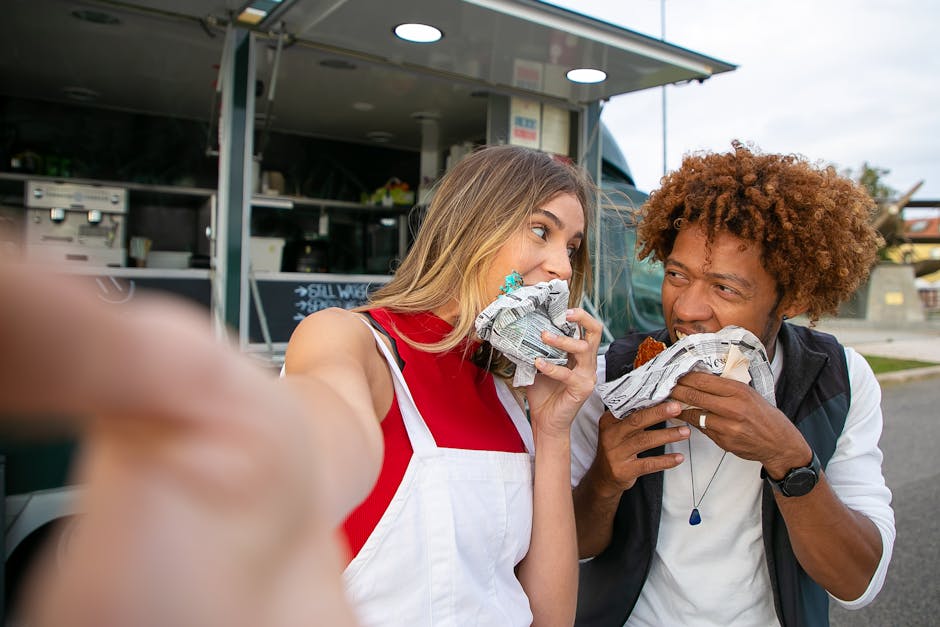
Support Local Economies
Eat where locals eat. Family-run restaurants, street vendors, and neighborhood markets often offer the most authentic and affordable meals.
Tip appropriately. In some countries, tipping is expected; in others, it’s not customary. Research local customs to avoid awkwardness.
Buy local products as souvenirs—like olive oil in Greece, spices in India, or chocolate in Belgium. These items carry the taste of your travels home with you.
How to Preserve Your Food Memories
Great meals don’t have to end when your trip does. There are several ways to keep your culinary memories alive long after you return home.
Cook What You Learned
Recreate dishes from your travels using recipes you collected or learned in cooking classes. Even if they’re not exact, the effort connects you back to the experience.
Host a dinner party themed around your destination. Invite friends to share the flavors and stories from your trip.
Use local ingredients when possible. Visiting international grocery stores or farmers’ markets can help you find authentic components.
Document Your Journey
Write about your meals in a travel journal. Include details like the setting, people you met, and how the food tasted.
Create a digital scrapbook with photos, menus, and notes. Apps like Evernote or Google Photos make it easy to organize and revisit your memories.
Share your experiences on social media or a personal blog. Your stories might inspire others to explore culinary travel.
Plan Your Next Culinary Adventure
Let your food memories guide your next trip. Did a dish in Thailand spark your interest in Southeast Asian cuisine? Consider visiting Vietnam or Malaysia next.
Keep a list of destinations you want to explore based on food. This helps you prioritize future travels and build a personal culinary map.
Join food-focused travel groups or forums to exchange tips and discover new destinations. Community input can lead to unexpected discoveries.
Final Thoughts
The best food and culinary travel places don’t just fill your stomach—they feed your soul. They create memories that linger, not because of extravagance, but because of authenticity, connection, and flavor.
Whether you’re wandering through a Moroccan souk, savoring pasta in Rome, or slurping ramen in a Tokyo alley, these moments become part of your personal story.
Approach culinary travel with curiosity and respect. Ask questions, try new things, and embrace the unexpected. The most memorable meals often happen when you least expect them.
FAQ
What makes a destination great for culinary travel?
A great culinary destination offers authentic, diverse, and high-quality food experiences that reflect local culture. It should provide opportunities to learn, taste, and connect through food, whether through street vendors, markets, or restaurants.
Is street food safe to eat while traveling?
Street food is generally safe in most destinations, especially at busy stalls with high turnover. Choose vendors who prepare food fresh, avoid raw ingredients if water quality is a concern, and trust your instincts.
How can I find authentic food experiences off the tourist path?
Talk to locals, use regional food blogs, and explore neighborhood markets. Avoid restaurants that cater primarily to tourists. Joining a local food tour or cooking class can also lead to authentic, insider experiences.