
Top Food and Culinary Travel Places for Food Streets
Exploring a city through its food streets is one of the most authentic ways to experience local culture. From sizzling night markets in Asia to bustling pedestrian lanes in Europe, food streets offer a sensory journey that goes beyond taste. Whether you’re sampling street-side dumplings in Taipei or sipping espresso in a Roman alley, these destinations deliver unforgettable flavors and vibrant atmospheres. This guide highlights the world’s best food streets, offering practical tips and must-try dishes to help you plan your next culinary adventure.
Why Food Streets Are a Must for Culinary Travelers
Food streets are more than just places to eat—they’re cultural hubs where tradition, community, and innovation intersect. Unlike formal restaurants, food streets often showcase regional specialties prepared with generations-old techniques. They also tend to be more affordable, making them ideal for travelers on a budget.
Many food streets operate in historic districts, adding architectural charm to the dining experience. Walking through these areas allows you to observe local life, interact with vendors, and taste dishes you won’t find in tourist-heavy restaurants. For food lovers, these streets are living museums of flavor.
Top Food Streets Around the World
Shilin Night Market – Taipei, Taiwan
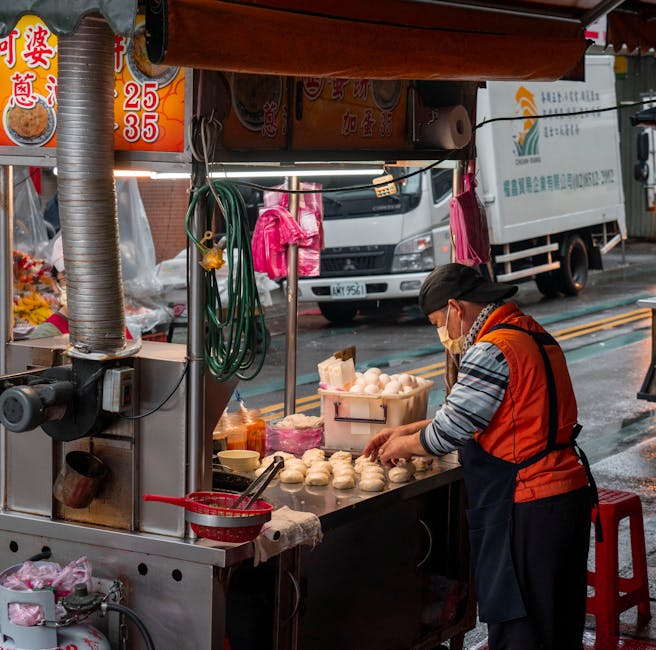
Taipei’s Shilin Night Market is one of Asia’s most famous food destinations. Open daily from late afternoon until midnight, it spans multiple blocks and features over 500 food stalls. The market is a paradise for adventurous eaters and casual snackers alike.
Must-try dishes include stinky tofu, oyster omelets, and bubble tea. The fried chicken cutlet, crispy on the outside and juicy within, is a local favorite. Don’t miss the steamed dumplings filled with pork and chives—simple yet deeply satisfying.
Arrive hungry and wear comfortable shoes. The market gets crowded, especially on weekends, so go early to avoid the biggest crowds. Cash is essential, as most vendors don’t accept cards.
La Boqueria – Barcelona, Spain
Located just off Las Ramblas, La Boqueria is Barcelona’s most iconic public market. While it’s popular with tourists, it remains a working market where locals shop daily. The vibrant stalls overflow with fresh produce, cured meats, seafood, and prepared foods.
Sample jamón ibérico, freshly squeezed orange juice, and empanadas. The fruit cups with lime and chili are refreshing and uniquely Spanish. For a heartier meal, try the grilled seafood skewers or a bocadillo de calamares (fried squid sandwich).
Visit in the morning for the freshest selection. Many food counters close by early afternoon. Be mindful of pickpockets in this busy area—keep your belongings secure.
Chinatown Food Street – Singapore
Singapore’s Chinatown Food Street combines heritage architecture with a wide array of hawker-style dishes. The covered pedestrian lane features both permanent stalls and temporary setups, offering everything from Hokkien mee to chili crab.
The char kway teow—flat rice noodles stir-fried with shrimp, cockles, and Chinese sausage—is a standout. Equally popular is the bak kut teh, a peppery pork rib soup simmered for hours. Vegetarians can enjoy the vegetarian bee hoon, a flavorful noodle dish with mushrooms and tofu.
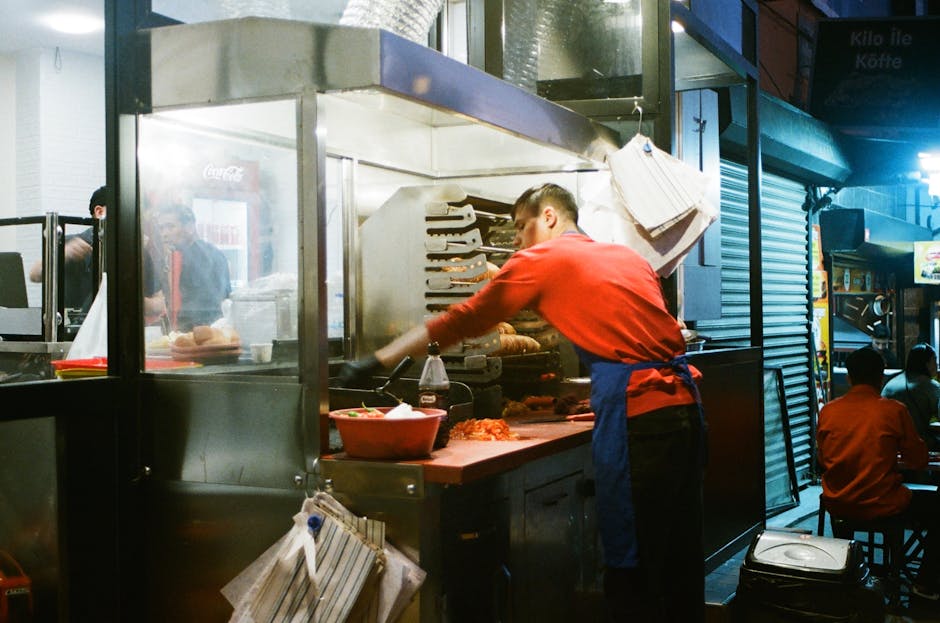
Open for lunch and dinner, the street is especially lively in the evening. It’s air-conditioned, making it a comfortable option during Singapore’s hot afternoons. Reservations aren’t needed, but arrive early on weekends.
Amalfi Coast Food Trail – Italy
While not a single street, the coastal towns of the Amalfi Coast—like Positano, Amalfi, and Ravello—form a culinary trail rich in local flavors. Narrow lanes lined with family-run trattorias and gelaterias offer a taste of southern Italian cuisine.
Try the spaghetti alle vongole (with clams), freshly caught seafood, and limoncello made from local lemons. The region’s buffalo mozzarella and ricotta are creamy and distinctly flavored. Gelato shops often use seasonal ingredients like figs and pistachios.
Many restaurants close between lunch and dinner service. Plan your meals accordingly. Booking ahead is recommended, especially during peak season from June to August.
Jongno District – Seoul, South Korea
Seoul’s Jongno District is a treasure trove of Korean street food, particularly around Gwangjang Market. This historic market has operated since 1905 and remains a favorite among locals and visitors.
Don’t miss the bindaetteok (mung bean pancakes), mayak gimbap (addictive seaweed rice rolls), and tteokbokki (spicy rice cakes). The hotteok, a sweet pancake filled with brown sugar and nuts, is perfect for dessert. For a warming meal, try the kalguksu (knife-cut noodle soup).
Most stalls accept cash only. English menus are rare, so pointing and smiling go a long way. Visit during lunch hours for the best selection and shortest lines.
Pike Place Market – Seattle, USA
Pike Place Market is one of America’s oldest continuously operating public farmers’ markets. While it’s known for the flying fish at Pike Place Fish Co., the market’s food scene is far more diverse.
Grab a cup of coffee from the original Starbucks, then sample local Dungeness crab, artisanal cheeses, and fresh-baked bread. The market also features international food stalls, including Thai curries and Mexican tacos.
Arrive early to avoid crowds and secure parking. The market is open year-round, but some food vendors have seasonal hours. Bring layers—Seattle weather can change quickly.
Banglatown – London, UK
Located in East London, Banglatown is the heart of the city’s Bangladeshi community. Brick Lane and surrounding streets are lined with curry houses, sweet shops, and spice stores.
The lamb biryani and chicken tikka masala are local staples. For something unique, try the shingara (fried pastry with spiced filling) or mishti doi (sweet yogurt). Many restaurants offer lunchtime thali platters, which provide a variety of dishes at a fixed price.
Most restaurants are open for dinner, with some serving lunch on weekends. Tipping is customary but not mandatory. Be aware that some places may add a service charge to the bill.
Khan el-Khalili – Cairo, Egypt
This historic bazaar in Islamic Cairo is as much about shopping as it is about food. Narrow alleys lead to food stalls, tea houses, and sweet shops serving traditional Egyptian fare.
Try the koshari—a hearty mix of rice, lentils, pasta, and chickpeas topped with tomato sauce and fried onions. Ful medames (stewed fava beans) and taameya (Egyptian falafel) are popular breakfast options. End with a cup of mint tea or konafa, a sweet cheese-based dessert.
The market is busiest in the evening. Dress modestly and be prepared to haggle in shops. Some food stalls may not have English menus, so use translation apps if needed.
How to Make the Most of Your Food Street Experience
Plan Your Visit Strategically
Research opening hours and peak times before you go. Many food streets are busiest during lunch and dinner, but some specialty stalls may sell out early. Arriving just before opening can give you first access to the freshest items.
Check local holidays and festivals. These events often bring special food offerings and extended hours. However, they can also mean larger crowds and higher prices.
Come Prepared
Bring cash in the local currency. While some vendors accept cards or mobile payments, many small stalls operate on cash only. Having small bills makes transactions smoother.
Wear comfortable, closed-toe shoes. You’ll likely be walking and standing for extended periods. A small backpack or crossbody bag helps keep your hands free for eating and holding drinks.
Eat Like a Local
Observe where locals are eating. If a stall has a long line of residents, it’s usually a good sign. Avoid places that cater primarily to tourists with inflated prices and generic menus.
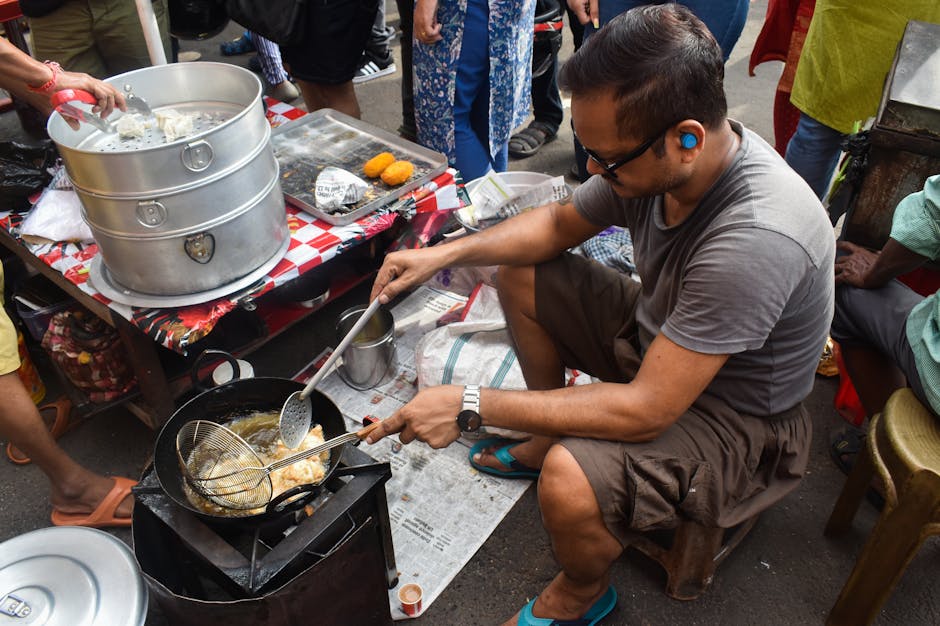
Don’t be afraid to try unfamiliar dishes. Ask vendors about ingredients if you have dietary restrictions. Many are happy to explain their food, especially if you show genuine interest.
Stay Safe and Respectful
Be mindful of food safety. Choose stalls that cook food to order and maintain clean surfaces. Avoid raw or undercooked items if you have a sensitive stomach.
Respect local customs. In some cultures, eating while walking is frowned upon. Tipping practices vary—research local norms to avoid awkward situations.
What to Avoid When Exploring Food Streets
Avoid overplanning your meals. Food streets are best enjoyed with flexibility. You might discover a hidden gem that wasn’t on your list.
Don’t eat at every stall. Pace yourself and share dishes with travel companions. Overeating can lead to discomfort, especially in hot or humid climates.
Steer clear of overly touristy spots with English-only menus and inflated prices. These often lack authenticity and may use lower-quality ingredients.
Never assume all food is vegetarian or allergen-free. Always ask about ingredients, especially in regions where language barriers exist.
Final Thoughts
Food streets offer a unique window into a destination’s culture, history, and daily life. They’re where recipes are passed down, communities gather, and flavors come alive. Whether you’re strolling through a lantern-lit night market or sampling regional specialties in a European alley, these experiences create lasting memories.
By planning wisely, staying open-minded, and eating like a local, you’ll get the most out of your culinary travels. The world’s best food streets aren’t just about the food—they’re about connection, discovery, and the joy of shared meals.
FAQ
What should I bring when visiting a food street?
Bring cash in local currency, comfortable shoes, a reusable water bottle, and a small bag for carrying snacks or souvenirs. A translation app can help if you’re in a non-English-speaking country.
Are food streets safe to eat at?
Generally, yes—especially if you choose busy stalls that cook food fresh. Look for high turnover, clean surfaces, and vendors who handle food safely. Avoid raw or undercooked items if you’re unsure.
How can I avoid tourist traps on food streets?
Eat where locals eat. Avoid stalls with only English menus, high prices, or aggressive touts. Research ahead of time and read recent reviews from other travelers.