
Travel Tips for Better Sleep on Overnight Flights
Getting quality sleep on an overnight flight isn’t just about comfort—it’s essential for arriving refreshed and minimizing jet lag. With the right preparation and habits, you can turn a cramped seat into a restful space. This guide covers proven strategies to help you fall asleep faster, stay asleep longer, and wake up feeling more alert at your destination. From what to wear to how to time your meals, every detail matters when optimizing sleep at 35,000 feet.
Choose the Right Seat for Sleep
Your seat selection can make or break your ability to sleep. Window seats offer a solid surface to lean against and better control over light exposure. Aisle seats provide easier bathroom access but less support for your head.
Avoid seats near galley areas or restrooms, where noise and foot traffic are constant. If possible, book a bulkhead or exit row for extra legroom—just note that some airlines don’t allow pillows or blankets in these rows for safety reasons.
On long-haul flights, consider upgrading to premium economy or business class if your budget allows. Even a slight increase in recline and legroom can significantly improve sleep quality.
Use a Neck Pillow That Actually Works
Not all neck pillows are created equal. Look for ergonomic designs with memory foam that cradle your neck without pushing your head forward. Avoid U-shaped pillows that slip off easily—opt for wrap-around styles with adjustable straps.
Test your pillow before your trip. If it feels awkward or forces your chin down, it won’t help. Some travelers prefer inflatable pillows for compact storage, but they may lack the firmness needed for deep sleep.
Block Out Light and Noise
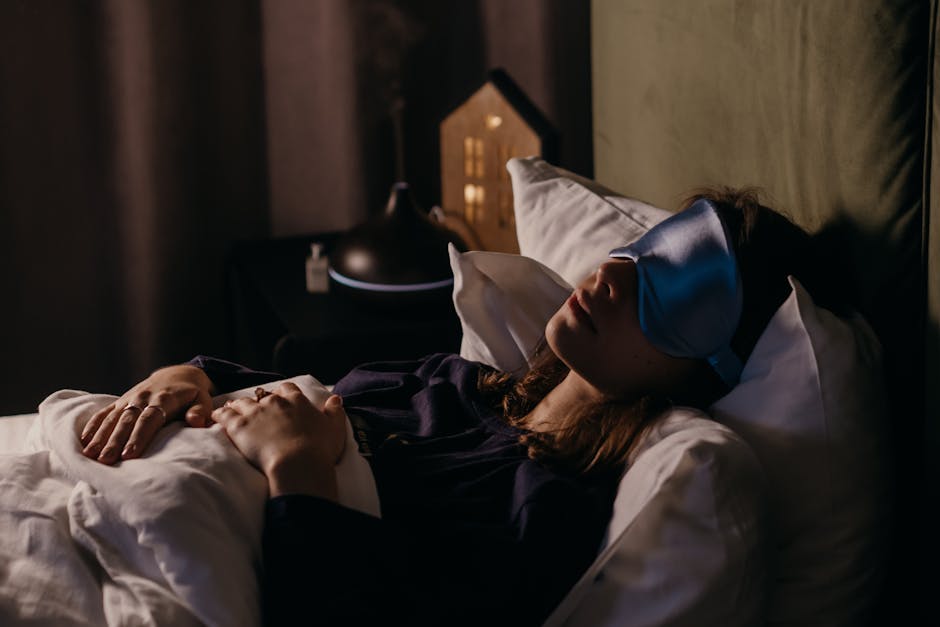
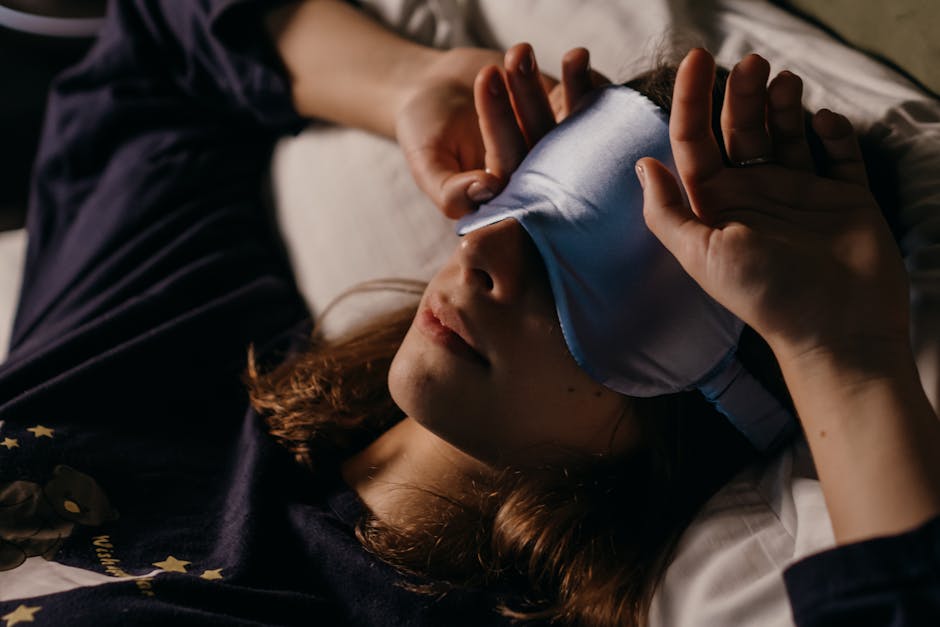
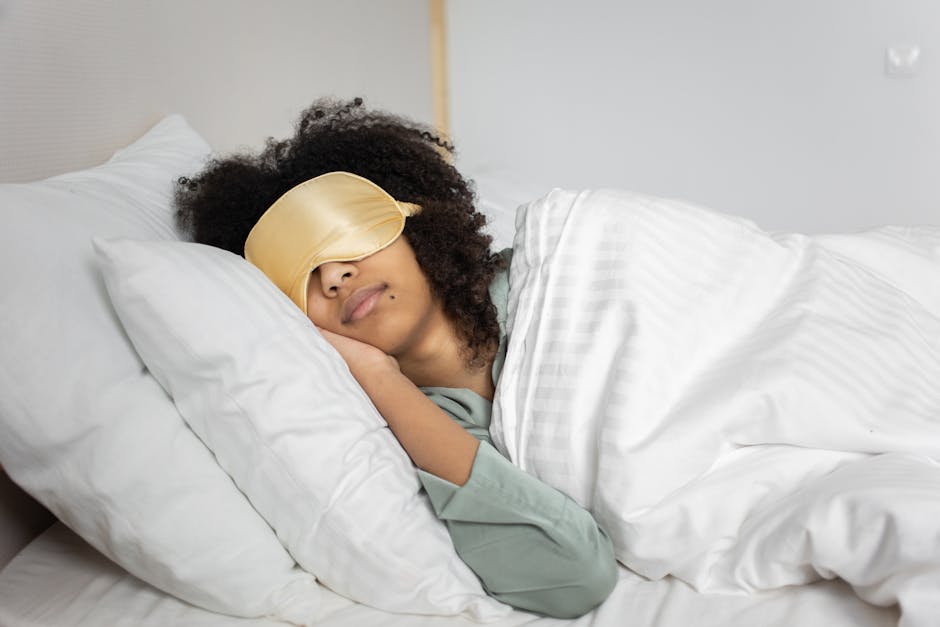
Airplane cabins are bright and noisy, even at night. A high-quality sleep mask blocks cabin lights and signals to your brain that it’s time to rest. Choose one made from soft, breathable fabric that doesn’t press on your eyes.
Noise-canceling headphones or earplugs are equally important. Engine hum, crying babies, and crew announcements can jolt you awake. Over-ear headphones with active noise cancellation work best, but foam earplugs are a lightweight alternative.
Dress for Comfort and Temperature Control
Airline cabins can swing between freezing and stuffy. Dress in layers so you can adjust as needed. A lightweight sweater, scarf, or travel blanket gives you options without bulk.
Wear loose, breathable clothing made from natural fibers like cotton or bamboo. Avoid tight jeans or restrictive shoes. Compression socks can improve circulation and reduce swelling, especially on flights over six hours.
Bring slip-on shoes or warm socks to change into after takeoff. Keeping your feet warm helps relax your body and promotes sleep.
Footrests and Leg Support
Elevating your legs reduces pressure on your lower back and improves circulation. Some travelers use inflatable footrests or rolled-up blankets under their feet. Others tuck a small bag between their seat and carry-on to create a makeshift footrest.
If you’re tall, consider bringing a travel foot hammock that straps to the seat in front. These are inexpensive, portable, and can make a big difference in comfort.
Time Your Meals and Drinks Wisely
What you eat and drink before and during the flight affects your sleep. Avoid heavy, greasy meals close to departure—they can cause indigestion and disrupt rest. Instead, opt for light, balanced snacks like nuts, yogurt, or fruit.
Caffeine is a major sleep disruptor. Skip coffee, energy drinks, and even chocolate in the hours leading up to your flight. Alcohol may make you drowsy initially, but it fragments sleep and dehydrates you, leading to poorer rest overall.
Stay hydrated with water, but limit intake in the last hour before you plan to sleep to avoid frequent bathroom trips. Herbal teas like chamomile or valerian root can promote relaxation without caffeine.
Use Melatonin with Caution
Melatonin supplements can help regulate your sleep-wake cycle, especially when crossing time zones. Take a low dose (0.5mg to 1mg) about 30 minutes before you want to sleep. Higher doses aren’t more effective and may cause grogginess.
Consult your doctor before using melatonin, especially if you’re pregnant, breastfeeding, or taking medications. It’s not a sedative—it works by signaling to your body that it’s time to sleep.
Create a Pre-Sleep Routine
Your body responds to routines. Mimic your bedtime habits as closely as possible. Brush your teeth, wash your face, and change into sleepwear if space allows. These small rituals signal to your brain that it’s time to wind down.
Use a portable toothbrush and travel-sized toiletries. Some travelers bring a small spray bottle with lavender mist to freshen up and create a calming scent.
Turn off screens at least 30 minutes before trying to sleep. The blue light from phones and tablets suppresses melatonin production. If you must use a device, enable night mode and wear blue-light-blocking glasses.
Use Apps and White Noise
Sleep apps with guided meditations, white noise, or nature sounds can help you relax. Download content before your flight to avoid using data. Noise machines that mimic rain or ocean waves are especially effective for masking cabin sounds.
Avoid stimulating content like action movies or intense podcasts. Instead, listen to calming music or a sleep story. Some airlines offer sleep-focused playlists in their in-flight entertainment systems.
Adjust to Your Destination’s Time Zone
Start shifting your schedule a few days before departure if possible. If you’re flying east, go to bed earlier. If flying west, stay up later. This small adjustment can ease the transition and improve sleep quality on board.
Once on the plane, set your watch to the destination time. Eat meals and sleep according to the local schedule, even if it feels unnatural. This helps reset your internal clock more quickly.
Expose yourself to natural light upon arrival. Sunlight helps regulate circadian rhythms and reduces jet lag. If you land during the day, spend time outside or near a window.
Avoid Sleeping Pills Unless Prescribed
Over-the-counter sleep aids like diphenhydramine can leave you groggy and dehydrated. They may also increase the risk of deep vein thrombosis (DVT) due to prolonged immobility. Only use prescription sleep medication under medical supervision.
If you do take medication, move your legs regularly, stay hydrated, and avoid alcohol. Never combine sleep aids with alcohol or other sedatives.
Maximize In-Flight Comfort
Use the airline’s provided blanket and pillow if available, but bring your own if you prefer cleanliness or extra warmth. Many travelers carry a compact travel blanket in their carry-on.
Adjust your seat recline gently to avoid disturbing the person behind you. Some airlines discourage full recline during meal service or turbulence.
Keep your personal items within reach. A small pouch with essentials—lip balm, eye mask, earplugs, and medication—prevents fumbling in the dark.
Stay Calm and Patient
Not every overnight flight will result in perfect sleep. Turbulence, seatmates, and cabin conditions can interfere. Focus on relaxation rather than forcing sleep. Deep breathing or progressive muscle relaxation can help you drift off even in less-than-ideal conditions.
If you can’t sleep, don’t stress. Resting with your eyes closed still gives your body some recovery. Use the time to listen to calming audio or plan your itinerary.
What to Do After Landing
Upon arrival, resist the urge to nap immediately unless you have a long layover. Staying awake helps your body adjust to the new time zone. Get sunlight, move around, and eat a healthy meal.
If you must nap, limit it to 20–30 minutes to avoid entering deep sleep, which can cause sleep inertia. Use an alarm to stay on track.
Stay hydrated and avoid heavy meals right after landing. Your body is already under stress from travel—support it with nutritious food and rest.
FAQ
Is it safe to sleep during takeoff and landing?
It’s best to stay awake during takeoff and landing for safety reasons. Flight attendants need passengers alert in case of emergencies. Save deep sleep for cruising altitude when the seatbelt sign is off.
Can I bring my own blanket and pillow on a plane?
Yes, most airlines allow personal blankets and pillows in carry-on luggage. They can be stowed overhead or under the seat. Just ensure they don’t block aisles or emergency equipment.
How early should I arrive at the airport for an overnight flight?
Arrive at least two hours early for domestic flights and three hours for international flights. This gives you time to check in, clear security, and settle in before boarding—especially important when you want to prepare for sleep.