
Travel Tips for Eating Well While Traveling Abroad
Eating well while traveling abroad doesn’t have to mean sacrificing nutrition or flavor. With a few smart strategies, you can enjoy local cuisine, maintain your energy, and avoid common dietary pitfalls. Whether you’re exploring street food in Bangkok or dining at a Michelin-starred restaurant in Paris, knowing how to choose balanced, safe, and satisfying meals makes all the difference. This guide offers practical travel tips for eating well while traveling abroad—helping you stay healthy, energized, and culturally engaged.
Plan Ahead for Nutritious Choices
Preparation is key to maintaining a healthy diet on the road. Before you leave, research local dishes and ingredients common in your destination. Understanding regional staples helps you make informed choices and avoid unpleasant surprises.
Pack a small travel kit with essentials like multivitamins, probiotics, and non-perishable snacks such as nuts, protein bars, or dried fruit. These can bridge gaps when fresh options are limited or when you’re in transit.
If you have dietary restrictions—such as gluten-free, vegan, or dairy-free—learn key phrases in the local language to communicate your needs. Apps like Google Translate or iTranslate can help you convey restrictions clearly and politely.
Use Apps to Find Healthy Eateries
Several apps can help you locate restaurants that align with your dietary goals. HappyCow is excellent for finding vegetarian and vegan options worldwide. Yelp and Google Maps allow you to filter by cuisine, price, and user ratings, helping you avoid tourist traps.
Look for establishments frequented by locals rather than just tourists. These spots often serve fresher, more authentic food with fewer processed ingredients. A bustling market stall with a line of regulars is usually a good sign.
Prioritize Food Safety
Foodborne illness can quickly derail a trip. To minimize risk, follow basic food safety principles. Avoid raw or undercooked meats, seafood, and eggs, especially in regions with questionable refrigeration standards.
Stick to freshly cooked, steaming-hot dishes. Street food can be safe and delicious when prepared in front of you and served hot. Avoid pre-cut fruits and vegetables unless you can see them being washed in clean water.
Be Cautious with Water and Beverages
In many countries, tap water isn’t safe to drink. Always drink bottled or filtered water, and avoid ice unless you’re certain it’s made from purified sources. When in doubt, order beverages without ice or choose canned or bottled drinks.
Be wary of fresh-squeezed juices or smoothies that may have been mixed with tap water. Stick to sealed beverages or drinks made with boiled or bottled water.
Embrace Local Cuisine Mindfully
One of the joys of travel is experiencing authentic local food. Instead of avoiding unfamiliar dishes, approach them with curiosity and balance. Try a small portion of something new rather than overindulging in rich or heavy meals.
Look for dishes that include vegetables, lean proteins, and whole grains. In Mediterranean countries, for example, grilled fish with olive oil and vegetables is both nutritious and delicious. In Southeast Asia, stir-fried dishes with tofu or chicken and plenty of greens are widely available.
Balance Indulgence with Moderation
It’s okay to enjoy regional specialties—like pasta in Italy or curry in India—but aim for variety. Alternate rich meals with lighter options, such as salads, soups, or grilled proteins.
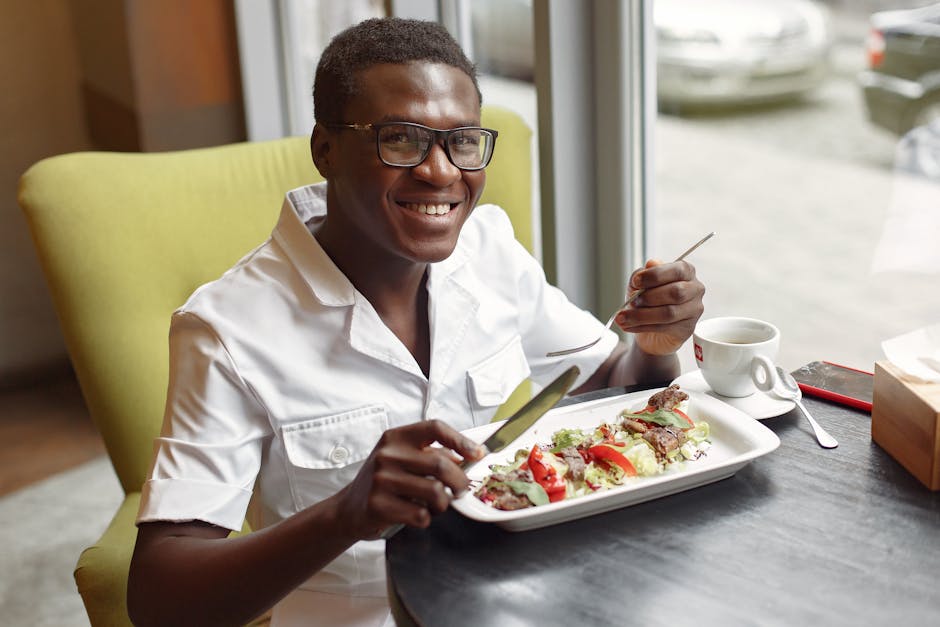
Pay attention to portion sizes. In many countries, servings are smaller than in the U.S., which can help prevent overeating. If portions are large, consider sharing a dish with a travel companion.
Stay Hydrated and Mindful of Alcohol
Travel, especially in hot climates or at high altitudes, increases your risk of dehydration. Drink water regularly throughout the day, even if you don’t feel thirsty. Carry a reusable water bottle and refill it with filtered or bottled water when possible.
Alcohol can dehydrate you further and impair judgment about food choices. If you drink, do so in moderation and always with food. Opt for lower-sugar options like wine or light beer over sugary cocktails.
Watch for Hidden Sugars and Fats
Many international dishes contain hidden sugars or excessive fats. Sauces, dressings, and marinades can be high in sodium, sugar, or unhealthy oils. Ask for dressings and sauces on the side so you can control how much you consume.
In some countries, even seemingly healthy dishes like salads may come with heavy cream-based dressings or fried toppings. Don’t hesitate to request modifications—most restaurants are accommodating, especially if you explain your preference politely.
Make Smart Choices at Hotels and Buffets
Hotel breakfast buffets can be tempting but often feature processed foods like pastries, sugary cereals, and fried items. Instead, load up on fresh fruit, yogurt, eggs, and whole-grain breads.
If your hotel offers a continental breakfast, check for healthier options like oatmeal, nuts, or fresh juice. Avoid the “all-you-can-eat” mindset—focus on quality over quantity.
Ask About Ingredients
Don’t be afraid to ask servers about how dishes are prepared. Inquire whether food is fried, grilled, or steamed, and whether ingredients like butter, oil, or salt are used heavily.
In many cultures, chefs are proud of their cooking methods and will gladly explain their dishes. A simple “How is this cooked?” can open a conversation and help you make better choices.
Pack Smart Snacks for Long Journeys
Long flights, train rides, or bus tours often mean limited food options. Airline meals can be high in sodium and low in nutrients, while airport food tends to be expensive and unhealthy.
Pack portable, non-perishable snacks like trail mix, whole-grain crackers, apple slices, or individual nut butter packets. These keep your energy stable and prevent impulsive, unhealthy purchases.
Choose Snacks with Protein and Fiber
Opt for snacks that combine protein and fiber to keep you full longer. Examples include Greek yogurt cups (if refrigeration is available), hummus with veggie sticks, or a hard-boiled egg.
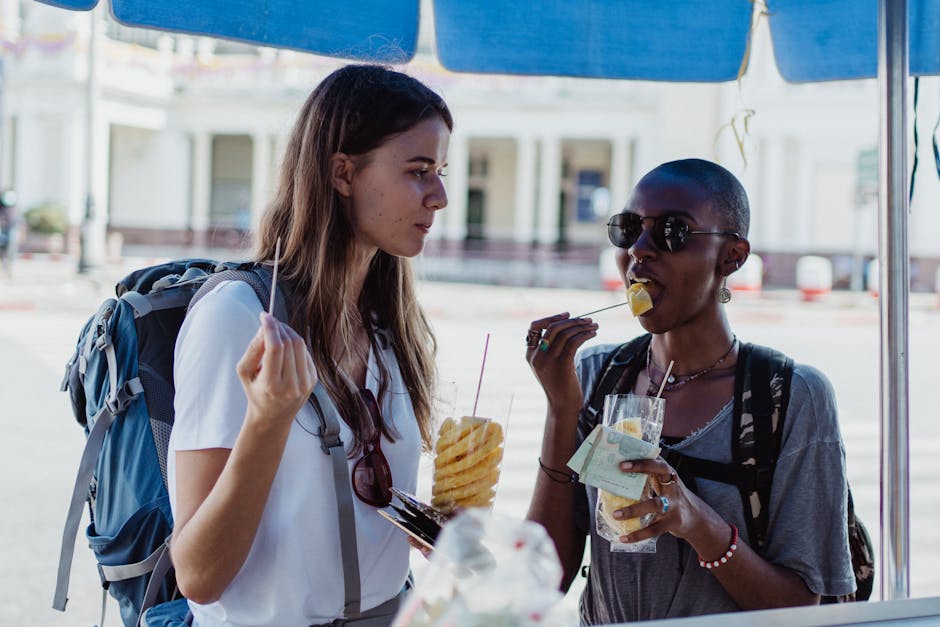
Avoid sugary snacks like candy or soda, which can lead to energy crashes. Instead, choose options that sustain you until your next proper meal.
Listen to Your Body
Travel can disrupt your normal eating schedule. You might eat later than usual, skip meals, or overeat due to excitement or fatigue. Pay attention to hunger and fullness cues.
If you’re not hungry, don’t force a meal just because it’s “dinnertime.” Conversely, if you’re ravenous after a long day of sightseeing, choose a balanced meal rather than grabbing fast food.
Adjust to Local Meal Times
Meal times vary by country. In Spain, dinner may not start until 9 p.m., while in Japan, lunch is often eaten earlier. Try to adapt to local rhythms to avoid digestive discomfort and align with restaurant hours.
Eating with the local schedule also enhances your cultural experience. You’ll have more opportunities to try popular dishes when they’re freshly prepared and widely available.
Stay Active to Support Digestion
Regular physical activity aids digestion and helps regulate appetite. Even light walking after meals can improve circulation and reduce bloating.
Explore cities on foot or rent a bike to combine sightseeing with exercise. Many destinations offer walking tours, hiking trails, or public parks—perfect for staying active while enjoying the scenery.
Stretch and Move Daily
Long periods of sitting—on planes, in cars, or at museums—can slow digestion. Take short breaks to stretch, walk around, or do light exercises in your hotel room.
Simple movements like ankle circles, shoulder rolls, or seated twists can improve circulation and reduce stiffness, especially after long flights.
Manage Stress and Sleep for Better Eating Habits
Travel stress and jet lag can affect your appetite and food choices. Lack of sleep may increase cravings for high-calorie, sugary foods.
Prioritize rest by maintaining a consistent sleep schedule as much as possible. Use eye masks, earplugs, or white noise apps to improve sleep quality in unfamiliar environments.
Practice Mindful Eating
Slow down and savor your meals. Eating mindfully helps you enjoy food more and recognize when you’re full. Put away phones and cameras during meals to focus on taste, texture, and company.
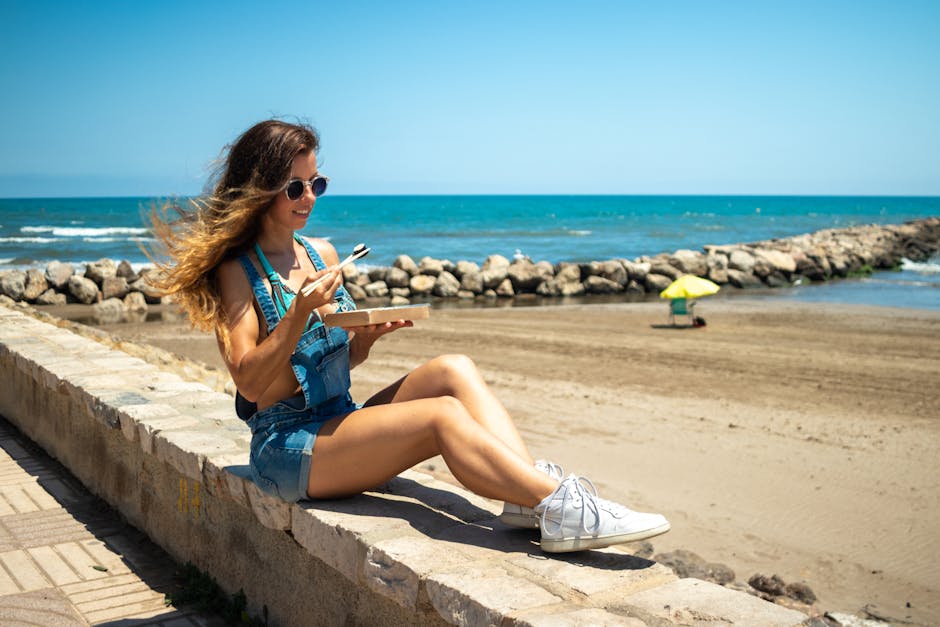
Mindful eating also reduces the likelihood of overeating or making impulsive food decisions driven by distraction or fatigue.
Know When to Seek Medical Help
Even with precautions, digestive issues can occur. Mild stomach upset is common, but persistent diarrhea, vomiting, or fever may indicate food poisoning or infection.
Carry a basic travel health kit with oral rehydration salts, antidiarrheal medication, and pain relievers. If symptoms last more than 48 hours or worsen, seek medical attention.
Know the location of nearby clinics or pharmacies at your destination. Many travel insurance plans include emergency medical support—keep contact information handy.
Sample Day of Eating Well Abroad
Imagine a day in Tokyo. Start with a light breakfast of miso soup, rice, and grilled fish at your hotel. Mid-morning, snack on a banana or a small onigiri from a convenience store.
Lunch could be a bowl of soba noodles with vegetables and tofu from a local eatery. In the afternoon, enjoy a green tea and a small mochi as a treat.
Dinner might feature sashimi, steamed vegetables, and a small portion of tempura—eaten in moderation. End the day with a walk through a park to aid digestion.
Final Thoughts
Eating well while traveling abroad is about balance, awareness, and flexibility. You don’t need to eat perfectly every day—just make thoughtful choices most of the time.
By planning ahead, prioritizing safety, and embracing local flavors mindfully, you can enjoy delicious food without compromising your health. These travel tips for eating well while traveling abroad will help you feel your best, so you can focus on what really matters: the experience.
FAQ
How can I avoid getting sick from food while traveling?
Stick to freshly cooked, hot meals and avoid raw or undercooked items. Drink only bottled or purified water, and avoid ice unless you’re sure of its source. Wash hands frequently and use hand sanitizer when soap isn’t available.
Is it safe to eat street food abroad?
Yes, street food can be safe and delicious if prepared in front of you and served hot. Look for busy stalls with high turnover, as this indicates fresh ingredients. Avoid pre-cut fruits or dishes that have been sitting out.
What should I do if I have dietary restrictions while traveling?
Learn key phrases in the local language to explain your needs. Use translation apps if necessary, and research restaurants in advance. Carry snacks as backup, and don’t hesitate to ask servers about ingredients or preparation methods.