
Travel Tips for Exploring Cities Like a Local
Exploring a city like a local means moving beyond tourist hotspots and embracing everyday rhythms, hidden corners, and authentic experiences. Instead of following crowded itineraries, you blend in, observe, and participate in local life. This approach leads to richer memories, better value, and deeper cultural understanding. Whether you’re visiting Tokyo, Lisbon, or Mexico City, these travel tips will help you navigate urban environments with confidence and curiosity—just like someone who calls the place home.
Start with Research—But Go Beyond the Guidebooks
Before you arrive, gather basic information about your destination. Look up neighborhoods, public transit options, and local customs. But don’t stop at the usual attractions listed in travel guides. Seek out blogs, Reddit threads, or local news sites to discover what residents actually care about.
For example, in Barcelona, tourists flock to La Rambla, but locals often prefer the quieter streets of Gràcia or the beachfront promenade in Barceloneta. Knowing where people actually live, work, and relax helps you avoid overpriced tourist traps.
Use Local Blogs and Social Media
Search for city-specific hashtags on Instagram or follow local food bloggers. A post about a weekly farmers’ market in Berlin’s Mitte district might lead you to fresh produce, street food, and live music—far from the usual Brandenburg Gate selfies.
Platforms like Meetup or Eventbrite also list community events, from language exchanges to neighborhood cleanups. Attending one can open doors to real conversations and unexpected friendships.
Master Public Transportation
One of the quickest ways to feel like a local is to use public transit. Taxis and ride-shares are convenient, but they isolate you from the city’s pulse. Buses, trams, and subways connect you to daily life—commuters reading newspapers, students chatting, workers heading home.
In cities like Tokyo or Seoul, the subway system is efficient, clean, and extensive. Buy a rechargeable transit card (like Suica or T-money) to move seamlessly between lines. In European cities such as Paris or Amsterdam, multi-day passes offer unlimited travel and often include discounts on museums and attractions.
Learn the Basics of the Transit System
Study the map before you go. Identify key transfer stations and understand fare zones. In London, for instance, traveling outside Zone 1 can save money and lead you to vibrant areas like Hackney or Brixton.
Download offline maps and transit apps like Citymapper or Google Transit. They provide real-time updates, route suggestions, and walking directions—essential when signals drop or schedules change.
Eat Where the Locals Eat
Food is a gateway to culture. Skip the restaurants with English menus and photos of dishes out front. Instead, look for places filled with locals, especially during lunch hours.
In Bangkok, street food stalls near office buildings serve quick, delicious meals to workers. In Rome, trattorias tucked into residential alleys offer homemade pasta without the tourist markup. A good rule: if the menu is only in one language and there are no prices listed, you’re likely in the right spot.
Try Regional Specialties
Every city has its signature dishes. In Lisbon, order a bifana (pork sandwich) at a corner café. In Osaka, sample takoyaki (octopus balls) from a street vendor. These small meals are often cheap, fast, and deeply satisfying.
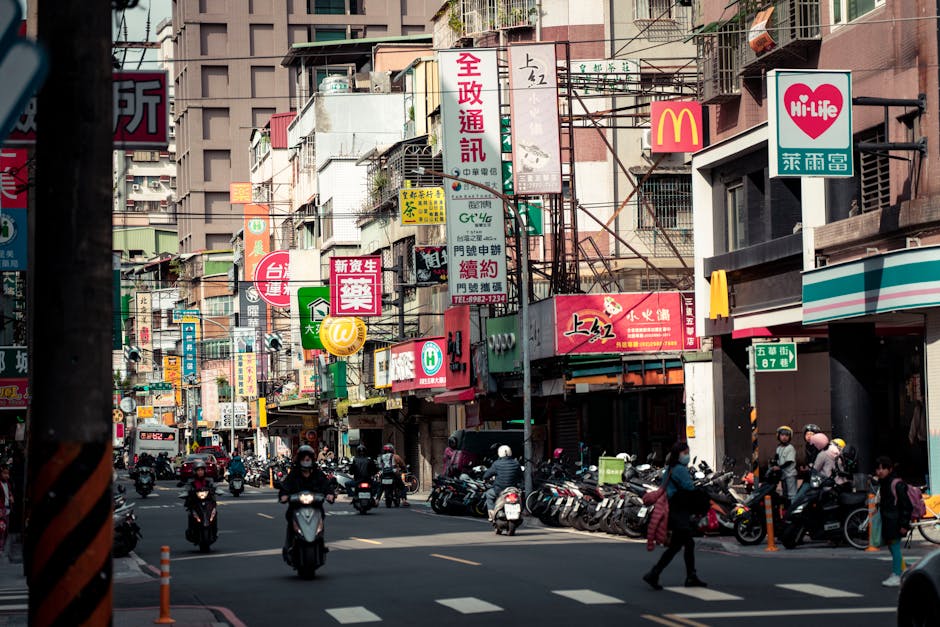
Don’t be afraid to point and smile if you don’t speak the language. Most vendors appreciate the effort and will guide you through the options.
Walk—and Get a Little Lost
Walking is the best way to discover a city’s character. Public transit gets you from point A to B, but wandering reveals hidden courtyards, independent bookshops, and murals that tell local stories.
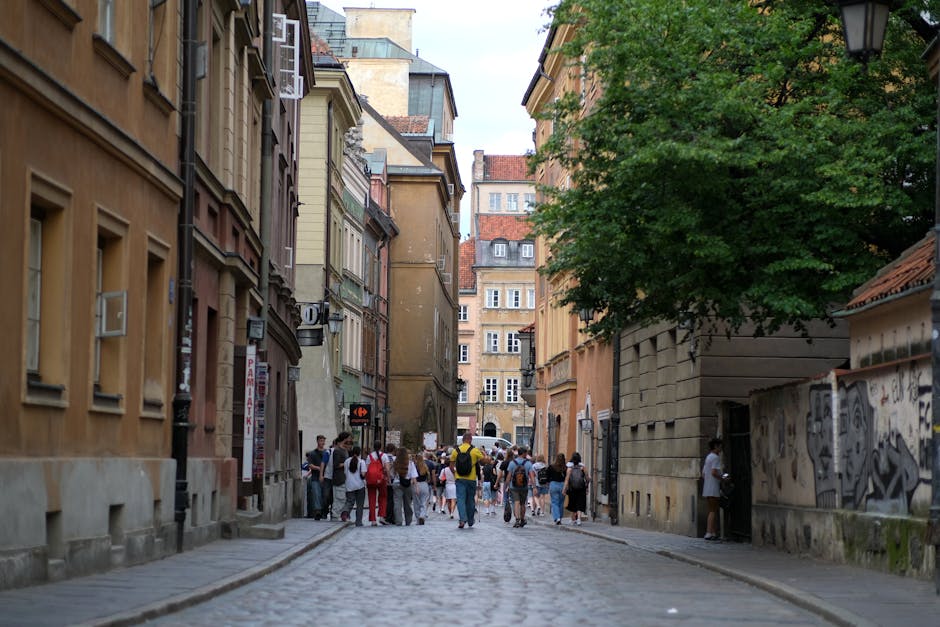
Set a general direction, but allow room for detours. In Prague, a wrong turn might lead you to a quiet garden behind a church. In Buenos Aires, a stroll through Palermo might introduce you to tango dancers practicing in a plaza.
Use Landmarks, Not Just Maps
Instead of staring at your phone, use buildings, parks, or rivers as reference points. In Amsterdam, the canals form a natural grid—knowing whether you’re near the Singel or the Amstel helps orient you without GPS.
Carry a small paper map as backup. It encourages observation and reduces screen time, letting you engage more with your surroundings.
Learn a Few Key Phrases
You don’t need to be fluent, but knowing basic greetings, thank-yous, and questions goes a long way. In Paris, saying “Bonjour” before asking for help signals respect. In Tokyo, a simple “Arigatou gozaimasu” can earn a smile from a shopkeeper.
Use language apps like Duolingo or Memrise before your trip. Even 10 minutes a day builds confidence. Carry a phrasebook or use Google Translate’s offline mode for quick reference.
Ask for Recommendations
Once you’ve mastered a few phrases, ask locals for advice. “Where do you go for coffee?” or “What’s your favorite park?” often leads to personal suggestions you won’t find online.
Hotel staff, bartenders, and shopkeepers are great sources. They know their neighborhoods intimately and usually enjoy sharing hidden gems.
Respect Local Customs and Etiquette
Every city has unwritten rules. In some places, loud conversations on public transport are frowned upon. In others, dressing modestly is expected, even in casual settings.
In Kyoto, it’s polite to bow slightly when entering a traditional shop. In Istanbul, removing your shoes before entering a home or mosque shows respect. Observing how people behave—queueing, greeting, dining—helps you blend in.
Dress Appropriately
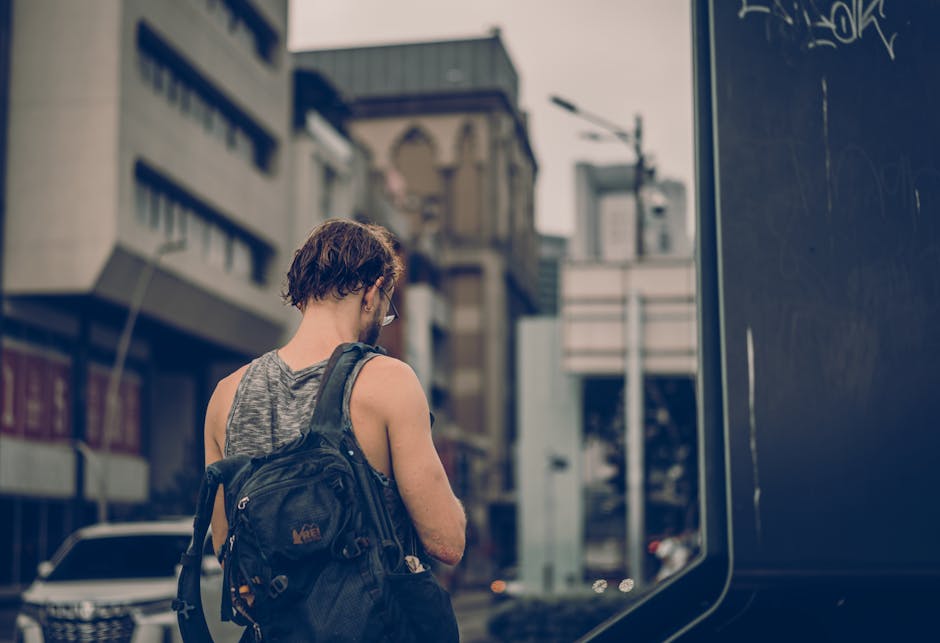
Tourists often stand out because of their clothing. Avoid loud logos, beachwear in non-beach areas, or overly casual outfits in formal neighborhoods.
In cities like Vienna or Zurich, people tend to dress neatly even on weekends. In warmer climates like Marrakech, lightweight but modest clothing is both comfortable and respectful.
Shop at Local Markets
Markets offer more than souvenirs—they’re hubs of daily life. Visit a food market in the morning for fresh produce, baked goods, and regional specialties. In Mexico City, the Mercado de la Merced buzzes with vendors selling tamales, spices, and handmade crafts.
Even if you’re not buying, walking through a market gives you a sense of local flavors and rhythms. Strike up a conversation with a vendor—many are happy to explain their products or recommend nearby eateries.
Bargain When Appropriate
In some cultures, haggling is expected. In Marrakech’s souks, prices are often inflated for tourists. A polite back-and-forth can lead to a fair deal and a shared laugh.
In other places, like Japan or Germany, fixed pricing is the norm. Pushing for a discount can seem rude. Observe how others interact and follow their lead.
Stay in Residential Neighborhoods
Hotels in tourist zones are convenient but often lack character. Consider staying in a residential area through platforms like Airbnb or local guesthouses.
In Lisbon, neighborhoods like Alfama or Príncipe Real offer charming apartments near local cafés and viewpoints. In New York, Brooklyn’s Williamsburg or Queens’ Astoria provide a more authentic slice of city life than Midtown.
Use Public Spaces Like a Local
Parks, libraries, and community centers are great places to observe daily life. In Copenhagen, people gather in Fælledparken for picnics and football matches. In Melbourne, the State Library of Victoria is a popular spot for students and remote workers.
Bring a book, sit on a bench, and people-watch. You’ll notice patterns—where people walk their dogs, how they greet each other, what they eat for lunch.
Time Your Visits Wisely
Popular attractions are often crowded during peak hours. Visit museums early in the morning or later in the afternoon. In Rome, the Colosseum is quieter right at opening or after 4 p.m.
Weekdays are generally less busy than weekends. If you’re flexible, plan major sightseeing for Tuesday through Thursday.
Avoid Tourist Rush Hours
In cities with strong commuter cultures, like Tokyo or London, avoid public transit between 8–9 a.m. and 5–7 p.m. Trains are packed, and delays are common.
Use these times to relax at your accommodation, explore a quiet neighborhood, or enjoy a long lunch at a local café.
Be Mindful of Your Impact
Traveling like a local also means being a responsible visitor. Don’t litter, speak loudly in quiet zones, or take photos without permission.
Support small businesses instead of international chains. Buy from family-run shops, eat at independent restaurants, and use local guides when available.
Leave No Trace
Whether you’re hiking in a city park or visiting a historic site, take only photos and leave only footprints. Respect barriers, don’t touch artifacts, and follow posted rules.
In places like Dubrovnik or Santorini, overtourism has strained local resources. Traveling thoughtfully helps preserve these destinations for future visitors and residents alike.
Embrace the Unexpected
Some of the best travel moments happen off-script. A sudden rainstorm might lead you to a cozy bookstore. A missed train could introduce you to a charming village you’d never planned to visit.
Stay open to changes in plans. Locals don’t stick to rigid schedules—they adapt, improvise, and enjoy the moment. Letting go of perfection allows for genuine discovery.
Keep a Flexible Itinerary
List a few must-see spots, but leave room for spontaneity. If a café looks inviting, stop in. If a street festival is happening, join in. These unplanned experiences often become the highlights of your trip.
Use a notebook or voice memo to jot down impressions. Later, you’ll appreciate the details—the smell of fresh bread, the sound of a street musician, the kindness of a stranger.
FAQ
How can I find authentic local experiences without speaking the language?
Focus on observation and simple gestures. Use translation apps for key phrases, and look for visual cues—like busy local cafés or community bulletin boards. Many experiences, like walking through a market or riding public transit, don’t require conversation.
Is it safe to explore cities alone using these tips?
Yes, as long as you stay aware of your surroundings. Stick to well-lit, populated areas, especially at night. Share your plans with someone you trust, and keep emergency contacts handy. Most cities are safe for solo travelers who use common sense.
What if I make a cultural mistake while trying to blend in?
Locals usually appreciate the effort, even if you get something wrong. Apologize politely if needed, and learn from the experience. Most people are forgiving when they see you’re trying to respect their culture.