
Travel Tips for Finding Great Local Food Anywhere
Finding great local food while traveling is one of the most rewarding parts of exploring a new place. Instead of settling for tourist traps or chain restaurants, you can discover authentic flavors that reflect the culture and traditions of your destination. This guide shares practical, field-tested travel tips for finding delicious local food anywhere—whether you’re in a bustling city, a quiet village, or a remote countryside. You’ll learn how to spot quality eateries, connect with locals, and make smart choices that lead to memorable meals.
Why Local Food Matters When Traveling
Local food offers more than just a meal—it’s a window into a region’s history, climate, and way of life. Dishes are often shaped by geography, seasonal ingredients, and generations of family recipes. Eating like a local helps you experience a place more deeply than any guidebook can.
Beyond cultural insight, local food is often fresher, more affordable, and more sustainable. Street vendors, family-run trattorias, and neighborhood markets typically use regional produce and traditional cooking methods. These meals are made with care and pride, not mass-produced for tourists.
Choosing local also supports small businesses and contributes to the local economy. A single meal at a family-owned restaurant can have a ripple effect, helping preserve culinary heritage and community identity.
How to Spot Authentic Local Eateries
The best local food often comes from places that don’t look like much. Avoid restaurants with flashy signs, multilingual menus, or staff standing outside inviting passersby. These are often designed to attract tourists, not serve quality food.
Look for places filled with locals. If a restaurant is busy with residents—especially during off-peak hours—it’s a strong sign the food is good. Watch where people go after work or on weekends. A packed lunch counter or a line at a street stall usually means something special is cooking.
Signs of a Quality Local Spot
- Menu in the local language only: If there’s no English menu, it’s likely a place that prioritizes locals over tourists.
- Limited seating or standing room only: Small spaces often mean high turnover and fresh ingredients.
- Cash-only payments: Many authentic eateries avoid card fees and digital systems.
- Daily specials based on what’s fresh: Chefs who adapt to seasonal availability are usually committed to quality.
For example, in Oaxaca, Mexico, the best mole comes from unmarked kitchens where abuelas cook for neighbors. In Tokyo, some of the finest ramen is served in tiny shops with no English signage and a 30-minute wait. These places thrive on reputation, not marketing.
Use Local Knowledge to Your Advantage
Locals are your best resource for finding great food. Strike up conversations with taxi drivers, hotel staff, shopkeepers, or fellow diners. Ask simple questions like, “Where do you eat when you’re hungry?” or “What’s your favorite dish here?”
Be specific. Instead of asking for “good restaurants,” ask about a particular type of food—like “Where can I find the best pho?” or “Which bakery makes the freshest bread?” People are more likely to give detailed, personal recommendations when the question is focused.
Talk to Market Vendors
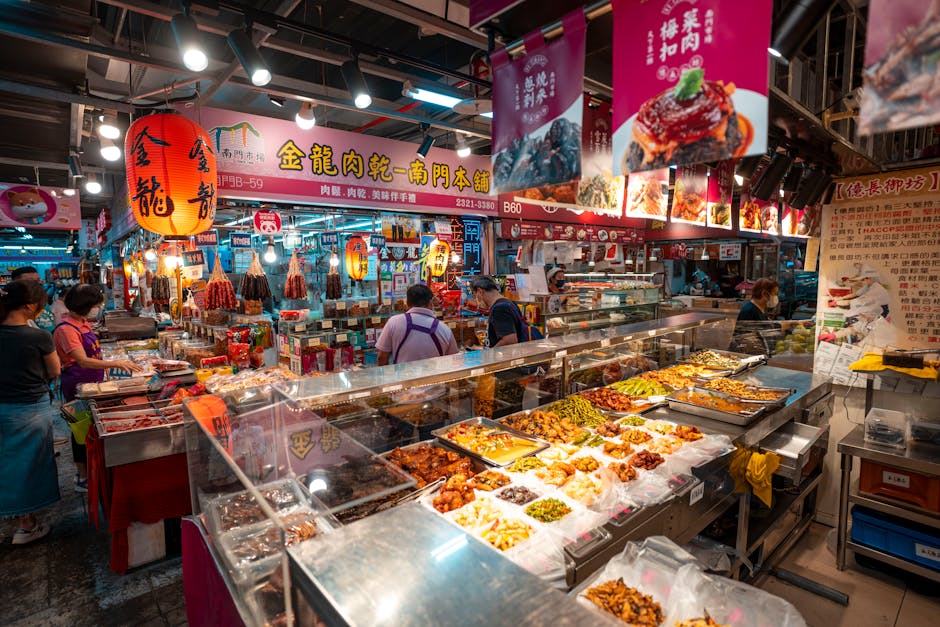
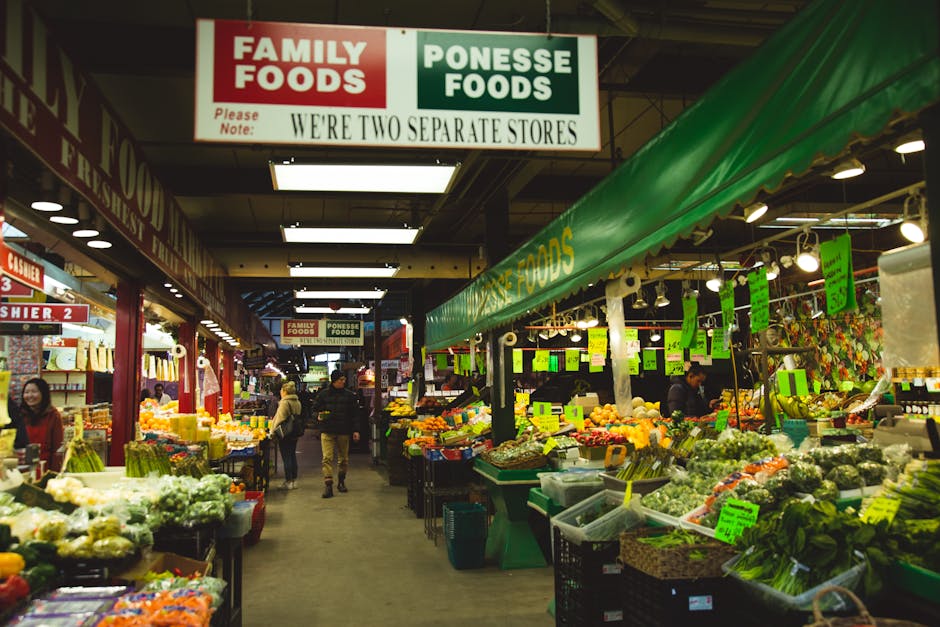
Visit local markets early in the morning when vendors are setting up. They often know which nearby stalls serve the best breakfast or lunch. In Bangkok’s Chatuchak Market, for instance, vendors point visitors to hidden noodle stalls that aren’t on any map.
Try sampling small bites from different vendors. Markets are low-risk places to experiment with new flavors. If a vendor offers you a taste, it’s usually a good sign they’re confident in their product.
Ask Your Accommodation Hosts
Hotel concierges, Airbnb hosts, and guesthouse owners often have insider knowledge. They’ve lived in the area and know which places are worth recommending. A simple, “Where should I go for a real local experience?” can lead to a memorable meal.
Be cautious with overly enthusiastic recommendations. Some staff may be incentivized to send guests to certain restaurants. If a suggestion feels too polished or comes with a brochure, it might be a paid partnership.
Leverage Technology Wisely
Apps and websites can help, but they’re not foolproof. Popular platforms like Google Maps, Yelp, and TripAdvisor are useful for identifying busy spots, but they can be skewed by tourists or fake reviews.
Use filters to sort by “local” or “frequently visited by residents.” On Google Maps, look for reviews written in the local language—these are more likely to come from people who live in the area.
Try Niche Food Apps
Some apps cater specifically to local food culture. In Japan, Tabelog is a trusted platform where residents rate restaurants. In France, Le Fooding highlights authentic, non-touristy eateries. These tools prioritize quality over popularity.
Social media can also be helpful. Search Instagram or TikTok for hashtags like #localfood or #[CityName]Eats. Look for posts from locals or food bloggers who focus on regional cuisine. A photo of a steaming bowl of laksa in Penang with a caption in Malay is more telling than a glossy ad.
Be wary of viral food spots. A dish that’s trending online may be overhyped or altered for mass appeal. Sometimes the best meals are found in quiet alleys, not on your feed.
Explore Neighborhoods Beyond Tourist Zones
Tourist areas are convenient but often overpriced and inauthentic. Venture a few blocks away from major attractions to find where locals actually live and eat. Residential neighborhoods, market districts, and industrial zones often hide culinary gems.
In Barcelona, skip La Rambla and head to Gràcia for family-run tapas bars. In New Orleans, leave the French Quarter and explore the Bywater for Creole soul food. In Istanbul, cross the Bosphorus to Kadıköy for fresh seafood and meze.
Walk with Purpose
Take a food-focused walking tour or simply wander with your eyes open. Look for smoke rising from grills, the smell of spices in the air, or clusters of people around a food cart. These sensory clues often lead to the best discoveries.
Visit during local meal times. In Spain, dinner starts around 9 p.m., so arriving at 7 p.m. might mean empty restaurants. In Vietnam, breakfast is king—pho stalls are busiest at dawn. Timing your meals with local rhythms increases your chances of finding authentic options.
Embrace Street Food Safely
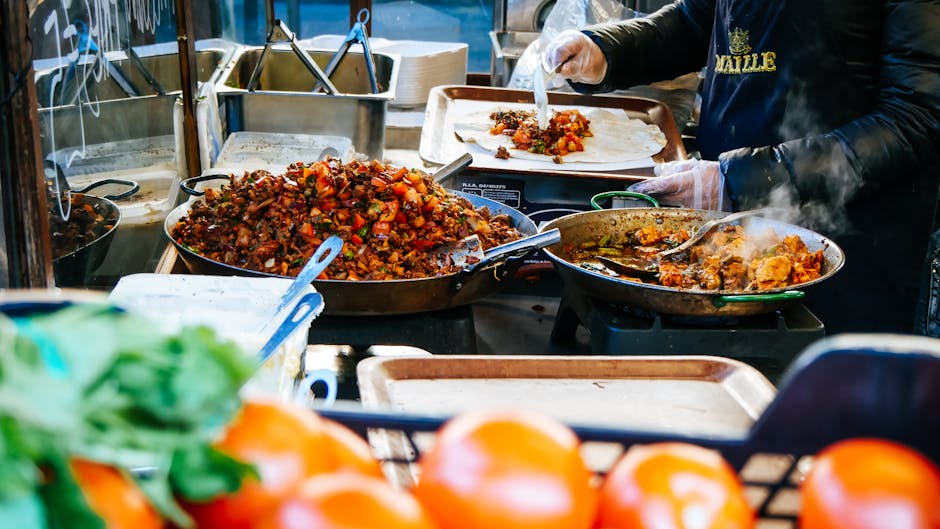
Street food is a cornerstone of local cuisine in many countries. From tacos in Mexico City to banh mi in Ho Chi Minh City, these quick, affordable meals are beloved by locals and travelers alike. But safety is a valid concern.
Choose stalls with high turnover. If food is being cooked to order and served immediately, the risk of contamination is low. Avoid pre-cooked items that sit out for hours.
Hygiene Indicators to Watch For
- Clean cooking surfaces: Look for grills wiped down between orders.
- Handwashing stations: Vendors who rinse hands or utensils frequently are more likely to follow hygiene practices.
- Fresh ingredients: Vegetables should look crisp, meat should be stored properly, and oils shouldn’t be reused excessively.
- Bottled or filtered water: Avoid drinks with ice unless you’re sure the water is safe.
In countries like Thailand or India, street food is generally safe if you observe these signs. When in doubt, ask your host or a local guide for advice. Many travelers enjoy street food without issues by using common sense.
Learn a Few Key Phrases
Even basic language skills can open doors. Learning how to say “What do you recommend?” or “Is this spicy?” in the local language shows respect and helps you communicate your preferences.
Use translation apps like Google Translate to read menus or ask questions. Pointing to dishes on a menu or showing a photo can also bridge the language gap. In rural areas where English is rare, these tools are invaluable.
Don’t be afraid to gesture or smile. Food is a universal language. A shared laugh over a misunderstood order can turn into a friendly conversation and a better dining experience.
Be Adventurous—But Know Your Limits
Trying new foods is part of the fun, but listen to your body. If you have food allergies or sensitivities, research local ingredients in advance. In Southeast Asia, peanuts are common; in Japan, seafood and soy are staples.
Start with familiar preparations of unfamiliar ingredients. If you’ve never had durian, try it in a dessert first. If raw fish makes you nervous, order grilled or fried versions.
Hydration and rest matter too. Spicy or rich foods can be harder to digest in hot climates. Drink plenty of water and take breaks between meals.
Support Sustainable and Ethical Eating
Great local food also means eating responsibly. Choose restaurants that source ingredients locally and treat workers fairly. Avoid places that exploit cultural traditions or contribute to over-tourism.
In places like Bali or Marrakech, some “local” experiences are staged for tourists. Look for community-based initiatives that empower local cooks and preserve traditional methods.
Carry a reusable water bottle and utensils to reduce waste. Many cities now have refill stations, and some restaurants offer discounts for bringing your own container.
Document and Share Responsibly
Sharing your food discoveries can inspire others, but do it thoughtfully. Tag locations accurately and avoid overcrowding small spots. A viral post can overwhelm a family-run eatery that isn’t equipped for crowds.
Credit local chefs and vendors when possible. Instead of just posting a photo, write a short note about what made the meal special. This adds value and shows respect.
Consider leaving a positive review in the local language if you’re comfortable. It helps the restaurant reach more residents and strengthens the local food scene.
Final Tips for Food-Focused Travelers
Keep an open mind and a flexible schedule. The best meals often happen by accident—a wrong turn, a sudden rainstorm, or a recommendation from a stranger.
Pack light snacks for long travel days, but save room for local treats. A full stomach can make you miss out on a spontaneous food cart or market stall.
Take notes or photos of dishes you love. It helps you remember what to try next time—or how to recreate it at home.
Above all, enjoy the process. Finding great local food isn’t about perfection. It’s about curiosity, connection, and the joy of discovery.
FAQ
How can I avoid getting sick from local food while traveling?
Choose busy stalls with high turnover, eat food served hot, and avoid raw or undercooked items if you’re unsure. Drink bottled or filtered water and wash hands frequently. If you have sensitivities, research local ingredients beforehand.
Is it safe to eat street food in developing countries?
Yes, in most cases. Street food is a daily staple for millions and is generally safe when hygiene practices are observed. Look for clean cooking areas, fresh ingredients, and vendors who handle food properly. Trust your instincts and ask locals for their favorites.
What if I can’t read the menu or speak the language?
Use translation apps, point to photos or dishes, or ask for recommendations with simple phrases. Many restaurants have picture menus or staff who can help. Smiling and gesturing go a long way in bridging communication gaps.