
Travel Tips for Organizing a Perfect Packing List
Planning a trip starts long before you arrive at the airport—it begins with packing smart. A well-organized packing list prevents overpacking, reduces stress, and ensures you don’t forget essentials. Whether you’re heading to a tropical beach, a business conference, or a mountain cabin, knowing how to curate the right items makes all the difference. This guide walks you through proven travel tips for organizing a perfect packing list, tailored to different trip types, durations, and destinations.
Start with a Master Checklist Template
Every great packing list begins with a solid foundation. Use a digital or printed checklist that you can customize per trip. Start broad: clothing, toiletries, electronics, documents, and miscellaneous.
Digital tools like Google Docs, Notion, or dedicated travel apps allow you to save and reuse templates. You can duplicate last year’s Europe trip list and tweak it for a new destination. This saves time and reduces the chance of forgetting something important.
Print a copy or keep it on your phone for easy reference while packing. Cross off items as you place them in your bag to avoid last-minute panic.
Tailor Your List to Your Destination and Activities
Consider Climate and Weather
Check the forecast for your destination a few days before departure. A week in Iceland requires thermal layers, waterproof boots, and a heavy coat. The same duration in Thailand calls for breathable fabrics, sandals, and sun protection.
Pack versatile clothing that can be layered. A lightweight rain jacket works in London and Seattle. A scarf doubles as warmth in cold climates or modesty in religious sites.
Match Outfits to Planned Activities
Business travelers need suits, dress shoes, and presentation materials. Backpackers prioritize lightweight sleeping bags and quick-dry clothing. Families with kids should include swimwear, snacks, and entertainment.
If you’re hiking, include moisture-wicking base layers, trekking poles, and a first-aid kit. For city breaks, pack comfortable walking shoes and a compact daypack. Always research local customs—some countries expect modest dress in public areas.
Use the “One Bag” Rule to Avoid Overpacking
Limit yourself to one carry-on suitcase and a personal item. This forces you to prioritize and prevents checked baggage fees and lost luggage risks.
Try the “wear your bulkiest items” strategy. Board the plane in your sneakers, jacket, and jeans instead of packing them. This frees up space and reduces weight.
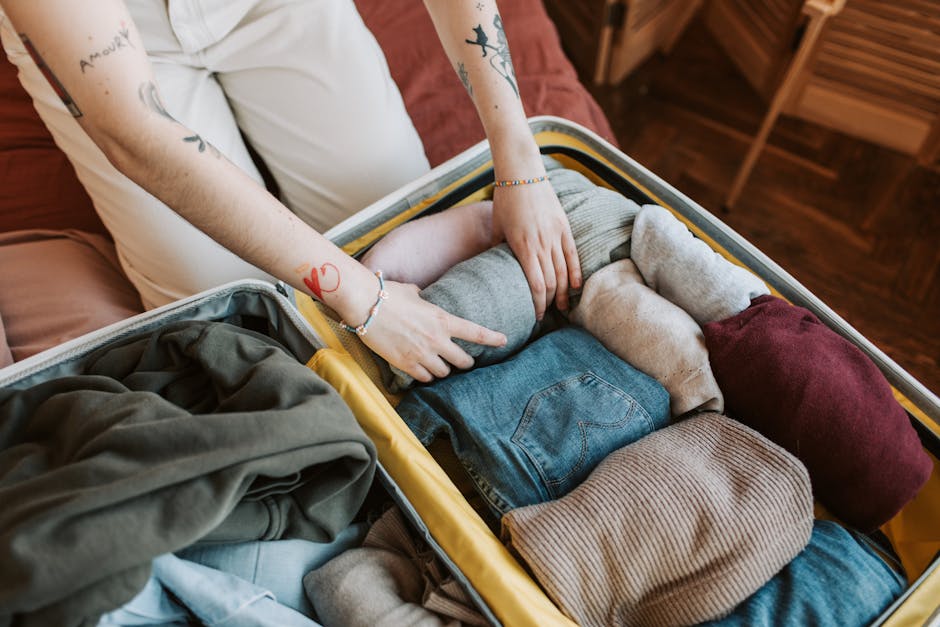
Roll clothes instead of folding to maximize space and minimize wrinkles. Use packing cubes to separate categories—underwear in one, shirts in another. This keeps your bag organized and makes finding items easier.
Pack Toiletries Smartly
Follow TSA Liquid Rules
In the U.S., the Transportation Security Administration allows liquids in containers of 3.4 ounces (100ml) or less, all fitting in a single quart-sized clear bag. This applies to shampoo, toothpaste, and moisturizer.
Buy travel-sized versions or transfer products into reusable silicone bottles. Brands like GoToobs or Matador offer leak-proof containers designed for air travel.
Include Essentials, Not Extras
Stick to a minimalist toiletry kit: toothbrush, toothpaste, deodorant, razor, and any prescription medications. Many hotels provide shampoo and soap, so you may not need to bring your own.
Pack a small first-aid kit with band-aids, pain relievers, and any personal medications. Include hand sanitizer and disinfectant wipes—especially useful in airports and public transport.
Don’t Forget Travel Documents and Electronics
Secure Important Papers
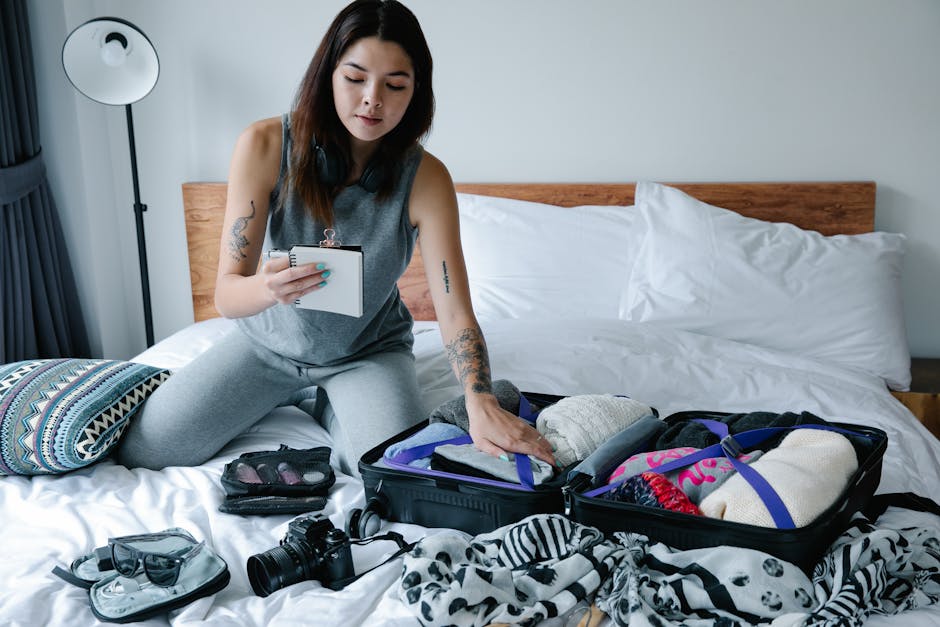
Keep passports, boarding passes, visas, and travel insurance in a dedicated document organizer or RFID-blocking wallet. Make digital copies and store them in cloud storage or email them to yourself.
If traveling internationally, check visa requirements and vaccination rules. Some countries require proof of yellow fever vaccination for entry.
Charge and Protect Your Devices
Bring chargers for your phone, camera, and laptop. A portable power bank ensures you stay connected during long layovers or remote excursions.
Use a universal adapter if traveling abroad. Europe uses Type C or F plugs, while the UK uses Type G. Research plug types before you go.
Consider a lightweight laptop sleeve or tablet case for protection. If you’re working remotely, test your hotspot or local SIM card options in advance.
Pack for Kids and Special Needs
Traveling with Children
Pack extra clothes, diapers, wipes, and favorite toys. Bring snacks to avoid hunger meltdowns. A tablet loaded with movies or games can be a lifesaver on long flights.
Use a stroller or baby carrier if appropriate. Some airlines allow strollers to be checked at the gate. Check airline policies for car seat allowances.
Special Medical or Dietary Needs
If you have allergies, bring safe snacks and a doctor’s note if carrying injectable medications like EpiPens. Notify airlines in advance if you need special meals.
Travelers with mobility concerns should research airport assistance services and hotel accessibility. Pack any necessary medical devices and extra batteries.
Use Packing Strategies for Different Trip Lengths
Weekend Trips
Pack light: two outfits, one pair of shoes, and minimal toiletries. Use a small backpack or duffel. Choose versatile pieces that can be mixed and matched.
Leave room for souvenirs. You don’t want to buy a new bag on the last day.
One-Week Getaways
Plan for five to six outfits, rotating one or two. Bring one formal outfit if needed. Use packing cubes to stay organized.
Wash clothes mid-trip if staying in one place. Many hotels offer laundry service, or you can hand-wash basics in the sink.
Long-Term Travel
For trips over two weeks, pack for seven to ten days and plan to do laundry. Bring a portable clothesline and travel detergent.
Choose quick-dry fabrics and neutral colors. Limit shoes to two pairs—one for walking, one for dressier occasions.
Avoid Common Packing Mistakes
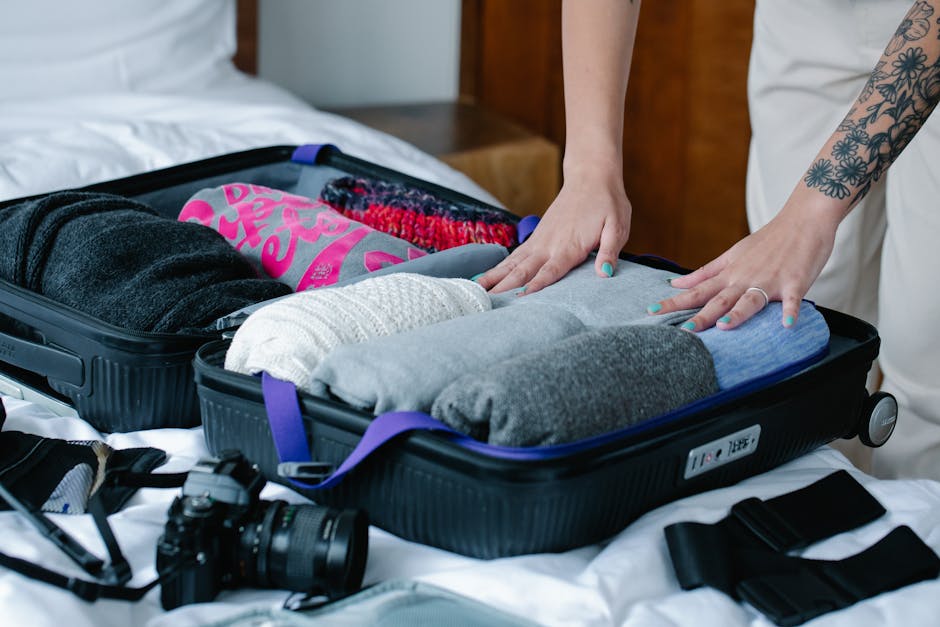
Overpacking “Just in Case” Items
Resist the urge to bring three pairs of jeans “just in case.” Most items can be purchased or borrowed at your destination. Pack only what you’ll realistically use.
Use the “one in, one out” rule: for every new item added, remove one. This keeps your bag manageable.
Forgetting to Check Baggage Policies
Airlines have different weight and size limits. Budget carriers often charge extra for checked bags. Check your airline’s website before packing.
Weigh your bag at home with a bathroom scale. If it’s over the limit, redistribute items or wear heavier clothing.
Ignoring Local Culture and Dress Codes
Research local norms. In Dubai, shoulders and knees should be covered in public. In Japan, remove shoes before entering homes or temples.
Pack a lightweight shawl or sarong—it can serve as a cover-up, blanket, or towel.
Final Packing Checklist: 10 Essentials to Double-Check
- Passport and travel documents
- Boarding passes and itinerary
- Phone and charger
- Wallet with cash and cards
- Medications and prescriptions
- Toiletries in TSA-compliant containers
- Weather-appropriate clothing
- Comfortable walking shoes
- Reusable water bottle
- Travel insurance information
Go through this list the night before departure. Lay out everything on your bed and check off each item. This simple step prevents last-minute scrambles.
Pro Tips from Frequent Travelers
Seasoned travelers swear by a few insider tricks. One is the “shoe bag” method: place dirty shoes in a shower cap or reusable bag to protect clothes.
Another is the “outfit planning” technique: lay out each day’s clothes the night before. This reduces decision fatigue and ensures coordination.
Use vacuum storage bags for bulky items like jackets or sweaters—just remember they may not be allowed in carry-ons due to air pressure changes.
Label your luggage with a bright tag or ribbon. It makes identification easier and deters theft.
How to Adjust Your List for Different Travel Styles
Backpacking and Adventure Travel
Prioritize lightweight, durable gear. A 40-50L backpack is ideal for multi-week trips. Include a water filter, headlamp, and compact sleeping bag.
Pack energy bars and instant meals if hiking in remote areas. Leave non-essentials behind.
Luxury and Business Travel
Focus on wrinkle-resistant fabrics and professional attire. Bring a garment bag if needed. Include a sleek laptop bag and noise-canceling headphones.
Book hotels with laundry service to reduce packing needs. Use a wheeled suitcase for easy mobility.
Family and Group Travel
Coordinate with others to avoid duplicates. One person brings the cooler, another the games. Share responsibilities for snacks and entertainment.
Pack a shared first-aid kit and emergency contacts list. Assign a “document keeper” to manage passports and tickets.
Seasonal Packing Considerations
Winter Travel
Layer wisely: thermal base, insulating mid-layer, and waterproof outer shell. Pack gloves, hat, and scarf. Waterproof boots are essential.
Bring hand warmers and lip balm. Cold weather dries skin quickly.
Summer Travel
Choose breathable fabrics like cotton and linen. Pack sunscreen, sunglasses, and a wide-brimmed hat. Stay hydrated with a refillable bottle.
Include insect repellent for tropical destinations. A portable fan or cooling towel can provide relief in heat.
Rainy Season or Humid Climates
Pack quick-dry clothing and a compact umbrella. Use waterproof bags for electronics and documents.
Include antifungal powder if prone to foot or skin issues in damp conditions.
Eco-Friendly Packing Tips
Reduce waste by using reusable containers and bags. Avoid single-use plastics. Bring a bamboo toothbrush and solid shampoo bars.
Choose luggage made from recycled materials. Support brands with sustainable practices.
Offset your carbon footprint through airline or third-party programs. Travel responsibly by respecting local environments.
When to Reassess and Update Your List
Review your packing list after every trip. Note what you used, what you didn’t, and what you wish you’d brought. Update your template accordingly.
Adjust for new destinations, travel companions, or changing needs. A solo trip requires different prep than a family vacation.
Keep a running notes section in your checklist app. Jot down ideas like “bring earplugs next time” or “need smaller toiletry bottles.”
FAQ
How many outfits should I pack for a 7-day trip?
Aim for five to six outfits, reusing one or two items. Plan for laundry or sink washing if staying in one location. Mix and match colors to maximize versatility.
Can I bring a power bank on a plane?
Yes, but it must be in your carry-on, not checked luggage. Power banks under 100Wh are generally allowed. Check your airline’s policy for specific limits.
What should I do if I forget something important?
Most essentials can be purchased at your destination. Pharmacies, convenience stores, and hotels often carry basics. Keep a list of nearby stores upon arrival.