
Travel Tips for Planning Better Weekend Getaways
Planning a weekend getaway doesn’t have to be stressful or expensive. Exploring weekend getaway planning reveals important insights. With smart preparation, you can maximize your time off and enjoy a refreshing break without the hassle. Whether you’re heading to a nearby city, a mountain retreat, or a coastal town, these travel tips for planning better weekend getaways will help you save time, money, and energy.
Start by defining your goal: relaxation, adventure, or exploration. Then, choose a destination within a 3–4 hour drive or a short flight. Pack light, book accommodations early, and leave room for spontaneity. A well-planned weekend trip can recharge your spirit and strengthen relationships—without requiring a full week off work.
Choose the Right Destination
The key to a successful weekend trip is picking a destination that fits your time frame and interests. Avoid places that require long layovers or multiple transfers unless absolutely necessary.
Look for locations within a 3-hour drive or a direct 90-minute flight. For example, if you’re in Chicago, consider Door County, Wisconsin, or Lake Geneva. From New York City, the Hudson Valley or the Poconos offer quick escapes.
Consider Proximity and Travel Time
Weekend trips thrive on efficiency. The less time spent traveling, the more time you have to enjoy.
Aim for destinations where travel time is no more than 25% of your total trip duration. For a 48-hour weekend, that means no more than 2 hours of transit each way.
Use tools like Google Maps to check real-time traffic and flight durations. Avoid peak travel times—Friday evenings and Sunday afternoons are often congested.
Match the Destination to Your Mood
Not all getaways serve the same purpose. Decide what you need most: quiet, activity, culture, or food.
If you’re burned out, a lakeside cabin with minimal Wi-Fi might be ideal. If you crave stimulation, a historic city with museums and cafes could be better.
For couples, romantic inns in Napa or Asheville offer ambiance. Families might prefer destinations with kid-friendly hikes or interactive museums, like Austin or Boulder.
Book Smart: Timing and Deals
Timing your bookings can make a big difference in cost and availability. Weekend accommodations fill up quickly, especially in popular areas.
Book lodging at least 3–4 weeks in advance. Last-minute deals exist but are risky for short trips where options dwindle fast.
Use Price Alerts and Flexible Dates
Set price alerts on Google Flights or Hopper for nearby airports. Sometimes flying into a smaller regional airport saves money and time.
If your schedule allows, consider leaving Thursday evening or returning Monday morning. Midweek travel often means lower prices and fewer crowds.
For example, a Friday–Sunday trip to Charleston might cost $300 per person in lodging, while a Thursday–Sunday stay could drop to $220.
Compare Accommodation Types
Hotels offer convenience, but vacation rentals or boutique inns can enhance the experience.
Airbnb or Vrbo listings often include kitchens, which help cut food costs. A studio in Portland’s Alberta Arts District might cost $120/night and include a full kitchen—cheaper than two restaurant meals.
Hostels aren’t just for backpackers. Many now offer private rooms with en suite bathrooms. In cities like Denver or Seattle, they’re clean, safe, and centrally located.
Pack Light and Smart
Overpacking slows you down and adds stress. Weekend trips are short—pack only what you truly need.
Stick to a carry-on suitcase or a medium backpack. This forces you to prioritize and makes transportation easier.

Create a Weekend Packing List
Use a checklist to avoid forgetting essentials. Include:
- 2–3 outfits (mix and match)
- Toiletries in travel-sized containers
- Phone charger and portable battery
- Reusable water bottle
- Light jacket or layers
- Comfortable walking shoes
Roll clothes instead of folding to save space. Use packing cubes to organize and compress items.
Leave Room for Souvenirs
Don’t fill your bag to the brim. Leave space for small purchases—local honey, handmade soap, or a vintage postcard.
If you buy bulky items, ship them home or carry them in a foldable tote. Many hotels offer shipping services for guests.
Plan Activities—But Stay Flexible
Having a rough itinerary helps you make the most of your time. But rigid schedules can kill spontaneity.
List 3–5 must-do activities, then rank them by priority. If you miss one, it’s not a disaster.
Research in Advance
Look up opening hours, ticket requirements, and reservation policies. Some attractions, like the National Museum of Natural History in DC, are free but require timed entry passes.
Book popular tours or restaurants ahead of time. A Saturday dinner at a trendy Austin taco spot might require a reservation two weeks out.
Use apps like TripIt or Google Trips to organize confirmations, maps, and notes in one place.
Leave Space for Discovery
Some of the best travel moments happen unplanned. A quiet park, a local farmer’s market, or a street musician can become trip highlights.
Ask locals for recommendations. Hotel staff, baristas, or shop owners often know hidden gems tourists overlook.
In Savannah, for example, a local might suggest Forsyth Park at sunrise or a jazz bar on River Street that isn’t in guidebooks.
Save Money Without Sacrificing Fun
Weekend trips don’t have to break the bank. With a few smart choices, you can enjoy a rich experience on a modest budget.
Set a daily spending limit for food, activities, and extras. Track expenses with a simple app like Splitwise or even a notes file.
Eat Like a Local
Skip tourist-trap restaurants with inflated prices. Look for lunch specials, food trucks, or local diners.
In Portland, food carts offer gourmet meals for $10–15. In New Orleans, po’boy shops serve filling sandwiches for under $12.
Cook one meal if your lodging has a kitchen. Buy groceries or visit a farmers market for fresh, regional ingredients.
Take Advantage of Free Activities
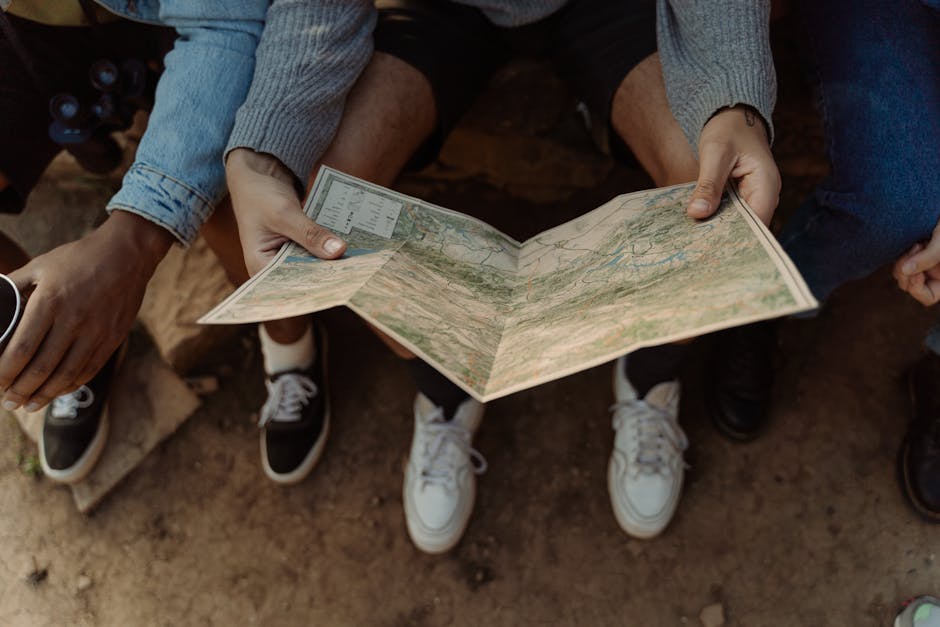
Many cities offer free walking tours, museum days, or outdoor concerts. Check local tourism websites or community boards.
In Chicago, the Art Institute offers free admission to Illinois residents on certain weekdays. Exploring weekend getaway planning reveals important insights. In Boston, the Freedom Trail is self-guided and free.
Hiking, beach walks, and picnics cost nothing and provide great photo opportunities.
Manage Transportation Wisely
How you get there and move around matters. Poor transportation choices can eat up time and money.
Driving offers flexibility but consider gas, parking, and tolls. In cities like San Francisco or Boston, parking can cost $40/night.
Rent a Car Only If Needed
In walkable cities like Charleston or Asheville, you might not need a car. Use rideshares, bikes, or public transit instead.
Compare rental costs with taxi or rideshare estimates. Sometimes taking Uber from the airport and using public transit is cheaper than renting.
If you do rent, book early and check for discounts through memberships like AAA or Costco.
Use Public Transit Like a Pro
Many cities offer day passes for unlimited rides. In Washington, D.C., a $10 SmarTrip pass covers buses and metro for a day.
Download transit apps like Citymapper or Moovit for real-time schedules and route planning.
Avoid rush hours when possible. Trains and buses are less crowded mid-morning or early afternoon.
Stay Safe and Prepared
Safety ensures your trip stays enjoyable. A little preparation prevents major headaches.
Share your itinerary with a friend or family member. Include hotel info, flight numbers, and emergency contacts.
Check Health and Safety Conditions
Review local health advisories, weather forecasts, and crime reports. The CDC and State Department websites offer travel health notices.
Pack a small first-aid kit: band-aids, pain relievers, antiseptic wipes, and any personal medications.
If traveling internationally, even for a weekend, check visa requirements and ensure your passport is valid.
Protect Your Belongings
Use a money belt or hidden pouch for cash and cards. Don’t carry all your cards at once.
Keep digital copies of important documents—passport, ID, insurance—in a secure cloud folder.
In hotels, use the safe for valuables. Don’t leave phones or wallets unattended at cafes or parks.
Maximize Your Time On the Ground

Every minute counts on a short trip. Arrive early, stay late, and make the most of your hours.
Check in early if possible. Many hotels offer early check-in for a small fee or through loyalty programs.
Start Early, End Smart
Wake up 30 minutes earlier to enjoy a quiet coffee or a sunrise walk. Popular attractions are less crowded in the morning.
In places like Sedona or Asheville, hiking trails are cooler and more peaceful at dawn.
On your last day, pack up the night before. Do a final walk-through of your room to avoid leaving items behind.
Use Downtime Wisely
Even short breaks can be productive. Use travel time to read, journal, or plan your next adventure.
Listen to a travel podcast or audiobook during the drive. “The Atlas Obscura Podcast” offers fascinating stories about hidden places.
If you have a layover, explore the airport. Some, like Denver International or Portland International, have art exhibits and local food vendors.
Return Home Refreshed—Not Exhausted
A great weekend trip should leave you energized, not drained. Avoid the Sunday scramble by planning your return.
Schedule your return flight or drive for late afternoon or evening. This gives you time to relax in the morning.
Unpack and Reset Immediately
Unpack as soon as you get home. Wash clothes, charge devices, and put things away.
This prevents a Monday morning pile-up and helps you transition back to routine.
Take 10 minutes to jot down what worked and what didn’t. Note favorite restaurants, scenic spots, or packing mistakes.
This reflection improves future trips and builds a personal travel journal.
Share and Preserve Memories
Create a small photo album or digital slideshow. Share it with friends or post a few shots on social media.
Write a short review of your stay on Google or TripAdvisor. It helps others and reinforces your experience.
Keep a travel journal. Even a few sentences about a sunset or a great meal can bring back the feeling later.
FAQ
How far in advance should I plan a weekend getaway?
Aim to book lodging and major activities 3–4 weeks ahead, especially for popular destinations. Flights and rentals may require even earlier booking during peak seasons.
What’s the best way to save money on a short trip?
Pack your own snacks, use public transit, eat at local spots, and take advantage of free attractions. Staying in a vacation rental with a kitchen can also cut food costs significantly.
Can I really have a good trip with just two days?
Yes—focused planning makes short trips highly rewarding. Choose a nearby destination, prioritize a few key experiences, and stay flexible. Quality matters more than quantity.