
Ultimate Adventure Travel Guide for Outdoor Lovers
Planning your next outdoor escape? Exploring outdoor adventure travel reveals important insights. This Ultimate Adventure Travel Guide for Outdoor Lovers delivers practical tips, destination ideas, and essential gear advice to help you explore safely and responsibly. Whether you’re hiking mountain trails, kayaking remote rivers, or camping under star-filled skies, this guide covers everything you need to turn your adventure dreams into reality. From choosing the right backpack to understanding Leave No Trace principles, we’ve packed actionable insights to support every step of your journey.
Why Adventure Travel Matters
Adventure travel isn’t just about thrill-seeking—it’s about connection. Immersing yourself in nature reduces stress, boosts mental clarity, and strengthens physical health. Unlike traditional tourism, adventure travel encourages deeper engagement with environments and cultures, often leading to lasting personal growth.
It also fosters resilience. Navigating unpredictable weather, solving trail challenges, or setting up camp in the dark builds problem-solving skills and self-reliance. These experiences stay with you long after you return home.
Top Adventure Travel Destinations
Patagonia, Chile & Argentina
Patagonia offers dramatic landscapes—glaciers, jagged peaks, and wind-swept plains. Torres del Paine National Park is a favorite for multi-day treks like the W Trek. Weather changes fast, so pack layers and waterproof gear.
The region supports eco-conscious travel. Many lodges and tour operators follow sustainable practices, minimizing environmental impact while offering guided hikes and wildlife viewing.
Banff National Park, Canada
Nestled in the Canadian Rockies, Banff delivers alpine lakes, glacier-fed rivers, and abundant wildlife. Lake Louise and Moraine Lake are iconic stops, best visited early in the morning to avoid crowds.
Winter brings skiing and snowshoeing; summer opens trails for backpacking and canoeing. Always check trail conditions and bear activity before heading out.
Torres Strait Islands, Australia
This remote archipelago blends Indigenous culture with pristine coral reefs and rainforest hikes. Snorkeling in clear lagoons and learning from local guides offer authentic experiences.
Access requires planning—flights are limited, and permits may be needed. Respect cultural protocols and avoid touching sacred sites.
Laugavegur Trail, Iceland
One of Europe’s most scenic hikes, the Laugavegur Trail spans 55 kilometers through volcanic deserts, hot springs, and colorful rhyolite mountains. Most hikers complete it in 3–4 days with mountain huts along the route.
Weather can shift rapidly. Even in summer, temperatures drop at night. Pack a four-season sleeping bag and a reliable tent if camping.
Annapurna Circuit, Nepal
This classic trek circles the Annapurna Massif, passing terraced farms, Buddhist monasteries, and high-altitude passes. The Thorong La Pass reaches 5,416 meters—acclimatization is critical.
Tea houses provide food and lodging, but carry a water filter. Altitude sickness is a real risk; ascend slowly and descend immediately if symptoms worsen.
Essential Gear for Outdoor Adventures
Backpacks: Fit and Function
Choose a pack based on trip length. Day hikes need 20–30 liters; multi-day treks require 50–70 liters. Fit matters more than brand—try it loaded and adjust straps for comfort.
Look for padded hip belts, ventilated back panels, and multiple access points. Waterproof covers or dry bags protect contents in rain.
Footwear: Traction and Support
Trail runners are lightweight and breathable for dry conditions. Hiking boots offer ankle support on rocky or uneven terrain. Break in footwear before long trips.
Wool or synthetic socks prevent blisters. Carry an extra pair in case of wet conditions.
Shelter and Sleep Systems
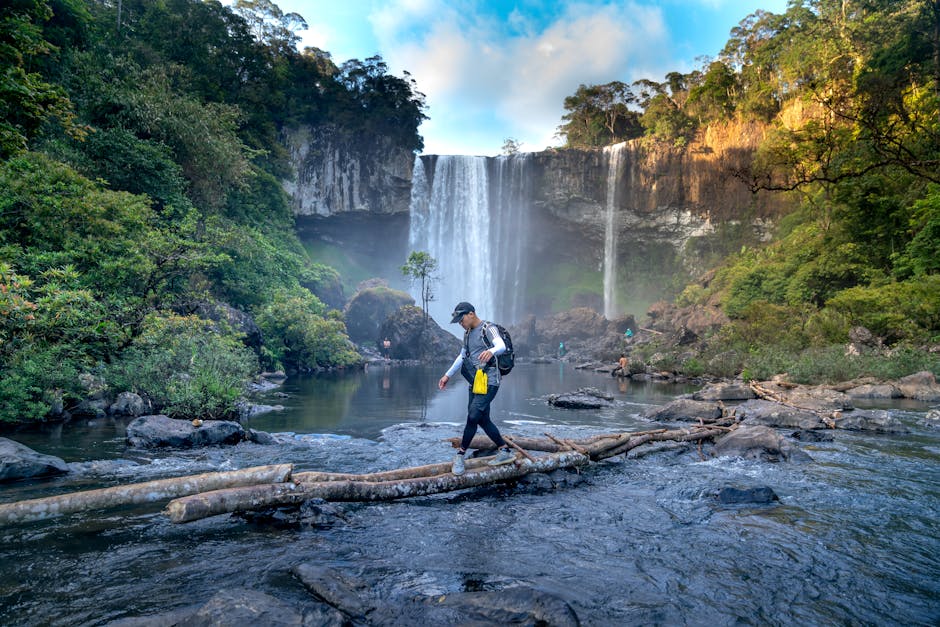
Ultralight tents save weight but may sacrifice space. Three-season tents handle most conditions; four-season models are better for snow.
Sleeping bags rated for the expected low temperature ensure warmth. Pair with an insulated sleeping pad to reduce heat loss from the ground.
Navigation Tools
GPS devices and smartphone apps are helpful, but batteries die. Always carry a paper map and compass—and know how to use them.
Download offline maps in advance. Mark key waypoints like water sources, trail junctions, and emergency exits.
Safety and First Aid
A basic first aid kit should include bandages, antiseptic, blister treatment, pain relievers, and any personal medications. Add a whistle and emergency blanket.
Learn wilderness first aid basics. Recognizing hypothermia, heat exhaustion, and allergic reactions can prevent minor issues from becoming emergencies.
Planning Your Adventure: Step-by-Step
1. Define Your Goals
Ask: What do you want to experience? Solitude, wildlife, physical challenge, or cultural immersion? Your answer shapes destination, duration, and activity level.
Beginners should start with shorter, well-marked trails. Experienced adventurers can tackle remote routes with fewer services.
2. Research Conditions and Regulations
Check seasonal weather patterns, trail closures, and permit requirements. National parks often limit group sizes or require reservations.
Some areas restrict campfires or require bear canisters. Ignoring rules risks fines or environmental damage.
3. Build a Realistic Itinerary
Allow extra time for rest, delays, or unexpected discoveries. Over-scheduling leads to burnout. Include buffer days for weather or fatigue.
Share your itinerary with someone at home. Include route details, expected return date, and emergency contacts.
4. Test Gear Before You Go
Set up your tent, cook with your stove, and wear your pack on short walks. Identify weak spots—loose straps, leaking seams, or faulty zippers.
Replace worn items. A broken tent pole or cracked water bottle can ruin a trip.
5. Prepare Physically
Train with weighted hikes, stair climbs, or cardio workouts. Focus on legs, core, and endurance. Stretching reduces injury risk.
Start small. A weekend trip builds confidence before committing to a two-week expedition. This covers key aspects of outdoor adventure travel.
Safety Tips Every Outdoor Lover Should Know

Weather Awareness
Check forecasts daily. Mountain weather changes quickly—clear skies can turn stormy within hours. Avoid ridges during lightning.
Dress in layers: moisture-wicking base, insulating mid-layer, and weatherproof outer shell. Cotton retains moisture and increases hypothermia risk.
Wildlife Encounters
Store food in bear-proof containers or hang it 100 meters from camp. Never feed animals—it alters behavior and endangers both humans and wildlife.
In bear country, make noise while hiking. Carry bear spray and know how to use it. In snake-prone areas, watch where you step or place hands.
Hydration and Nutrition
Drink regularly, even if you don’t feel thirsty. Dehydration impairs judgment and physical performance. Use filters, purification tablets, or UV pens for water safety.
Pack calorie-dense foods: nuts, dried fruit, energy bars, and dehydrated meals. Eat small amounts frequently to maintain energy.
Emergency Preparedness
Carry a personal locator beacon (PLB) or satellite messenger in remote areas. Cell service is unreliable in wilderness zones.
Know basic survival skills: building a shelter, starting a fire without matches, and signaling for help. Practice before you need them.
Leave No Trace: Travel Responsibly
Adventure travel thrives on preserved landscapes. Follow Leave No Trace principles to protect nature for future explorers.
Plan Ahead and Prepare
Research regulations, minimize waste, and choose durable surfaces for travel and camping. Small groups reduce impact.
Travel and Camp on Durable Surfaces
Stick to established trails and campsites. Avoid trampling vegetation or creating new paths.
Dispose of Waste Properly
Pack out all trash, including food scraps and toilet paper. Bury human waste 6–8 inches deep and 200 feet from water sources.
Leave What You Find
Don’t take rocks, plants, or artifacts. Let others enjoy the same natural beauty.
Minimize Campfire Impact
Use a camp stove instead of fires when possible. If you build a fire, use existing fire rings and keep flames small.
Respect Wildlife
Observe from a distance. Never approach or feed animals. Keep noise levels low.
Be Considerate of Other Visitors
Yield to uphill hikers. Keep voices down at dawn and dusk. Share the trail with courtesy.
Budgeting for Adventure Travel
Adventure travel can be affordable with smart planning. Costs vary by destination, duration, and gear needs.
Transportation
Flights and fuel are major expenses. Book early for discounts. Consider regional hubs with cheaper connections.
Public transit or carpooling reduces costs. Some parks offer shuttle services to trailheads.
Accommodation
Camping is the most economical option. Hostels and budget lodges offer mid-range choices. Luxury eco-lodges provide comfort but at a higher price.
Wild camping may be free but check legality. Dispersed camping on public lands often requires no fee.
Gear and Rentals
Buy used gear from reputable sources or rent from outdoor shops. Renting is cost-effective for infrequent trips.
Invest in quality essentials: backpack, sleeping bag, and footwear. Replace worn items as needed.
Food and Supplies
Cook your own meals to save money. Dehydrated food is lightweight and inexpensive. Buy in bulk when possible.
Carry a reusable water bottle and filter to avoid buying bottled water.
Photography Tips for Outdoor Adventures
Capturing memories enhances the experience, but gear protection is key. Use a weather-sealed camera or smartphone case.
Golden Hour Lighting
Shoot during early morning or late afternoon for soft, warm light. Avoid harsh midday sun that creates shadows.
Stability and Composition
Use a small tripod or rest your camera on a rock. Apply the rule of thirds: place subjects off-center for balanced shots.
Battery and Storage
Carry spare batteries and memory cards. Cold weather drains power quickly. Keep batteries close to your body to preserve charge.
FAQ
What should I pack for a week-long backpacking trip?
Essentials include a tent, sleeping bag, backpack, stove, food, water filter, first aid kit, map, compass, headlamp, and layered clothing. Pack light—aim for under 30% of your body weight.
How do I prevent blisters while hiking?
Wear well-fitted, broken-in footwear and moisture-wicking socks. Apply blister prevention tape to hot spots before they form. Stop and adjust footwear at the first sign of rubbing.
Is it safe to travel alone in remote areas?
Solo travel is possible with proper preparation. Share your itinerary, carry emergency communication devices, and avoid high-risk zones. Build skills and confidence on shorter trips first.