
Ultimate Food and Culinary Travel Guide for Food Tours
Food tours offer a delicious way to explore new cultures, connect with local communities, and taste authentic flavors you won’t find in guidebooks. Whether you’re sampling street food in Bangkok, savoring truffles in Tuscany, or learning to roll sushi in Tokyo, a well-planned culinary journey can transform your travel experience. This guide covers everything you need to choose, book, and enjoy the best food tours around the world—from budget-friendly walking tours to luxury multi-day gastronomic adventures.
Why Take a Food Tour?
Food is more than sustenance—it’s culture, history, and identity on a plate. A food tour goes beyond typical dining by immersing you in local traditions, introducing you to family-run eateries, and revealing the stories behind signature dishes.
Unlike restaurant hopping, food tours are curated experiences led by knowledgeable locals who know where the real flavor lives. You’ll often visit markets, meet artisans, and learn cooking techniques passed down through generations.
For travelers seeking authenticity, food tours provide access to hidden gems that aren’t listed on tourist maps. They’re also ideal for solo travelers or those with dietary restrictions, as guides can tailor stops and communicate needs with vendors.
Types of Food Tours
Walking Food Tours
The most common type, walking tours cover 3–5 stops within a compact neighborhood. Ideal for cities like Lisbon, Mexico City, or Hanoi, these tours last 2–4 hours and focus on street food, snacks, and small plates.
You’ll sample items like tacos al pastor, pasteis de nata, or pho while learning about local ingredients and culinary history. Most tours include beverages, and many offer vegetarian or gluten-free options upon request.
Cooking Classes with Market Visits
These immersive experiences combine shopping at local markets with hands-on cooking. Popular in Thailand, Italy, and Peru, they teach you how to prepare regional dishes using seasonal ingredients.
You’ll typically spend the morning selecting produce, seafood, or spices, then return to a kitchen to cook and eat your creations. It’s a great way to bring home more than just souvenirs—you’ll gain practical skills and recipes.
Multi-Day Culinary Journeys
For serious food lovers, multi-day tours offer deep dives into a region’s cuisine. Think wine and truffle tours in Piedmont, spice route explorations in Kerala, or farm-to-table retreats in Sonoma.
These often include accommodations, private transportation, and meetings with chefs or producers. While more expensive, they provide a comprehensive understanding of a destination’s food ecosystem.
Drink-Focused Tours
From sake tastings in Kyoto to craft beer crawls in Portland, beverage-centric tours highlight local libations. Many include food pairings, such as cheese with wine in France or mezze with arak in Lebanon.
These tours are perfect for travelers who want to explore a region’s drinking culture, learn about fermentation or distillation, and enjoy social, convivial settings.
How to Choose the Right Food Tour
Match the Tour to Your Travel Style
Consider your pace, budget, and interests. If you prefer relaxed exploration, a 3-hour walking tour may be ideal. If you’re adventurous and want to learn, a cooking class offers more engagement.
Families might enjoy shorter tours with kid-friendly options, while couples may prefer romantic vineyard tastings or sunset food walks.
Research the Guide and Company
Look for tours led by locals or food professionals with deep regional knowledge. Read recent reviews on platforms like Viator, GetYourGuide, or TripAdvisor to assess guide quality and group size.
Avoid companies that seem overly commercial or use scripted scripts. The best guides share personal stories, answer questions thoughtfully, and adapt to group interests.
Check Inclusions and Restrictions
Confirm what’s included: food, drinks, transportation, entrance fees, or take-home items like recipes or spice blends. Some tours offer aprons or market bags as souvenirs.
Also verify dietary accommodations. Reputable operators will ask about allergies or preferences during booking and adjust accordingly.
Consider Group Size
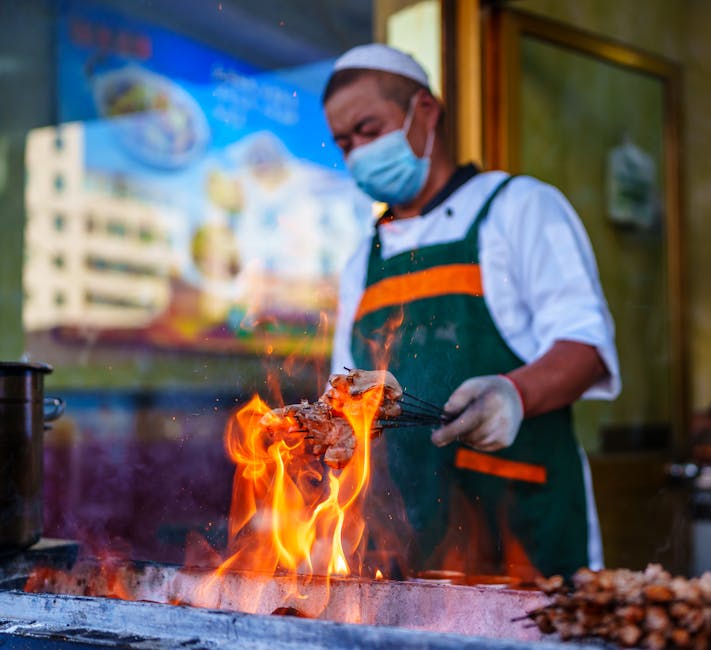
Smaller groups (6–10 people) allow for more interaction and personalized attention. Larger groups may move faster and offer less flexibility.
If privacy matters, look for private or semi-private options, especially in high-demand destinations like Paris or Istanbul.
Top Food Tour Destinations
Bangkok, Thailand
Known for its vibrant street food scene, Bangkok offers tours through Chinatown, floating markets, and night bazaars. Sample pad thai, mango sticky rice, and tom yum soup from family stalls.
Many tours include visits to local homes or temples, adding cultural depth to the culinary experience.
Tokyo, Japan
From sushi bars in Tsukiji to ramen alleys in Shinjuku, Tokyo’s food tours highlight precision and tradition. Some focus on specific cuisines, like wagyu beef or matcha desserts.
Even in a city of Michelin stars, food tours reveal humble eateries where locals eat daily.
Oaxaca, Mexico
This UNESCO-recognized food capital is famous for mole, tlayudas, and mezcal. Tours often include visits to markets like Mercado 20 de Noviembre and workshops with indigenous cooks.
You’ll learn about ancestral techniques like nixtamalization and the role of corn in Mexican identity.
Tuscany, Italy
Wine and olive oil tastings, farm visits, and pasta-making classes define Tusculinary tours. Explore hilltop towns like San Gimignano or Montalcino while savoring pecorino, ribollita, and Brunello.
Many tours partner with agriturismi (farm stays), offering a true taste of rural Italian life.
Istanbul, Turkey
Straddling Europe and Asia, Istanbul’s food scene blends influences from both continents. Tours cover kebabs, baklava, Turkish coffee, and meze in neighborhoods like Kadıköy and Sultanahmet.
Don’t miss the chance to shop for spices at the Egyptian Bazaar or try simit from a street vendor.
What to Expect on a Food Tour
Typical Itinerary
Most tours begin with a meetup at a central location, followed by an introduction from the guide. You’ll then walk or take short rides between stops, sampling 4–8 dishes over 2–5 hours.
Stops may include street stalls, cafes, markets, or restaurants. Guides explain each dish’s origin, ingredients, and cultural significance.
Group Dynamics
Tours are generally social, encouraging interaction among participants. Guides often facilitate conversation and share fun facts to keep the mood light.
If you’re shy, remember that everyone is there to enjoy food and learn—most people are happy to chat.
Pacing and Comfort
Walking tours require comfortable shoes and moderate stamina. Guides usually account for rest breaks, but inform them in advance if you have mobility concerns.
Weather can affect outdoor tours. Bring a light jacket or umbrella, and check cancellation policies for rain.
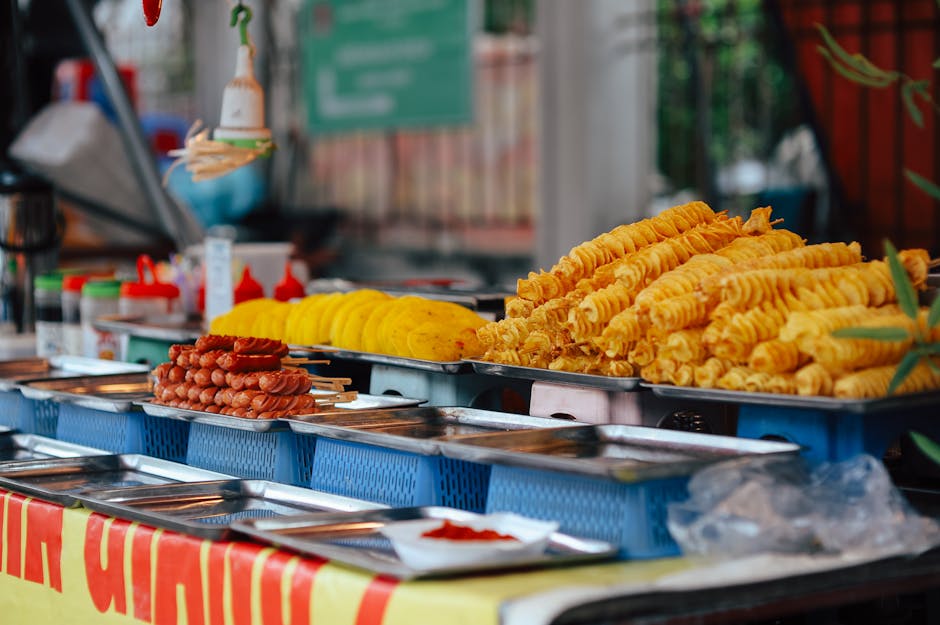
Practical Tips for Food Tour Success
Book in Advance
Popular tours in cities like Barcelona, Rome, or New York fill up quickly, especially during peak seasons. Reserve at least 2–4 weeks ahead.
Some operators offer early-bird discounts or free cancellations, so compare options before committing.
Dress Appropriately
Wear layers and closed-toe shoes. Avoid strong perfumes, as they can interfere with tasting experiences.
In some cultures, modest dress is expected, especially when visiting religious sites or local homes.
Come Hungry—But Not Too Hungry
You’ll be eating small portions throughout the tour, so arrive with a moderate appetite. Avoid heavy meals beforehand.
Bring a water bottle and stay hydrated, especially in hot climates or during long walks.
Ask Questions
Guides appreciate curious participants. Ask about ingredient sourcing, cooking methods, or where to eat after the tour ends.
Take notes or photos of dishes you love—many guides share recommendations for further exploration.
Tip Respectfully
Tipping customs vary by country. In the U.S., 15–20% is standard. In Europe, rounding up or leaving €5–€10 is common.
Check if gratuity is included in the price. When in doubt, ask the guide or company policy.
Safety and Etiquette on Food Tours
Food Safety
Reputable tours use vendors with good hygiene practices. If you have sensitive digestion, start with milder dishes and avoid raw or undercooked items unless you’re confident in the source.
Carry hand sanitizer and use it before eating, especially at street stalls.
Cultural Sensitivity
Respect local customs. In some places, eating with your hands is normal; in others, it’s frowned upon. Follow your guide’s lead.
Don’t waste food. Portions on tours are usually small, but take only what you can finish.
Photography
Ask before photographing people, especially in markets or private homes. Some vendors may charge a small fee for photos.
Focus on food and scenes, but be mindful of others’ privacy and the guide’s pace.
Budgeting for Food Tours
Prices range from $30 for a basic street food walk to $300+ for a luxury multi-day experience. Most walking tours cost $60–$120 per person.
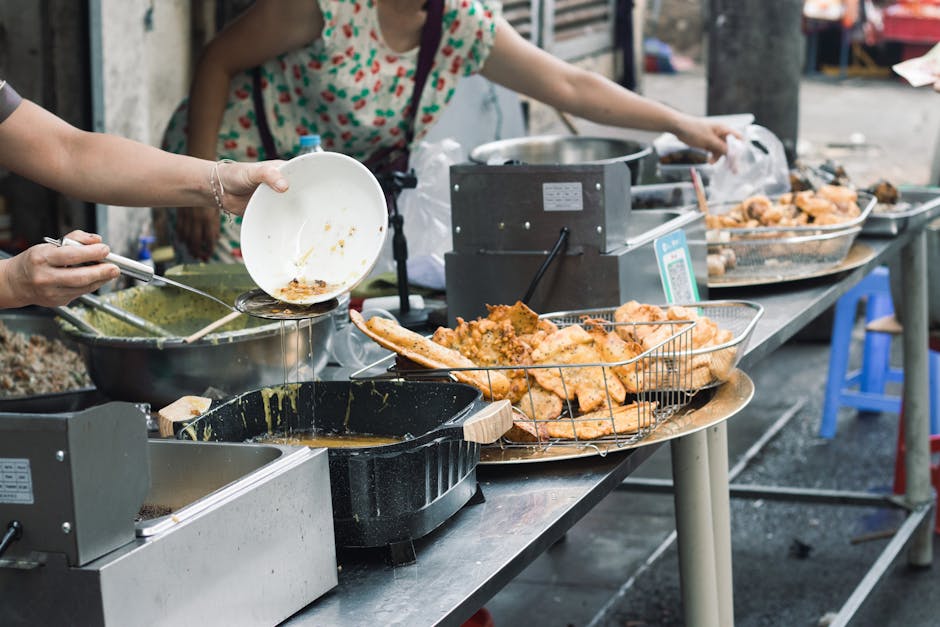
Factor in additional costs like transportation to the meeting point, extra drinks, or souvenir purchases.
Compare value, not just price. A slightly more expensive tour with a knowledgeable guide and high-quality tastings often delivers better value than a cheaper, rushed alternative.
DIY vs. Guided Food Tours
Pros of Guided Tours
Guided tours offer convenience, local insight, and access to exclusive spots. They handle logistics, language barriers, and safety concerns.
You’ll learn stories and context you might miss on your own, enriching the experience.
Pros of DIY Exploration
Going solo allows complete flexibility. You can linger at favorite spots, revisit places, or follow spontaneous recommendations.
It’s often cheaper, especially if you use food blogs, apps, or local advice to plan your route.
Best of Both Worlds
Consider a hybrid approach: take one guided tour to get oriented, then explore on your own using the guide’s tips. Many travelers do this in cities like Lisbon or Ho Chi Minh City.
Seasonal and Thematic Food Tours
Seasonal Highlights
Certain foods are best enjoyed in season. Visit Japan during cherry blossom season for sakura mochi, or Tuscany in autumn for truffle festivals.
Check local calendars for food fairs, harvest celebrations, or regional specialties available only at certain times.
Themed Experiences
Look for niche tours like vegan food walks in Berlin, chocolate tours in Brussels, or fermentation workshops in Seoul.
These cater to specific interests and often attract like-minded travelers, enhancing the social aspect.
How to Maximize Your Food Tour Experience
Approach the tour with curiosity and an open mind. Try dishes you’ve never heard of—some of the best travel memories come from unexpected flavors.
Engage with your guide and fellow travelers. Share your favorites and ask for post-tour recommendations.
After the tour, revisit standout spots or try cooking a dish at home. Many guides provide recipes or ingredient sources.
Final Thoughts
A food tour is more than a meal—it’s a sensory journey through a destination’s heart. Whether you’re biting into a warm empanada in Buenos Aires or sipping oolong in a Taipei tea house, these experiences create lasting connections.
With the right preparation and mindset, your next culinary adventure can be as enriching as it is delicious.
FAQ
How far in advance should I book a food tour?
It’s best to book 2–4 weeks ahead, especially for popular destinations or peak travel seasons. Some high-demand tours sell out months in advance.
Are food tours suitable for people with dietary restrictions?
Yes, most reputable operators accommodate allergies, vegetarian, vegan, or gluten-free needs. Always inform them during booking so they can adjust the itinerary.
What should I bring on a food tour?
Bring comfortable shoes, a water bottle, hand sanitizer, and a light jacket. A small bag for souvenirs or extra snacks is also helpful.