
Ultimate Food and Culinary Travel Guide to Food Halls
Food halls have transformed the way travelers experience local cuisine. No longer just places to grab a quick bite, they’re vibrant hubs where culture, community, and culinary craftsmanship converge. Whether you’re exploring a historic market in Barcelona or a modern food hall in Austin, these spaces offer authentic tastes of a destination—often under one roof. This guide helps you navigate food halls like a seasoned traveler, with practical tips, must-visit examples, and strategies to make the most of your visit.
What Makes a Food Hall a Must-Visit Culinary Destination?
Food halls combine the energy of a public market with the curation of a fine dining experience. Unlike traditional restaurants, they offer variety, affordability, and access to multiple chefs and cuisines in a single location. Many feature locally sourced ingredients, rotating pop-ups, and chef collaborations that reflect regional food trends.
They’re also social spaces—ideal for solo travelers, couples, or groups. You can sample a taco from one stall, sip craft beer from another, and finish with artisanal gelato—all while people-watching in a lively atmosphere. For food lovers, this diversity is unmatched.
Key Features of Top-Tier Food Halls
- Diverse Vendor Selection: At least 8–15 independent food stalls offering distinct cuisines.
- Local and Seasonal Menus: Emphasis on regional ingredients and rotating seasonal specials.
- Community Vibe: Open seating, live music, or events that encourage mingling.
- Transparency: Clear sourcing information and chef backgrounds displayed.
How to Choose the Best Food Halls When Traveling
Not all food halls are created equal. Some are tourist-heavy with inflated prices, while others remain hidden gems cherished by locals. Your goal should be to find spaces that balance authenticity, quality, and atmosphere.
Research Before You Go
Start with trusted travel blogs, Google Maps reviews, and local food forums like Reddit’s r/solotravel or city-specific Facebook groups. Look for recent posts—food hall popularity can shift quickly. Check if the hall is mentioned in guides from reputable sources like Eater, Thrillist, or The Infatuation.
Pay attention to reviewer comments about cleanliness, wait times, and whether vendors accept cash or card. Some halls operate on a centralized payment system, which can speed up service.
Visit During Off-Peak Hours
Arriving mid-afternoon or early evening avoids the lunch rush and dinner crowds. You’ll have better access to seating, shorter lines, and more opportunities to chat with vendors. Weekdays are typically quieter than weekends.
If you’re visiting a popular hall like Chelsea Market in New York or Mercado de San Miguel in Madrid, aim for Tuesday or Wednesday afternoons. You’ll still catch the full menu without the chaos.
Look for Local Favorites, Not Just Instagram Spots
Just because a stall has a long line doesn’t mean it’s the best. Observe where locals are eating. Are office workers grabbing lunch at a specific noodle stand? Do families return weekly for the same empanada vendor? These subtle cues often point to quality and authenticity.
Avoid stalls that seem overly focused on photo-worthy presentation over flavor. Real culinary craft shows in the taste, not just the plating.
Top Food Halls Around the World to Add to Your Itinerary
From historic markets reimagined for modern palates to sleek new developments, these food halls offer standout experiences. Each reflects its city’s culinary identity while welcoming travelers with open arms.
Mercado de San Miguel – Madrid, Spain
This restored 19th-century iron market is a sensory feast. Vendors serve everything from jamón ibérico to fresh oysters and churros with chocolate. It’s compact but packed with flavor—ideal for a midday tapas crawl.
Go early to secure a standing spot at the bar, or grab a seat at one of the few shared tables. Cash is preferred, though some stalls now accept contactless payments.
Time Out Market – Lisbon, Portugal
Located in a converted warehouse by the Tagus River, Time Out Market features award-winning chefs and local favorites under one roof. Try the bifana (pork sandwich) from Cervejaria Ramiro or the pastel de nata from Manteigaria.
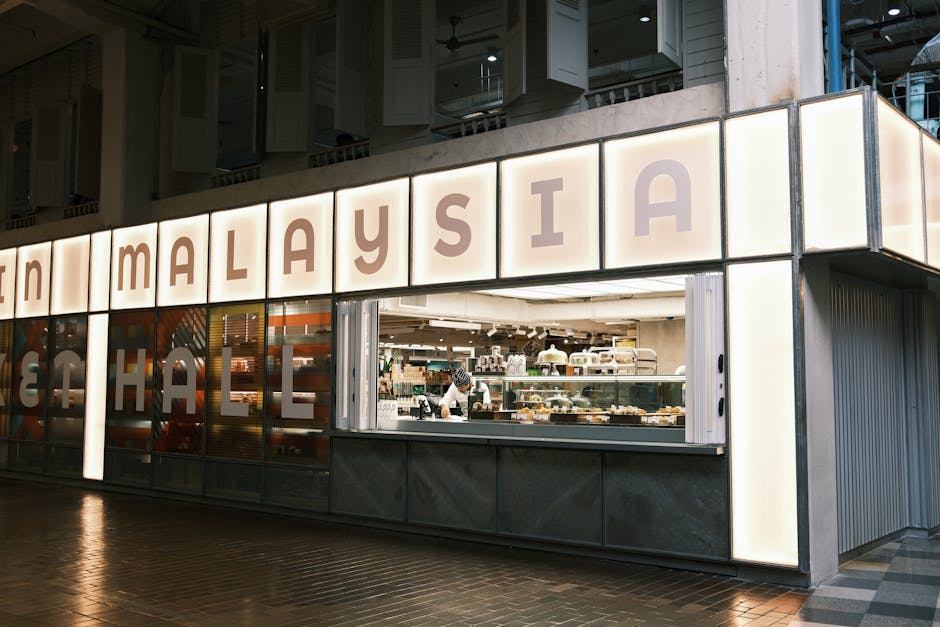
The space includes a wine bar, cooking classes, and a stage for live music. It’s tourist-friendly but maintains a strong local following.
Eataly – Multiple Locations (New York, Tokyo, Rome)
Eataly blends a food hall with a marketplace and restaurant. In New York’s Flatiron location, you’ll find house-made mozzarella, fresh pasta stations, and a rooftop birreria. It’s ideal for travelers who want to eat, shop, and learn.
While some criticize it as commercialized, Eataly excels in education—offering tastings, workshops, and detailed sourcing information. It’s a great introduction to Italian cuisine for first-time visitors.
Test Market – London, UK
Set in a converted pub, Test Market in Shoreditch focuses on experimental and sustainable food. Vendors rotate frequently, showcasing emerging chefs and plant-based innovations.
It’s smaller than other halls but offers a forward-thinking approach. Try the jackfruit tacos or the zero-waste cocktail bar. Reservations aren’t required, but it’s wise to check their event calendar.
La Boqueria – Barcelona, Spain
One of Europe’s most famous markets, La Boqueria sits just off La Rambla. While it can be crowded, early morning visits reveal its true charm: fresh fruit, seafood, cured meats, and vermouth bars.
Skip the overpriced tourist stalls near the entrance. Head deeper inside for better deals and more authentic offerings. The fruit juices and jamón samples are free and delicious.
How to Eat Smart at Food Halls: Tips for First-Time Visitors
Navigating a food hall can be overwhelming. With so many options, it’s easy to over-order or miss the best bites. Follow these strategies to eat efficiently and enjoyably.
Start with a Plan (But Stay Flexible)
Scan the hall upon arrival. Identify 3–4 must-try vendors based on your cravings and dietary needs. Prioritize items that are hard to find elsewhere—like regional specialties or chef-driven concepts.
For example, if you’re in Bangkok’s Train Night Market, prioritize the grilled squid or mango sticky rice. In Portland’s Pine Street Market, the Korean-Mexican fusion from Kim Jong Grillin’ is a standout.
Share and Sample
Order smaller portions or share dishes with your travel companion. Many vendors offer half-sizes or tasting plates. This lets you try more without overeating.
At Denver’s Avanti Food & Beverage, you can sample ramen, wood-fired pizza, and craft cocktails in one visit—just split a few plates and rotate.
Bring Cash and Small Bills
While card payments are becoming more common, many food hall vendors still prefer cash. ATMs are usually on-site, but fees can be high. Withdraw local currency in advance.
Carry small denominations to avoid waiting for change during busy periods. This speeds up transactions and shows respect for the vendor’s time.
Stay Hydrated and Mindful
It’s easy to get carried away with rich, salty, or sugary foods. Drink water between tastings. Some halls offer infused water stations or sell local beverages like kombucha or fresh coconut water.
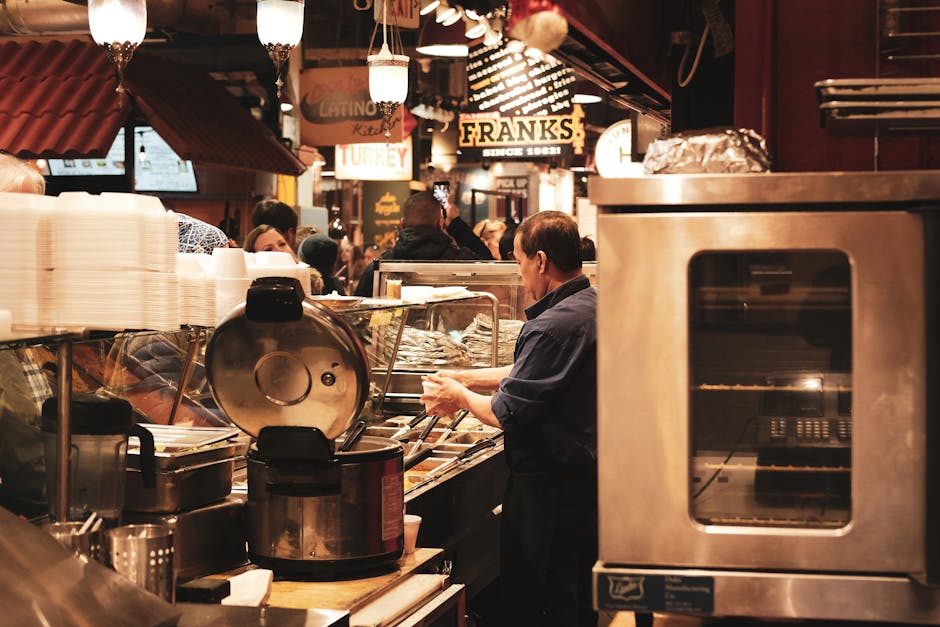
Also, be mindful of food allergies. Many vendors label ingredients, but cross-contamination can occur in shared spaces. Ask staff directly if you have severe allergies.
Food Hall Etiquette: How to Be a Respectful Guest
Food halls are public spaces with unspoken rules. A little courtesy goes a long way in ensuring a pleasant experience for everyone.
Respect the Seating
Shared tables are common. Don’t save seats for large groups unless the hall allows it. If you’re dining solo, consider sitting at the bar or counter to free up table space.
Clean up after yourself. Return trays, dispose of trash, and wipe down tables if needed. Some halls have self-bussing stations—use them.
Be Patient and Polite
Lines are inevitable during peak hours. Avoid cutting or hovering near the counter. If a vendor is busy, wait your turn and smile. A simple “thank you” in the local language goes a long way.
If something is sold out, don’t argue. Ask when it might be restocked or try a recommended alternative.
Support Local Vendors
Tip when possible, especially if the vendor goes the extra mile—like offering a sample or explaining a dish. Even small tips add up for independent chefs.
Leave positive reviews online. Mention specific dishes or vendors by name. This helps others discover great food and supports the local food economy.
Food Halls vs. Traditional Restaurants: Which Is Better for Travelers?
Both have their place in a well-rounded culinary journey. The choice depends on your goals, budget, and travel style.
When to Choose a Food Hall
- You want variety and the ability to try multiple cuisines.
- You’re traveling solo or with a group that has diverse tastes.
- You prefer casual, fast service over a formal dining experience.
- You’re on a budget but still want high-quality, chef-driven food.
Food halls often offer better value than restaurants, with lower price points and no mandatory service charges. You also avoid the pressure of committing to one dish for an entire meal.
When to Choose a Restaurant
- You’re celebrating a special occasion or want a quiet, intimate meal.
- You’re seeking a multi-course tasting menu or wine pairing.
- You prefer table service and a more controlled dining environment.
- You’re interested in fine dining or Michelin-starred experiences.
Restaurants excel in atmosphere and service. For a romantic dinner or a deep dive into a chef’s vision, they’re often the better choice.
Budgeting for Food Halls: How Much Should You Expect to Spend?
Costs vary widely by location and vendor. In major cities like New York or Tokyo, expect to spend $12–$20 per person for a full meal. In smaller towns or developing countries, you might spend half that.
Sample Price Ranges by Region
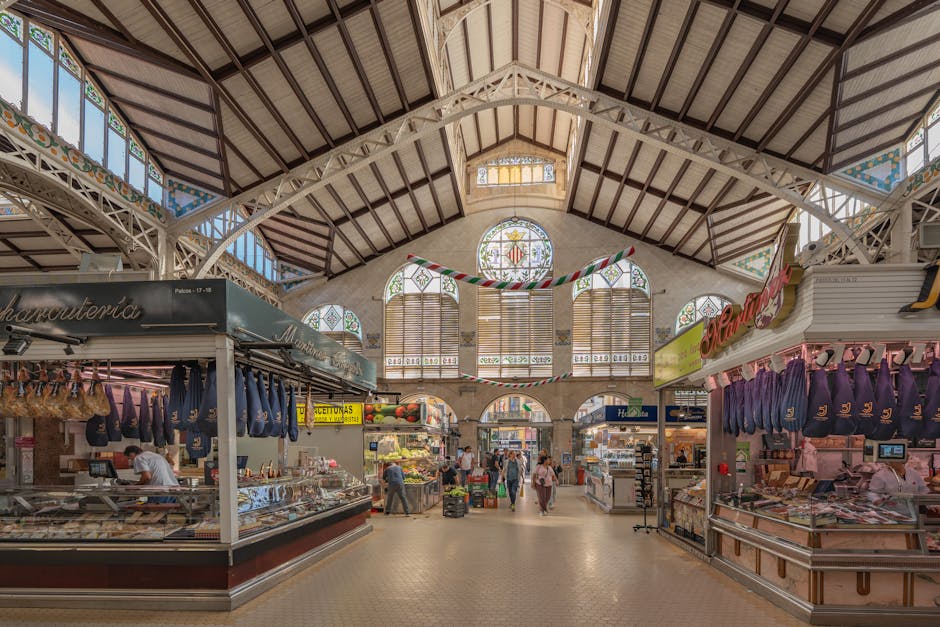
- North America: $10–$25 per dish. Beverages and desserts extra.
- Europe: €8–€18 for mains. Tap water is usually free.
- Asia: $3–$12 for street-style dishes. Cash discounts common.
- Latin America: $4–$15 depending on the city. Tipping is less expected.
To save money, avoid combo meals or “tourist packages” that bundle overpriced items. Instead, pick one main, one drink, and one dessert from different stalls.
Also, consider visiting during happy hour. Some food halls offer discounted drinks or small plates in the late afternoon.
Sustainable and Ethical Eating at Food Halls
Many modern food halls prioritize sustainability. Look for halls that compost, use compostable packaging, or partner with local farms.
What to Look For
- Vendors that list ingredient sources (e.g., “grass-fed beef from Oregon”).
- Plant-based or vegetarian options clearly marked.
- Reusable dishware or discounts for bringing your own container.
- Partnerships with food rescue organizations or zero-waste initiatives.
At Portland’s The Zipper, for example, several vendors use 100% compostable packaging and donate unsold food to local shelters. These efforts reflect a growing trend toward responsible dining.
As a traveler, you can support these values by choosing eco-conscious vendors and minimizing food waste. Order only what you can finish, and ask for smaller portions if unsure.
Seasonal and Themed Food Halls: What’s Trending Now?
Food halls are evolving beyond static menus. Many now host seasonal rotations, pop-up events, and themed nights that reflect current food trends.
Examples of Innovative Concepts
- Night Markets: Inspired by Asian street food, these pop up after dark with lanterns, live music, and late-night eats. Try Smorgasburg in Los Angeles or Borough Market’s Night Market in London.
- Chef Takeovers: Renowned chefs temporarily replace regular vendors. Time Out Market in Miami has featured chefs from Michelin-starred restaurants.
- Regional Rotations: Halls like Revival Food Hall in Chicago rotate vendors every few months to showcase different global cuisines.
These events keep the experience fresh and give travelers a reason to return. Check the hall’s website or social media for upcoming events before your visit.
Final Tips for Maximizing Your Food Hall Experience
With so many options, it’s easy to feel overwhelmed. Keep these final tips in mind to make your visit enjoyable and memorable.
- Go hungry but not starving: You’ll make better decisions when you’re slightly hungry, not ravenous.
- Take photos, but don’t overdo it: Capture a few shots, then put the phone away and savor the moment.
- Talk to the vendors: Many are passionate chefs who love sharing their story. Ask about ingredients, inspiration, or recommendations.
- Keep a food journal: Note your favorites so you can return or recreate dishes at home.
Above all, embrace the adventure. Food halls are about discovery—trying something new, meeting people, and tasting the soul of a place through its food.
FAQ
Q: Are food halls safe for people with food allergies?
A: Many food halls label allergens, but cross-contamination is possible. Always inform vendors of your allergies and ask about ingredients. Choose stalls with dedicated equipment when possible.
Q: Do food halls accept credit cards?
A: It depends. Larger chains like Eataly or Time Out Market usually do, but smaller or older halls may be cash-only. Check in advance or bring both.
Q: Can I bring children to food halls?
A: Absolutely. Most food halls are family-friendly, with high chairs, kid menus, and open seating. Just be mindful of crowds and hot surfaces.