
Ultimate Travel Tips for Better Travel Budgets
Traveling doesn’t have to break the bank. With smart planning and a few proven strategies, you can stretch your travel budget further without sacrificing comfort or experience. Whether you’re planning a weekend getaway or a month-long adventure, these ultimate travel tips will help you save money on flights, accommodations, food, and activities. From booking hacks to on-the-ground savings, this guide covers practical, real-world advice to help you travel more for less.
Plan Ahead, But Stay Flexible
Early planning is one of the most effective ways to save on travel. Airlines and hotels often offer lower rates when booked months in advance. However, flexibility with dates and destinations can unlock even greater savings. Mid-week flights, for example, are typically cheaper than weekend departures.
Use Price Alerts and Trackers
Set up fare alerts on platforms like Google Flights, Skyscanner, or Hopper. These tools notify you when prices drop for your desired route. You can monitor trends over weeks or months and book when fares hit their lowest point.
For instance, a flight from New York to Lisbon might cost $850 in peak summer but drop to $520 in late September. Waiting just a few weeks could save you over $300.
Be Open to Alternative Destinations
Popular tourist hotspots often come with premium pricing. Consider nearby cities or less-traveled regions that offer similar experiences at a fraction of the cost. Instead of Paris, try Lyon. Instead of Tokyo, explore Osaka.
These alternatives often have lower accommodation and dining costs while still offering rich culture, history, and local charm.
Master the Art of Booking Flights
Airfare is usually the biggest expense in any trip. Knowing when, where, and how to book can dramatically reduce costs.
Book at the Right Time
Studies suggest the best time to book domestic flights is 1–3 months in advance, while international flights are often cheapest 2–8 months ahead. Avoid last-minute bookings unless you’re traveling during off-peak seasons.
Tuesday and Wednesday flights are generally less expensive than weekend departures. Early morning or late-night flights also tend to be cheaper due to lower demand.
Use Incognito Mode and Clear Cookies
Some travel sites use dynamic pricing, which may increase prices based on your search history. Browsing in incognito mode or clearing cookies can help you avoid inflated rates.
While not foolproof, this simple step ensures you’re seeing baseline prices without algorithmic bias.
Consider Budget Airlines—But Read the Fine Print
Budget carriers like Ryanair, EasyJet, or Southwest can offer rock-bottom fares. However, they often charge extra for checked bags, seat selection, and even carry-on luggage.
Always calculate the total cost, including fees, before booking. A $30 flight can quickly become $100 once add-ons are included.
Save on Accommodations Without Sacrificing Comfort
Where you stay can make or break your travel budget. Fortunately, there are many ways to find affordable, comfortable lodging.
Explore Alternatives to Hotels
Platforms like Airbnb, Vrbo, and Booking.com offer apartments, guesthouses, and private rooms at competitive prices. Staying in a local neighborhood often costs less than a hotel in the city center and gives you a more authentic experience.
For longer stays, look for weekly or monthly discounts. Many hosts offer reduced rates for bookings over seven days.
Stay Slightly Outside Tourist Zones
Hotels near major attractions charge premium prices. Consider staying a few neighborhoods away and using public transit to reach hotspots.
For example, in Rome, a hotel near the Colosseum might cost €200 per night, while a comparable option in Trastevere costs €120 and is just a 15-minute tram ride away.
Leverage Loyalty Programs and Credit Card Perks
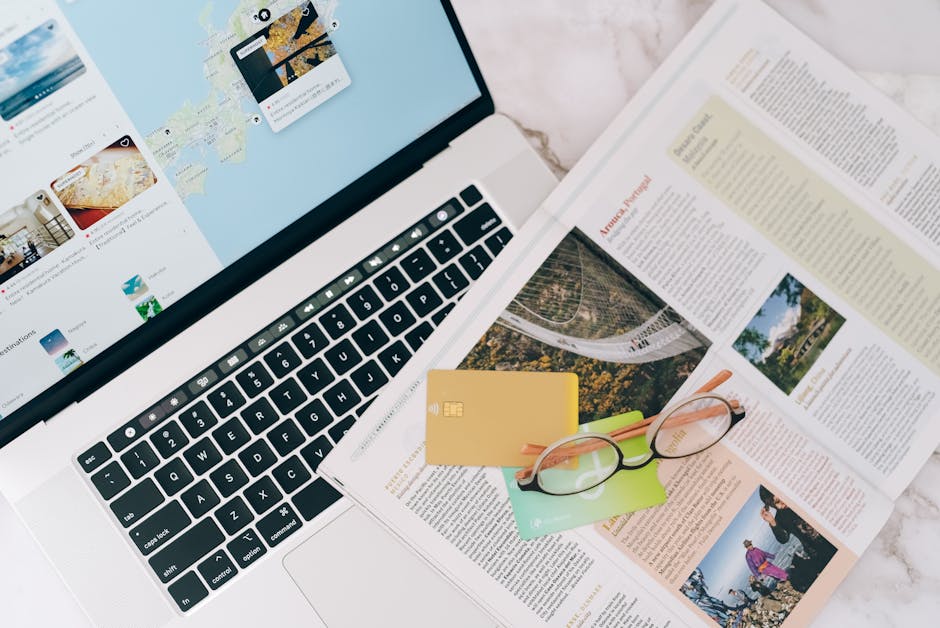
Join hotel loyalty programs to earn points, get free nights, or receive room upgrades. Even if you don’t travel frequently, signing up is free and can lead to instant benefits like late checkout or complimentary breakfast.
Travel credit cards often offer sign-up bonuses, airport lounge access, and statement credits for travel expenses. Use them responsibly to maximize value.
Eat Smart: Enjoy Local Food Without Overspending
Dining out is one of the most enjoyable parts of travel—but it can also drain your budget quickly. With a few smart choices, you can eat well and save money.
Eat Like a Local
Avoid restaurants near major tourist sites. They often charge inflated prices for lower-quality food. Instead, walk a few blocks away and look for places filled with locals.
Street food is another excellent option. In cities like Bangkok, Mexico City, or Istanbul, you can enjoy delicious, authentic meals for just a few dollars.
Cook Some of Your Own Meals
If your accommodation has a kitchen, consider preparing simple meals. Buying groceries from local markets saves money and gives you a taste of regional produce.
A sandwich from a deli in Paris might cost €12, but assembling one from a market for €4 lets you enjoy the same flavors at a fraction of the price.
Take Advantage of Happy Hours and Lunch Specials
Many restaurants offer discounted menus during off-peak hours. Lunch specials are often half the price of dinner menus, with similar portion sizes.
In Barcelona, for example, a three-course menú del día at noon might cost €15, while the same dishes at dinner go for €30.
Cut Costs on Transportation
Getting around efficiently and affordably is key to managing your travel budget. Relying on taxis or ride-shares can add up fast.
Use Public Transit
Most cities have reliable, low-cost public transportation systems. Buy multi-day transit passes for the best value. In Tokyo, a 72-hour subway pass costs around ¥1,500 (about $10), while a single ride is ¥200.
Walking or biking is even cheaper—and often faster in congested areas. Many European cities are highly walkable, with scenic routes between attractions.
Avoid Airport Taxis When Possible
Airport transfers by taxi can be expensive. Instead, use trains, buses, or shared shuttles. In London, the Heathrow Express costs £25, but the Tube costs just £5.50 and takes only 10 minutes longer.
Apps like Rome2Rio help compare transport options and costs across cities.
Rent a Bike or Scooter
In cities with bike-sharing programs, renting a bike for a day can cost less than a single metro ticket. Amsterdam, Copenhagen, and Lisbon all have excellent bike infrastructure.
Electric scooters are another fun and affordable option in many urban areas. Just wear a helmet and follow local traffic rules.
Save on Activities and Attractions
Experiences are what make travel memorable, but entrance fees, tours, and excursions can quickly inflate your budget.
Look for Free Attractions
Many cities offer free museums, parks, and cultural sites. In London, the British Museum, National Gallery, and Tate Modern are all free to enter. In New York, Central Park, the High Line, and many galleries in Chelsea don’t charge admission.
Check city tourism websites for lists of free things to do. Many also offer free walking tours—tip-based guides who share local history and hidden gems.
Buy City Passes or Tourist Cards
If you plan to visit multiple paid attractions, a city pass can save you 20–50%. The Paris Museum Pass, for example, grants access to over 50 sites for a flat fee and lets you skip lines.
Compare the total cost of individual tickets versus the pass. If you’ll visit three or more paid attractions, the pass is usually worth it.
Book Tours in Advance—or Skip Them Altogether
Group tours can be convenient but often come with markups. Booking directly through local operators or online platforms like GetYourGuide can reduce costs.
Alternatively, explore on your own. With a good map and a bit of research, you can create your own itinerary and save money while enjoying a more personal experience.
Manage Your Money Wisely
Currency exchange fees, ATM charges, and dynamic currency conversion can silently eat into your budget.
Use a No-Fee Travel Credit Card
Many credit cards charge foreign transaction fees of 3% or more. Use a card with no foreign fees, such as those from Chase Sapphire, Capital One, or Charles Schwab.
These cards also often offer travel insurance, purchase protection, and rewards points.
Avoid Airport Currency Exchanges
Airport kiosks offer the worst exchange rates and highest fees. Withdraw local currency from ATMs in the city instead. Choose ATMs affiliated with major banks to avoid surcharges.
Notify your bank before traveling to avoid card blocks. Keep a backup card in case of emergencies.
Track Your Spending
Use a budgeting app like Trail Wallet, Splitwise, or even a simple spreadsheet to monitor daily expenses. Set a daily spending limit and stick to it.
Review your spending every few days to catch overspending early. Adjust your plans if needed—skip a pricey dinner or choose a free activity.
Travel Off-Season for Big Savings
Timing your trip during the off-season can lead to massive savings on flights, hotels, and activities.
Enjoy Lower Prices and Fewer Crowds
Traveling just before or after peak season often means lower prices and more availability. In Greece, visiting in late April or early October offers pleasant weather, fewer tourists, and prices 30–50% lower than in July.
Even in popular destinations, shoulder seasons (spring and fall) offer the best balance of good weather and affordability.
Be Mindful of Local Holidays
Avoid traveling during major local holidays, when prices surge and attractions are packed. In Japan, Golden Week (late April to early May) sees domestic travel spike, driving up costs.
Check national calendars before booking to avoid unexpected price hikes.
Pack Smart to Avoid Extra Fees
Overpacking can cost you—especially with budget airlines that charge for checked bags.
Travel Light with a Carry-Only Bag
Packing everything into a carry-on saves checked baggage fees and reduces the risk of lost luggage. Most airlines allow one personal item and one carry-on for free.
Use packing cubes to organize clothes and maximize space. Roll garments instead of folding to save room and reduce wrinkles.
Weigh Your Bag Before Leaving
Many budget airlines have strict weight limits for carry-ons. A small luggage scale helps you avoid surprise fees at the gate.
If your bag is too heavy, wear your heaviest shoes and jacket on the plane.
Stay Connected Without Roaming Charges
Staying in touch doesn’t have to be expensive. Avoid international roaming fees with these smart strategies.
Buy a Local SIM Card
Purchase a prepaid SIM card at the airport or a local store. In Thailand, a 4G SIM with 10GB of data costs around $10 and lasts 30 days.
This gives you fast internet, local calls, and access to maps and translation apps without relying on Wi-Fi.
Use Wi-Fi Whenever Possible
Many cafes, hotels, and public spaces offer free Wi-Fi. Use it for messaging, video calls, and uploading photos.
Download offline maps and translation tools before your trip to stay connected even without data.
Protect Your Budget with Travel Insurance
A small investment in travel insurance can prevent a financial disaster. Medical emergencies, trip cancellations, or lost luggage can cost thousands.
Choose the Right Coverage
Look for policies that cover trip cancellation, medical expenses, and baggage loss. Compare plans on sites like Squaremouth or InsureMyTrip.
If you have a travel credit card, check if it includes basic insurance—some offer trip delay or rental car coverage.
Don’t Skip Insurance for Short Trips
Even a weekend getaway can go wrong. A sudden illness or flight cancellation could leave you out hundreds of dollars. A basic policy often costs $50–$100 and provides peace of mind.
FAQ
How far in advance should I book my trip to get the best prices?
For domestic trips, book 1–3 months in advance. For international travel, aim for 2–8 months ahead. Use price alerts to monitor fluctuations and book when fares drop.
Is it cheaper to book flights and hotels together?
Sometimes. Package deals on sites like Expedia or Priceline can offer discounts, but always compare the total cost with separate bookings. Flexibility often yields better savings.
Can I really save money by traveling off-season?
Yes. Off-season travel typically means lower prices, fewer crowds, and better availability. Just check weather conditions and local events to ensure a pleasant experience.