
Ultimate Travel Tips for Smart Travel Day Routines
Smart travel day routines save time, reduce stress, and help you make the most of every trip—whether it’s a weekend getaway or a month-long adventure. By planning ahead, packing strategically, and staying organized on the go, you can avoid common travel pitfalls and enjoy smoother journeys. This guide shares practical, no-fluff advice to build efficient daily habits that work across destinations and travel styles. From pre-departure prep to in-transit comfort, these tips are designed for real travelers who value preparation without overcomplication.
Plan Your Day Before You Leave Home
A strong travel day starts the night before. Review your itinerary, confirm transportation times, and check weather forecasts for your destination. Set alarms for key moments—like check-in deadlines or early morning departures—and sync them across devices.
Use a travel checklist app or a simple notes file to track essentials: passport, tickets, medications, chargers, and any reservations. Cross-reference your packing list with your planned activities to avoid forgetting critical items like hiking boots or a formal outfit.
Set Up Digital Access in Advance
Download offline maps, translation apps, and boarding passes before heading to the airport. Enable airplane mode and Wi-Fi calling on your phone to avoid roaming charges. Save digital copies of important documents in a secure cloud folder accessible from any device.
Example: If you’re traveling to Tokyo, download Google Maps with offline areas for Shinjuku and Shibuya. Add your hotel address in Japanese characters to your notes for easy taxi sharing.
Prepare for Time Zone Shifts
If crossing multiple time zones, start adjusting your sleep schedule 2–3 days prior. On the flight, reset your watch to destination time and stay awake or sleep accordingly. Use natural light exposure upon arrival to help reset your internal clock faster.
Warning: Avoid heavy meals or alcohol during long flights, as they can worsen jet lag and dehydrate you. Opt for water and light snacks instead.
Pack Light, Pack Smart
Overpacking slows you down and increases stress. Stick to a carry-on when possible—most airlines allow 7–10 kg (15–22 lbs) in overhead bins. Choose versatile clothing in neutral colors that mix and match easily.
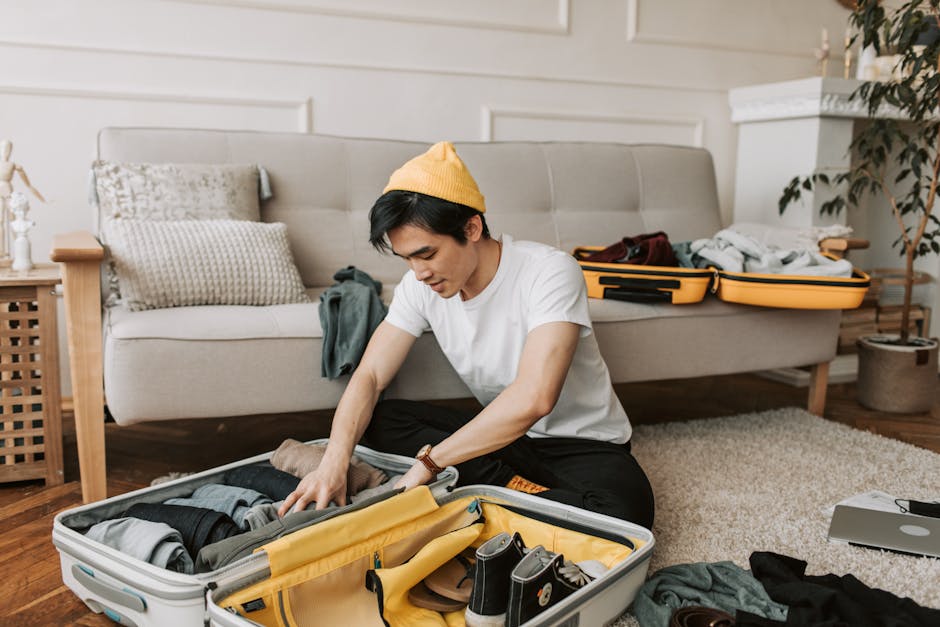
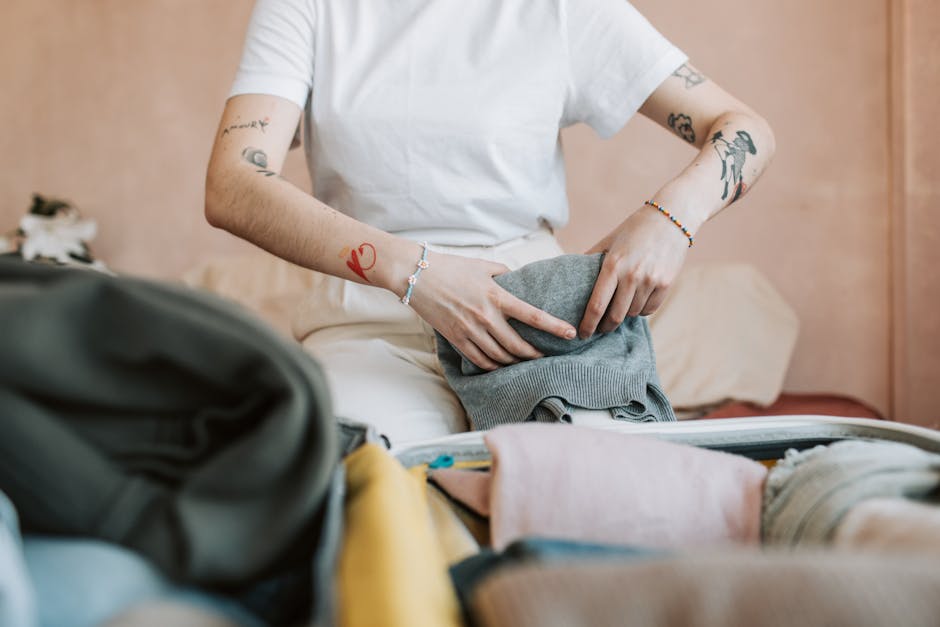
Roll clothes instead of folding to save space and reduce wrinkles. Use packing cubes to separate categories like underwear, tops, and accessories. Keep a small day bag with essentials: wallet, phone charger, headphones, and a reusable water bottle.
Essential Items to Keep Handy
Always carry a portable charger, a universal power adapter, and a lightweight scarf or jacket—even in warm climates. Airports and planes can get chilly, and scarves double as blankets, pillows, or modesty covers in religious sites.
Include a small first-aid kit with pain relievers, band-aids, motion sickness tablets, and any prescription meds in original containers. TSA allows liquid medications in reasonable quantities, but keep them accessible for security checks.
Know What Not to Pack
Avoid liquids over 100ml (3.4 oz) in carry-ons—they’ll be confiscated at security. Skip bulky guidebooks; use digital versions instead. Don’t pack valuables like jewelry or extra cash in checked luggage. Keep them with you at all times.
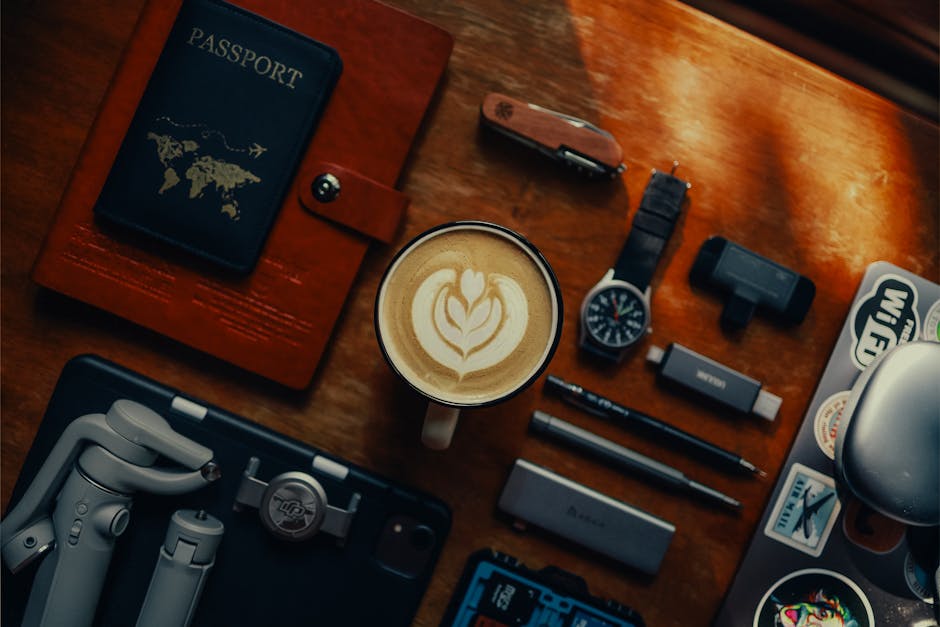
Takeaway: If you didn’t use it on your last trip, you probably don’t need it this time. Less is more when it comes to travel efficiency.
Master Airport and Transit Efficiency
Arrive at the airport with enough buffer time—2 hours for domestic, 3 for international flights. Use mobile check-in and download your boarding pass to skip kiosks. Wear slip-on shoes and avoid belts or excessive jewelry to speed through security.
Join trusted traveler programs like TSA PreCheck or Global Entry if you fly frequently. These reduce wait times and allow you to keep shoes and laptops in bags during screening.
Navigate Layovers Like a Pro
Use layover time productively. Stretch your legs, hydrate, and explore airport amenities. Many major hubs have quiet zones, showers, or even nap pods. Download airport maps in advance to locate gates, restrooms, and food options quickly.
Example: In Dubai International Airport, Terminal 3 has free Wi-Fi, prayer rooms, and a 24-hour food court. Knowing this ahead of time turns a long layover into a mini-break.
Stay Charged and Connected
Power outlets are scarce in airports. Bring a multi-port USB charger and a power bank with at least 10,000mAh capacity. Label your cords to avoid confusion. Use airport Wi-Fi cautiously—avoid logging into banking apps on public networks.
Warning: Never leave your bag unattended, even for a bathroom break. Use luggage locks and keep your carry-on within sight at all times.
Optimize Your Daily Itinerary
Don’t over-schedule. Aim for 2–3 key activities per day to allow flexibility and rest. Prioritize must-see attractions early in the day when energy is high and crowds are smaller. Build in buffer time between events for transit, meals, or unexpected delays.
Use a digital calendar to block time for sightseeing, meals, and downtime. Color-code entries by category—blue for transport, green for meals, red for reservations—to visualize your day at a glance.
Balance Exploration with Rest
Travel fatigue is real. Schedule a midday break, especially in hot climates. Return to your hotel for a shower, nap, or quiet coffee. This recharge helps you enjoy evening activities without burnout.
Example: In Barcelona, visit the Sagrada Família in the morning, return to your apartment for lunch and rest, then explore Gothic Quarter shops in the cooler evening hours.
Use Local Transportation Wisely
Research public transit options before arriving. Many cities offer day passes or contactless payment systems. Avoid taxis during rush hour—subways and buses are often faster and cheaper.
Download local transit apps like Citymapper or Moovit for real-time schedules and route planning. In Tokyo, the Suica card works on trains, buses, and even vending machines.
Stay Safe and Aware
Safety starts with awareness. Research local scams, unsafe neighborhoods, and emergency numbers. Share your itinerary with a trusted contact back home. Check in regularly, especially if traveling solo.
Keep digital and physical copies of your passport, visa, and insurance details. Store one set in your hotel safe and carry another in a hidden money belt or neck pouch.
Protect Your Belongings
Use anti-theft bags with slash-proof straps and locking zippers. Never leave drinks unattended in public. Be cautious with street vendors offering “too good to be true” deals—they may be scams.
Warning: Avoid displaying expensive electronics or jewelry in crowded areas. Keep your phone in a front pocket and use crossbody bags instead of backpacks in busy markets.
Know Emergency Protocols
Save local emergency numbers in your phone. In Europe, dial 112 for police, fire, or medical help. Register with your embassy if staying abroad for an extended period. Know the location of the nearest hospital or clinic.
Takeaway: Preparation prevents panic. A few minutes of research can save hours of stress in an emergency.
Maintain Health and Comfort On the Go
Stay hydrated, especially during flights and in hot climates. Aim for 8 ounces of water every hour. Avoid excessive caffeine and alcohol, which dehydrate you and disrupt sleep.
Move regularly during long flights—stand, stretch, or walk the aisle every hour to reduce DVT risk. Wear compression socks if prone to swelling.
Eat Like a Local, But Wisely
Street food is part of the experience, but choose busy stalls with high turnover. Look for food served hot and cooked in front of you. Avoid raw vegetables washed in tap water in regions with questionable sanitation.
Carry probiotics or digestive enzymes if you have a sensitive stomach. Start each day with a light, familiar breakfast to ease into local cuisine gradually.
Prioritize Sleep
Quality sleep improves mood, immunity, and decision-making. Use earplugs, an eye mask, and a travel pillow on overnight flights or noisy hostels. Stick to a consistent bedtime when possible, even across time zones.
Example: In hostels, bring your own sleep mask and earplugs. Many offer quiet hours—respect them to maintain good relationships with staff and other travelers.
Capture Memories Without Sacrificing Presence
Take photos, but don’t let your phone dominate the experience. Designate specific times for photography—like golden hour at a landmark—and put the device away during meals or conversations.
Use a small notebook to jot down impressions, quotes, or observations. These handwritten notes often capture more than any photo.
Back Up Your Data
Upload photos and videos to the cloud daily. Use apps like Google Photos or iCloud with auto-backup enabled. Carry a portable hard drive as a secondary backup for long trips.
Warning: Don’t rely solely on your phone. Memory cards fail, phones get lost. Always have at least two copies of important files.
Wrap Up Each Day with Intention
End your travel day with a quick review. Note what worked, what didn’t, and adjust tomorrow’s plan accordingly. Charge devices, lay out clothes, and set alarms. This small ritual reduces morning stress.
Reflect on one positive moment from the day. Gratitude enhances travel satisfaction and helps you stay present.
FAQ
How can I avoid jet lag when traveling across time zones?
Start adjusting your sleep schedule 2–3 days before departure. On the flight, reset your watch to destination time and sleep or stay awake accordingly. Upon arrival, expose yourself to natural light and avoid napping too long during the day.
What should I always carry in my personal item on a flight?
Keep essentials like your passport, boarding pass, phone charger, headphones, medications, a change of clothes, and a reusable water bottle in your personal item. This ensures access to critical items even if your carry-on is gate-checked.
Is it better to book tours in advance or on arrival?
Book popular or limited-capacity tours (like museum visits or guided hikes) in advance to guarantee spots. For flexible activities like city walks or food tours, booking on arrival can offer better deals and local recommendations.