
Easy Destination Guide to Bangkok for First Time Trips
Bangkok is a vibrant, sensory-rich city that welcomes first-time visitors with open arms. From golden temples and bustling markets to modern shopping malls and world-class street food, it offers a dynamic mix of tradition and modernity. This guide covers everything you need to know—from arrival tips and must-see attractions to local etiquette and practical advice—so you can explore Bangkok confidently and comfortably. Whether you’re here for three days or two weeks, this easy destination guide will help you make the most of your first trip.
Arriving in Bangkok: What to Expect
Most international travelers arrive at Suvarnabhumi Airport (BKK), located about 30 kilometers east of central Bangkok. The airport is modern, well-organized, and offers clear signage in English. Immigration lines can be long during peak hours, so arrive early if you’re catching a connecting flight or have a tight schedule.
From the airport, you have several transport options. The Airport Rail Link connects directly to the BTS Skytrain at Phaya Thai Station, offering a fast and affordable way into the city. Taxis are also available—just use the official taxi queue and ensure the meter is running to avoid overcharging.
Getting Around the City
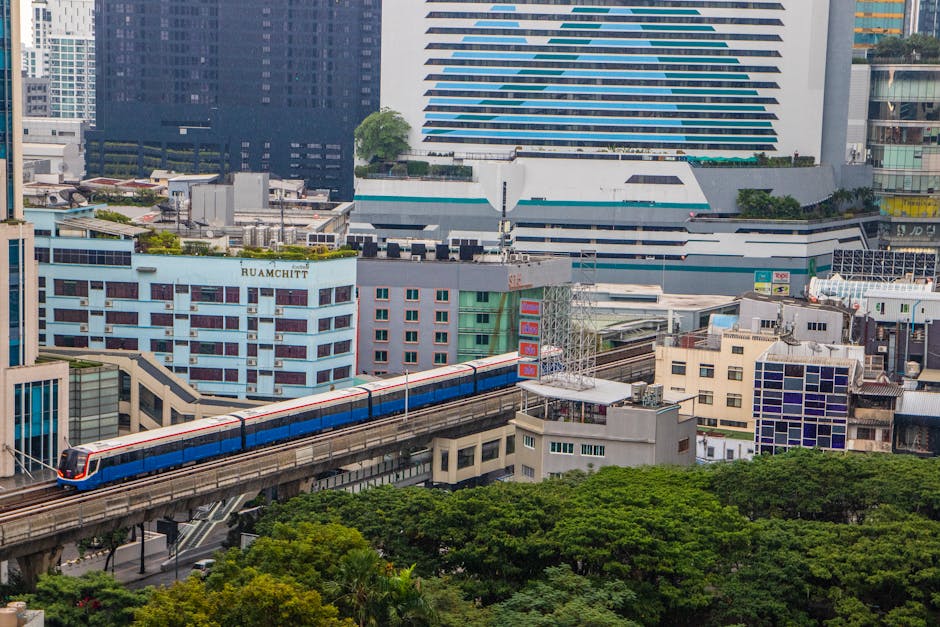
Bangkok’s public transport system is efficient and budget-friendly. The BTS Skytrain and MRT subway cover major areas like Siam, Sukhumvit, Silom, and Chatuchak. Buy a rechargeable Rabbit Card for seamless travel across both systems.
For short distances, tuk-tuks are iconic but often overpriced for tourists. Always negotiate the fare upfront or use ride-hailing apps like Grab, which offer fixed pricing. Avoid unmarked taxis and insist on using the meter.
Where to Stay: Best Neighborhoods for First-Timers
Choosing the right area can simplify your trip. Each neighborhood offers a different vibe and level of convenience.
Sukhumvit
Sukhumvit is a top choice for first-time visitors. It’s central, well-connected by the BTS, and packed with restaurants, cafes, and shopping. Areas like Asok and Nana are lively and walkable, while Thong Lor offers a more upscale, local feel.
Hotels range from budget hostels to luxury high-rises. Staying here puts you within easy reach of both nightlife and cultural sites.
Riverside (Chao Phraya River)
The riverside area offers scenic views and proximity to major temples like Wat Arun and the Grand Palace. Hotels here often have riverfront pools and dining. It’s quieter than Sukhumvit but still accessible via the BTS or river ferry.
This area is ideal if you want a more relaxed base with easy access to historical landmarks.
Silom and Lumphini
Silom is known for its business district and nightlife, including the famous Patpong Night Market. Lumphini Park nearby offers green space and a break from the urban buzz. This area is well-served by the MRT and BTS.
It’s a solid option if you want convenience and don’t mind a slightly more commercial atmosphere.
Top Attractions You Can’t Miss
Bangkok is packed with sights, but some stand out for their cultural significance and visual impact.
The Grand Palace and Wat Phra Kaew
The Grand Palace is Bangkok’s most iconic landmark. Built in 1782, it served as the royal residence for centuries. Inside its walls lies Wat Phra Kaew, the Temple of the Emerald Buddha, one of Thailand’s most sacred sites.
Entry costs 500 THB. Dress modestly—cover shoulders and knees. Arrive early to beat the crowds and heat. Photography is allowed in most areas, but not inside the main temple hall.
Wat Arun (Temple of Dawn)
Located across the river from the Grand Palace, Wat Arun is easily recognizable by its towering spire decorated with colorful porcelain. Climb the steep steps for panoramic views of the city and river.
The best time to visit is at sunset. Entry is 100 THB. Use the ferry from Tha Tien Pier near the Grand Palace for a scenic and inexpensive crossing.
Chatuchak Weekend Market
One of the world’s largest outdoor markets, Chatuchak sprawls across 35 acres with over 15,000 stalls. You’ll find everything from vintage clothing and handmade crafts to tropical plants and street food.
It’s open only on weekends (Friday evening to Sunday). Go early to avoid the midday heat. Bring cash and wear comfortable shoes. Bargaining is expected—start at half the asking price.
Floating Markets
While not in central Bangkok, floating markets like Damnoen Saduak and Amphawa offer a glimpse into traditional Thai life. Vendors sell fresh fruit, snacks, and souvenirs from longtail boats.
These markets are touristy but charming. Visit in the morning for the best experience. Consider a half-day tour from Bangkok, which often includes transportation and a boat ride.
Food and Dining: A Taste of Bangkok
Bangkok is a food lover’s paradise. From humble street stalls to Michelin-starred restaurants, the city serves incredible flavors at every price point.
Street Food Essentials
Don’t leave without trying pad Thai, som tam (green papaya salad), mango sticky rice, and tom yum goong (spicy shrimp soup). Look for busy stalls—high turnover means fresher ingredients.
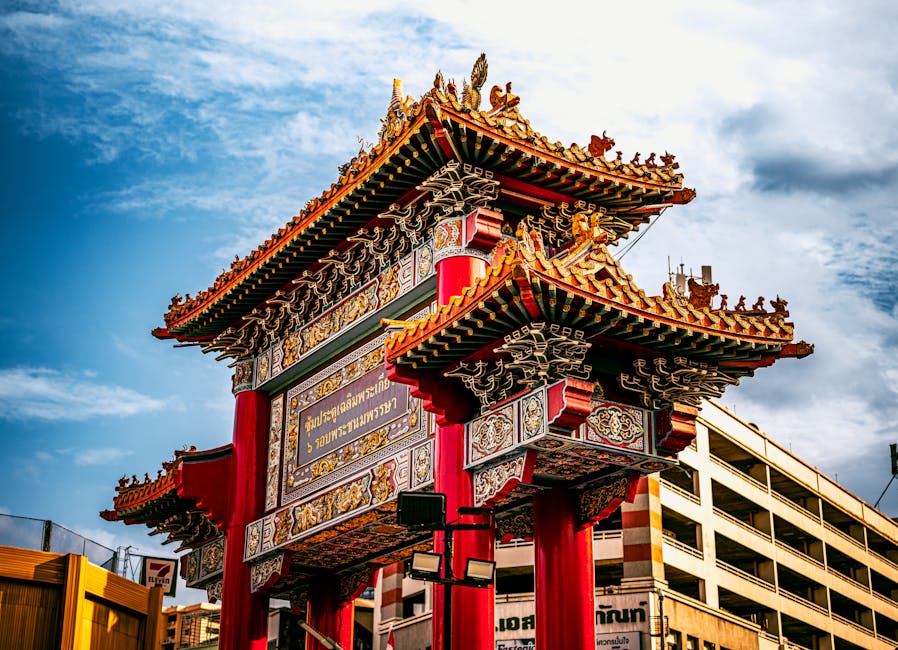
Popular street food hubs include Yaowarat (Chinatown), where night markets come alive after dark, and Khao San Road, a backpacker favorite with international and local options.
Where to Eat Like a Local
For authentic Thai meals, visit local shophouses or food courts in malls like MBK Center or Terminal 21. These air-conditioned spaces offer hygienic, affordable meals with English menus.
Try Jay Fai, a Michelin-starred street food legend known for her crab omelet and drunken noodles. Be prepared to wait—reservations aren’t accepted.
Drinks and Nightlife
Bangkok’s nightlife is legendary. Rooftop bars like Vertigo at Banyan Tree offer stunning city views with cocktails. For a more local experience, head to a neighborhood bar in Thong Lor or Ekkamai.
Be cautious with drinks—avoid accepting open beverages from strangers. Stick to sealed bottles or drinks you see prepared.
Shopping in Bangkok: What to Buy and Where
Bangkok is a shopping destination with options for every budget and taste.
Modern Malls
Malls like Siam Paragon, CentralWorld, and EmQuartier offer international brands, electronics, and luxury goods. They’re air-conditioned, safe, and open late—perfect for escaping the heat.
Many malls have tax-free shopping for tourists. Ask for a VAT refund form at checkout and present it at the airport.
Local Markets and Bazaars
For unique souvenirs, visit Chatuchak (weekends only) or Pratunam Market, known for wholesale clothing and fabrics. Talad Rot Fai (Train Night Market) in Srinakarin offers vintage finds, art, and street food.
Bargaining is common in markets. Stay polite but firm. A smile goes a long way.
What to Bring Home
Popular items include Thai silk, handmade soaps, spices, and local snacks like coconut candies or dried mangoes. Avoid purchasing wildlife products or counterfeit goods—they’re illegal and harm local ecosystems.
Cultural Tips and Etiquette
Understanding local customs will enhance your experience and show respect.
Dress Modestly at Temples
When visiting religious sites, cover your shoulders and knees. Remove shoes before entering temple buildings. Avoid pointing your feet at Buddha images—feet are considered the lowest part of the body.
Respect the Monarchy
The Thai monarchy is deeply respected. Never speak negatively about the royal family. Step aside during the daily royal anthem played at 8 AM and 6 PM in public spaces.
Greetings and Gestures
The traditional greeting is the “wai”—a slight bow with palms pressed together. Use it when entering temples or greeting elders. Don’t touch someone’s head or point with your finger—use your whole hand instead.
Safety and Practical Tips
Bangkok is generally safe for tourists, but staying alert helps avoid common issues.
Avoid Scams
Be wary of overly friendly strangers offering tours or “closed” attractions. The “gem scam” and “temple closure” ruse are common. Always verify information independently.
If a tuk-tuk driver says a major site is closed, don’t believe it—most temples are open daily. Politely decline and use official transport.
Stay Hydrated and Cool
Bangkok’s heat and humidity can be intense. Drink plenty of water and carry a refillable bottle. Many cafes and malls offer free water refills.
Wear lightweight, breathable clothing and use sunscreen. Take breaks in air-conditioned spaces during the hottest part of the day (11 AM–3 PM).
Health and Hygiene
Tap water isn’t safe to drink. Stick to bottled water and avoid ice in questionable places. Most restaurants and cafes use filtered ice, but street vendors may not.
Carry hand sanitizer and wet wipes. Public restrooms are available in malls and tourist areas, but may charge a small fee.
Day Trips from Bangkok
If you have extra time, consider a short trip outside the city.
Ayutthaya Historical Park
Just an hour north of Bangkok, Ayutthaya is a UNESCO World Heritage Site with ancient temple ruins. Rent a bike or join a guided tour to explore the sprawling site.
Trains leave from Bangkok’s Hua Lamphong Station. Entry to the park is free, but individual temples charge 50–100 THB.
Maeklong and Amphawa Floating Markets
These lesser-known markets offer a more authentic experience than Damnoen Saduak. Maeklong is famous for its railway market, where vendors retract their stalls as trains pass.
Amphawa is quieter and great for evening boat tours to see fireflies. Combine both in a full-day tour from Bangkok.
Final Tips for a Smooth First Trip
Pack light and bring versatile clothing. A lightweight scarf or shawl is useful for temple visits. Download offline maps and translation apps like Google Translate.
Keep digital and physical copies of your passport and travel insurance. Register with your embassy if staying long-term.
Most importantly, embrace the chaos. Bangkok can be overwhelming at first, but its energy, kindness, and charm quickly win you over.
FAQ
Is Bangkok safe for solo travelers?
Yes, Bangkok is generally safe for solo travelers, including women. Stick to well-lit, busy areas at night, avoid unmarked taxis, and keep your belongings secure. Use trusted transport apps like Grab.
Do I need to tip in Bangkok?
Tipping isn’t mandatory but appreciated. In restaurants, rounding up the bill or leaving 10–20 THB is common. For hotel staff or tour guides, 50–100 THB is a kind gesture.
What’s the best time to visit Bangkok?
The cool, dry season from November to February is ideal. Temperatures are more comfortable, and rainfall is minimal. Avoid March to May, when heat peaks, and June to October, which is rainy season.