
Top Adventure Travel Journeys for Brave Solo Travelers
Adventure travel isn’t just for groups or couples. Solo travelers seeking challenge, solitude, and unforgettable experiences can find some of the world’s most rewarding journeys designed specifically for independent explorers. From high-altitude treks to remote wilderness expeditions, these trips demand courage, preparation, and resilience—but deliver profound personal growth and awe-inspiring moments in return. This guide highlights the best adventure travel journeys for solo travelers who are ready to step beyond comfort zones and embrace the unknown.
Why Solo Adventure Travel Appeals to the Brave
Solo travel strips away distractions, forcing reliance on oneself. It fosters self-trust, sharpens decision-making, and deepens cultural immersion. For many, it’s not about escaping life—it’s about engaging with it more fully.
Adventure travel amplifies these benefits. Facing physical challenges alone builds mental toughness. Navigating unfamiliar terrain without a companion cultivates adaptability. And completing a demanding journey solo often brings a sense of accomplishment unmatched by group experiences.
That said, solo adventure travel isn’t for everyone. It requires honest self-assessment. Are you comfortable with uncertainty? Can you handle emergencies alone? If so, the rewards are immense.
Essential Preparation for Solo Adventure Travelers
Preparation separates successful solo adventurers from those who struggle. Start by researching your destination thoroughly. Understand local customs, weather patterns, and potential hazards.
Invest in quality gear tailored to your journey. A reliable backpack, weather-appropriate clothing, and navigation tools are non-negotiable. Test all equipment before departure.
Physical and Mental Readiness
Train in advance. If you’re trekking in the Himalayas, build endurance with long hikes carrying a loaded pack. For jungle expeditions, practice heat acclimatization.
Mental preparation is just as vital. Solo travel can be isolating. Practice mindfulness or journaling to stay grounded. Know your limits and plan rest days.
Safety and Communication
Always share your itinerary with someone trustworthy. Use GPS tracking apps like Garmin inReach or SPOT to send location updates.
Carry a basic first-aid kit and know how to use it. Learn emergency phrases in the local language. Register with your embassy if traveling to remote regions.
Budgeting and Logistics
Solo travel often costs more per person than group trips. Book accommodations and transport early to secure better rates.
Consider travel insurance that covers adventure activities and emergency evacuation. Some policies exclude high-risk pursuits—read the fine print.
Top Adventure Travel Journeys for Solo Travelers
These journeys are selected for their safety records, accessibility for independent travelers, and transformative potential. Each offers a unique blend of challenge, scenery, and cultural depth.
The Torres del Paine Circuit, Chile
This 5–7 day trek in Patagonia circles the iconic granite towers of Torres del Paine National Park. The full circuit covers over 50 miles of rugged trails, glacial rivers, and alpine meadows.
Solo travelers appreciate the well-marked paths and established refugios (mountain huts). Weather changes rapidly—prepare for wind, rain, and snow even in summer.
Best time to go: November to March. Permits are required and often sell out months in advance. Start in Puerto Natales and arrange transport to the trailhead.
Annapurna Circuit, Nepal
One of the world’s classic treks, the Annapurna Circuit traverses diverse landscapes—from subtropical forests to high-altitude deserts—before crossing the Thorong La Pass at 17,769 feet.
The route passes through traditional villages, offering rich cultural exchanges. Teahouses provide food and lodging, making it manageable for solo travelers.
Altitude sickness is a real risk. Ascend gradually and consider a rest day in Manang. The trek typically takes 15–20 days. Obtain a TIMS card and park permit before starting.
Laugavegur Trail, Iceland
Stretching 34 miles from Landmannalaugar to Þórsmörk, this trail showcases Iceland’s otherworldly terrain: rhyolite mountains, geothermal hot springs, black sand deserts, and glacial rivers.
The trail is well-maintained with mountain huts and marked paths. Solo hikers should carry a GPS device and be prepared for sudden weather shifts.
Best time: June to September. Book huts in advance—they fill quickly. Start with a bus from Reykjavík to Landmannalaugar.
The Darién Gap, Panama to Colombia
This is not a trek for the faint-hearted. The Darién Gap is a 66-mile stretch of dense rainforest and swamps with no roads, connecting Central and South America.
Only experienced, well-prepared solo travelers should attempt it. Travel with a local guide—required for safety and legality. Risks include wildlife, river crossings, and limited rescue options.
Permits are needed from both Panama and Colombia. Allow 5–7 days for the crossing. This journey is about survival as much as discovery.
Trans-Siberian Railway Adventure, Russia
While not a physical trek, this rail journey from Moscow to Vladivostok spans eight time zones and seven days—offering a different kind of adventure.
Solo travelers can explore remote towns like Irkutsk and Ulan-Ude, visit Lake Baikal, and experience Russian hospitality. Trains are safe and comfortable, with dining cars and sleeper cabins.
Book tickets in advance, especially for private cabins. Learn basic Russian phrases. Carry snacks and entertainment—Wi-Fi is limited.
Kilimanjaro via the Lemosho Route, Tanzania
Climbing Africa’s highest peak is a bucket-list goal for many solo adventurers. The Lemosho Route is less crowded than Machame and offers excellent acclimatization.
Trekking agencies provide guides, porters, and meals. Solo travelers join small groups but maintain independence in pacing and decision-making.
Success depends on preparation and altitude tolerance. Most climbers take 7–8 days. Acclimatization days in Moshi before the climb improve odds.
The Great Himalaya Trail, Nepal
This high-altitude trail spans over 1,000 miles across Nepal, but most solo travelers tackle a section—such as the Eastern or Western route.
The Eastern section from Jiri to Namche Bazaar follows the original Hillary route to Everest Base Camp. It’s less crowded and more culturally immersive than the standard EBC trek.
Requires strong fitness and altitude awareness. Teahouses are basic but available. Best months: March–May and October–November.
Patagonia’s Huemul Circuit, Argentina
Often called the “hardest trek in South America,” the Huemul Circuit in Los Glaciares National Park involves glacier crossings, cable traverses, and steep ascents.
Permits are limited and require proof of experience. Solo travelers must demonstrate technical skills or hire a certified guide.
The 4-day trek rewards with views of Perito Moreno Glacier and the Southern Patagonian Ice Field. Weather can delay progress—flexibility is key.
The Snowman Trek, Bhutan
This 25-day high-altitude trek crosses 11 mountain passes above 15,000 feet, passing through remote villages and Buddhist monasteries.
Bhutan requires a licensed guide and daily minimum spending, making it expensive but highly regulated for safety. Solo travelers join small guided groups.
Best time: September to November. Acclimatization is critical. The trek is only recommended for experienced high-altitude hikers.
The West Coast Trail, Canada
Located on Vancouver Island, this 47-mile trail follows the Pacific coastline through rainforests, beaches, and old-growth cedar groves.
Solo hikers must be self-sufficient. The trail includes ladder climbs, river crossings, and tidal zones—timing is essential.
Permits are required and limited to 66 hikers per day. Book months in advance. Best months: May to September.
Choosing the Right Journey for You
Not every adventure suits every solo traveler. Consider your experience level, physical condition, budget, and risk tolerance.
Beginners should start with well-supported routes like the Torres del Paine Circuit or Laugavegur Trail. These offer safety nets while still providing challenge.
Experienced adventurers might seek remote, technical routes like the Huemul Circuit or Darién Gap. These demand advanced skills and contingency planning.
Match Your Journey to Your Personality
Are you drawn to solitude and silence? Choose a remote trek with few other travelers. Prefer cultural interaction? Opt for routes passing through villages.
Do you thrive on routine or improvisation? Some trails require strict planning; others allow flexibility. Know your travel style.
Test Your Limits Gradually
Don’t attempt a 25-day Himalayan trek as your first solo adventure. Build experience with shorter, less demanding trips.
Consider a weekend backpacking trip or a 3-day coastal hike. Use these to assess your comfort with solitude, gear, and navigation.
Safety Tips for Solo Adventure Travelers
Safety isn’t about avoiding risk—it’s about managing it intelligently. Even on well-traveled trails, things can go wrong.
Stay Visible and Connected
Carry a personal locator beacon (PLB) or satellite messenger. These devices can send SOS signals even without cell service.
Check in regularly with a contact at home. Set automated check-ins if possible. Silence can be dangerous if you’re injured.
Know When to Turn Back
Many accidents happen when travelers push beyond their limits. Fatigue, weather, or injury should prompt a retreat—not a push forward.
Turning back isn’t failure. It’s wisdom. The mountain will still be there another day.
Respect Local Conditions and Customs
Weather, terrain, and culture vary widely. What’s safe in one region may be deadly in another.
Dress appropriately, follow local advice, and avoid risky shortcuts. In many places, ignoring trail markers is illegal and dangerous.
Gear Essentials for Solo Adventure Travel
Your gear can mean the difference between comfort and crisis. Prioritize reliability and versatility.
Navigation Tools
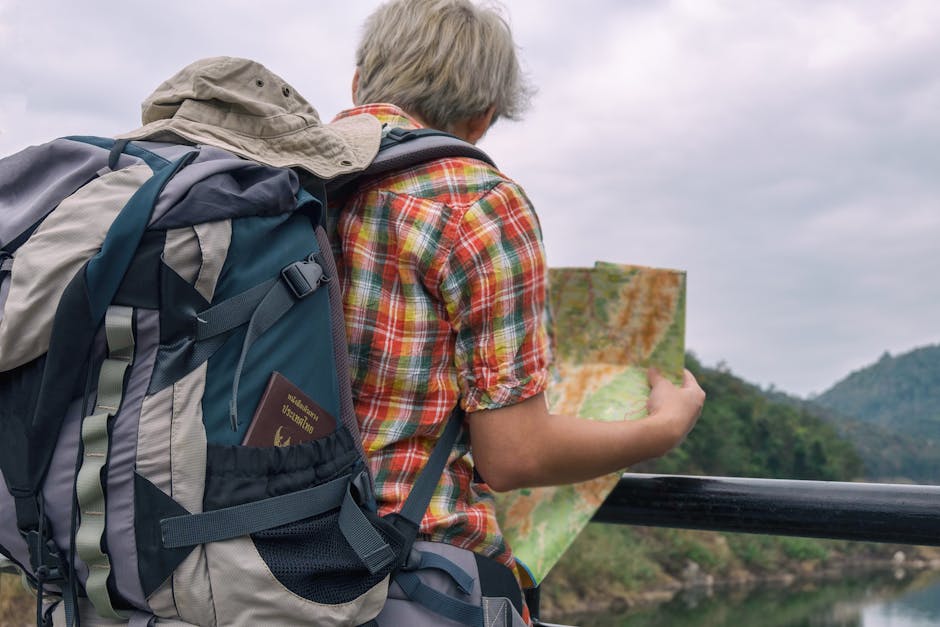
Carry a map and compass—even if you use GPS. Batteries die, signals drop. Learn basic orienteering.
Download offline maps on your phone. Apps like Gaia GPS or Maps.me work without internet.
Shelter and Sleep System
A lightweight tent or bivy sack is essential for multi-day treks. Choose one rated for expected weather.
Use a sleeping bag appropriate for the season and a sleeping pad for insulation. Test your setup before departure.
Clothing and Footwear
Layer clothing for temperature changes. Moisture-wicking base layers, insulating mid-layers, and waterproof outer shells are standard.
Break in boots before your trip. Blisters can end a journey quickly. Carry extra socks and blister treatment.
Food and Water
Pack high-calorie, lightweight food. Dehydrated meals, nuts, and energy bars are reliable options.
Always purify water. Use filters, purification tablets, or UV sterilizers. Never drink untreated water from rivers or lakes.
Mental Resilience on the Trail
Physical challenges are predictable. Mental hurdles—loneliness, fear, doubt—are less so. Prepare for both.
Combat Loneliness
Bring a journal, book, or music player. Use them during rest stops, not while navigating.
Engage with locals when safe. A simple smile or shared meal can lift spirits.
Manage Fear and Anxiety
Fear is natural. Acknowledge it, then focus on the next step—not the entire journey.
Practice deep breathing if anxiety spikes. Remind yourself of your preparation and capability.
Celebrate Small Wins
Reaching a summit is rewarding. So is making camp before dark, finding clean water, or helping another traveler.
Keep a mental or written list of accomplishments. They build confidence over time.
Post-Trip Reflection and Growth
The journey doesn’t end when you return home. Reflection deepens the experience.
Journal Your Experience
Write about challenges, insights, and moments of beauty. This helps process the journey and preserve memories.
Include practical notes—what gear worked, what didn’t, what you’d do differently.
Share Responsibly
Tell your story, but avoid glorifying risk. Emphasize preparation, respect for nature, and personal growth.
Inspire others to travel safely and thoughtfully—not recklessly.
Plan Your Next Adventure
Use lessons learned to choose your next journey. Maybe it’s longer, more remote, or in a new region.
Adventure travel is a lifelong pursuit. Each trip builds skills and stories.
Final Thoughts
Top adventure travel journeys for brave solo travelers offer more than stunning views—they offer transformation. These experiences test limits, build character, and create memories that last a lifetime.
Success isn’t measured by summiting a peak or crossing a desert. It’s found in the courage to begin, the resilience to continue, and the wisdom to return safely.
With careful planning, respect for nature, and self-awareness, solo adventure travel can be one of the most rewarding ways to explore the world.
FAQ
Is solo adventure travel safe?
Solo adventure travel can be safe with proper preparation, research, and risk management. Choose well-established routes, carry emergency communication devices, and avoid unnecessary risks. Always inform someone of your plans.
Do I need special skills for these journeys?
Some journeys require technical skills like glacier travel or river crossing. Others are accessible to fit beginners. Assess each trip’s requirements and consider training or hiring a guide if needed.
How do I stay connected while traveling solo in remote areas?
Use satellite messengers like Garmin inReach or SPOT to send messages and SOS signals. Download offline maps and carry a power bank. Check in regularly with a trusted contact.