
Food and Culinary Travel Ideas for Weekend Getaways
Planning a weekend escape doesn’t have to mean sacrificing great food. In fact, some of the most memorable short trips are built around local flavors, regional specialties, and hands-on culinary experiences. Whether you’re a seasoned foodie or simply enjoy trying new dishes, combining travel with food exploration turns a quick getaway into a rich sensory journey. From farm-to-table dinners in the countryside to street food tours in vibrant cities, there are countless ways to savor a destination in just two or three days.
This guide offers practical, inspiring food and culinary travel ideas for weekend getaways across the U.S. and beyond. You’ll find destination suggestions, activity recommendations, and tips for planning a trip that satisfies both your palate and your wanderlust—without requiring a full week off.
Why Choose a Food-Focused Weekend Trip?
Food is one of the most immediate ways to connect with a place. It reflects local culture, history, and climate in every bite. A weekend culinary trip allows you to experience a destination’s essence quickly and deeply, often with less planning than a longer vacation.
Unlike generic sightseeing, food-centric travel engages all your senses. You’ll taste regional ingredients, meet local chefs, and learn cooking techniques passed down through generations. These experiences create lasting memories and often lead to discoveries you can bring back home—like a new spice blend or a favorite recipe.
Additionally, short food-focused trips are budget-friendly. Many destinations offer affordable lodging, especially if you book midweek or in the off-season. Plus, dining out or taking a cooking class often costs less than you’d expect, especially when compared to high-end tourist attractions.
Top Destinations for Food and Culinary Travel Ideas
Asheville, North Carolina: Southern Comfort with a Creative Twist
Asheville has emerged as a food lover’s paradise, blending Southern traditions with modern innovation. Nestled in the Blue Ridge Mountains, the city offers access to fresh, local ingredients and a thriving farm-to-table scene.
Start your weekend at the Asheville City Market, where you can sample heirloom tomatoes, artisanal cheeses, and locally roasted coffee. Then, book a table at Rhubarb, a restaurant known for reimagining Appalachian cuisine with seasonal menus.
For a hands-on experience, join a foraging tour with a local guide. You’ll learn to identify wild mushrooms, ramps, and edible flowers—then use them in a cooking class at a nearby culinary school. Don’t miss the craft breweries, many of which serve elevated pub fare that pairs perfectly with their house-made ales.
Portland, Oregon: A Hub for Sustainable and Global Flavors
Portland’s food scene is as diverse as its neighborhoods. Known for its commitment to sustainability and innovation, the city offers everything from food carts to fine dining, all with a focus on local sourcing.
Spend Saturday morning at the Portland Farmers Market, where over 200 vendors sell everything from organic kale to handmade pastries. Grab a breakfast sandwich from a food cart in the Cart Blocks, then head to a dim sum brunch in the Jade District.
In the afternoon, take a chocolate-making workshop at Moonstruck Chocolate Co. or a sake tasting at a Japanese izakaya. For dinner, try Le Pigeon, a French-inspired bistro that’s earned national acclaim for its bold flavors and creative plating.
Charleston, South Carolina: Lowcountry Cuisine at Its Finest
Charleston’s culinary identity is rooted in Lowcountry traditions—think shrimp and grits, she-crab soup, and benne wafers. The city’s historic charm and coastal location make it an ideal weekend destination for food lovers.
Begin your trip with a walking food tour through the French Quarter. You’ll stop at hidden gems like Callie’s Hot Little Biscuit for flaky, buttery biscuits and FIG for seasonal Southern fare.
Book a shrimp boat tour to see how local seafood is harvested, then enjoy a waterfront dinner at The Ordinary, a former oyster bar turned upscale seafood hall. End your weekend with a cocktail at The Gin Joint, where house-made infusions and classic recipes shine.
Santa Fe, New Mexico: A Fusion of Indigenous and Spanish Flavors
Santa Fe’s cuisine is a vibrant blend of Native American, Spanish, and Mexican influences. The city’s high desert setting means ingredients like blue corn, green chiles, and piñon nuts play starring roles.
Visit the Santa Fe Farmers Market, one of the oldest in the U.S., to stock up on local produce and handmade goods. Then, take a cooking class at Santa Fe School of Cooking, where you’ll learn to prepare enchiladas, posole, and sopapillas from scratch.
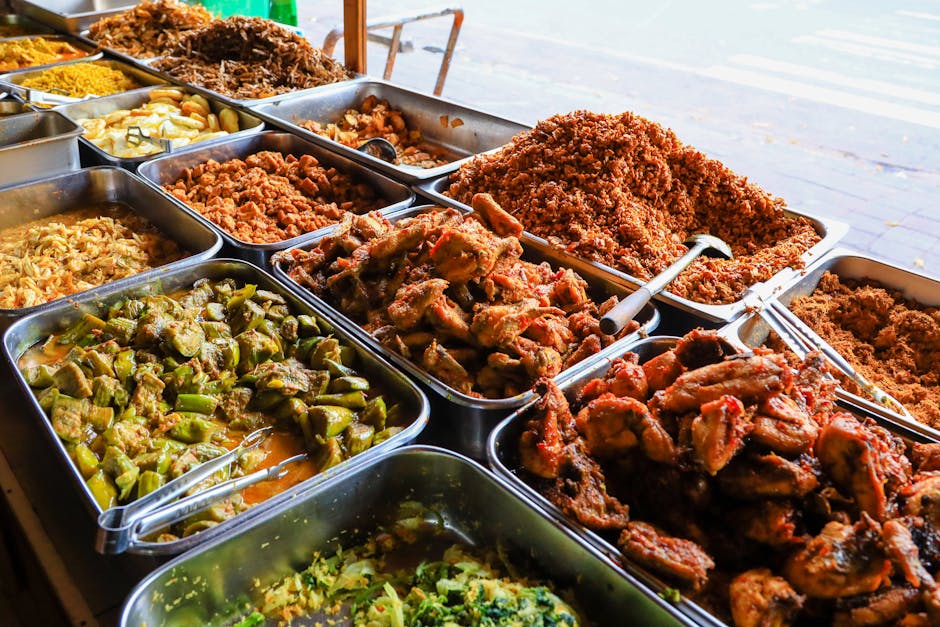
For dinner, try Geronimo, a fine-dining spot in a historic adobe building. Their menu features dishes like elk tenderloin with red chile glaze and blue corn crêpes. Don’t leave without trying a margarita made with local agave spirits.
Tuscany, Italy: A Classic Culinary Escape
If you’re open to international travel, Tuscany offers one of the world’s most authentic food experiences. Just a short flight from major U.S. cities, it’s accessible for a long weekend, especially if you fly into Florence.
Stay in a countryside agriturismo—a farm stay that often includes meals made from ingredients grown on-site. Many offer olive oil tastings, wine tours, and pasta-making classes.
In Florence, visit the Mercato Centrale for fresh porchetta sandwiches and truffle products. Take a day trip to Siena for a cooking class focused on pici pasta and ribollita soup. End your trip with a sunset dinner in Chianti, paired with a glass of Sangiovese.
How to Plan Your Culinary Weekend Getaway
Step 1: Choose a Destination Based on Your Interests
Start by identifying what kind of food experience you want. Are you drawn to coastal seafood, mountain foraging, or urban food scenes? Your preference will guide your destination choice.
Consider travel time. For a true weekend trip, aim for destinations within a 3-hour flight or a 5-hour drive. This ensures you maximize your time eating and exploring, not commuting.
Also, think about the season. Some regions shine in specific months—like Maine in the fall for lobster and apples, or Vermont in the spring for maple syrup. Timing your trip with a local food festival or harvest season can enhance the experience.
Step 2: Book Accommodations with Kitchen Access or Dining Perks
Look for hotels, inns, or vacation rentals that support your culinary goals. Boutique hotels often partner with local restaurants for guest discounts or private tastings.
Staying in a place with a kitchenette lets you shop at local markets and prepare simple meals, saving money and deepening your connection to regional ingredients. Even a small fridge and microwave can make a difference.
Some B&Bs include gourmet breakfasts featuring house-made jams, fresh bread, and locally sourced eggs. These small touches add authenticity to your trip.
Step 3: Research and Reserve Key Experiences in Advance
Popular food tours, cooking classes, and restaurant reservations fill up quickly—especially on weekends. Book these at least two weeks ahead.
Use platforms like Airbnb Experiences, Viator, or local tourism websites to find vetted culinary activities. Read recent reviews to ensure quality and authenticity.
Don’t over-schedule. Leave room for spontaneous discoveries, like a roadside fruit stand or a pop-up dinner in a backyard. Some of the best food finds happen off the beaten path.
Step 4: Pack Smart for Food Adventures
Bring a reusable water bottle, collapsible food container, and a small cooler bag. These help you carry snacks, leftovers, or market purchases without waste.
If you’re traveling internationally, check customs rules for bringing food home. Dried spices, packaged snacks, and sealed sauces are usually safe, but fresh produce and meat are often restricted.
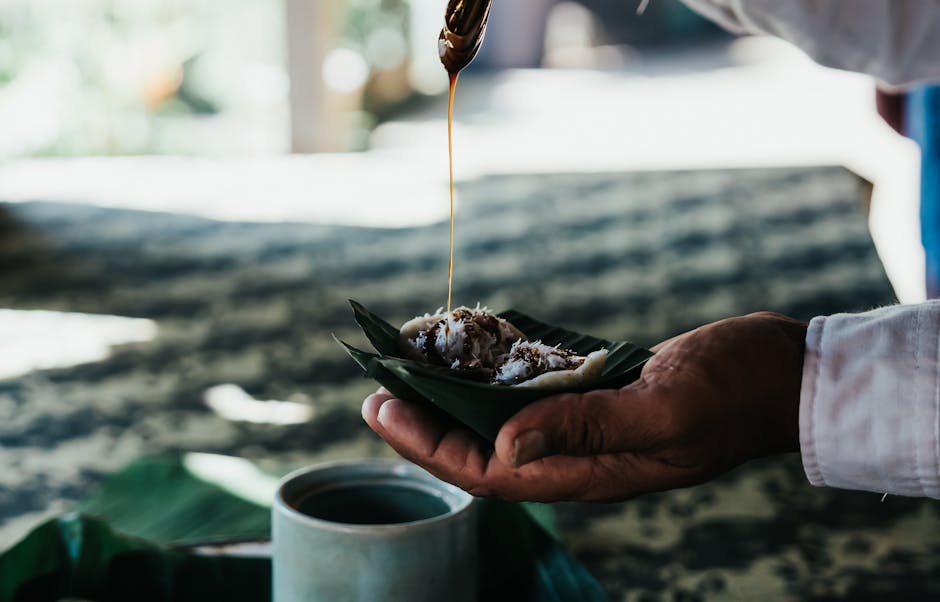
Consider packing a small notebook or using a notes app to record recipes, restaurant names, and flavor combinations you want to remember.
Unique Culinary Activities to Try on Your Weekend Trip
Take a Cooking Class
Hands-on cooking classes are a highlight of many food-focused trips. They teach you skills you can use long after your vacation ends.
Look for classes that emphasize local techniques—like making handmade pasta in Italy, rolling sushi in Japan, or smoking meats in Texas. Small-group sessions often include market tours and tastings.
Many classes end with a shared meal, giving you a chance to enjoy what you’ve prepared with fellow travelers and instructors.
Join a Food or Drink Tour
Guided food tours offer curated tastings and insider knowledge you wouldn’t get on your own. They’re especially helpful in cities with dense food scenes.
Choose a tour that matches your interests: wine tasting in Napa, tacos in Mexico City, or cheese in Wisconsin. Most last 2–4 hours and include 4–6 stops.
Tours often support local businesses and provide context about a dish’s history or cultural significance. They’re also a great way to meet other food enthusiasts.
Visit Local Farms or Food Producers
Farm visits offer a behind-the-scenes look at where your food comes from. Many farms welcome visitors for tours, tastings, or pick-your-own experiences.
In Vermont, tour a maple syrup operation and sample different grades of syrup. In California, visit an olive grove and taste fresh-pressed oil.
These experiences deepen your appreciation for seasonal eating and sustainable agriculture. They also make for great photo opportunities and stories to share.
Attend a Food Festival or Market Event
Time your trip to coincide with a local food festival. These events celebrate regional specialties and often feature live music, cooking demos, and vendor booths.
Examples include the Maine Lobster Festival, the New Orleans Wine & Food Experience, and the Austin Food & Wine Festival. Even smaller towns host seasonal events like apple harvests or chili cook-offs.
Check local tourism websites or event calendars to find what’s happening during your travel dates. Arrive early to avoid crowds and secure the best samples.
Budget-Friendly Tips for Culinary Travel
Food-focused trips don’t have to break the bank. With smart planning, you can enjoy high-quality experiences without overspending.
Stay in mid-range accommodations and use loyalty programs or booking sites to find deals. Consider traveling midweek when flights and hotels are cheaper.
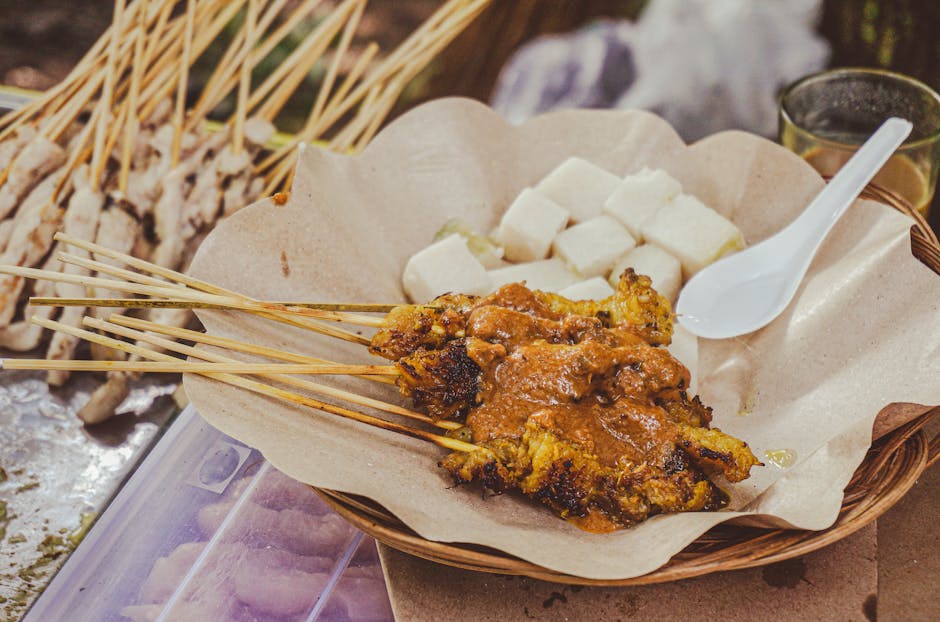
eat like a local. Street food, food trucks, and casual diners often offer the most authentic and affordable meals. Save fine dining for one special dinner.
Bring your own snacks for travel days to avoid airport or gas station markups. Pack nuts, fruit, or energy bars to keep you fueled between meals.
Use public transportation or walk whenever possible. It saves money and lets you discover hidden food spots along the way.
Safety and Etiquette Tips for Food Travel
When trying new foods, especially in international destinations, take basic precautions. Stick to busy restaurants with high turnover—this usually means fresher food.
Avoid tap water in areas where it’s not safe to drink. Opt for bottled water or drinks made with boiled water, like tea or coffee.
Be mindful of dietary restrictions and allergies. Learn key phrases in the local language to communicate your needs, such as “I am allergic to nuts” or “No meat, please.”
Respect local customs. In some cultures, it’s polite to leave a small amount of food on your plate to show you’re satisfied. In others, finishing everything is a compliment.
Always tip appropriately. In the U.S., 15–20% is standard. In countries where tipping isn’t customary, rounding up or leaving small change is often appreciated.
How to Make the Most of Your Short Trip
A weekend is short, but you can still have a fulfilling culinary adventure with focused planning. Prioritize quality over quantity—choose a few standout experiences instead of trying to do everything.
Start each day with a local breakfast. It sets the tone and often introduces you to regional staples, like beignets in New Orleans or bagels in New York.
Take photos and notes throughout your trip. Documenting your meals helps you remember flavors and places, and inspires future travels.
At the end of your trip, reflect on what you learned. Did you discover a new ingredient? Try a dish you’d never heard of? These insights enrich your everyday cooking and travel habits.
Final Thoughts
Food and culinary travel ideas for weekend getaways offer a perfect blend of adventure, culture, and flavor. Whether you’re exploring a nearby city or jetting off to a foreign country, focusing on food transforms a short trip into a meaningful experience.
With the right destination, activities, and mindset, you can enjoy authentic tastes, learn new skills, and create memories that last long after the weekend ends. Start planning your next culinary escape—and savor every bite.
FAQ
Q: How far in advance should I book culinary experiences for a weekend trip?
A: Aim to book popular food tours, cooking classes, and restaurant reservations at least two weeks in advance, especially for weekend travel. This ensures availability and often locks in better rates.
Q: Can I enjoy a food-focused trip on a tight budget?
A: Yes. Choose affordable destinations, eat at local markets and food trucks, and look for free or low-cost activities like farmers markets or self-guided food walks. Staying in accommodations with kitchen access also helps save on meals.
Q: Is it safe to try street food while traveling?
A: Generally, yes—especially in busy areas with high turnover. Look for vendors with clean setups, freshly cooked food, and long lines of locals. Avoid raw items and untreated water to reduce risk.