
Adventure Travel Ideas for Hiking and Camping Lovers
Looking for fresh adventure travel ideas for hiking and camping lovers? Whether you’re a weekend warrior or a seasoned backpacker, the world offers countless trails and campsites that blend natural beauty with physical challenge. From mountain ridges to desert canyons, these destinations deliver unforgettable experiences for those who crave the outdoors. This guide highlights top hiking and camping spots, practical planning tips, and safety considerations to help you choose your next great escape.
Why Adventure Travel Appeals to Hikers and Campers
Adventure travel combines physical activity, exploration, and immersion in nature. For hiking and camping enthusiasts, it’s more than recreation—it’s a way to disconnect from daily routines and reconnect with the environment. These trips often involve multi-day treks, remote campsites, and self-reliance, offering a deeper sense of accomplishment than traditional vacations.
Unlike resort-based travel, adventure journeys require preparation, navigation, and adaptability. This level of engagement builds resilience and fosters a stronger appreciation for natural landscapes. Whether you’re crossing alpine passes or sleeping under desert stars, the experience stays with you long after you return home.
Top Destinations for Hiking and Camping Adventures
1. Torres del Paine Circuit, Chile
The Torres del Paine Circuit in Patagonia is a 5–10 day trek through glacial lakes, granite towers, and wind-swept plains. The full loop covers about 52 miles and rewards hikers with views of the iconic Torres peaks and the Grey Glacier.
Camping is permitted at designated sites along the route, many operated by the Chilean National Forest Corporation. Permits are required and often sell out months in advance, especially during the peak season from November to March. Weather can shift rapidly, so packing layered clothing and a four-season tent is essential.
2. The John Muir Trail, USA
Spanning 211 miles through California’s Sierra Nevada, the John Muir Trail (JMT) is a bucket-list trek for serious hikers. It runs from Yosemite Valley to Mount Whitney, the highest peak in the contiguous United States.
Most hikers complete the trail in 3–4 weeks, resupplying at towns like Mammoth Lakes and Lone Pine. Wilderness permits are competitive and obtained through a lottery system. The trail passes through diverse ecosystems, including alpine meadows, sequoia groves, and glacial valleys, with established campsites and bear-proof food storage required.
3. The Overland Track, Tasmania
Tasmania’s Overland Track is a 65-kilometer route through Cradle Mountain-Lake St Clair National Park. It typically takes 5–6 days and traverses rainforests, moorlands, and glacial lakes.
Huts and designated campsites are available along the way, though booking is mandatory during the peak season (October to May). The trail is well-marked but can be muddy and slippery. Waterproof gear and sturdy boots are highly recommended.
4. The Drakensberg Grand Traverse, South Africa
This challenging 200-kilometer route crosses the Drakensberg Mountains, offering dramatic cliffs, ancient San rock art, and high-altitude plateaus. The trek takes 10–14 days and requires strong navigation skills due to limited signage.
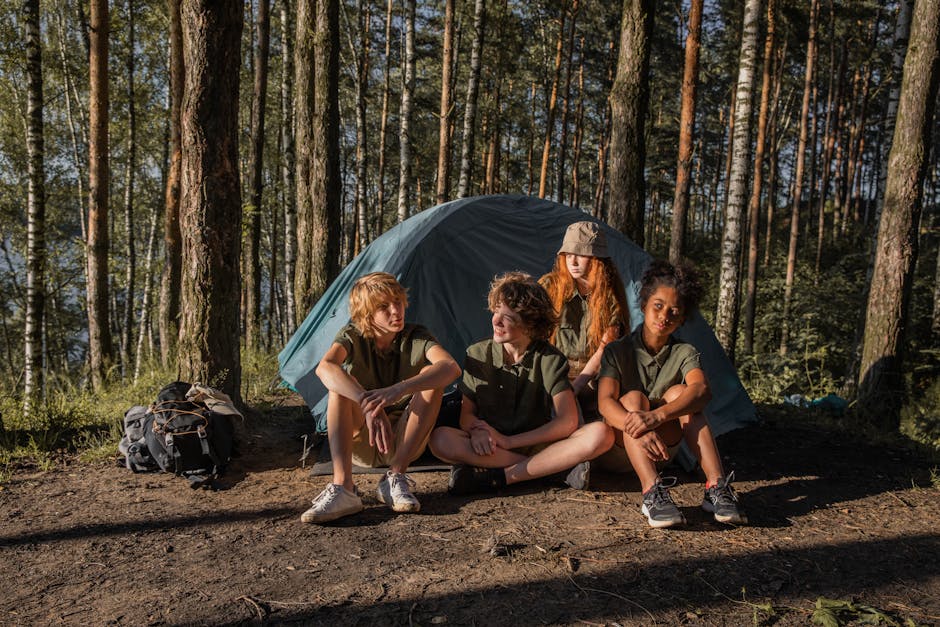
Wild camping is allowed in most areas, but hikers must carry all supplies, including water filters. The region is home to leopards and baboons, so food must be stored securely. Best attempted between April and September when snowfall is minimal.
5. The Annapurna Circuit, Nepal
The Annapurna Circuit is a classic Himalayan trek that circles the Annapurna Massif, passing through subtropical forests, terraced farms, and high-altitude deserts. The full route is about 230 kilometers and takes 15–20 days.
Tea houses provide basic lodging and meals, but camping is also an option for those seeking solitude. The Thorong La Pass at 5,416 meters is the highest point and requires careful acclimatization. Permits include the TIMS card and Annapurna Conservation Area Permit.
6. The West Coast Trail, Canada
Located on Vancouver Island, the West Coast Trail is a 77-kilometer rugged coastal trek through temperate rainforest, sandy beaches, and rocky headlands. It’s known for its ladders, cable cars, and tidal crossings.
The trail is open from May to September and requires a permit. Camping is only allowed at designated sites, and hikers must be prepared for rain and strong winds. This route is not recommended for beginners due to its technical sections and remote nature.
7. The Larapinta Trail, Australia
Stretching 223 kilometers across the West MacDonnell National Park in the Northern Territory, the Larapinta Trail follows the spine of the ancient range through red desert landscapes and Aboriginal cultural sites.
Hikers can choose to complete the full trail or tackle shorter sections. Campsites are spaced every 20–30 kilometers, and water is available at key points. Summer temperatures can exceed 40°C, so the best time to hike is from April to September.
How to Plan Your Adventure Trip
Step 1: Choose the Right Destination
Consider your fitness level, experience, and available time. Beginners may prefer well-marked trails with established campsites, while experienced hikers might seek remote, off-grid routes.
Research trail conditions, elevation gain, and seasonal weather. Use official park websites, guidebooks, and hiker forums to gather up-to-date information. Avoid planning trips during monsoon, fire, or avalanche seasons.
Step 2: Secure Permits and Reservations
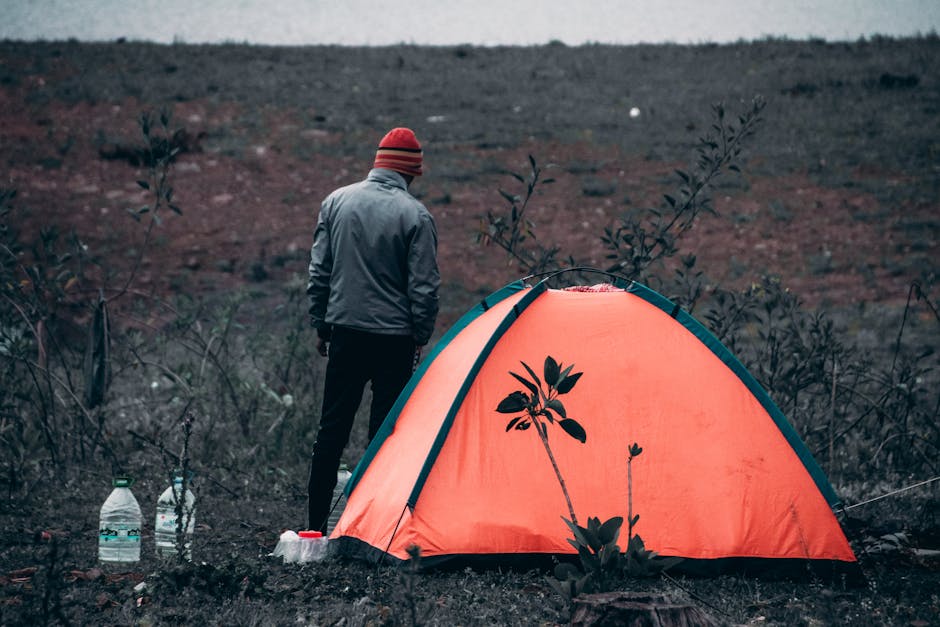
Many popular trails require advance permits due to conservation efforts and visitor limits. Apply early—some lotteries open a year in advance. For international trips, check visa requirements and park entry regulations.
If staying in huts or lodges, book accommodations as soon as possible. For camping, confirm whether sites are first-come, first-served or require reservations.
Step 3: Build Your Gear List
Essential gear includes a reliable tent, sleeping bag rated for expected temperatures, sleeping pad, backpack, stove, water filter, and navigation tools. Choose lightweight, durable equipment suited to the environment.
Pack clothing in layers: moisture-wicking base layers, insulating mid-layers, and a waterproof outer shell. Don’t forget a first-aid kit, headlamp, map, compass, and emergency shelter. Test all gear before departure.
Step 4: Train and Prepare Physically
Start training 8–12 weeks before your trip. Focus on cardiovascular endurance, leg strength, and pack-carrying practice. Hike with a loaded backpack on varied terrain to simulate trail conditions.
If your trip involves high altitude, consider arriving a few days early to acclimatize. Consult a doctor if you have health concerns, especially for remote or high-elevation destinations.
Step 5: Plan Food and Water
Calculate daily caloric needs—hiking burns 3,000–6,000 calories per day. Pack lightweight, high-energy foods like nuts, dried fruit, pasta, and dehydrated meals. Avoid heavy or perishable items.
Identify water sources along the route and carry a filtration system. In arid regions, plan for extra water carry or resupply points. Always treat water to avoid waterborne illnesses.
Safety Tips for Hiking and Camping Adventures
Know the Weather and Terrain
Check forecasts daily and be prepared for sudden changes. Mountain and desert environments are especially unpredictable. Avoid exposed ridges during thunderstorms and river crossings during heavy rain.
Study topographic maps and understand contour lines, elevation changes, and potential hazards like rockfall or flash floods. Carry a GPS device or offline maps on your phone as a backup.
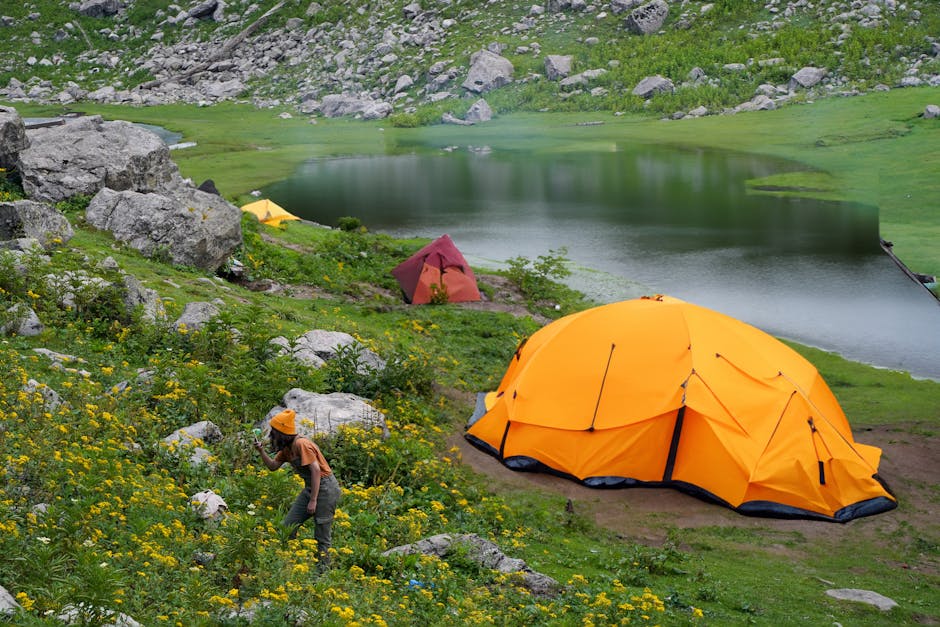
Practice Leave No Trace Principles
Minimize your impact by packing out all trash, including food scraps and toilet paper. Use established campsites and avoid trampling vegetation. Bury human waste 6–8 inches deep and at least 200 feet from water sources.
Respect wildlife by observing from a distance and never feeding animals. Store food in bear canisters or hang it properly in bear country.
Stay Connected and Inform Others
Share your itinerary with someone reliable, including your route, expected return date, and emergency contacts. Carry a satellite communicator or personal locator beacon (PLB) for remote areas without cell service.
Check in periodically if possible. In case of emergency, stay calm, assess injuries, and signal for help using whistles, mirrors, or bright clothing.
Budgeting for Your Adventure Trip
Costs vary widely depending on location and duration. Domestic trips may cost $50–$150 per day for gear, food, and permits. International adventures can range from $100–$300 per day, including flights and guides.
Save money by borrowing or renting gear, traveling in shoulder seasons, and choosing less crowded trails. Some countries offer affordable trekking options—Nepal and Peru, for example, have lower daily costs than the U.S. or Canada.
Factor in unexpected expenses like gear repairs, medical supplies, or emergency evacuations. Travel insurance that covers adventure activities is strongly recommended.
Eco-Friendly Adventure Travel
Choose operators and accommodations that prioritize sustainability. Support local communities by hiring local guides and purchasing regional products. Avoid single-use plastics and carry reusable bottles, utensils, and containers.
Stick to marked trails to prevent erosion and habitat disruption. Participate in trail maintenance programs or volunteer cleanup events when possible. Responsible travel ensures these destinations remain accessible for future generations.
FAQ
What should I pack for a multi-day hiking and camping trip?
Essential items include a tent, sleeping bag, sleeping pad, backpack, stove, water filter, navigation tools, layered clothing, first-aid kit, and high-energy food. Always test gear before departure and pack according to weather and terrain.
How do I choose a trail that matches my skill level?
Consider distance, elevation gain, technical difficulty, and remoteness. Beginners should start with well-marked, shorter trails with established campsites. Read recent trip reports and consult park rangers or guidebooks for honest assessments.
Is it safe to hike and camp alone?
Solo travel offers solitude but increases risk. Only attempt it if you have strong navigation skills, emergency communication tools, and experience in the environment. Always share your plans with someone and check in regularly. For most, hiking with a partner or group is safer and more enjoyable.