
Practical Destination Guide to Seoul for Food Lovers
Seoul is a paradise for food lovers, offering a dynamic mix of street snacks, royal cuisine, and modern fusion dishes. From bustling night markets to Michelin-starred restaurants, the city delivers bold flavors, fresh ingredients, and unforgettable dining experiences. This guide helps you navigate Seoul’s culinary landscape with confidence—highlighting must-try dishes, top neighborhoods, and practical tips to make the most of your food journey.
Why Seoul Is a Must-Visit for Food Enthusiasts
Seoul’s food culture blends centuries-old traditions with modern innovation. Korean cuisine emphasizes balance—spicy, sweet, sour, and umami flavors come together in harmony. Dishes are often shared, making meals social and communal.
The city’s accessibility enhances the experience. Subways, signage, and restaurant menus are increasingly available in English. Many eateries use picture menus or digital ordering, reducing language barriers. Whether you’re a first-time visitor or a seasoned traveler, Seoul welcomes food lovers with open arms.
Essential Korean Dishes to Try
Kimchi and Fermented Staples
Kimchi is Korea’s national dish—fermented napa cabbage with chili, garlic, and fish sauce. It’s served at nearly every meal, often as a side dish. Try it fresh (mul kimchi) or aged (moldy kimchi), each with a distinct tang.
Other fermented staples include kkakdugi (cubed radish kimchi) and bossam kimchi (wrapped in cabbage leaves). These add crunch and depth to meals and support gut health.
Bibimbap: The Ultimate Rice Bowl
Bibimbap combines rice with sautéed vegetables, marinated meat, a fried egg, and gochujang (fermented chili paste). Mix everything together before eating for a burst of flavor.
Visit Jeonju Hanok Village or Myeongdong Bibimbap for authentic versions. Vegetarian options are widely available, often marked with a “vegan” or “no meat” label.
Korean Barbecue (Gogi-Gui)
Korean BBQ lets you grill meat at the table—typically beef (bulgogi, galbi) or pork (samgyeopsal). Meals include banchan (side dishes), lettuce wraps, and dipping sauces.
Go to Gwangjang Market or Ikseon-dong for casual spots. Upscale options like Maple Tree House offer premium cuts. Always order extra ssamjang (spicy paste) and garlic.
Street Food Staples
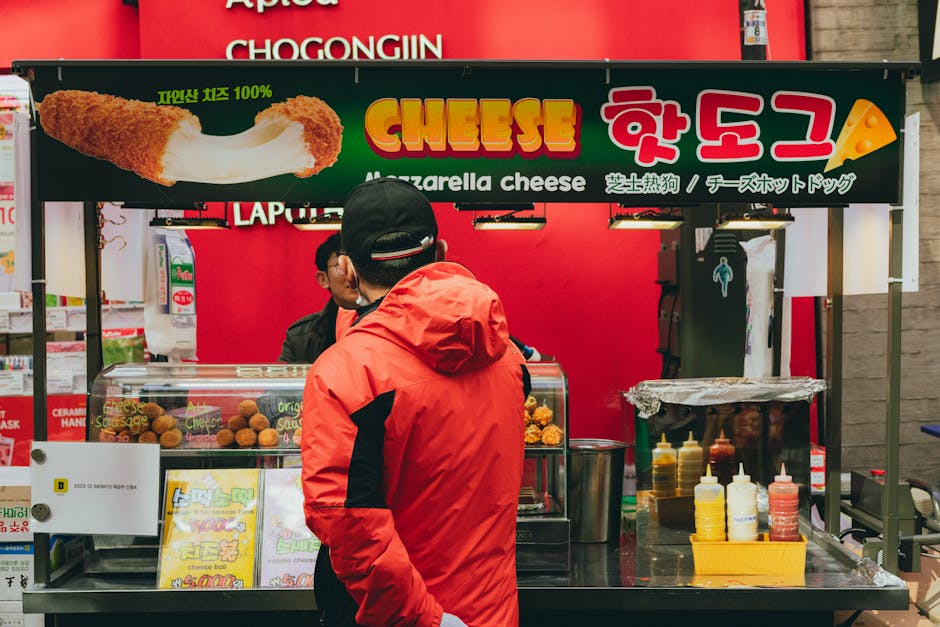
Seoul’s street food scene thrives in markets and subway stations. Try tteokbokki (spicy rice cakes), odeng (fish cake skewers), and hotteok (sweet pancakes filled with brown sugar and nuts).
Winter favorites include bungeoppang (fish-shaped pastries with red bean) and roasted sweet potatoes. Summer brings bingsu—shaved ice with fruit, condensed milk, and red beans.
Korean Fried Chicken and Beer (Chimaek)
Chimaek—fried chicken and beer—is a beloved combo. Korean fried chicken is double-fried for extra crispiness, often glazed with spicy or sweet sauces.
Popular chains like Kyochon and Puradak Chicken offer consistent quality. For a local experience, visit Hongdae or Itaewon nightlife areas.
Instant Noodles with a Twist
Korean instant noodles (ramyeon) are elevated with fresh ingredients. Add an egg, green onions, or cheese to Shin Ramyun or Samyang for a quick, satisfying meal.
Many convenience stores and food courts serve “ramyeon bars” where you customize your bowl. It’s a budget-friendly option that still delivers big flavor.
Top Food Neighborhoods in Seoul
Myeongdong
Myeongdong is a shopping and food hub. The main street and side alleys are packed with street vendors and fast-casual restaurants. It’s ideal for first-time visitors wanting variety in one location.
Try the crispy hotteok at Myeongdong Kyoja or the chewy tteokbokki near the subway exit. Be prepared for crowds—visit early afternoon to avoid peak hours.
Gwangjang Market
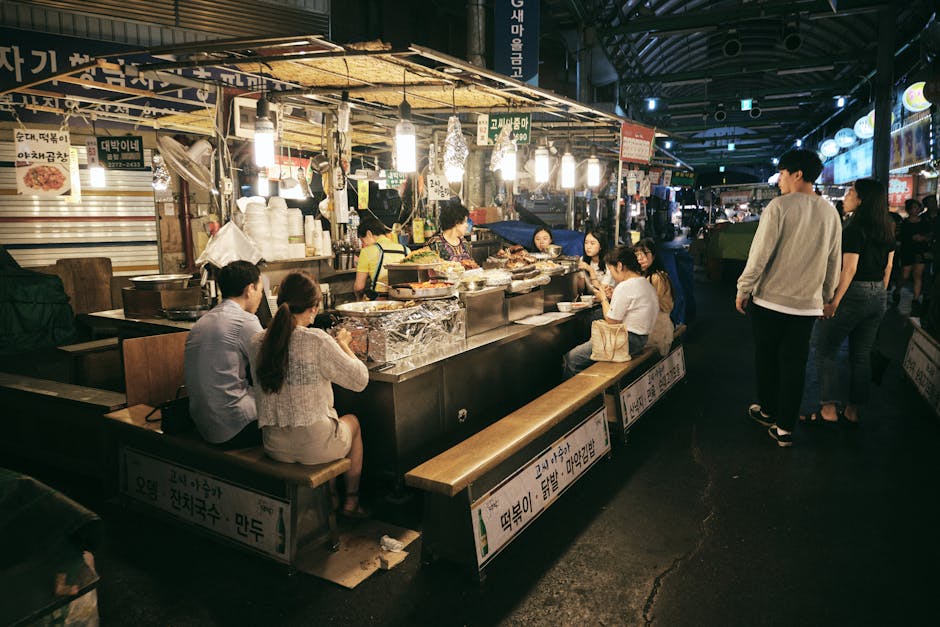
One of Seoul’s oldest markets, Gwangjang is a food lover’s dream. It specializes in traditional snacks and handmade goods. Walk through the narrow alleys to find bindaetteok (mung bean pancakes) and mayak gimbap (addictive seaweed rice rolls).
The market opens around 8 a.m. and gets busy by 11 a.m. Go before noon for the best selection. Many vendors accept cash only—bring Korean won.
Insadong and Ikseon-dong
These adjacent neighborhoods blend traditional charm with modern cafes. Insadong focuses on tea houses and hanok-style restaurants. Ikseon-dong offers trendy eateries in restored hanok buildings.
Try Jungsik for modern Korean fine dining or Tosokchon Samgyetang for ginseng chicken soup. Both areas are walkable and photogenic.
Hongdae
Known for its youthful energy, Hongdae is packed with affordable eateries and late-night food spots. It’s a great place to try fusion dishes like kimchi quesadillas or Korean-Mexican tacos.
Visit Mapo-gu’s food alleys for budget meals. Many restaurants cater to students, so prices are low and portions generous.
Gangnam and COEX
Gangnam offers upscale dining and international cuisine. COEX Mall houses a massive food court with Korean and global options. It’s convenient for business travelers or those seeking air-conditioned comfort.
Try Jinokhwa Halmae Wonjo Ganjang Gejang for soy-sauce crab, a regional specialty. Reservations are recommended on weekends.
How to Navigate Seoul’s Food Scene
Using Public Transport to Reach Food Spots
Seoul’s subway system is clean, safe, and efficient. Use the T-money card for discounted fares and easy transfers. Most stations have food courts or nearby markets.
Download the Seoul Metro app for real-time updates and English maps. Trains run until midnight, with some lines extending later on weekends.
Language Tips for Ordering Food
While English is common in tourist areas, learning a few Korean phrases helps. “Juseyo” means “please,” and “Gamsahamnida” means “thank you.” Pointing at pictures or using translation apps like Papago works well.
Many restaurants have QR code menus. Scan the code to view dishes in English. If not, ask staff to recommend popular items—they’re usually happy to help.
Etiquette and Dining Customs
Wait to be seated, and don’t start eating before the eldest person at the table. Use chopsticks and spoons—never stick them upright in rice.
Sharing is expected. Dishes are placed in the center, and everyone serves themselves. Pour drinks for others, and they’ll return the favor.
Budgeting for Meals
Street food costs ₩3,000–₩6,000 ($2–$4). Casual meals range from ₩8,000–₩15,000 ($6–$11). Fine dining can exceed ₩50,000 ($37) per person.
Set a daily food budget of ₩50,000–₩80,000 ($37–$60) to enjoy a mix of street eats and sit-down meals. Tipping is not expected in Korea.
Seasonal Food Experiences
Spring: Cherry Blossoms and Fresh Greens
Spring brings lighter dishes like naengi muchim (wild garlic salad) and ssukgat (chrysanthemum pancakes). Parks like Yeouido and Seoul Forest host food festivals under blooming trees.
Try seasonal teas made from mugwort or azalea. Many cafes offer limited-edition drinks during this time.
Summer: Cooling Dishes and Night Markets
Beat the heat with naengmyeon (cold buckwheat noodles) or hoe (Korean sashimi). Night markets in Dongdaemun and Namdaemun buzz with activity after sunset.
Stay hydrated and seek shade. Many restaurants offer free barley water or iced citron tea.
Autumn: Harvest Flavors and Comfort Food
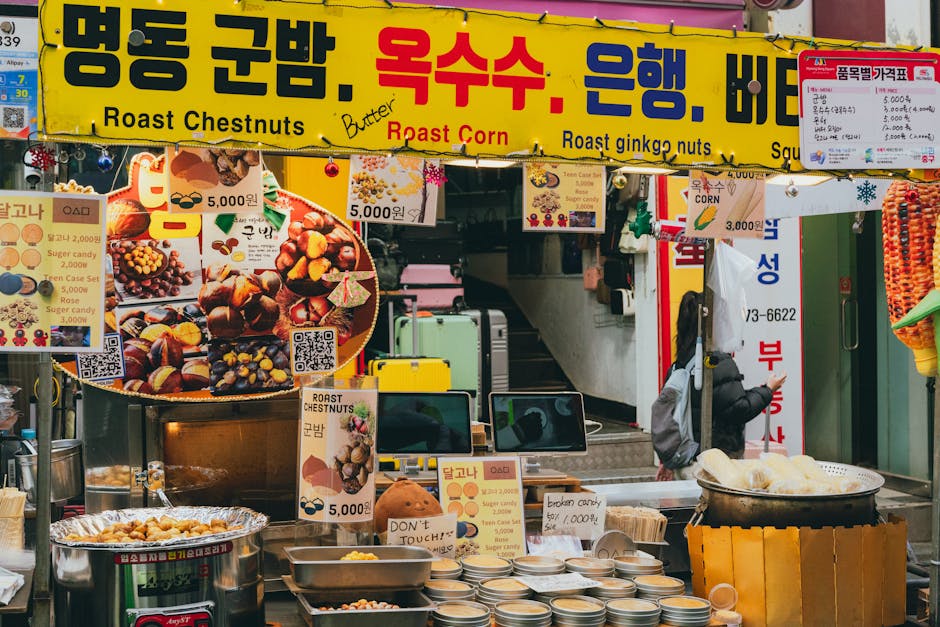
Autumn is ideal for hot pots like budae jjigae (army stew) and grilled eel. Seasonal fruits like persimmons and chestnuts appear in desserts and street snacks.
Visit Namsan or Bukhansan for hiking and picnic-friendly meals. Pack kimbap and fruit for a scenic lunch.
Winter: Hearty Stews and Warm Drinks
Kimchi jjigae, doenjang jjigae, and samgyetang (ginseng chicken soup) are winter staples. Hotteok and roasted chestnuts are sold on street corners.
Indoor food courts and cafes provide warmth. Many offer heated floors and blankets—perfect for cold days.
Health and Dietary Considerations
Vegetarian and Vegan Options
Korean cuisine includes many plant-based dishes, but hidden meat (like anchovy broth) is common. Look for “vegan” or “no meat” labels, or visit temple cuisine restaurants.
Plant in Itaewon and Osegye Hyang in Insadong offer fully vegan menus. Inform staff of dietary needs when ordering.
Allergies and Food Safety
Seoul has high food safety standards. Restaurants display hygiene ratings (A, B, C) near the entrance. Inform staff of allergies—many can adjust dishes.
Carry a translation card for severe allergies. Apps like Korean Allergy Translator provide phrases in Korean.
Hydration and Altitude
Seoul is at low elevation, but air conditioning and walking can cause dehydration. Drink water regularly, especially during summer or after spicy meals.
Convenience stores sell bottled water, electrolyte drinks, and traditional sikhye (sweet rice drink).
Sustainable and Local Eating
Support local vendors by shopping at traditional markets. Gwangjang and Namdaemun sell fresh produce, seafood, and handmade goods directly from farmers and artisans.
Avoid single-use plastics when possible. Bring a reusable bag and container. Many cafes offer discounts for bringing your own cup.
Try farm-to-table restaurants like Onjium, which serves royal court cuisine using seasonal, local ingredients. Reservations are required.
Final Tips for a Memorable Food Trip
Start your day with a light breakfast—kimbap or toast sets from convenience stores. Save room for lunch and dinner, as portions are generous.
Don’t skip banchan—they’re free refills and add variety. Ask for seconds if you like a particular side dish.
Keep a food journal or use a photo app to remember standout meals. Share your favorites on social media to help other travelers.
FAQ
What is the best time of year to visit Seoul for food?
Spring (April–May) and autumn (September–October) offer mild weather and seasonal specialties. Summer has vibrant night markets, while winter features hearty stews and warm street snacks.
Is it safe to eat street food in Seoul?
Yes. Seoul has strict food safety regulations. Look for busy stalls with high turnover—fresh food sells quickly. Avoid raw seafood if you have a sensitive stomach.
Do I need to speak Korean to enjoy meals in Seoul?
No. Many restaurants have English menus or picture guides. Translation apps and pointing work well. Learning basic phrases enhances the experience but isn’t required.