
Top Travel Tips for Solo Travelers Visiting New Places
Traveling alone can be one of the most rewarding experiences, offering freedom, self-discovery, and unforgettable adventures. Whether you’re exploring a bustling city or a remote village, solo travel requires thoughtful preparation and awareness. This guide covers essential travel tips for solo travelers visiting new places, from planning and safety to making connections and staying confident on the road. With practical advice and real-world examples, you’ll feel prepared and empowered to explore the world on your own terms.
Plan Ahead, But Stay Flexible
Preparation is key when traveling alone. Research your destination thoroughly before departure—understand local customs, transportation options, and cultural norms. Knowing what to expect helps reduce anxiety and increases your confidence.
Book your first few nights of accommodation in advance, especially if you’re arriving late. Staying in a central, well-reviewed area gives you a safe base to settle in. For example, in cities like Bangkok or Istanbul, choosing a hostel or hotel near public transit makes navigation easier.
Create a Realistic Itinerary
Outline your must-see sights, but avoid over-scheduling. Solo travelers often benefit from downtime to reflect or simply people-watch at a café. Build in buffer days for unexpected delays or spontaneous discoveries.
Use travel apps like Google Maps (download offline maps) and Rome2Rio to plan routes. Keep digital and printed copies of your itinerary, including emergency contacts and accommodation details.
Pack Light and Smart
Traveling solo means you carry everything yourself. Pack only what you need—aim for a carry-on if possible. Choose versatile clothing that can be layered and mixed easily.
Include a small first-aid kit, portable charger, universal adapter, and copies of important documents. A money belt or hidden pouch can keep your passport and cash secure.
Prioritize Safety Without Sacrificing Adventure
Safety should always come first, but it doesn’t mean you have to play it too safe. Being aware and prepared allows you to enjoy new experiences with peace of mind.
Share your travel plans with a trusted friend or family member. Check in regularly, especially when arriving in a new city or changing accommodations.
Stay Connected
Ensure you have a way to communicate. Consider purchasing a local SIM card or an international data plan. Apps like WhatsApp and Google Translate work offline and are lifesavers in foreign countries.
Download local emergency numbers and save them in your phone. In Japan, for example, the emergency number is 110 for police and 119 for fire or medical help.
Trust Your Instincts
If a situation feels off, leave. Whether it’s a crowded market, an unfamiliar neighborhood at night, or a person who seems overly persistent, your gut is often right.
Avoid sharing too much personal information with strangers, especially about your travel schedule or where you’re staying. It’s okay to be polite but vague.
Navigate Transportation Like a Local
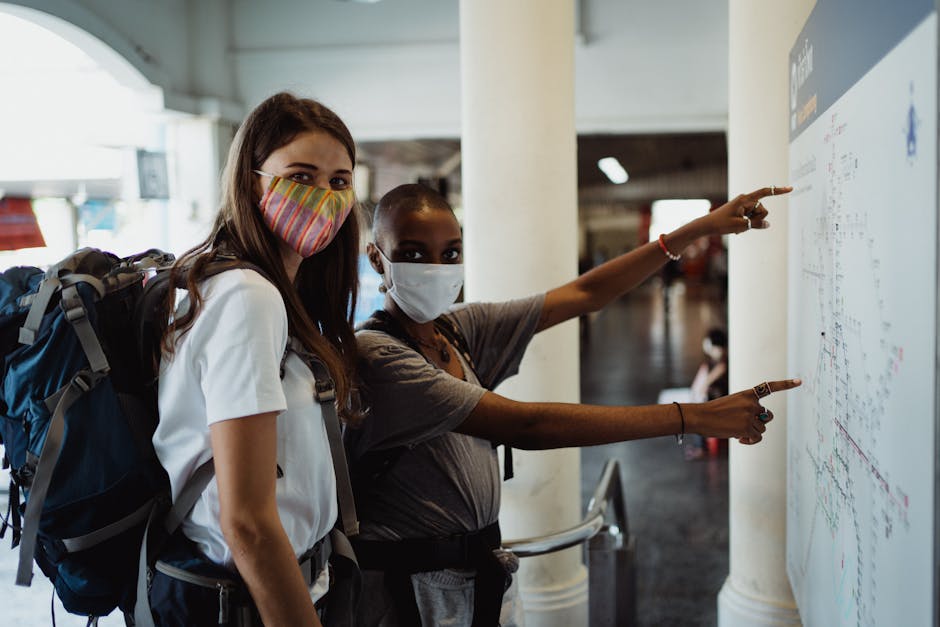
Public transportation is usually the most affordable and authentic way to get around. Learn the basics of the local transit system before you arrive.
In cities like Berlin or Tokyo, metro systems are efficient and well-marked. Buy day passes or rechargeable cards to save money and time.
Ride-Sharing and Taxis

Use reputable ride-sharing apps like Uber, Bolt, or local equivalents. Always confirm the driver’s name and license plate before getting in.
Avoid unmarked cabs, especially at night. In some countries, like Mexico or India, official taxis are often painted in specific colors or have rooftop signs.
Walking and Cycling
Walking is a great way to explore, but stay alert. Stick to well-lit, populated streets after dark. In cities like Amsterdam or Copenhagen, biking is safe and convenient—just follow traffic rules and use bike lanes.
Always lock your bike with a sturdy U-lock. Rent from trusted shops and avoid leaving valuables on the bike.
Meet People and Build Connections
One of the biggest concerns for solo travelers is loneliness. The good news? Many destinations are full of fellow travelers and welcoming locals.
Stay in social accommodations like hostels or guesthouses with common areas. Join group tours, walking tours, or cooking classes to meet others with similar interests.
Use Social Apps Wisely
Apps like Meetup, Couchsurfing, or Backpackr can help you connect with locals or other travelers. Attend language exchanges or cultural events to practice the language and make friends.
Be cautious when meeting strangers. Arrange to meet in public places during the day, and let someone know your plans.
Talk to Locals
Locals often know the best hidden spots—restaurants, viewpoints, markets. Ask for recommendations at your accommodation or a café. Most people are happy to help.
Learn a few basic phrases in the local language. Saying “hello,” “thank you,” and “how much?” in the local tongue goes a long way.
Manage Your Budget Effectively
Solo travel can be affordable with smart planning. Track your daily expenses using apps like Trail Wallet or Splitwise to avoid overspending.
Eat where locals eat. Street food and small family-run restaurants are often cheaper and more authentic than tourist traps. In Vietnam, for example, a bowl of pho from a street vendor costs less than $2.
Save on Accommodation
Hostels, guesthouses, and homestays offer budget-friendly options. Look for places with free breakfast, kitchen access, and laundry facilities.
Consider house-sitting or work exchanges through platforms like Workaway or TrustedHousesitters. These can reduce costs while giving you a deeper local experience.
Avoid Tourist Traps
Popular attractions often have inflated prices and long lines. Visit early in the morning or late in the afternoon to avoid crowds. Research free walking tours or museum free-entry days.
Compare prices before booking tours or activities. Sometimes, booking directly with local operators is cheaper than through third-party sites.
Stay Healthy and Prepared
Your health is your most valuable asset while traveling. Take preventive measures to stay well throughout your trip.
Drink bottled or filtered water in areas with questionable tap water. In countries like India or Peru, avoid ice in drinks unless you’re sure it’s made from purified water.
Get Travel Insurance
Never travel without comprehensive travel insurance. It should cover medical emergencies, trip cancellations, and lost luggage. Read the fine print—some policies don’t cover high-risk activities like scuba diving or motorbiking.
Keep a digital copy of your insurance policy and emergency contact numbers in your phone and email.
Know Your Medications
Bring enough prescription medication for your entire trip, plus a few extra days. Keep it in original packaging and carry a doctor’s note if required.
Pack a basic medical kit with pain relievers, antiseptic wipes, diarrhea medication, and any personal essentials. In remote areas, pharmacies may be scarce or carry limited supplies.
Embrace Cultural Differences
Every destination has its own customs and social norms. Respecting local culture enhances your experience and helps you blend in.
Dress modestly in conservative regions. In countries like Morocco or Indonesia, covering shoulders and knees is expected, especially at religious sites.
Learn Basic Etiquette
Simple gestures matter. In Japan, bowing is a sign of respect. In Thailand, avoid touching someone’s head or pointing your feet at people or religious objects.
Photography etiquette varies. Always ask before taking pictures of people, especially in rural or indigenous communities.
Be Mindful of Local Laws
Some behaviors that are acceptable at home may be illegal abroad. For example, chewing gum is banned in Singapore, and public drinking is restricted in parts of Scandinavia.
Research local laws before you go. Ignorance is not an excuse, and penalties can be severe.
Document Your Journey Responsibly
Capture memories, but don’t let your phone distract you from the experience. Take photos, write in a journal, or record voice notes.
Share updates on social media, but avoid posting real-time location details. Wait until you’ve left a place before tagging it online.
Back Up Your Data
Use cloud services like Google Photos or iCloud to back up photos and documents. Bring a portable hard drive as an extra precaution.
Keep digital copies of your passport, visa, and insurance in a secure, password-protected folder.
Overcome Loneliness and Stay Positive
It’s normal to feel lonely or overwhelmed at times. Solo travel can be emotionally challenging, especially during long trips.
Establish a routine. Wake up at the same time each day, enjoy a morning coffee, and set small goals—like visiting one new neighborhood or trying a local dish.
Practice Self-Care
Take breaks when needed. Rest in a park, read a book, or treat yourself to a spa day. Listening to music or podcasts can lift your mood during long journeys.
Stay in touch with loved ones through video calls. Sharing your experiences can make them feel more real and less isolating.
Celebrate Small Wins
Every day brings new challenges and victories. Successfully navigating a foreign metro, ordering food in another language, or making a new friend—these moments build confidence.
Keep a travel journal to reflect on your growth. Writing down your thoughts helps process emotions and preserve memories.
Know When to Ask for Help
There’s no shame in seeking assistance. Whether you’re lost, sick, or just need advice, asking for help is a sign of wisdom, not weakness.
Approach hotel staff, tour guides, or police officers for help. In many countries, tourism police are specifically trained to assist travelers.
If you’re in serious trouble, contact your country’s embassy or consulate. They can help with lost passports, legal issues, or medical emergencies.
Final Thoughts
Solo travel is about more than seeing new places—it’s about discovering yourself. With the right mindset and preparation, you can explore the world safely, confidently, and authentically.
Use these travel tips for solo travelers visiting new places as your foundation. Stay curious, stay safe, and embrace the unexpected. The journey is yours to shape.
FAQ
Q: Is it safe for solo female travelers to visit new places?
A: Yes, many destinations are safe for solo female travelers, especially with proper precautions. Research your destination, stay in well-reviewed accommodations, avoid isolated areas at night, and trust your instincts. Countries like Portugal, New Zealand, and Canada are known for being welcoming and safe.
Q: How can I meet other travelers while traveling alone?
A: Stay in social hostels, join group tours, attend local events, or use apps like Meetup and Couchsurfing. Cooking classes, walking tours, and language exchanges are great ways to connect with like-minded people.
Q: What should I do if I get lost in a foreign country?
A: Stay calm and find a safe, public place. Use offline maps on your phone, ask locals for directions (point to your destination on a map if needed), or return to a familiar landmark. Keep your accommodation’s address written down in the local language.