
Best Beach and Island Travel Plans for First Timers
Planning your first beach or island getaway can feel overwhelming, but it doesn’t have to be. With the right approach, you can enjoy a stress-free, memorable trip without overcomplicating things. This guide walks you through essential steps—from choosing the right destination to packing smart and staying safe—so you can focus on what matters: relaxing under the sun, exploring turquoise waters, and making lasting memories.
How to Choose Your First Beach or Island Destination
Start by considering your travel style and budget. Are you looking for quiet seclusion or lively beachfront bars? Do you prefer warm tropical climates or milder coastal weather? Matching your preferences to the right destination sets the tone for a successful trip.
Popular Destinations for First-Time Travelers
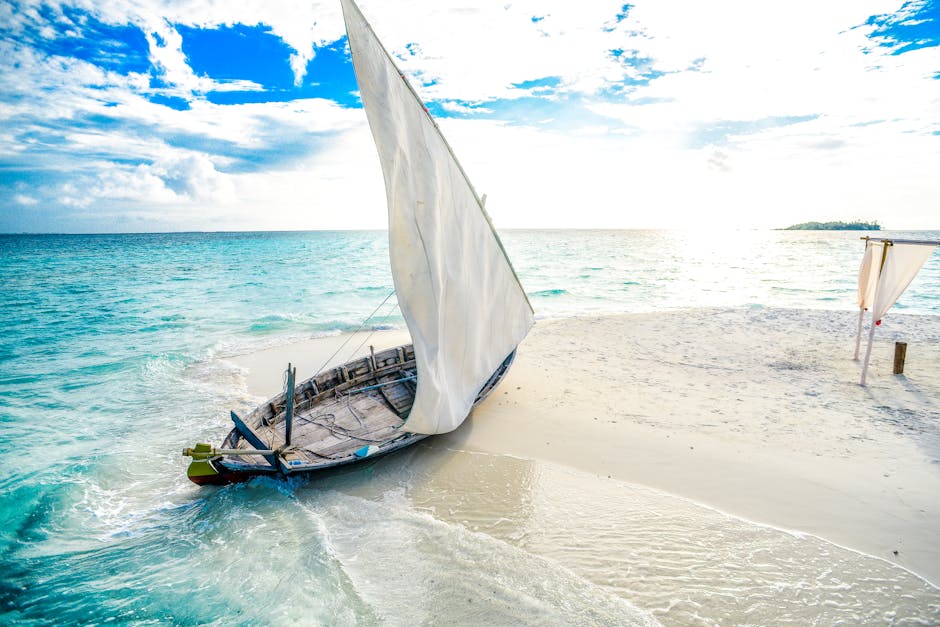
For beginners, destinations with good infrastructure, English-speaking locals, and reliable transportation make the experience smoother. The Maldives offers overwater bungalows and calm lagoons ideal for swimming and snorkeling. Thailand’s Phuket combines vibrant nightlife with serene beaches like Kata and Karon, perfect for balancing relaxation and exploration.
The Greek islands, especially Santorini and Crete, provide a mix of history, culture, and stunning coastlines. With well-marked trails, frequent ferries, and welcoming tavernas, they’re excellent for first-timers who want more than just sun and sand. In the Caribbean, Barbados and Aruba stand out for their safety, clear waters, and direct flights from major U.S. cities.
What to Avoid When Picking a Spot
Steer clear of remote islands with limited medical facilities or poor communication networks—especially if you’re traveling alone or with young children. Also, avoid peak hurricane season in tropical regions (typically June to November in the Atlantic). Research local customs and entry requirements early; some islands require visas or have strict environmental regulations.
Essential Steps to Plan Your Trip
Once you’ve picked a destination, follow these practical steps to build a solid travel plan. Start with booking flights and accommodations at least 6–8 weeks in advance, especially during high season. Use trusted platforms like Google Flights or Booking.com to compare prices and read recent guest reviews.
Book Accommodations That Match Your Needs
For first-timers, all-inclusive resorts offer convenience and predictability. They often include meals, drinks, and activities, reducing the need to navigate local menus or currency exchanges. Alternatively, boutique beachfront hotels provide a more authentic experience without sacrificing comfort.
If you’re on a tighter budget, consider vacation rentals near the shore. Just ensure the property has verified photos, clear check-in instructions, and responsive hosts. Avoid staying too far from the beach—long commutes can eat into your relaxation time.
Plan Activities in Advance—But Stay Flexible

Book must-do excursions ahead of time, such as snorkeling tours, boat trips, or cultural site visits. Popular activities like sunset cruises or guided island hops often sell out quickly. However, leave room for spontaneity—some of the best beach days happen when you stumble upon a hidden cove or local festival.
Download offline maps and translation apps before you go. Even in tourist-friendly areas, cell service can be spotty. Having a basic phrasebook or app helps with ordering food, asking for directions, or handling minor emergencies.
Packing Smart for a Beach Vacation
Overpacking is a common mistake among first-time travelers. Stick to lightweight, quick-dry clothing and pack versatile pieces that can be dressed up or down. A wide-brimmed hat, UV-protective sunglasses, and reef-safe sunscreen are non-negotiable.
Must-Have Items for Island Travel
Bring a waterproof phone case or dry bag to protect your electronics during boat rides or beach lounging. A compact beach towel that dries fast saves space and avoids mildew. Don’t forget a reusable water bottle—many islands have refill stations to reduce plastic waste.
For footwear, pack flip-flops for the beach and a pair of water-resistant sandals for walking on rocky shores or wet docks. If you plan to hike or explore inland, include lightweight trail shoes. Leave expensive jewelry and unnecessary electronics at home to minimize theft risk.
What Not to Pack
Avoid bringing glass bottles, as many beaches ban them for safety reasons. Skip heavily scented lotions—they can attract insects and harm coral reefs. Check airline baggage policies carefully; some island destinations have strict weight limits on small planes or ferries.
Staying Safe and Healthy While Traveling
Safety should always come first, even in paradise. Drink bottled or filtered water unless you’re certain the tap water is safe. Stick to freshly cooked meals and avoid raw seafood or unpeeled fruits from street vendors if you have a sensitive stomach.
Sun and Water Safety Tips
Reapply sunscreen every two hours, especially after swimming or sweating. Seek shade during peak UV hours (10 a.m. to 4 p.m.). Wear a rash guard or UV-protective clothing if you’re spending long hours in the water.
Never swim alone, and always check local warning flags before entering the ocean. Rip currents are common in many beach destinations—learn how to spot them and what to do if caught in one (swim parallel to shore until you escape the current).
Health Precautions and Insurance
Pack a basic first-aid kit with bandages, antiseptic wipes, motion sickness tablets, and any prescription medications. Keep digital copies of your prescriptions and insurance documents in your phone.
Purchase travel insurance that covers medical emergencies, trip cancellations, and lost luggage. Many standard health plans don’t cover international care, and treatment abroad can be costly. Look for policies that include emergency evacuation—especially important on remote islands.
Budgeting for Your First Island Getaway
Create a realistic budget that includes flights, lodging, meals, activities, and a buffer for unexpected expenses. Use budgeting apps like Trail Wallet or Splitwise to track spending in real time.
Cost-Saving Strategies
Travel during the shoulder season (just before or after peak months) for lower prices and fewer crowds. For example, visiting Bali in April or October offers great weather at reduced rates. eat like a local—street food and family-run restaurants are often delicious and far cheaper than tourist traps.
Use public ferries instead of private transfers when possible. In places like Greece or the Philippines, inter-island ferries are affordable and offer scenic views. Always carry small bills in the local currency for tips, market purchases, or small vendors who don’t accept cards.
Making the Most of Your Beach Experience
Your beach vacation isn’t just about lying on the sand—it’s about connection, discovery, and slowing down. Wake up early to catch the sunrise with a quiet walk along the shore. Bring a good book or journal to enjoy during downtime.
Respect Local Culture and Environment
Learn a few basic phrases in the local language—it goes a long way in building rapport. Dress modestly when visiting villages or religious sites, even if you’re near the beach. Support local businesses by buying handmade crafts or dining at family-owned restaurants.

Practice eco-friendly habits: don’t touch coral reefs, avoid single-use plastics, and carry out all trash. Many islands have fragile ecosystems, and responsible tourism helps preserve them for future visitors.
Capture Memories Without Overdoing It
Take photos, but don’t let your phone dominate the experience. Put it away during meals, conversations, or quiet moments by the water. Consider buying a local SIM card or portable Wi-Fi device if you need connectivity, but set boundaries to stay present.
Returning Home: What to Expect
Post-travel blues are common after a relaxing island escape. Ease the transition by sharing stories with friends, organizing your photos, or planning your next adventure. Wash and dry all beachwear thoroughly to prevent mold, and check for ticks or sand fleas if you spent time in grassy or wooded areas.
Review your travel insurance policy for any claims related to lost items or medical visits. Leave honest reviews for hotels and tours to help other travelers make informed choices.
FAQ
How far in advance should I book my first beach trip?
Book flights and accommodations 6–8 weeks ahead for the best rates and availability, especially for popular destinations. Activities and tours should be reserved 2–4 weeks in advance during peak seasons.
Is it safe to travel alone to a beach destination for the first time?
Yes, many beach and island destinations are safe for solo travelers, particularly those with strong tourism infrastructure like the Maldives, Aruba, or Greece. Stick to well-reviewed accommodations, avoid isolated areas at night, and share your itinerary with someone back home.
What’s the best way to handle money while traveling to islands?
Use a mix of cash and a no-foreign-transaction-fee debit or credit card. Withdraw local currency from ATMs in secure locations, and notify your bank of your travel dates to avoid card blocks. Avoid exchanging money at airports, where rates are typically worse.