
Best Food and Culinary Travel Plans for First Timers
If you’re new to food-focused travel, planning your first culinary adventure can feel overwhelming. The best food and culinary travel plans for first timers balance iconic dishes, local markets, cooking classes, and authentic dining experiences without overloading your itinerary. Start with destinations known for approachable food scenes, clear signage, English-friendly vendors, and reliable transportation. Cities like Barcelona, Tokyo, Oaxaca, and Lisbon offer rich flavors, cultural depth, and traveler support—making them ideal for beginners. This guide walks you through how to plan a rewarding, stress-free culinary trip from start to finish.
Why Choose a Food-Centric Trip as a First-Time Traveler?
Food is one of the most accessible ways to connect with a new culture. Unlike museums or historical sites that require background knowledge, meals invite immediate participation. Tasting local specialties gives you insight into regional ingredients, traditions, and daily life.
For first-time travelers, culinary trips reduce anxiety. Meals provide natural breaks in your day, built-in social opportunities, and a sense of accomplishment—even if you’re navigating language barriers. Plus, food tours and cooking classes often include guided support, helping you feel more confident exploring unfamiliar places.
Benefits of Starting with Food
Eating locally supports small businesses and farmers. It also encourages slower travel—sitting down for a meal forces you to pause, observe, and engage. Many first-time travelers find that sharing a dish with a local vendor or chef creates memorable, human connections.
Food-centric itineraries are flexible. You can adjust based on appetite, budget, or energy levels. Whether you prefer street food or sit-down restaurants, there’s room for variety without sacrificing authenticity.
Top Destinations for First-Time Culinary Travelers
Not all food destinations are equally beginner-friendly. The best spots combine safety, English accessibility, diverse dining options, and strong food cultures. Below are four standout cities that welcome culinary newcomers with open arms.
Barcelona, Spain
Barcelona blends Mediterranean flavors with vibrant street life. Tapas bars line narrow alleys, offering small plates perfect for sampling. Markets like La Boquería provide a sensory introduction to Spanish ingredients—jamón ibérico, fresh seafood, olives, and seasonal produce.
Many vendors speak basic English, and menus often include translations. Join a guided tapas tour to learn how to order confidently. Don’t miss trying pan con tomate, patatas bravas, and vermouth at a local bodega.
Tokyo, Japan
Tokyo may seem intimidating, but its food scene is orderly and welcoming. Trains run on time, signage is clear, and many restaurants use picture menus or plastic food displays. Ramen shops, sushi counters, and izakayas offer affordable, high-quality meals.
Convenience stores like 7-Eleven and FamilyMart sell surprisingly delicious onigiri and bento boxes—ideal for low-pressure tasting. For a hands-on experience, book a sushi-making class or visit Tsukiji Outer Market for fresh seafood and street snacks.
Oaxaca, Mexico
Oaxaca is Mexico’s culinary heartland, famous for mole, tlayudas, and mezcal. The city is compact, walkable, and rich in food markets. Mercado Benito Juárez and Mercado 20 de Noviembre are must-visits for handmade tortillas, chapulines (grasshoppers), and hot chocolate.
Many locals speak some English, especially in tourist areas. Cooking classes taught in Spanish with translation are common. Oaxaca’s relaxed pace makes it ideal for travelers who want depth without rush.
Lisbon, Portugal
Lisbon offers a mix of tradition and innovation. Try pastéis de nata (custard tarts) at Pastéis de Belém, grilled sardines in Alfama, and bifana sandwiches in local tascas. The city is compact, safe, and easy to navigate by tram or foot.
Portuguese people are friendly and patient with non-Portuguese speakers. Many restaurants post menus outside, helping you preview options. A fado dinner show with a traditional meal adds cultural context to your culinary journey.
How to Plan Your First Culinary Travel Itinerary
A well-structured plan prevents burnout and maximizes enjoyment. Follow these steps to build a balanced, realistic food-focused trip.
Step 1: Define Your Food Interests
Not all food travelers seek the same experience. Ask yourself: Do you prefer street food or fine dining? Are you interested in cooking, or just eating? Do you want to focus on sweets, seafood, or plant-based dishes?
Your answers shape your destination and activities. A chocolate lover might prioritize Belgium, while a spice enthusiast may lean toward India or Thailand. Be honest about dietary needs and comfort levels with unfamiliar ingredients.
Step 2: Choose the Right Duration

For first timers, 5 to 7 days is ideal. Shorter trips feel rushed; longer ones risk fatigue. This window allows time to explore 2–3 neighborhoods, attend one cooking class, and revisit a favorite spot.
Avoid back-to-back food tours. Schedule one per day, max. Leave room for spontaneous discoveries—like a hole-in-the-wall taco stand or a neighborhood bakery.
Step 3: Book Key Experiences in Advance
Popular food tours, cooking classes, and restaurant reservations fill up quickly. Reserve these at least 2–4 weeks ahead. Examples include:
- Tokyo: Sushi-making class at Tsukiji
- Barcelona: Paella cooking workshop in Gràcia
- Oaxaca: Mezcal tasting with a local producer
- Lisbon: Fado dinner with traditional menu
Check cancellation policies. Flexibility matters if your plans change.
Step 4: Balance Structured and Free Time
Too many booked activities lead to exhaustion. Aim for one major food experience per day, then explore freely. Wander local markets, sample snacks, and chat with vendors.
Use free time to rest, journal, or revisit a dish you loved. Food travel isn’t about checking off a list—it’s about savoring moments.
Essential Tips for First-Time Food Travelers
Even with a solid plan, surprises happen. These practical tips help you navigate common challenges with confidence.
Learn Basic Food Phrases
Knowing how to say “delicious,” “no spice,” or “check, please” goes a long way. Download a translation app like Google Translate and practice key phrases before you go.
In non-English-speaking countries, pointing to menu items or using photos can bridge communication gaps. Many chefs appreciate the effort and may offer recommendations.
Stay Safe with Street Food
Street food is a highlight of culinary travel—but safety matters. Choose stalls with high turnover, visible hygiene practices, and freshly cooked items. Avoid raw vegetables or unpeeled fruits if you’re unsure about water quality.
When in doubt, follow the locals. If a vendor has a line of residents, it’s likely trustworthy.
Pack Smart for Food Exploration
Bring a reusable water bottle, hand sanitizer, and small utensils. A foldable tote bag helps carry market purchases. Avoid overpacking—you’ll want space for souvenirs like spices, sauces, or cookbooks.
If you have dietary restrictions, carry a card in the local language explaining your needs. This is especially helpful in countries with common allergens like nuts or shellfish.
Respect Local Dining Etiquette
Dining customs vary widely. In Japan, slurping noodles is polite. In Spain, dinner starts after 9 p.m. In Morocco, eating with your right hand is expected.
Observe locals and follow their lead. When unsure, ask politely. Most cultures appreciate respectful curiosity.
Budgeting for a Culinary Trip
Food travel doesn’t have to be expensive. With smart choices, you can enjoy high-quality meals without overspending.
Set a Daily Food Budget

Estimate $30–$60 per day for meals and snacks, depending on the destination. In cities like Lisbon or Oaxaca, this covers multiple tastings. In Tokyo or Barcelona, you may need to prioritize—splurge on one meal, save on others.
Street food and market eats are usually the most affordable. Set aside extra for one special dinner or cooking class.
Use Cash for Small Purchases
Many food vendors, especially in markets, only accept cash. Withdraw local currency upon arrival and keep small bills handy. Avoid exchanging money at airports—rates are often poor.
Notify your bank of travel plans to prevent card blocks. Consider a no-foreign-fee credit card for larger expenses.
Track Your Spending
Use a simple app or notebook to log food expenses. This helps you stay on budget and identify splurge opportunities. Remember: one great meal is better than three mediocre ones.
Common Mistakes to Avoid
Even well-planned trips can go off track. Avoid these pitfalls to keep your culinary journey smooth.
Overloading Your Itinerary
Trying to eat at every recommended spot leads to burnout. Focus on quality over quantity. One memorable meal beats ten rushed tastings.
Schedule downtime. Digesting—literally and figuratively—is part of the experience.
Ignoring Local Seasons
Food availability changes with the seasons. In Mediterranean climates, tomatoes peak in summer. In Japan, ramen is popular in winter. Research what’s in season before you go.
Seasonal dishes often taste better and cost less. Ask vendors or chefs for recommendations.
Skipping Research on Food Allergies
Allergens aren’t always clearly labeled. In Southeast Asia, peanuts are common. In Europe, dairy and gluten appear in unexpected places.
Carry allergy cards and know emergency phrases. Inform restaurants in advance when possible.
Making the Most of Local Markets
Markets are the soul of culinary travel. They offer fresh ingredients, local snacks, and cultural immersion.
What to Look For
Seek out busy markets with diverse stalls. Look for cleanliness, variety, and local shoppers. Avoid markets that feel overly touristy—prices may be inflated.
Visit in the morning for the best selection. Many markets close by early afternoon.
How to Engage with Vendors
Smile, make eye contact, and try a sample if offered. Ask simple questions: “What is this?” or “How do you eat it?” Most vendors enjoy sharing their knowledge.
Buy small amounts to taste before committing. A few euros or dollars go a long way in supporting local economies.
Market Must-Try Items
- Barcelona: Fresh orange juice, marcona almonds, cured meats
- Tokyo: Taiyaki (fish-shaped cakes), mochi, pickled vegetables
- Oaxaca: Chapulines, Oaxaca cheese, handmade chocolate
- Lisbon: Queijo da serra (sheep’s milk cheese), alheira sausage, fresh figs
Cooking Classes: A Hands-On Way to Learn
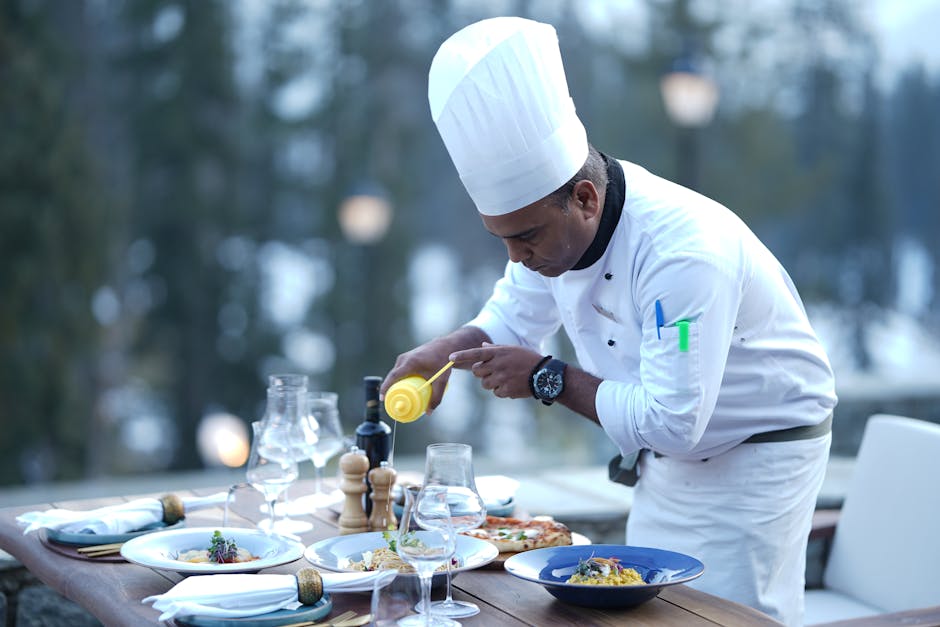
Cooking classes deepen your understanding of local cuisine. They’re also fun, social, and result in a meal you helped create.
What to Expect
Most classes last 2–4 hours and include market visits, instruction, and dining. Beginners are welcome—no prior skills required. Classes often accommodate dietary restrictions with advance notice.
You’ll learn techniques, ingredient sourcing, and cultural stories behind dishes. Take notes or ask for recipes to recreate meals at home.
Choosing the Right Class
Read reviews on platforms like TripAdvisor or GetYourGuide. Look for small group sizes, native instructors, and hands-on participation. Avoid overly commercialized experiences.
Popular options include:
- Oaxaca: Traditional mole workshop
- Barcelona: Paella and tapas class
- Tokyo: Sushi or ramen making
- Lisbon: Portuguese seafood cooking
Staying Healthy While Eating Abroad
Digestive issues are common when trying new foods. Prepare your body and mind for change.
Hydrate and Rest
Drink plenty of water, especially in hot climates. Avoid tap water in regions where it’s not safe. Stick to bottled or filtered water.
Get enough sleep. Fatigue lowers immunity and increases sensitivity to rich or spicy foods.
Introduce New Foods Gradually
Don’t overhaul your diet in one day. Start with familiar bases—rice, bread, grilled meats—and add one new ingredient at a time.
If you have a sensitive stomach, carry probiotics or digestive aids. Pepto-Bismol and oral rehydration salts are good backups.
Know When to Seek Help
Mild stomach upset is normal. But seek medical care if you experience severe pain, fever, or persistent vomiting. Keep your travel insurance details accessible.
FAQs
How do I choose a destination if I’ve never traveled for food before?
Start with cities known for safety, English accessibility, and strong food cultures. Barcelona, Tokyo, Oaxaca, and Lisbon are excellent first-time options. Consider your flavor preferences and comfort with language barriers.
Is it safe to eat street food as a beginner?
Yes, if you choose busy stalls with high turnover and freshly cooked food. Avoid raw items if you’re unsure about water quality. Follow local cues—locals know what’s safe.
How much should I budget for food on a culinary trip?
Plan for $30–$60 per day, depending on the destination. Street food and markets are budget-friendly. Set aside extra for one special meal or cooking class.