
Top Adventure Travel Escapes for Wild Nature Lovers
For those who crave raw landscapes, untamed wildlife, and the thrill of exploration, adventure travel offers more than just a vacation—it delivers transformative experiences. Whether you’re trekking through remote jungles, kayaking icy fjords, or summiting rugged peaks, the world’s wildest corners invite you to step beyond comfort and into authenticity. This guide highlights the most rewarding adventure travel escapes for nature lovers, focusing on destinations that combine natural beauty, physical challenge, and environmental integrity. From Patagonia to Bhutan, these escapes are chosen for their accessibility, safety, and profound connection to the natural world.
Why Adventure Travel Appeals to Nature Enthusiasts
Adventure travel stands apart from conventional tourism by emphasizing immersion, challenge, and respect for the environment. Unlike resort stays or guided city tours, these journeys place you directly within ecosystems—forests, mountains, deserts, and coastlines—where every step reveals something new.
Nature lovers are drawn to these experiences because they offer solitude, sensory richness, and a deeper understanding of ecological systems. Whether it’s tracking wildlife at dawn or navigating a river through untouched valleys, the rewards are both physical and emotional.
These trips also encourage sustainable travel practices. Many adventure destinations rely on eco-conscious operators who limit group sizes, use local guides, and support conservation efforts. Choosing such experiences ensures your adventure benefits both you and the planet.
Essential Qualities of a Great Adventure Escape
Not all remote destinations qualify as ideal adventure escapes. The best ones share key traits: accessibility without overdevelopment, diverse natural features, and opportunities for meaningful engagement with the environment.
Safety and infrastructure matter. While adventure implies risk, reputable operators provide trained guides, proper equipment, and emergency protocols. This balance allows travelers to push boundaries without compromising well-being.
Another hallmark is authenticity. The most memorable escapes avoid commercialization. Instead, they offer genuine interactions with local cultures and ecosystems—whether through homestays, community-led tours, or conservation volunteering.
What to Look for in an Adventure Travel Provider
Choosing the right tour operator is critical. Look for companies with strong safety records, transparent sustainability policies, and local partnerships. Small-group tours typically offer better access and lower environmental impact.
Certifications like those from the Global Sustainable Tourism Council (GSTC) or Leave No Trace principles are good indicators of responsible practices. Reading recent traveler reviews can also reveal how well a company manages logistics, guides, and environmental ethics.
Always confirm that guides are certified and knowledgeable about local flora, fauna, and customs. A skilled guide enhances safety and deepens your connection to the destination.
Top 10 Adventure Travel Escapes for Wild Nature Lovers
Below are ten of the world’s most compelling adventure travel destinations, each offering unique landscapes, wildlife, and challenges. These escapes are selected for their natural integrity, adventure potential, and accessibility for moderately experienced travelers.
1. Patagonia, Chile & Argentina
Spanning southern Chile and Argentina, Patagonia is a mecca for hikers, climbers, and photographers. Its vast steppes, glacial lakes, and jagged peaks—like Torres del Paine and Mount Fitz Roy—draw adventurers seeking solitude and grandeur.
The W Trek in Torres del Paine National Park is a classic multi-day hike, offering views of granite towers, turquoise lakes, and guanaco herds. For a more rugged experience, the Dientes de Navarino Circuit on Navarino Island challenges trekkers with unpredictable weather and remote terrain.
Patagonia’s low population density and protected status help preserve its wild character. Travelers should prepare for strong winds and rapid weather changes, especially in spring and fall.
2. Bhutan: The Himalayan Kingdom
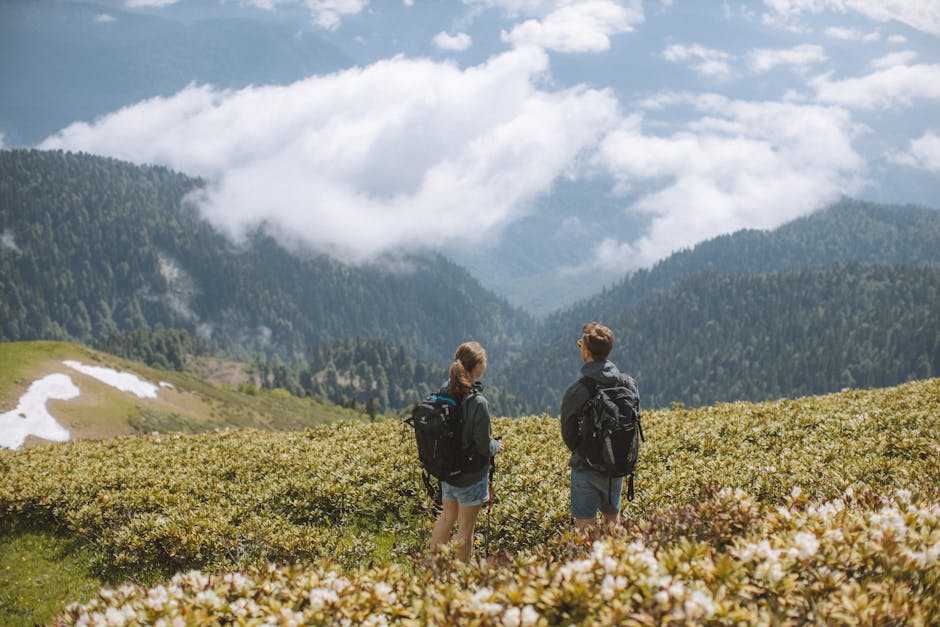
Bhutan remains one of the few countries where nature and culture coexist in near-perfect balance. Its policy of “high-value, low-impact” tourism ensures that visitors experience pristine forests, snow-capped peaks, and ancient monasteries without overcrowding.
The Snowman Trek is one of the world’s most challenging high-altitude journeys, crossing 11 mountain passes above 4,500 meters. For a less extreme option, the Jomolhari Trek offers stunning views of Mount Jomolhari and access to remote villages.
All visitors must travel with a licensed guide and pay a daily tariff that funds conservation and community development. This model protects Bhutan’s environment while offering authentic cultural exchanges.
3. Namibia’s Namib Desert
The Namib Desert, one of the oldest in the world, offers stark beauty and extreme adventure. Its red sand dunes, salt pans, and coastal fog create a landscape unlike any other.
Adventure seekers can hike the trails of Sossusvlei, climb Dune 45 at sunrise, or explore the Skeleton Coast by 4×4. The desert is also home to desert-adapted elephants and lions in the remote Kunene Region.
Due to the harsh climate, travel is best between May and September. Always travel with a guide, carry extra water, and avoid off-road driving to protect fragile ecosystems.
4. Fiordland, New Zealand
New Zealand’s South Island is renowned for its dramatic scenery, and Fiordland National Park is its crown jewel. Milford Sound and Doubtful Sound offer kayaking, hiking, and wildlife viewing in a rainforest-meets-marine environment.
The Milford Track, often called the “finest walk in the world,” takes four days through valleys, waterfalls, and alpine passes. For a water-based adventure, multi-day kayak trips allow you to glide past seals, penguins, and waterfalls cascading into the fiords.
Weather can change quickly, so pack waterproof gear and check trail conditions. Book accommodations and transport well in advance, especially during summer.
5. The Canadian Arctic: Nunavut & Northwest Territories
For those drawn to ice and isolation, Canada’s Arctic offers unparalleled adventure. Nunavut and the Northwest Territories provide access to tundra, polar bears, and the Northern Lights.
Dog sledding across frozen tundra, camping under the aurora borealis, and wildlife safaris in places like Churchill, Manitoba (the “Polar Bear Capital of the World”) are unforgettable experiences.
Travel is highly seasonal, with summer (June–August) offering 24-hour daylight and winter (December–March) ideal for aurora viewing. All trips require experienced guides and cold-weather preparation.
6. The Amazon Rainforest, Peru & Ecuador
The Amazon is the planet’s largest rainforest and a hotspot for biodiversity. Adventure here means navigating rivers, spotting jaguars and macaws, and learning from Indigenous communities.
In Peru’s Tambopata National Reserve, travelers can stay in eco-lodges, take night canoe rides to see caimans, and hike through primary forest. Ecuador’s Yasuní National Park offers similar experiences with fewer crowds.
Mosquitoes, humidity, and river travel require preparation. Use insect repellent, wear long sleeves, and choose lodges with medical support. Respect local customs and avoid single-use plastics.
7. Kamchatka Peninsula, Russia
Russia’s remote Kamchatka Peninsula is a volcanic wilderness with over 300 volcanoes, geysers, and brown bears. It’s one of the last true frontiers for adventure travel.
Trekking to the Valley of Geysers, kayaking along the Pacific coast, and bear-watching in Kuril Lake are signature experiences. Most trips involve small planes or helicopters to reach isolated areas.
Due to its remoteness and political considerations, travel requires careful planning. Work with specialized operators and ensure all visas and permits are in order.
8. Madagascar: Island of Endemics
Madagascar’s isolation has created a unique ecosystem, with over 90% of its wildlife found nowhere else. Adventure here includes trekking through rainforests, spiny deserts, and coral reefs.
Andasibe-Mantadia National Park is famous for its indri lemurs, while Isalo National Park offers dramatic sandstone formations and natural pools. For divers, Nosy Be provides access to pristine coral reefs and marine life.
Infrastructure is limited, so expect basic accommodations and variable road conditions. Hire local guides to support communities and enhance your experience.
9. The Dolomites, Italy
While Europe may not seem like a “wild” destination, the Dolomites offer rugged alpine terrain with fewer crowds than the Alps. Their limestone peaks, via ferratas, and high-altitude trails attract climbers and hikers.
The Alta Via 1 trek traverses 120 kilometers through seven valleys, with rifugi (mountain huts) providing shelter. For a technical challenge, the Tre Cime di Lavaredo loop offers exposed climbing and panoramic views.
Summer (June–September) is the best time to visit. Book huts early, as they fill quickly. Weather can shift rapidly, so carry layers and check forecasts daily.
10. Raja Ampat, Indonesia
Raja Ampat, off the coast of West Papua, is considered the global epicenter of marine biodiversity. Its coral reefs, mangroves, and limestone islands offer world-class diving and kayaking.
Liveaboard trips allow divers to explore remote sites like Cape Kri and Manta Sandy, home to manta rays and reef sharks. On land, jungle treks reveal birds of paradise and hidden lagoons.
Access is by boat or small plane, and facilities are basic. Choose operators committed to reef protection and local employment. Avoid touching coral or feeding wildlife.
How to Prepare for Your Adventure Escape
Proper preparation ensures safety, enjoyment, and minimal environmental impact. Start by assessing your fitness level and choosing a trip that matches your experience.
Research the destination’s climate, terrain, and cultural norms. Pack lightweight, moisture-wicking clothing, a quality backpack, and essential gear like a headlamp, water filter, and first-aid kit.
Physical training is crucial. Begin hiking with a loaded pack several weeks in advance. For high-altitude trips, consider acclimatization strategies and consult a doctor if you have health concerns.
Travel Insurance and Emergency Planning
Adventure travel often involves remote locations with limited medical facilities. Comprehensive travel insurance that covers evacuation, injury, and trip cancellation is non-negotiable.
Share your itinerary with someone at home and carry a satellite communicator (like a Garmin inReach) in areas without cell service. Know the location of the nearest embassy or consulate.
Learn basic first aid and how to signal for help. Many operators offer pre-trip safety briefings—attend them and ask questions.
Sustainable Adventure: Traveling Responsibly
Wild nature is fragile. As adventure travelers, we have a responsibility to protect the places we visit. This means following Leave No Trace principles: pack out all trash, stay on marked trails, and avoid disturbing wildlife.
Support local economies by hiring local guides, buying handmade goods, and eating at community-run restaurants. Avoid souvenirs made from endangered species or natural materials like coral or feathers.
Carbon offsetting is another way to reduce your impact. Many airlines and tour operators offer offset programs that fund reforestation or renewable energy projects.
Final Thoughts: Choosing Your Next Escape
The best adventure travel escapes are those that challenge you, change your perspective, and deepen your respect for the natural world. Whether you’re drawn to icy tundras, tropical reefs, or mountain summits, there’s a wild place waiting for you.
Start by identifying your interests—hiking, wildlife, photography, or cultural exchange—and match them to a destination. Use trusted resources, read recent reviews, and choose operators with strong ethical standards.
Remember, adventure isn’t about conquering nature—it’s about connecting with it. Approach each journey with curiosity, humility, and a commitment to leave only footprints.
FAQ
What is the best time of year for adventure travel in Patagonia?
The ideal time is during the Southern Hemisphere’s summer, from November to March. Weather is milder, trails are accessible, and daylight hours are long. Avoid winter unless you’re experienced in snow camping.
Do I need special training for high-altitude treks like Bhutan’s Snowman Trek?
Yes. The Snowman Trek exceeds 4,500 meters and requires excellent fitness, prior high-altitude experience, and proper acclimatization. Most operators require a medical certificate and proof of trekking experience.
How can I ensure my adventure travel is environmentally responsible?
Choose certified eco-operators, follow Leave No Trace guidelines, minimize plastic use, and support local communities. Avoid activities that exploit wildlife or damage habitats, such as riding elephants or touching coral.