
Complete Destination Guide to Amsterdam in Tulip Season
Amsterdam transforms into a vibrant canvas of color each spring when tulip season arrives, typically from late March to mid-May. Known as the “Tulip Capital of the World,” the city and its surrounding countryside burst into bloom with millions of flowers in every hue imaginable. This guide covers everything you need to know to make the most of your visit—from where to see the best displays and how to avoid crowds, to practical tips on timing, transportation, and local events. Whether you’re planning a romantic getaway, a family trip, or a solo adventure, Amsterdam in tulip season offers a uniquely Dutch experience rooted in centuries of floral tradition.
When to Visit Amsterdam for Tulip Season
The peak of tulip season in Amsterdam usually falls between mid-April and early May, though exact timing varies yearly based on weather. Warmer springs can push blooms earlier; colder ones delay them. To increase your chances of seeing fields in full bloom, aim for the last two weeks of April. The Netherlands’ national flower reaches its most spectacular display during this window, with gardens, parks, and countryside fields at their most vibrant.
Keep an eye on the Blooming Index published by the Dutch tourism board. This real-time tracker, updated weekly from March through May, shows which regions are currently in peak bloom. It’s especially useful if your travel dates are flexible. For example, in 2023, the Keukenhof gardens reached peak bloom on April 18—visitors who arrived a week earlier or later saw noticeably fewer flowers.
Avoid Easter weekend and King’s Day (April 27), when crowds swell dramatically. While these events are culturally rich, they can make navigating the city and nearby attractions more challenging. If you do visit during these times, book accommodations and transport well in advance.
Top Places to See Tulips in and Around Amsterdam
Keukenhof Gardens
Keukenhof, located about 30 minutes southwest of Amsterdam near Lisse, is the world’s largest flower garden and the crown jewel of tulip season. Spanning 79 acres, it features over 7 million bulbs planted annually, including rare varieties and themed displays. The garden is open only during tulip season—typically late March to mid-May—and requires advance ticket purchase.
Arrive early—ideally before 9 a.m.—to beat the crowds and capture the best light for photography. Weekdays are significantly quieter than weekends. Consider booking a guided tour that includes transportation from Amsterdam; many combine Keukenhof with a stop at a working flower farm or cheese market.
Note: Keukenhof is not in Amsterdam proper. Plan for at least a half-day trip, including travel time. Trains from Amsterdam Central Station to Haarlem, followed by a bus, are the most reliable option. Parking is limited and expensive.
Amsterdam’s City Parks
You don’t need to leave the city to enjoy tulips. Vondelpark, Amsterdam’s most famous green space, features curated flower beds with thousands of tulips arranged in geometric patterns each spring. The blooms typically peak in late April and are free to view.
Nearby, the Amsterdam Tulip Museum in the Jordaan district offers historical context, showcasing the 17th-century “Tulip Mania” that shaped Dutch culture and economy. While small, it provides fascinating insight into how tulips became a national symbol.

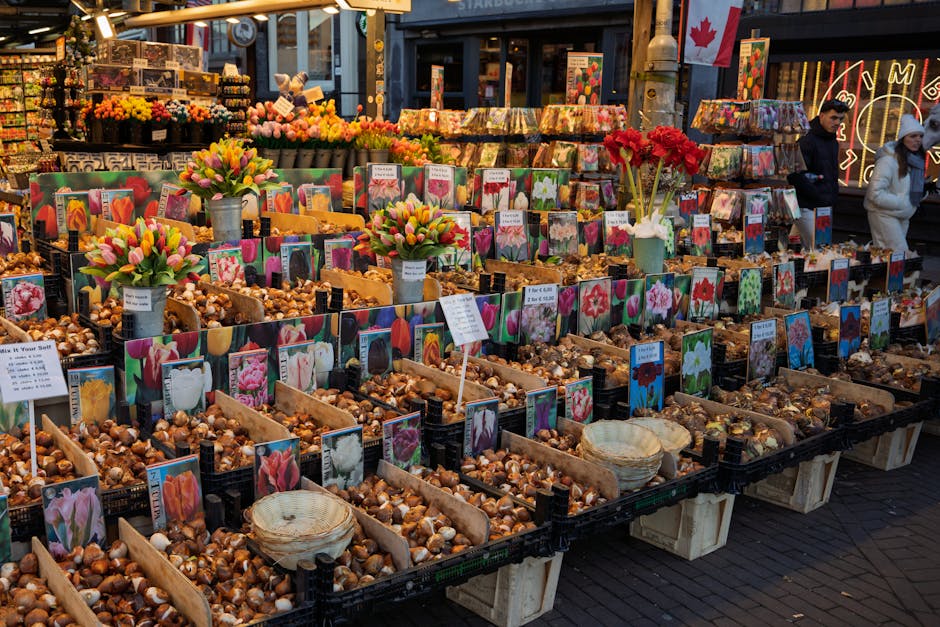
Other city spots include the flower stalls along the Singel canal, especially near Muntplein, where vendors sell fresh-cut tulips by the bunch. These make for charming photo ops and affordable souvenirs.
Flevopolder and the Flower Bulb Region
For a more rural experience, head to the Flevopolder region, home to vast tulip fields that stretch to the horizon. This reclaimed land, part of the Noordoostpolder, offers some of the most photogenic landscapes in the country. The best views are from quiet country roads between Lelystad and Emmeloord.
Drive or cycle along the Bollenstreek Route (Bulb Region Route), a scenic path connecting flower fields, quaint villages, and open polder landscapes. Renting a bike in Leiden or Haarlem allows you to explore at your own pace. Be respectful—many fields are private property, and walking through them is prohibited.
For a unique perspective, consider a hot air balloon ride or a canal boat tour through the bulb region. These experiences offer panoramic views of the patchwork fields in bloom and are especially popular with photographers.
How to Get Around During Tulip Season
Amsterdam’s public transportation system is efficient and well-suited for tulip season travel. Use the GVB network for trams, buses, and metro within the city, and NS trains for regional trips. An OV-chipkaart or contactless payment via debit/credit card works on all services.
To reach Keukenhof, take the train from Amsterdam Central to Haarlem (15 minutes), then bus 850 directly to the garden entrance. The entire journey takes about 45 minutes. During peak season, extra buses run frequently, but delays can occur due to high demand.
Cycling is another excellent option. Amsterdam has over 800 kilometers of dedicated bike paths, and many rental shops offer e-bikes for longer rides. Popular routes include the 20-kilometer path from Amsterdam to the flower fields near Hillegom. Always follow traffic rules—cycling in the city requires awareness of trams, pedestrians, and other bikes.
Driving is not recommended within Amsterdam due to limited parking and congestion charges. However, if you plan to explore the countryside, renting a car for a day can be worthwhile. Just be aware that narrow farm roads may not accommodate large vehicles, and parking near popular fields is often restricted.
Best Tulip Festivals and Events
Tulip Festival Amsterdam
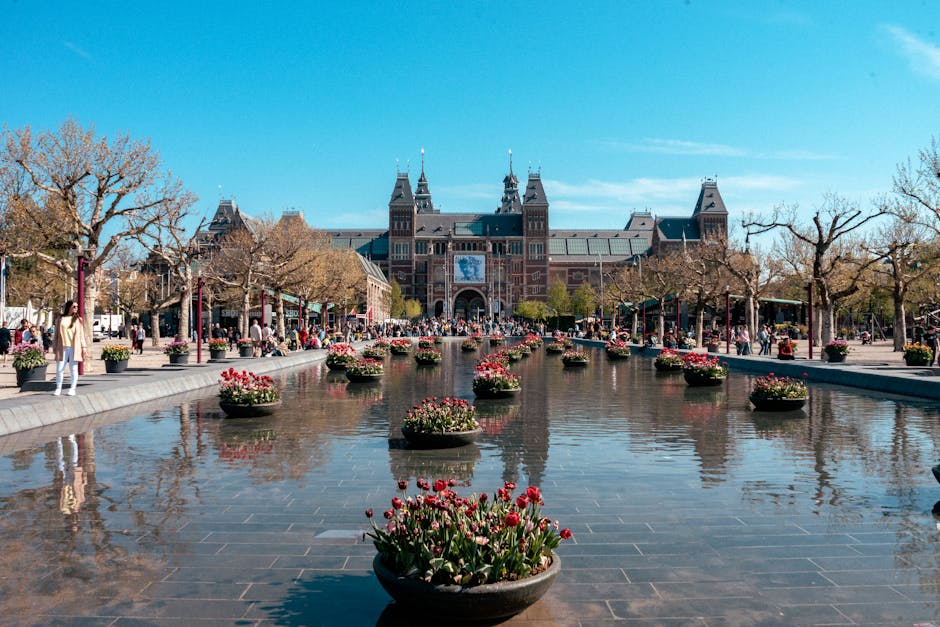
Held throughout April and May, the citywide Tulip Festival Amsterdam transforms neighborhoods with floral installations, pop-up markets, and guided walking tours. Over 100 locations participate, including museums, cafes, and public squares. Look for the distinctive yellow tulip flags marking participating sites.
Highlights include the Tulip Parade along the canals, where decorated boats sail past historic landmarks, and the Flower Carpet event at Dam Square, where thousands of tulip heads are arranged into a massive artwork. These events are free and family-friendly.
Bloemencorso (Flower Parades)
While not in Amsterdam itself, the annual flower parades in nearby towns are worth the trip. The Bloemencorso Bollenstreek, held on the Saturday before the first Sunday of May, features elaborate floats made entirely of flowers traveling from Noordwijk to Haarlem. It’s a colorful, festive spectacle that draws thousands of spectators.
Another notable event is the Bloemencorso Zundert, one of the largest flower parades in the world, held in the southern town of Zundert. Though farther from Amsterdam (about 2.5 hours by train), it’s considered a must-see for flower enthusiasts. Both events are free, but arrive early for the best viewing spots.
Where to Stay in Amsterdam During Tulip Season
Accommodation fills up quickly during tulip season, so book at least 3–4 months in advance. The city center—especially the Canal Belt and Jordaan—offers the most convenience, with easy access to parks, museums, and transit.
For a quieter stay, consider neighborhoods like De Pijp or Oost, which are well-connected by tram and less tourist-heavy. Boutique hotels and guesthouses in these areas often provide a more local experience.
If you plan to spend a full day at Keukenhof, staying in Haarlem or Leiden can reduce travel time and offer charming historic settings. Both towns have excellent train links to Amsterdam (15–20 minutes) and a more relaxed pace.
Budget travelers should explore hostels or vacation rentals, but be cautious of unlicensed listings. The city has strict regulations, and some properties may not meet safety standards.
What to Eat and Drink During Your Visit
Spring in Amsterdam brings seasonal menus featuring fresh asparagus, rhubarb, and early strawberries. Many restaurants highlight local produce, and some even incorporate edible flowers into their dishes.
Try stroopwafels from street vendors or haring (raw herring) from a traditional fish stand—both are Dutch classics. For a sweet treat, look for tulpetaart, a tulip-shaped pastry that appears in bakeries during the season.
Pair your meal with a locally brewed beer or a glass of Dutch gin (jenever). Many canal-side cafes offer outdoor seating with views of blooming trees and flower-lined quays—perfect for a leisurely afternoon.
Farmers’ markets, such as the Albert Cuyp Market in De Pijp, sell fresh tulip bulbs, local cheeses, and seasonal produce. You can buy bulbs to take home, but check customs regulations—some countries restrict plant imports.
Practical Tips for a Smooth Trip
Weather in spring can be unpredictable. Pack layers, a waterproof jacket, and comfortable walking shoes. Even in April, temperatures range from 8°C to 15°C (46°F to 59°F), with occasional rain.
Respect local customs. Dutch people value privacy and quiet, especially in residential areas. Avoid loud behavior, and always ask before photographing people or private gardens.
Photography is encouraged in public spaces, but drones are heavily regulated and often require permits. For the best shots, use a polarizing filter to reduce glare on petals and shoot during the golden hour—just after sunrise or before sunset.
Download offline maps and translation apps. While most locals speak excellent English, having a Dutch phrasebook can enhance interactions, especially in rural areas.
FAQs
When is the best time to see tulips in Amsterdam?
The peak bloom typically occurs between mid-April and early May. Check the official Blooming Index for real-time updates.
Do I need to buy tickets in advance for Keukenhof?
Yes. Keukenhof requires advance online booking, especially during weekends and holidays. Tickets often sell out weeks ahead.
Can I walk through tulip fields in the countryside?
No. Most fields are private farmland. Viewing is allowed from public roads and designated paths, but walking through crops is illegal and can damage the bulbs.