
Ultimate Destination Guide to Cairo for History Fans
Cairo is a living museum, where ancient wonders stand alongside medieval mosques and colonial-era buildings. For history fans, the city offers an unparalleled journey through over 5,000 years of civilization. From the iconic Pyramids of Giza to the hidden alleys of Islamic Cairo, every corner tells a story. This guide covers the must-see historical sites, practical tips for visiting, and lesser-known gems that bring Egypt’s past to life. Whether you’re drawn to pharaonic tombs, Coptic churches, or Ottoman architecture, Cairo delivers a rich, immersive experience.
Why Cairo Is a Must-Visit for History Enthusiasts
Cairo sits at the crossroads of Africa, the Middle East, and the Mediterranean, making it a cultural melting pot for millennia. It has served as the capital of ancient Egypt, a Roman province, an Islamic caliphate, and a modern nation-state. This layered history is visible in its architecture, artifacts, and urban layout.
Unlike many historical cities that preserve only one era, Cairo showcases continuity. You can walk from a 4,500-year-old pyramid to a 10th-century mosque in under an hour. The city doesn’t just display history—it lives it. Daily life unfolds against backdrops that have witnessed empires rise and fall.
For travelers seeking depth, Cairo offers context. Museums don’t just house relics—they explain how they were used, who made them, and why they mattered. Guided tours often include insights into social structures, religious practices, and technological advances of each period.
Top Historical Sites in Cairo
The Giza Plateau and the Great Pyramids
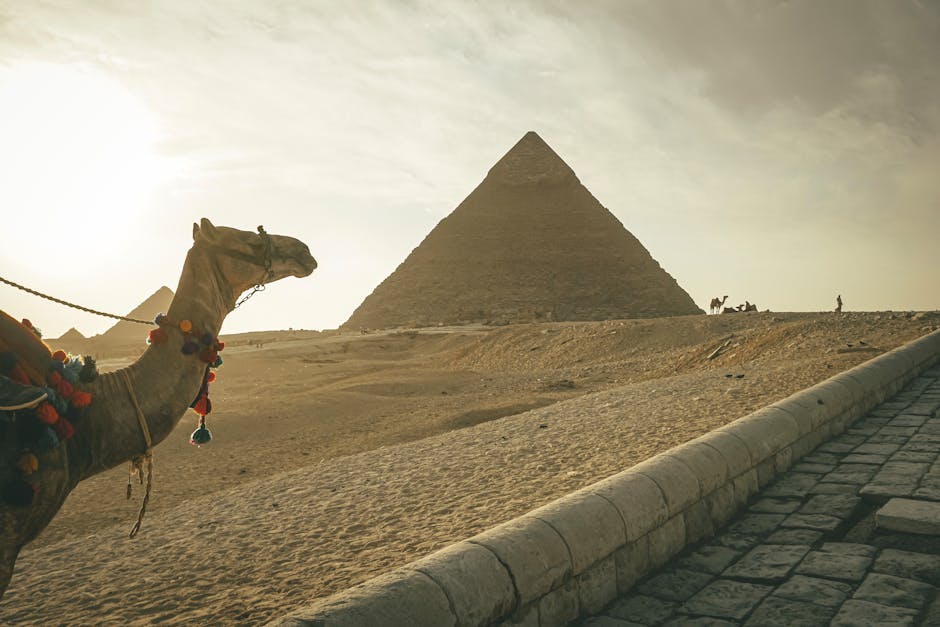
The Pyramids of Giza are Cairo’s most iconic landmarks and a UNESCO World Heritage Site. Built during the Fourth Dynasty (around 2580–2560 BCE), they served as tombs for Pharaohs Khufu, Khafre, and Menkaure. The Great Sphinx, with its lion’s body and human head, guards the plateau and dates to approximately 2500 BCE.
Visitors can enter the Great Pyramid of Khufu, though space is limited and requires a separate ticket. The interior passages are narrow and steep—comfortable shoes and moderate fitness are essential. Early morning visits help avoid crowds and extreme heat.
Nearby, the Solar Boat Museum displays a reconstructed wooden vessel buried near the Great Pyramid. Believed to carry the pharaoh into the afterlife, it offers insight into ancient Egyptian beliefs about death and the cosmos.
The Egyptian Museum in Tahrir Square
Home to the world’s largest collection of Pharaonic artifacts, the Egyptian Museum houses over 120,000 items. Highlights include the golden death mask of Tutankhamun, mummies of New Kingdom rulers, and thousands of statues, amulets, and tools.
The museum is undergoing a gradual transfer of its most valuable pieces to the new Grand Egyptian Museum (GEM) near Giza. As of 2024, major treasures like Tutankhamun’s tomb goods are still displayed here, but check ahead for updates.
Photography is restricted in many sections, and flash is prohibited. Audio guides or private tours enhance the experience, as labels are often brief. Allow at least three hours to explore the main halls.
The Grand Egyptian Museum (GEM)
Set to become the world’s largest archaeological museum, the GEM is located on the Giza Plateau, just 2 kilometers from the Pyramids. It will house the complete collection of Tutankhamun’s tomb artifacts—over 5,000 items—many displayed for the first time.
The museum’s design incorporates natural light and panoramic views of the pyramids. Exhibits are arranged chronologically, with interactive displays and detailed explanations of excavation processes. A dedicated children’s museum and conservation labs add educational depth.
As of mid-2024, the GEM is partially open by invitation or special tour. Full public access is expected by late 2024. Booking in advance is essential, and visitor numbers are capped daily.
Islamic Cairo: Mosques, Madrasas, and Markets
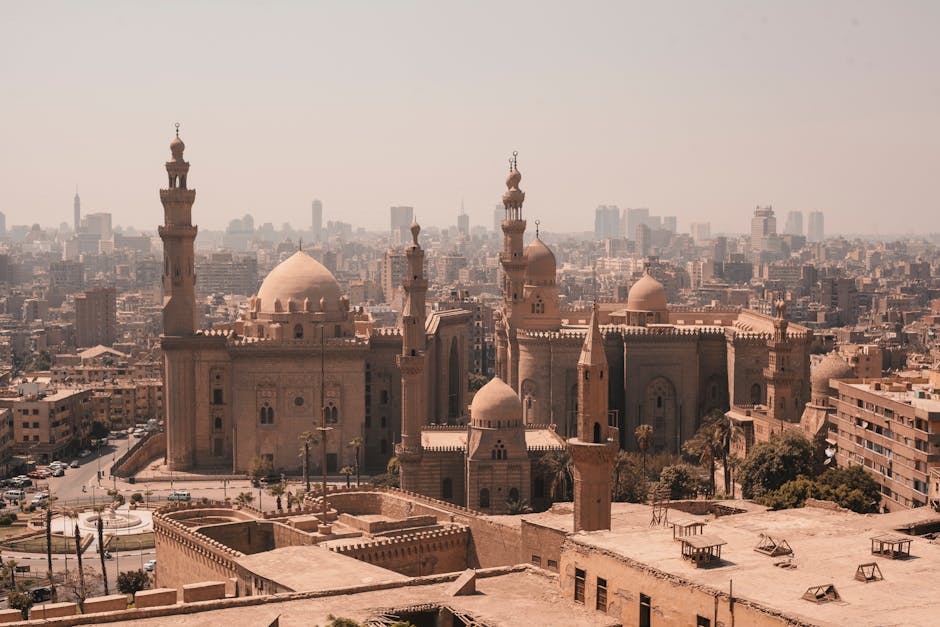
Islamic Cairo, centered around Al-Muizz li-Din Allah Street, is one of the oldest and most well-preserved medieval Islamic urban areas in the world. Founded in the 10th century, it became the heart of the Fatimid, Ayyubid, Mamluk, and Ottoman empires.
Key sites include the Mosque of Ibn Tulun (876 CE), one of the oldest surviving mosques in Egypt, and the Al-Azhar Mosque (970 CE), a center of Islamic learning. The Sultan Hassan Mosque (1356–1363) is a masterpiece of Mamluk architecture, with towering minarets and intricate stonework.
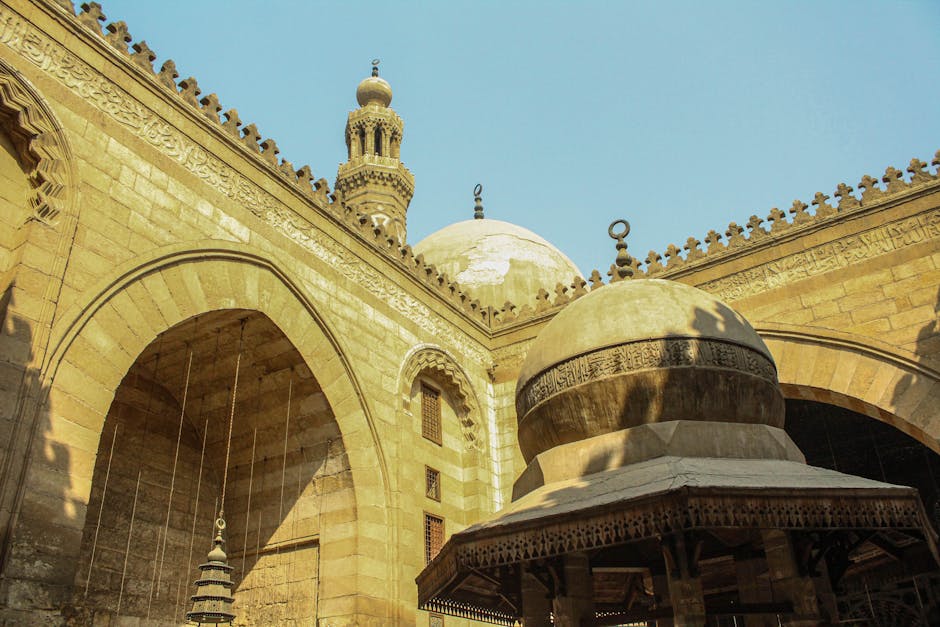
Walking through the Khan el-Khalili bazaar feels like stepping into the past. Established in the 14th century, it sells spices, jewelry, lanterns, and traditional crafts. Haggling is expected, and visiting during weekday mornings offers a more relaxed experience.
Coptic Cairo: The Christian Heritage
Coptic Cairo is a compact area that preserves Egypt’s Christian legacy, dating back to the Roman era. According to tradition, the Holy Family visited this region during their flight into Egypt, making it a pilgrimage site.
The Hanging Church (Al-Muallaqa), built atop a Roman gatehouse in the 7th century, is one of the oldest churches in Egypt. Its wooden roof resembles Noah’s Ark, and its icons reflect Byzantine influence. The nearby Church of St. Sergius and Bacchus is believed to stand where the Holy Family rested.
The Coptic Museum, founded in 1908, displays textiles, manuscripts, and icons from the 3rd to 19th centuries. Its collection illustrates the evolution of Coptic art and the community’s resilience through centuries of change.
Hidden Gems for History Buffs
The Ben Ezra Synagogue
Tucked behind a nondescript door in Coptic Cairo, the Ben Ezra Synagogue is one of the oldest Jewish places of worship in Egypt. According to legend, it was built on the spot where Moses was found in the bulrushes.
The synagogue gained fame in the 19th century when the Cairo Geniza—a storeroom of discarded manuscripts—was discovered in its attic. Thousands of documents, including letters, legal texts, and religious writings, provided unprecedented insight into medieval Jewish life in the Mediterranean.
Today, the synagogue is active and open to visitors. Quiet reverence is expected, and modest dress is required. Guided tours explain the Geniza’s significance and the community’s history.
The Citadel of Saladin
Perched on a hill overlooking Cairo, the Citadel was built by Saladin in the 12th century to defend against Crusader attacks. It served as the seat of government for nearly 700 years, under the Ayyubids, Mamluks, and Ottomans.
Within its walls, the Mosque of Muhammad Ali (completed in 1848) dominates the skyline with its Ottoman-style domes and minarets. The interior features alabaster panels, crystal chandeliers, and a grand courtyard.
The Citadel also houses several museums, including the Military Museum and the Al-Gawhara Palace. The views from the ramparts stretch across Cairo to the Pyramids on clear days. Visit in the late afternoon for cooler temperatures and golden light.
The City of the Dead (Northern Cemetery)
Despite its name, the City of the Dead is a functioning neighborhood where thousands of people live among tombs. Dating back to the 7th century, it evolved from a burial ground into a residential area due to housing shortages.
The tombs, many decorated with Islamic calligraphy and geometric patterns, range from simple family crypts to elaborate mausoleums. Some are maintained by descendants; others are repurposed as homes or workshops.
Visiting requires sensitivity and permission. Guided tours with local operators ensure respectful access and provide historical context. It’s a unique window into how Egyptians blend memory, faith, and daily life.
Practical Tips for Visiting Cairo’s Historical Sites
Best Time to Visit
The ideal time to visit Cairo is between October and April, when temperatures are mild. Summer months (June to August) can exceed 40°C (104°F), making outdoor exploration exhausting. Winter mornings are crisp, but afternoons are pleasant for sightseeing.
Ramadan affects opening hours and services. Many restaurants close during daylight, and some sites may have reduced hours. However, evening iftar meals and illuminated monuments offer a unique cultural experience.
Transportation and Getting Around
Cairo’s metro is efficient, affordable, and air-conditioned, connecting major districts and tourist sites. Line 2 stops near Tahrir Square and the Egyptian Museum. Taxis and ride-hailing apps like Uber and Careem are widely available but can be slow during rush hours.
Walking is feasible in compact areas like Islamic and Coptic Cairo, but traffic and pedestrian infrastructure can be challenging. Wear comfortable shoes and stay hydrated. Avoid walking alone at night in less touristy areas.
Safety and Cultural Etiquette
Cairo is generally safe for tourists, but petty crime like pickpocketing occurs in crowded areas. Keep valuables secure and avoid displaying expensive items. Women may receive unwanted attention; dressing modestly helps minimize this.
Respect local customs. Remove shoes before entering mosques and churches. Shoulders and knees should be covered at religious sites. Public displays of affection are frowned upon.
Photography rules vary. Always ask before photographing people, especially in markets or residential areas. Some sites charge extra for camera use.
Guided Tours vs. Independent Exploration
Guided tours offer context, skip-the-line access, and local insights. Reputable operators like Emo Tours, Memphis Tours, and local university guides provide knowledgeable commentary. Group tours are cost-effective; private tours allow customization.
Independent travelers can use audio guides, apps like Rick Steves Audio Europe, or detailed guidebooks. However, some sites require official guides for entry, such as the interior of the Great Pyramid.
Combining both approaches works well. Join a half-day tour for major sites, then explore neighborhoods at your own pace.
Where to Stay for History Lovers
Budget Options
Hostels and guesthouses in Islamic Cairo offer charm and proximity to historical sites. The Khan el-Khalili area has several budget-friendly options with traditional architecture and rooftop views. Look for places with good reviews on cleanliness and safety.
Hostels like Nomad Hostel and Cairo Nile Hostel provide communal kitchens, organized tours, and English-speaking staff. Prices start around $15–25 per night.
Mid-Range Hotels
Boutique hotels in Zamalek or downtown Cairo blend comfort with character. The Nile Ritz-Carlton and Sofitel Cairo Nile El Gezirah offer river views and easy access to museums. Smaller properties like Villa Belle Époque provide personalized service and historic ambiance.
Many mid-range hotels include breakfast and airport transfers. Booking in advance during peak season (November–March) ensures better rates.
Luxury Stays
For a splurge, consider the Four Seasons Cairo at Nile Plaza or the St. Regis Cairo. These hotels feature spa services, fine dining, and concierge-led historical tours. Some offer private access to sites or exclusive museum viewings.
Luxury riads in Islamic Cairo, like Beit al-Karm, restore historic homes into elegant accommodations. They often include guided walks and cultural experiences.
Food and Drink with a Historical Twist
Cairo’s cuisine reflects its diverse heritage. Try koshari (a mix of rice, lentils, pasta, and tomato sauce) at Abou Tarek, a local institution since 1950. Ful medames (stewed fava beans) has been a staple since Pharaonic times.
For a historic setting, dine at El Fishawy Café in Khan el-Khalili, open since 1773. It’s a favorite among writers and artists, with walls lined with old photographs and memorabilia.
Tea and mint lemonade are ubiquitous. In Coptic Cairo, El-Moallaq Restaurant serves traditional dishes in a restored 19th-century building. Always drink bottled water to avoid stomach issues.
Day Trips from Cairo
Saqqara and Dahshur
Just 30 minutes south of Cairo, Saqqara is the necropolis of Memphis, home to the Step Pyramid of Djoser—the world’s oldest stone monument (2650 BCE). The site includes tombs of nobles with vivid wall paintings.
Dahshur, a bit further out, features the Bent Pyramid and the Red Pyramid, both built by Pharaoh Sneferu. Fewer crowds make it ideal for photography and quiet reflection. Combine both sites in a half-day tour.
Memphis and the Red Sea
The ancient capital of Memphis, now an open-air museum, displays colossal statues of Ramses II and the Alabaster Sphinx. It’s a short stop en route to Saqqara.
For a change of pace, visit the Red Sea resort of Ain Sokhna, two hours east. While not historical, it offers relaxation after days of sightseeing. Some tours include a stop at the Roman fortress of Babylon-in-Egypt near the Suez Canal.
Final Thoughts
Cairo rewards curious travelers with a deep, multifaceted history that spans dynasties, religions, and empires. Its sites are not just relics—they are part of an ongoing story. With careful planning, respect for local customs, and a spirit of exploration, history fans will find Cairo unforgettable.
Start with the Pyramids and the Egyptian Museum, then wander the alleys of Islamic and Coptic Cairo. Let the city’s layers reveal themselves gradually. Every visit uncovers something new.
FAQ
Is it safe to visit historical sites in Cairo?
Yes, major tourist sites are generally safe and well-patrolled. Exercise normal precautions: avoid isolated areas at night, keep belongings secure, and follow local advice. Check your government’s travel advisories before departure.
Do I need a visa to visit Cairo?
Most visitors can obtain a visa on arrival at Cairo International Airport or purchase an e-visa online in advance. Citizens of the EU, US, Canada, Australia, and several other countries are eligible. Fees vary by nationality.
Can I visit the Pyramids at night?
The Giza Plateau offers a nightly Sound and Light Show, which includes narration and lighting effects but does not allow entry to the pyramids after dark. The site closes to visitors around 5 PM in winter and 6 PM in summer.