
Perfect Destination Guide to Phuket for Beach Days
Phuket is Thailand’s largest island and a top-tier destination for sun-seekers craving pristine beaches, turquoise waters, and laid-back coastal vibes. Whether you’re after family-friendly shores, secluded coves, or lively beachfront scenes, Phuket delivers. This guide covers the best beaches, practical tips, local insights, and essential planning advice to help you make the most of your beach days on the island.
Why Phuket Is Ideal for Beach Lovers
With over 30 beaches stretching across its western and southern coasts, Phuket offers variety without sacrificing quality. The island benefits from a tropical climate, with warm temperatures year-round and a dry season from November to April—ideal for beach outings.
Unlike more commercialized destinations, Phuket balances tourism infrastructure with natural beauty. You’ll find everything from luxury resorts to budget bungalows, all within easy reach of powdery sand and clear water perfect for swimming, snorkeling, or simply unwinding under a palm tree.
Top Beaches in Phuket for Every Traveler
Patong Beach – The Vibrant Hub
Patong is Phuket’s most famous beach, known for its energetic atmosphere, water sports, and nightlife. It’s ideal for travelers who want convenience and entertainment right at their doorstep.
The 3.5-kilometer stretch of sand is lined with restaurants, bars, and shops. Jet skiing, parasailing, and banana boat rides are widely available. Just be prepared for crowds—especially during peak season.
Kata Beach – Family-Friendly and Relaxed
Just south of Patong, Kata Beach offers a calmer alternative with soft sand and gentle waves. It’s a favorite among families and couples seeking a balance between relaxation and activity.
Surfing is popular here during the monsoon season (May to October), but the beach remains swimmable year-round. Several mid-range hotels and beachfront cafes line the shore, making it easy to spend a full day without leaving.
Karon Beach – Long, Wide, and Picturesque
Karon stretches over 3 kilometers and is one of Phuket’s longest beaches. Its wide shoreline provides plenty of space even during busy periods, and the gradual slope into the sea makes it safe for children.
The beach is less developed than Patong but still offers ample dining and lodging options. Sunset views from Karon are particularly stunning, especially from the southern end near the headland.
Freedom Beach – Secluded and Serene
Accessible only by boat or a steep hiking trail, Freedom Beach is a hidden gem. Tucked away behind lush cliffs, it offers crystal-clear water and minimal crowds.
This is the spot for travelers seeking tranquility. There are no vendors or large resorts—just natural beauty. Bring your own snacks and water, as facilities are limited.
Nai Harn Beach – Local Favorite with a View
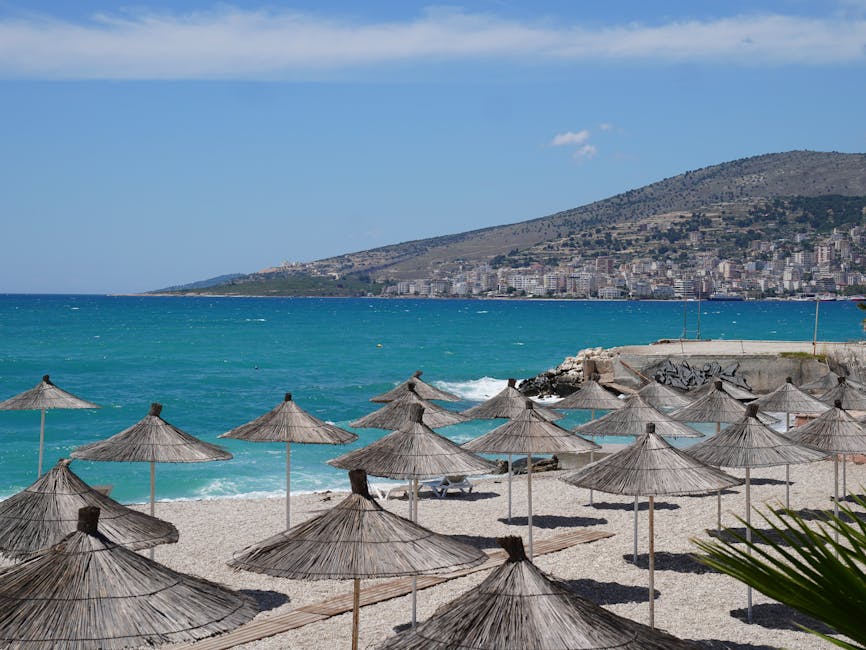
Located on the southern tip of the island, Nai Harn is quieter and favored by locals and long-term visitors. The beach is surrounded by hills, offering shade and scenic overlooks.
It’s a great base for exploring nearby Promthep Cape, especially at sunset. The water is calm and clear, ideal for swimming and paddleboarding.
Surin Beach – Upscale and Elegant
Known as “Millionaire’s Row,” Surin Beach is lined with luxury villas and high-end resorts. The beach itself is narrow but immaculate, with fine sand and clear water.
It’s perfect for travelers who want comfort and exclusivity. Several beach clubs offer day passes with lounge chairs, food, and drinks. Weekends can get busy with local crowds.
Best Time to Visit Phuket for Beach Days
The ideal time for beach activities in Phuket is during the dry season, from November to April. During these months, rainfall is minimal, skies are clear, and sea conditions are calm—perfect for swimming and water sports.
Peak tourist season runs from December to February, when temperatures hover around 28–32°C (82–90°F). Expect higher prices and more crowds, especially around Christmas and New Year.
The shoulder months of November and March offer a sweet spot: good weather, fewer tourists, and better accommodation rates. From May to October, the southwest monsoon brings heavier rains and rougher seas, though some eastern beaches remain usable.
What to Bring for a Perfect Beach Day
Packing smart ensures you enjoy your time without unnecessary stress. Start with reef-safe sunscreen—Phuket’s marine ecosystems are sensitive, and some sunscreens harm coral.
Bring a lightweight cover-up, hat, and UV-protection sunglasses. A quick-dry towel or sarong saves space and dries fast. Don’t forget a reusable water bottle to stay hydrated and reduce plastic waste.
If you plan to snorkel, consider bringing your own gear. While rentals are available, personal equipment ensures better fit and hygiene. Waterproof phone cases or dry bags protect electronics during water activities.
Beach Safety and Local Etiquette
While Phuket’s beaches are generally safe, it’s important to heed warning flags. Red flags mean swimming is prohibited due to strong currents or hazardous conditions. Yellow flags indicate caution.
Strong rip currents can occur, especially on west-facing beaches during monsoon months. Swim near lifeguard stations when possible and avoid alcohol before entering the water.
Respect local customs by dressing modestly when leaving the beach. Topless or nude sunbathing is not accepted and can lead to fines. Always clean up after yourself—littering is frowned upon and harms marine life.
Getting Around Phuket to Reach the Beaches
Phuket has no public bus system, so most travelers rely on taxis, tuk-tuks, or rental vehicles. Grab (Southeast Asia’s ride-hailing app) is widely available and often cheaper than metered taxis.
Renting a scooter offers flexibility and is cost-effective for solo travelers or couples. Ensure you have an international driving permit and always wear a helmet. Roads can be busy, especially near Patong and Karon.
For those uncomfortable with scooters, private transfers or hotel shuttles are reliable alternatives. Many beach resorts offer complimentary shuttles to popular spots.
Beachfront Dining and Refreshments
Most of Phuket’s popular beaches feature a range of dining options, from street food stalls to fine dining. At Patong and Karon, you’ll find international cuisine alongside Thai classics like pad Thai, green curry, and fresh seafood.
Beachfront bars serve tropical cocktails, fresh coconut water, and ice-cold beer. Try a “Phuket bucket” for a fun, shareable drink experience—but drink responsibly, especially in the heat.
For a local treat, look for vendors selling mango sticky rice, grilled squid, or coconut ice cream. Many operate from small carts near the beach entrances.
Water Activities and Excursions
Phuket’s coastline is a gateway to some of Thailand’s best marine adventures. Snorkeling trips to the Similan Islands or Phi Phi Islands depart regularly from Chalong Pier.
Day cruises often include lunch, snorkeling gear, and guided tours. Book through reputable operators to ensure safety and environmental responsibility.
For something more relaxed, try stand-up paddleboarding at Nai Harn or kayaking through mangroves near Rawai. Many beaches also offer jet skiing, parasailing, and banana boat rides—ideal for thrill-seekers.
Accommodation Tips Near the Best Beaches
Where you stay depends on your priorities. Patong offers convenience and nightlife but can be noisy. Karon and Kata strike a balance between comfort and accessibility.
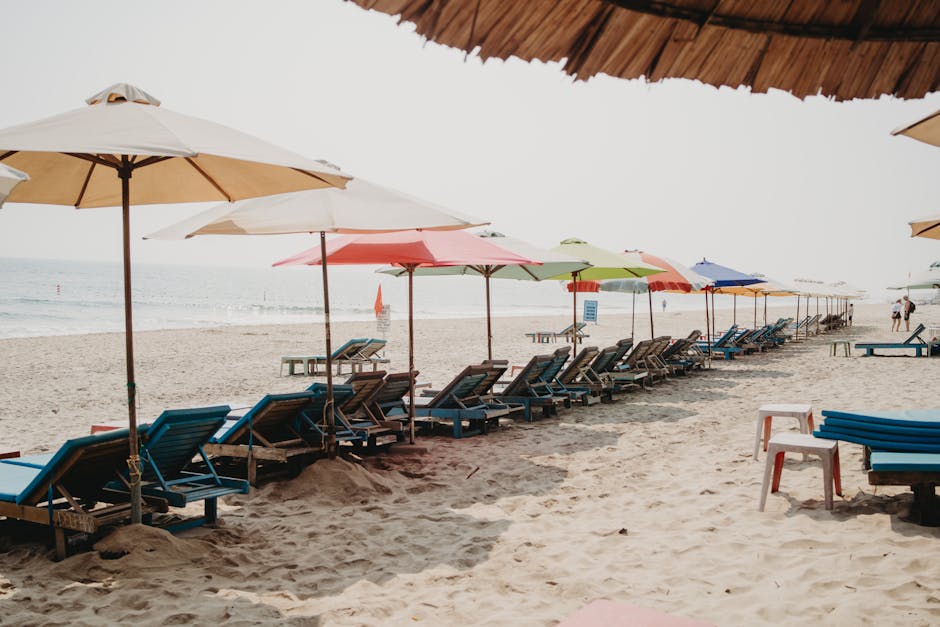
For peace and privacy, consider Surin, Nai Harn, or Kamala Beach. These areas have fewer crowds and more upscale options. Booking in advance is recommended, especially during high season.
Look for hotels with beach access, pools, and on-site dining. Many resorts offer packages that include breakfast, transfers, or activity discounts.
Sustainable Beach Travel in Phuket
Tourism impacts are visible on Phuket’s beaches, from plastic pollution to coral damage. Travelers can help by choosing eco-conscious operators and avoiding single-use plastics.
Support local businesses and participate in beach clean-up initiatives if available. Some resorts and NGOs organize volunteer days—ask at your hotel.
When snorkeling or diving, avoid touching coral or marine life. Even slight contact can damage delicate ecosystems. Use reef-safe sunscreen and never step on coral formations.
Final Tips for an Unforgettable Beach Experience
Start your day early to beat the crowds and enjoy the soft morning light. Midday sun is intense—seek shade or head indoors between 11 a.m. and 3 p.m.
Stay hydrated and reapply sunscreen every two hours, especially after swimming. A wide-brimmed hat and UV-protective clothing offer extra defense.
Explore beyond the main beaches. Smaller coves like Laem Singh or Ya Nui offer charm and fewer tourists. A short drive or boat ride can lead to a completely different experience.
FAQ
What is the best beach in Phuket for families?
Kata Beach is ideal for families due to its calm waters, soft sand, and range of nearby amenities. Karon Beach is another excellent option with its wide shoreline and lifeguard presence.
Is it safe to swim at Phuket’s beaches year-round?
Swimming is safest from November to April when seas are calm. During the monsoon season (May to October), strong currents and rough waves make swimming risky on west-facing beaches. Always check warning flags and lifeguard advice.
Do I need to book beach activities in advance?
For popular excursions like island hopping or snorkeling tours, booking in advance ensures availability, especially during peak season. Walk-up bookings are possible but may cost more or have limited slots.