
Amazing Adventure Travel Ideas for Cliffside Views
Cliffside destinations offer some of the most breathtaking vistas in the world—where rugged terrain meets sweeping horizons. Whether you’re drawn to coastal cliffs, mountain ridges, or dramatic gorges, these adventure travel ideas combine awe-inspiring scenery with thrilling experiences. From hiking trails perched on sheer edges to sunrise viewpoints accessible only by foot, these locations deliver unforgettable moments. This guide highlights top cliffside adventures across continents, offering practical tips, safety advice, and trip planning insights to help you explore safely and responsibly.
Why Cliffside Adventures Captivate Travelers
Cliffside landscapes combine natural drama with a sense of adventure that few other environments can match. The elevation provides panoramic views, often revealing coastlines, valleys, or cityscapes in ways ground-level travel never could. These destinations also tend to be less crowded than beach resorts or urban centers, offering solitude and immersion in nature.
Beyond the visual appeal, cliffside travel often involves physical challenges—hiking, climbing, or navigating narrow paths—that appeal to active travelers. The sense of accomplishment after reaching a high vantage point enhances the experience, making it more than just sightseeing.
The Psychology of Elevation and Perspective
Standing on a cliff triggers a primal response: awe. Studies in environmental psychology suggest that elevated viewpoints can improve mood and reduce stress by providing a broader perspective—literally and metaphorically. This mental shift is part of what makes cliffside travel so compelling.
Unlike flat landscapes, cliffs create visual depth and layers, drawing the eye across distances. This makes them ideal for photography, reflection, and simply pausing to absorb the moment.
Top Global Destinations for Cliffside Adventure Travel
From Europe’s dramatic coastlines to Asia’s misty highlands, the world is rich with cliffside wonders. Each destination offers unique terrain, cultural context, and adventure opportunities. Below are standout locations that balance accessibility, safety, and visual impact.
1. Cliffs of Moher, Ireland
Stretching 14 kilometers along Ireland’s west coast, the Cliffs of Moher rise up to 214 meters above the Atlantic Ocean. A well-maintained walking trail runs the length of the cliffs, offering safe access to multiple viewpoints.
The site is equipped with visitor centers, rest areas, and informational signage. Best visited in early morning or late afternoon to avoid crowds and capture golden-hour lighting. Avoid the edges during high winds or fog.
2. Meteora, Greece
Meteora’s towering sandstone pillars in central Greece are home to ancient monasteries perched atop natural rock formations. Reaching them involves climbing steep staircases carved into the stone—some with over 100 steps.
While not traditional cliffs, the verticality and isolation create a similar sense of elevation and wonder. Guided hikes and photography tours are available. Visit in spring or autumn for mild weather and fewer tourists.
3. Zhangjiajie National Forest Park, China
Famous for inspiring the floating mountains in Avatar, Zhangjiajie features quartzite pillars rising hundreds of meters from the forest floor. Glass skywalks and cable cars provide safe access to cliff-edge viewpoints.
The park includes the Bailong Elevator, one of the world’s tallest outdoor lifts, which carries visitors up a cliff face. Trails vary in difficulty—some are paved and wheelchair-accessible, while others require sturdy footwear and balance.
4. Trolltunga, Norway
One of Europe’s most iconic cliffside hikes, Trolltunga (“Troll’s Tongue”) is a rock formation jutting horizontally over a lake. The 27-kilometer round-trip hike takes 10–12 hours and is recommended only for experienced trekkers.
Best attempted between June and September when trails are snow-free. Proper gear—hiking boots, layers, and a headlamp—is essential. Overnight camping near the trailhead is advised to start early.
5. El Chorro, Spain
Located in Andalusia, El Chorro is a limestone gorge with a narrow hiking path bolted directly into the cliff face. Known as the “Caminito del Rey,” this once-dangerous route was restored in 2015 and now features handrails and safety cables.
The walk spans 3 kilometers and includes tunnels, bridges, and vertigo-inducing drops. Tickets must be booked in advance. Not suitable for those with severe fear of heights.
6. The Dolomites, Italy
This UNESCO World Heritage range in northern Italy offers countless cliffside trails with views of jagged peaks and alpine valleys. The Tre Cime di Lavaredo loop is a popular route with moderate difficulty.
Refuges along the trails provide food, shelter, and rest. Summer months offer the best conditions, but early snow can close paths by October. Hiking poles and sun protection are recommended.
7. Table Mountain, South Africa
Cape Town’s iconic flat-topped mountain offers multiple hiking routes to the summit, including the challenging Platteklip Gorge trail. The views span the city, ocean, and surrounding mountains.
The cableway provides a less strenuous alternative, but hiking allows for closer interaction with fynbos vegetation and rock formations. Avoid hiking during strong winds or thunderstorms.
8. Ha Long Bay, Vietnam
While primarily a water-based destination, Ha Long Bay features limestone karsts rising sharply from emerald waters. Kayaking or taking a boat tour allows access to hidden lagoons and cliffside caves.
Some islands, like Titov Island, have hiking paths leading to viewpoints over the bay. Overnight cruises offer the best access and comfort. Choose operators with strong safety records.
9. Yosemite National Park, USA
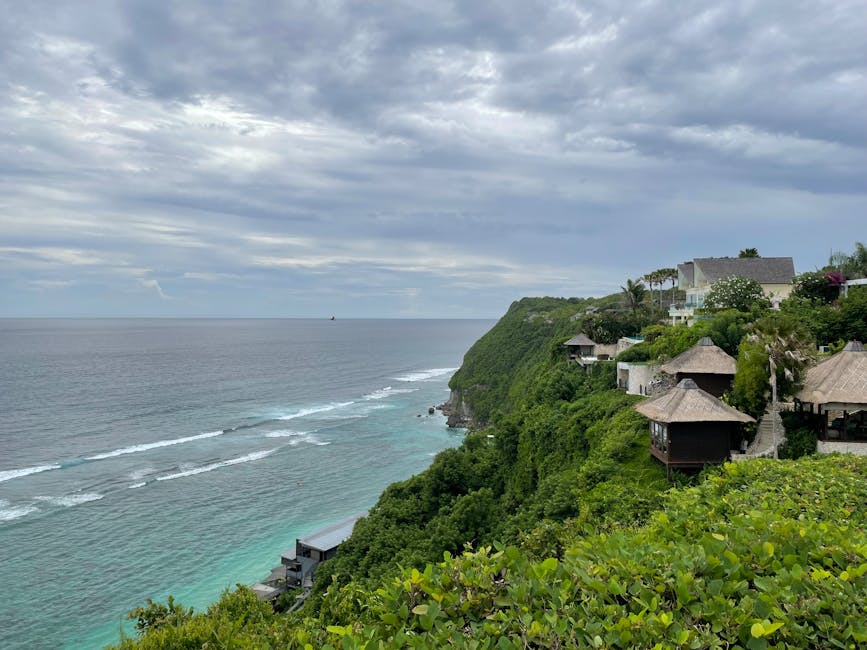
Yosemite’s granite cliffs—like El Capitan and Half Dome—are legendary among climbers and hikers. The Mist Trail to Vernal Fall offers a strenuous but rewarding climb with waterfall views and cliffside exposure.
Permits are required for overnight hikes and summit attempts. Weather changes quickly; always check conditions before departing. Trails can be slippery when wet.
10. The Twelve Apostles, Australia
Part of the Great Ocean Road, these limestone stacks rise from the Southern Ocean. Viewpoints are easily accessible by car, with short walks to overlook platforms.
Sunrise and sunset offer the most dramatic lighting. The site is prone to erosion—some stacks have collapsed over time. Stay behind barriers and avoid climbing on rocks.
Planning Your Cliffside Adventure: A Step-by-Step Guide
Successful cliffside travel requires preparation, respect for nature, and attention to safety. Rushing into a high-altitude or remote location without planning can lead to dangerous situations. Follow these steps to ensure a rewarding and secure trip.
Step 1: Research the Destination
Start by identifying the type of cliffside experience you want: coastal, mountain, forested, or desert. Use official tourism websites, park guides, and traveler forums to gather information on trail conditions, permits, and seasonal closures.
Look for recent trip reports to understand current challenges—such as trail erosion, wildlife activity, or weather patterns. Avoid relying solely on social media photos, which may not reflect real conditions.
Step 2: Assess Your Fitness and Skill Level
Not all cliffside hikes are equal. Some require scrambling, balance, or endurance. Be honest about your physical condition and experience. Beginners should start with well-marked, low-exposure trails.
If you’re new to hiking, consider joining a guided tour. Local guides know the terrain, weather signs, and emergency procedures. They can also enhance the experience with cultural and geological insights.
Step 3: Pack the Right Gear
Essential items include sturdy hiking boots with ankle support, moisture-wicking clothing, a backpack, water, snacks, a first-aid kit, and a fully charged phone. For longer hikes, add a map, compass, headlamp, and emergency shelter.
In cold or wet climates, pack extra layers and a waterproof jacket. Sun protection—hat, sunglasses, sunscreen—is crucial at high elevations where UV exposure increases.
Step 4: Check Weather and Trail Conditions
Weather on cliffs can change rapidly. High winds, fog, or sudden storms increase the risk of slips or disorientation. Check forecasts from reliable sources like national weather services or park authorities.
Some trails close during rainy seasons due to mudslides or flooding. Always verify trail status before departure. If conditions seem unsafe, postpone your trip.
Step 5: Inform Someone of Your Plans
Tell a friend or family member your itinerary, including the trail name, expected return time, and emergency contacts. Carry a whistle and know basic distress signals.
In remote areas, consider renting a satellite communicator. These devices allow you to send SOS signals even without cell service.
Safety Tips for Cliffside Hiking
Cliffside environments demand extra caution. A single misstep can have serious consequences. These safety practices reduce risk and help you enjoy the adventure responsibly.
Stay on Marked Trails
Venturing off-path increases the chance of getting lost or encountering unstable ground. Erosion, loose rocks, and hidden drop-offs are common near cliff edges. Stick to designated routes.
Trail markers, signs, and cairns (stacked rocks) guide the way. If you lose the path, stop and retrace your steps. Don’t assume shortcuts are safe.
Avoid the Edge
Never approach the cliff edge for photos or views. Soil and rock can be fragile, especially after rain. A common mistake is leaning back for a selfie—this shifts your center of gravity and increases fall risk.
Use zoom lenses instead of stepping closer. If a viewpoint feels unsafe, move back and enjoy the scene from a distance.
Be Mindful of Weather Changes
Cliffs are exposed to wind, rain, and temperature shifts. High winds can knock you off balance. Fog reduces visibility, making navigation difficult. Lightning is a serious risk on high ground.
If storms approach, descend immediately. Don’t wait for rain to start—lightning can strike ahead of clouds.

Travel in Groups When Possible
Hiking with others increases safety. In case of injury, someone can seek help. Groups are also more visible to rescuers and less likely to be approached by wildlife.
If you hike alone, choose popular trails with regular foot traffic. Avoid remote areas unless you have advanced skills and communication tools.
Responsible Travel on Cliffside Trails
Cliffside ecosystems are often fragile and protected. Responsible travel ensures these landscapes remain intact for future visitors. Follow these guidelines to minimize your impact.
Leave No Trace
Pack out all trash, including food wrappers and tissues. Avoid picking plants or disturbing wildlife. Stick to durable surfaces to prevent soil erosion.
Use established rest areas instead of creating new ones. Human waste should be buried 15–20 cm deep and at least 60 meters from water sources.
Respect Local Communities
Many cliffside areas are near villages or sacred sites. Learn about local customs and dress modestly when appropriate. Support local businesses by buying food, guides, or crafts.
Avoid loud noises or littering in residential areas. Some trails may require permission from landowners or communities.
Protect Wildlife
Birds of prey, mountain goats, and reptiles often nest or live on cliffs. Keep a safe distance and never feed animals. Use binoculars for close-up views.
Flash photography can disturb nesting birds. Turn off camera flashes near wildlife habitats.
Photography Tips for Cliffside Landscapes
Capturing cliffside views requires planning and technique. The right approach can turn a good photo into a stunning one. These tips help you make the most of the scenery.
Golden Hour Is Key
The hour after sunrise and before sunset offers soft, warm light that enhances textures and depth. Shadows are longer, adding drama to cliffs and valleys.
Arrive early to secure a good spot, especially at popular viewpoints. Use a tripod for stability in low light.
Use a Wide-Angle Lens
Wide-angle lenses (16–35mm) capture the vastness of cliffside landscapes. They emphasize foreground elements while including distant horizons.
Avoid distortion by keeping the horizon level. Use leading lines—like trails or rock formations—to guide the viewer’s eye.
Include Human Elements for Scale
A person standing on a trail or viewpoint helps convey the size of the cliff. Without a reference, massive landscapes can appear smaller in photos.
Ask a travel companion to pose briefly, or use a mannequin or backpack as a stand-in.
Shoot in RAW Format
RAW files retain more detail and allow greater flexibility in editing. They’re especially useful in high-contrast scenes with bright skies and dark shadows.
Use graduated neutral density (ND) filters to balance exposure between sky and land.
When to Visit: Seasonal Considerations
The best time for cliffside travel depends on location, climate, and personal preference. Each season offers different advantages and challenges.
Spring
Melting snow feeds waterfalls and wildflowers bloom. Trails are often muddy but less crowded. In mountainous regions, higher elevations may still be snow-covered.
Ideal for destinations like the Dolomites or Yosemite, where spring runoff creates dramatic cascades.

Summer
Long days and stable weather make summer popular for hiking. However, midday heat can be intense at lower elevations. Coastal cliffs may be foggy in the mornings.
Book accommodations and permits early. Afternoon thunderstorms are common in tropical and mountainous areas.
Autumn
Crisp air, fewer crowds, and fall foliage enhance the experience. In places like New England or the Alps, autumn colors contrast beautifully with rock faces.
Weather remains stable in many regions, but early snow can close high trails by late October.
Winter
Snow-covered cliffs offer a serene, otherworldly beauty. However, ice and cold increase danger. Only attempt winter hikes with proper gear and experience.
Some trails are inaccessible due to snow. Others, like Norway’s fjords, offer guided winter tours with crampons and ice axes.
Alternative Ways to Experience Cliffside Views
Not every adventure requires hiking. For those with mobility limitations, fear of heights, or time constraints, alternative options provide access to stunning vistas.
Scenic Drives
Routes like California’s Pacific Coast Highway or Ireland’s Wild Atlantic Way offer cliffside views from the comfort of a car. Pullouts and overlooks allow safe stopping.
Check road conditions, especially in mountainous or coastal areas. Some passes close in winter.
Cable Cars and Gondolas
Many destinations offer aerial transport to high viewpoints. Examples include the Peak Tram in Hong Kong, the Gulmarg Gondola in India, and the Table Mountain Aerial Cableway.
These options are accessible, weather-protected, and often include observation decks and cafes.
Boat Tours
Coastal cliffs are best seen from the water. Boat tours in places like Milford Sound (New Zealand) or the Amalfi Coast (Italy) provide unique perspectives.
Choose operators with experienced captains and safety equipment. Seasickness medication may be needed on rough waters.
Helicopter Flights
For a truly aerial view, helicopter tours offer unparalleled access. Popular in places like Hawaii, Iceland, and the Grand Canyon, these flights showcase cliffs from above.
Prices vary widely. Book in advance and confirm safety records. Weather can cause cancellations.
Final Thoughts: Embracing the Journey
Cliffside adventure travel is about more than reaching a destination—it’s about the journey, the challenge, and the perspective gained from standing on the edge of the world. These experiences foster resilience, appreciation for nature, and lasting memories.
With proper planning and respect for the environment, anyone can safely enjoy these awe-inspiring landscapes. Whether you’re hiking a remote ridge or viewing cliffs from a scenic drive, the key is to stay present, prepared, and open to wonder.
FAQ
What should I wear for a cliffside hike?
Wear moisture-wicking clothing, sturdy hiking boots with good grip, and layers for changing weather. A hat, sunglasses, and sunscreen are essential. Avoid cotton, which retains moisture and can cause chafing or hypothermia.
Are cliffside hikes safe for beginners?
Yes, many cliffside trails are beginner-friendly with clear paths and safety rails. Choose well-marked, low-exposure routes and avoid areas with steep drop-offs or scrambling. Always assess your comfort level and turn back if needed.
How can I avoid crowds at popular cliffside viewpoints?
Visit early in the morning or late in the afternoon. Weekdays are typically less busy than weekends. Consider lesser-known trails or nearby alternatives that offer similar views with fewer people.