
Smart Destination Guide to Brussels for Weekend Plans
Brussels, the capital of Belgium, is a compact, walkable city perfect for a weekend getaway. Whether you’re drawn to grand squares, world-class museums, or legendary chocolate, this smart destination guide to Brussels for weekend plans covers the essentials. You’ll find practical tips on where to stay, what to see, how to get around, and where to eat—all tailored for a 48-hour visit. No fluff, no filler: just clear, actionable advice to help you make the most of your time.
Why Brussels Is Ideal for a Weekend Trip
Brussels packs centuries of history, culture, and flavor into a small urban footprint. Most major attractions are within walking distance of each other, especially in the city center. Unlike larger capitals, you won’t waste hours commuting—your time is better spent sipping Belgian beer or exploring hidden alleys.
The city is also well-connected by train from major European hubs like Paris, London, and Amsterdam. A high-speed Thalys or Eurostar ride gets you to Brussels in under two hours from Paris. Once you arrive, public transit is efficient, affordable, and easy to navigate.
Best Time to Visit Brussels for a Weekend
Spring (April to June) and early fall (September to October) offer mild weather and fewer crowds. Summer brings festivals and long days, but also peak tourist numbers. Winter has charm—especially during the Christmas markets—but can be chilly and damp.
Avoid major holidays like Belgian National Day (July 21) if you prefer quieter streets. Weekends year-round see local life buzzing, especially around Place Flagey and the Marolles district.
Where to Stay: Neighborhoods That Fit Your Style
Choosing the right base can shape your entire weekend. Brussels has distinct neighborhoods, each with its own vibe.
City Center (Pentagon)
This is the historic heart, home to the Grand Place, Manneken Pis, and major museums. Ideal if you want to walk everywhere and be close to landmarks. Hotels range from luxury (like Hotel Amigo) to budget-friendly options near Gare Centrale.
Note: Some streets near the Grand Place get very crowded by mid-morning. If you value quiet mornings, consider staying just outside the core.
Saint-Gilles
A trendy, multicultural area with art nouveau architecture, indie cafes, and a relaxed pace. Great for food lovers and design enthusiasts. It’s a 15-minute metro ride from the center but feels more local.
Stay here if you want authenticity over tourist convenience. Rue du Midi is known for its international markets and affordable eats.
EU Quarter (European District)
Modern, clean, and quiet at night. Best for business travelers or those who prefer a sleek, international atmosphere. Less nightlife, but excellent metro links.
Avoid this area if you’re seeking charm or character. It’s functional, not scenic.
Must-See Attractions in 48 Hours
You can’t see everything in Brussels in two days—but you can hit the highlights without rushing. Focus on quality over quantity.
Grand Place
The Grand Place is Brussels’ crown jewel. This UNESCO World Heritage site glows under golden light at sunrise and sunset. Visit early to avoid crowds and capture photos without people.
Don’t miss the intricate guildhalls and the Town Hall tower. Climb the 366 steps for panoramic views—worth the effort if you’re up for it.
Atomium
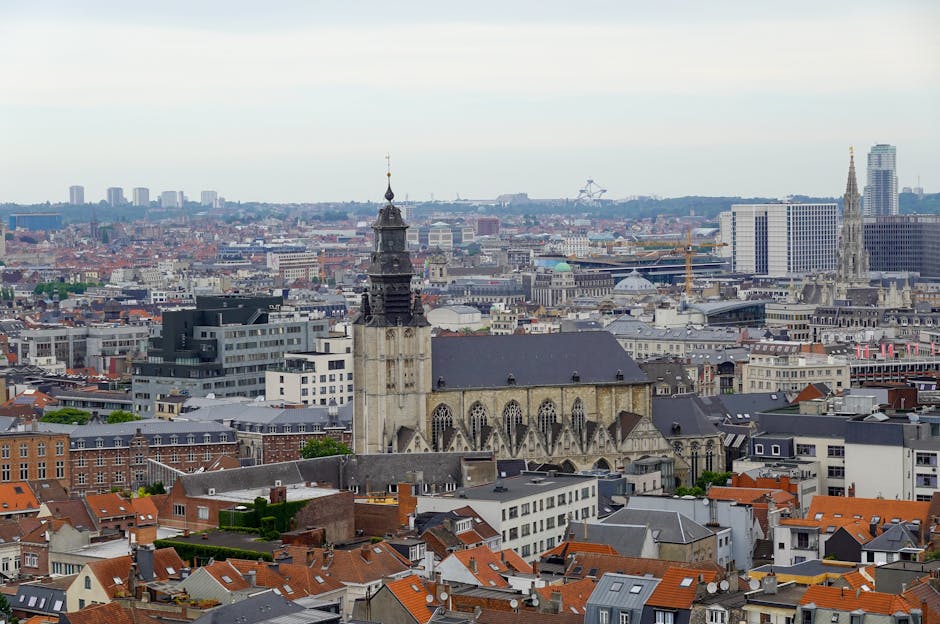
This futuristic structure from the 1958 World’s Fair offers a unique perspective—literally. Ride the escalator to the top sphere for views across the city and beyond.
Inside, rotating exhibitions explore science and design. Combine your visit with the adjacent Mini-Europe park if you have kids or love model villages.
Royal Museums of Fine Arts
Housing works by Bruegel, Rubens, and Magritte, this museum complex is a must for art lovers. The Magritte Museum, in particular, offers an immersive look at the surrealist master.
Buy a combined ticket online to save time and money. Allow at least two hours for a meaningful visit.
Mont des Arts
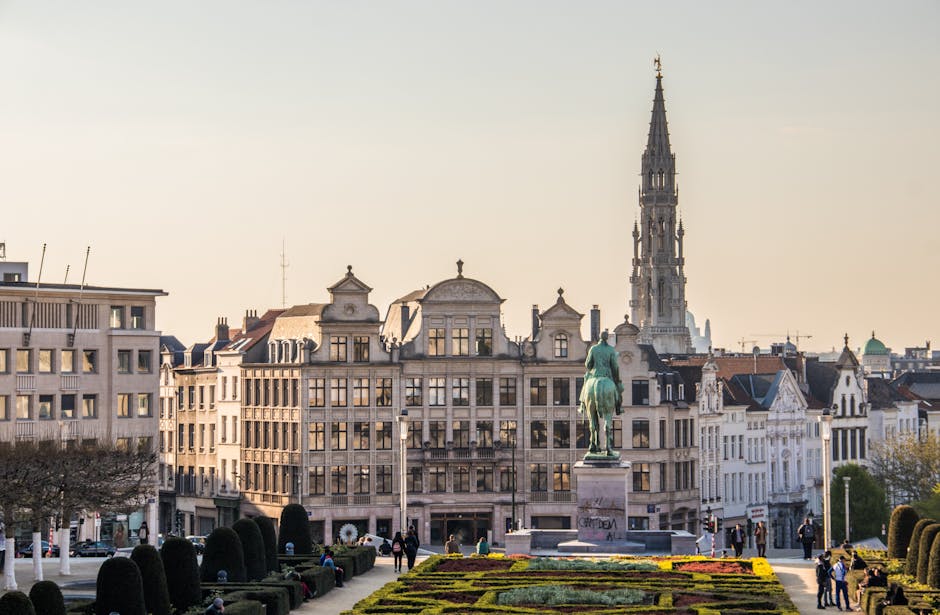
This cultural hill connects the upper and lower town. It’s a peaceful green space with fountains, sculptures, and great photo ops of the city skyline.
Perfect for a midday break between museum visits. Free to access and open year-round.
How to Get Around Brussels Efficiently
Brussels has an excellent public transport system run by STIB/MIVB. Use it to save time and energy.
Public Transit Options
The network includes metro, trams, and buses. A single ticket costs €2.50 and is valid for one hour of travel, including transfers. Buy a MOBIB card (€5 deposit) for easier top-ups.
For a weekend trip, consider a 72-hour pass (€15) if you plan to use transit frequently. Validate your ticket each time you board—fines apply for unvalidated tickets.
Walking vs. Transit
Walking is ideal for the city center. The distance from the Grand Place to the Royal Palace is under 15 minutes on foot. Wear comfortable shoes—cobblestones can be tricky.
Use transit for longer distances, like going to the Atomium or the EU institutions. Metro Line 6 connects the city center to the Atomium in about 20 minutes.
Biking and Scooters
Brussels has bike lanes and shared e-scooters (Lime, Dott). Renting a bike for a few hours is a fun way to explore parks like the Cinquantenaire.
Warning: Traffic can be aggressive. Stick to designated paths and avoid rush hour.
Where to Eat: A Foodie’s Weekend Itinerary
Belgian cuisine is hearty, refined, and deeply satisfying. Don’t leave without trying these staples.
Breakfast: Café Culture
Start your day at a local café. Try Brasserie Belga near Place Sainte-Catherine for fresh croissants and strong coffee. Or head to Koffie & Staal in Saint-Gilles for artisanal brews and sourdough toast.
Avoid tourist traps near the Grand Place—prices are inflated and quality inconsistent.
Lunch: Waffles, Fries, and More
Belgian waffles come in two styles: Brussels (light, crispy, rectangular) and Liège (dense, sweet, round). Try both. Natan near the Bourse offers excellent Liège waffles with toppings.
For fries, go to Frit Flagey or Chez Vincent. Belgians eat fries with mayo, not ketchup. Trust the locals on this one.
Dinner: Fine Dining and Local Favorites
For a splurge, book Comme Chez Soi, a three-Michelin-starred institution with a seasonal menu. Reservations open three months in advance.
For a casual but authentic meal, try Le Pain Quotidien for organic, farm-to-table dishes, or La Roue d’Or for classic moules-frites (mussels and fries).
Snacks and Sweets
Belgian chocolate is world-famous. Visit Pierre Marcolini or Neuhaus for premium pralines. Avoid airport-style shops—look for small boutiques with fresh stock.
Try speculoos, a spiced biscuit often served with coffee. You’ll find it in most supermarkets, but the best versions are handmade at local bakeries.
Day-by-Day Itinerary for a Perfect Weekend
Here’s a realistic, balanced plan for your 48 hours in Brussels.
Saturday: Historic Heart and Local Flavors
Morning: Start at the Grand Place at 8 a.m. to beat the crowds. Visit the nearby Manneken Pis (it’s smaller than you think). Walk to the Royal Gallery of Saint Hubert, a 19th-century shopping arcade with luxury boutiques and cafes.
Afternoon: Grab lunch at Le Pain Quotidien. Then head to the Royal Museums of Fine Arts. Spend two hours exploring, especially the Magritte collection.
Evening: Dinner at La Roue d’Or. Afterward, stroll through the Marolles district, known for its flea market and antique shops. End the night with a Belgian beer at A La Mort Subite, a historic café with over 200 varieties.
Sunday: Modern Brussels and Green Spaces
Morning: Take the metro to the Atomium. Arrive by 10 a.m. to avoid lines. Explore the exhibitions and enjoy the view from the top.
Afternoon: Walk to Mini-Europe (optional, if you have time). Then head to Parc du Cinquantenaire for a picnic or a relaxed walk. Visit the Art & History Museum if you’re interested in archaeology and ethnography.
Evening: Return to the city center for a final dinner. Try Comme Chez Soi if you booked ahead, or opt for Brasserie Les Prisons for modern Belgian cuisine. End with a nightcap at Delirium Café, famous for its vast beer menu.
Money-Saving Tips for Budget Travelers
Brussels can be affordable with smart choices.
Many museums offer free entry on the first Sunday of the month. Check official websites before you go.
Use the Brussels Card (€35 for 48 hours) for free public transport and discounted or free entry to over 40 attractions. Calculate whether it’s worth it based on your plans.
eat like a local: lunch menus (formules) are often half the price of dinner. Many restaurants offer a three-course lunch for under €20.
Safety and Practical Tips
Brussels is generally safe, but petty theft occurs in tourist areas. Keep your bag closed and avoid flashing valuables.
Beware of pickpockets near the Grand Place, Gare du Nord, and on crowded trams. Use a crossbody bag and keep your phone secure.
Tap water is safe to drink. Save money and reduce plastic by refilling your bottle at public fountains.
Most locals speak English, especially in service industries. A few French or Dutch phrases (like “dank u wel” for thank you) go a long way.
What to Pack for a Brussels Weekend
Weather can change quickly. Pack layers, a compact umbrella, and a waterproof jacket—even in summer.
Comfortable walking shoes are non-negotiable. Cobblestones and hills add up over two days.
Bring a portable charger. You’ll use your phone for maps, tickets, and photos.
If visiting in winter, pack warm clothes. Indoor heating is strong, but outdoor temps can drop below freezing.
Final Thoughts: Making the Most of Your Time
Brussels rewards the curious traveler. It’s not about ticking off every sight, but savoring the mix of old and new, local and global.
Stick to a loose plan, leave room for spontaneity, and embrace the city’s relaxed pace. Whether you’re admiring art, tasting chocolate, or people-watching in a square, your weekend in Brussels will be memorable.
FAQ
How many days do you need in Brussels?
Two full days are ideal for a first visit. This allows time for major attractions, a meal or two at quality restaurants, and a taste of local life.
Is Brussels safe for solo travelers?
Yes, Brussels is generally safe for solo travelers. Stick to well-lit, busy areas at night and stay aware of your surroundings, especially in transit hubs.
Do I need to speak French or Dutch to get by?
No. Most people in tourism and hospitality speak English. Learning a few basic phrases in French or Dutch is appreciated but not required.