
Perfect Destination Guide to Reykjavik in Winter Snow
Reykjavik transforms into a serene winter wonderland when snow blankets its colorful rooftops and cobbled streets. As Iceland’s capital, it offers a unique blend of urban charm and natural beauty, making it an ideal destination for travelers seeking both culture and adventure during the colder months. From the Northern Lights dancing overhead to steaming geothermal pools, Reykjavik delivers unforgettable winter experiences. This guide covers everything you need to know—where to stay, what to do, how to get around, and essential tips for staying safe and comfortable in the snow.
Why Visit Reykjavik in Winter?
Winter in Reykjavik runs from November to March, with December and January being the coldest and darkest months. Despite the short daylight hours—averaging just 4–5 hours in midwinter—the city radiates a cozy, festive atmosphere. Snow-covered landscapes enhance the dramatic scenery, while fewer tourists mean more intimate experiences at popular sites.
The season brings unique opportunities: witnessing the Aurora Borealis, soaking in outdoor hot springs under starlit skies, and exploring ice caves on nearby glaciers. Reykjavik also hosts winter festivals like the Winter Lights Festival in February, which features illuminated art installations, live music, and extended museum hours.
Compared to summer, winter travel is more budget-friendly. Accommodation and flight prices are generally lower, and you’ll avoid the crowds that flock to Iceland between June and August. Just be prepared for variable weather—snow, wind, and occasional storms can affect travel plans.
Top Winter Activities in Reykjavik
Chase the Northern Lights
The Aurora Borealis is one of Iceland’s most sought-after natural phenomena. Reykjavik’s proximity to dark, open areas increases your chances of spotting the lights, especially on clear, moonless nights from late September to early April.
For the best views, head just outside the city to spots like Grótta Lighthouse on Seltjarnarnes Peninsula. It’s a short drive or bus ride away and offers minimal light pollution. Many tour operators offer guided Northern Lights tours, which include transportation and expert guidance. These tours often continue until the early morning hours, maximizing your chances of a sighting.
Always check the aurora forecast on the Icelandic Meteorological Office website before heading out. Cloud cover and solar activity greatly influence visibility. Dress warmly—temperatures can drop well below freezing, even in the city.
Relax in Geothermal Pools
Icelanders take their hot springs seriously, and Reykjavik has several public geothermal pools perfect for winter soaking. The most famous is the Sky Lagoon, located just 15 minutes from downtown. Its infinity-edge design overlooks the Atlantic Ocean, creating a dramatic contrast between steaming water and icy air.
For a more local experience, visit Sundhöll Reykjavíkur, the city’s oldest indoor pool, or Laugardalslaug, a large complex with multiple pools, saunas, and a waterslide. Entry typically costs between 1,000–1,500 ISK (about $7–11 USD), and towels and lockers can be rented on-site.
Soaking in warm water while snow falls around you is a uniquely Icelandic experience. Just remember to shower thoroughly before entering the pools—it’s a strict cultural rule.
Explore Ice Caves and Glaciers
While not in the city itself, ice cave tours depart regularly from Reykjavik and are a must-do winter activity. The most accessible caves are found in the Vatnajökull Glacier, Europe’s largest ice cap, located about a 4.5-hour drive southeast of the capital.
Guided tours typically include transportation, crampons, helmets, and a knowledgeable guide. The crystal-blue ice formations are formed by meltwater carving tunnels through the glacier, creating surreal, ever-changing landscapes. Tours usually run from November to March, depending on weather and ice stability.
Book in advance—these tours are popular and often sell out. Wear waterproof layers and sturdy boots. The terrain can be slippery, and temperatures inside the caves hover just above freezing.
Visit the Blue Lagoon (with a Winter Twist)
The Blue Lagoon is Iceland’s most famous geothermal spa, located about 50 minutes from Reykjavik. While it’s busy year-round, winter visits offer a magical experience: steam rising from milky-blue water against a backdrop of snow and dark skies.
Reserve your spot online well ahead of time—entry is timed and limited. The lagoon offers silica mud masks, in-water massage services, and a swim-up bar serving Icelandic sparkling water and cocktails. The nearby Silica Hotel provides luxury accommodations for an extended stay.
Be aware that the lagoon is man-made and fed by runoff from a nearby geothermal power plant. While safe and regulated, some visitors prefer more natural hot springs like the Secret Lagoon or Mývatn Nature Baths (further north).
Walk the Streets of Downtown Reykjavik
Even in winter, Reykjavik’s compact downtown is best explored on foot. Start at Hallgrímskirkja, the iconic church whose architecture mimics Iceland’s basalt columns. Climb the tower for panoramic views of the snow-dusted city and surrounding mountains.
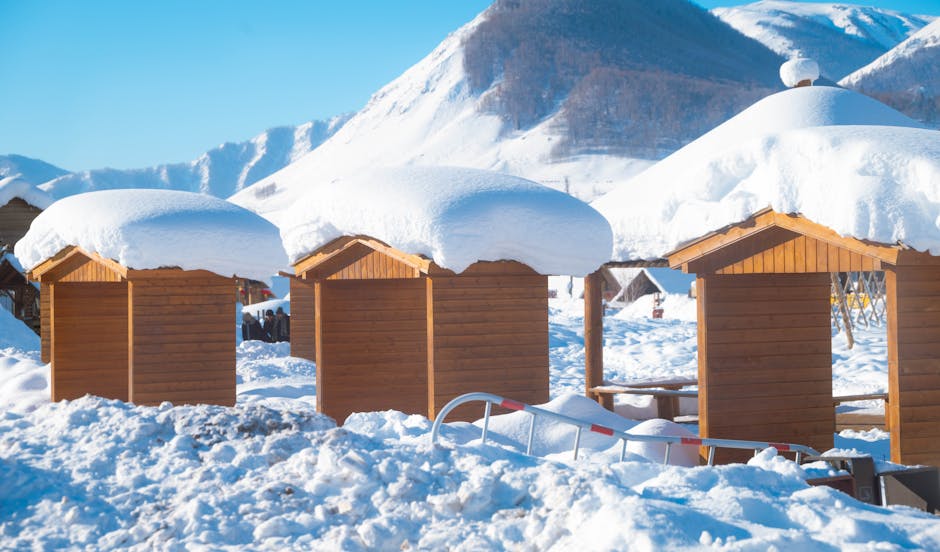
Stroll down Laugavegur Street, the main shopping and dining strip. Browse local boutiques for wool sweaters (lopapeysa), handmade jewelry, and Icelandic design. Stop by Kaffismiðjan for a cup of locally roasted coffee or Brauð & Co. for their famous cinnamon rolls.
Don’t miss the Harpa Concert Hall, a modern glass building that reflects the sky and sea. Its geometric façade glows at night, especially during winter light displays. Free guided tours are available, and the upper floors offer quiet spaces with stunning views.
Where to Stay in Reykjavik
Budget-Friendly Options
Travelers on a budget will find several hostels and guesthouses in central Reykjavik. Kex Hostel, housed in a former biscuit factory, offers dorm beds from around 4,000 ISK ($30 USD) per night. It features a cozy bar, communal kitchen, and regular events like live music and film nights.
Reykjavik Hostel 101 is another solid choice, located in a quiet residential area but within walking distance of downtown. Private rooms are available, and breakfast is included. Both hostels provide luggage storage, useful if you arrive early or depart late.
Booking platforms like Hostelworld or Booking.com often offer discounts for longer stays. Always read recent reviews—some budget accommodations may lack heating or have shared bathrooms.
Mid-Range Hotels
For comfort and convenience, consider mid-range hotels like Hotel Borg or Reykjavik Residence Hotel. Hotel Borg, a historic Art Deco building, offers elegant rooms, a spa, and a central location near Austurvöllur Square.
Reykjavik Residence Hotel provides apartment-style rooms with kitchenettes, ideal for travelers planning to cook some meals. Many units have balconies with city or mountain views. Both hotels include breakfast and free Wi-Fi.
Prices typically range from 25,000–40,000 ISK ($185–295 USD) per night in winter. Book early for the best rates, especially around holidays or festivals.
Luxury Stays
For a premium experience, The Reykjavik EDITION offers modern luxury with minimalist design, a rooftop bar, and a spa. Located near the Old Harbour, it’s steps from restaurants and cultural sites.
Alternatively, Canopy by Hilton Reykjavik City Centre combines contemporary style with local art and a complimentary breakfast. Both hotels provide concierge services, including help booking tours and transportation.
Luxury accommodations often include perks like heated floors, in-room coffee machines, and late check-out. Expect to pay 50,000 ISK ($370 USD) or more per night.
Getting Around Reykjavik in Winter
Public Transportation
Reykjavik has a reliable bus system operated by Strætó. The network covers the city and nearby towns, with routes clearly marked and real-time updates available via the Strætó app.
A single ticket costs 510 ISK ($3.80 USD) and is valid for 75 minutes. Day passes (1,800 ISK) and multi-day cards are available at kiosks and tourist centers. Buses run frequently during the day but less so in the evening and on weekends.
Note that buses may be delayed during heavy snow or ice. Always allow extra time for travel, especially when catching flights or tours.
Renting a Car
Renting a car gives you freedom to explore beyond the city, but winter driving in Iceland requires caution. Roads can be icy, and mountain passes may close due to snow or avalanches.
All rental cars in Iceland are required to have winter tires from November to April. Choose a 4×4 vehicle if planning to visit highland areas or remote sites like the Golden Circle in winter conditions.
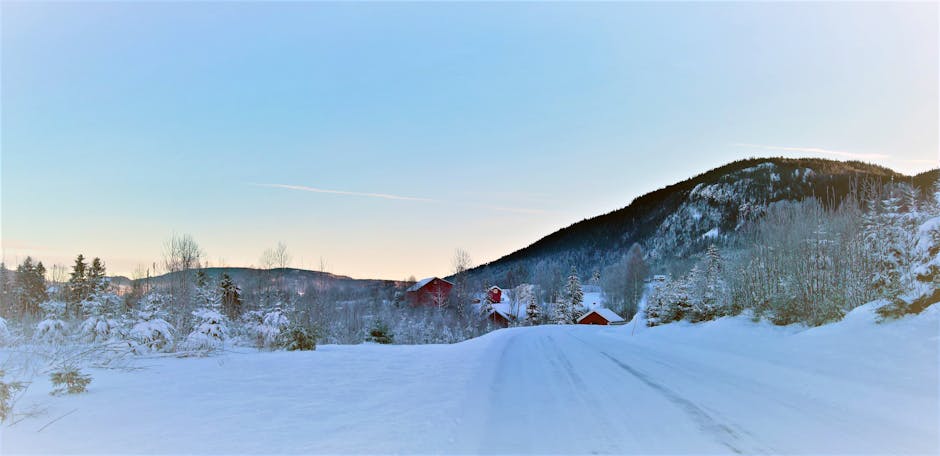
Always check road conditions on road.is before departure. The website provides live updates, webcams, and weather alerts. Never drive off marked roads—off-road driving is illegal and environmentally damaging.
Walking and Cycling
Downtown Reykjavik is compact and walkable, even in snow. Sidewalks are generally cleared, but black ice can form, so wear boots with good grip.
Cycling is less common in winter due to weather, but some locals still ride. Bike lanes exist, but snow and ice reduce safety. If you do cycle, use lights and wear reflective clothing—visibility is low during dark winter days.
Rental bikes are available, but availability drops in winter. Consider walking or using public transport instead.
What to Eat in Reykjavik
Traditional Icelandic Dishes
Winter is the perfect time to try hearty Icelandic cuisine. Start with plokkfiskur, a comforting fish stew made with cod or haddock, potatoes, and onions, baked with béchamel sauce.
Another local favorite is köttur og rúgbrauð—meat and rye bread—served with lamb and dark, dense bread baked in geothermal ovens. For the adventurous, hákarl (fermented shark) is a traditional delicacy, though it’s an acquired taste.
Vegetarian options are increasingly available, especially in cafes and modern restaurants. Look for dishes featuring root vegetables, barley, and locally grown greens.
Cozy Cafés and Bakeries
Reykjavik has a thriving coffee culture. Cafés like Reykjavik Roasters and Te & Kaffi serve excellent brews and light meals. Many offer free Wi-Fi and quiet corners ideal for reading or working.
Don’t leave without trying a kleina, a twisted, fried pastry similar to a doughnut. Available at most bakeries, they’re best enjoyed warm with a cup of coffee.
For dessert, visit Brauð & Co. for their legendary cinnamon rolls or Gló for fresh smoothies and raw cakes.
Fine Dining
Reykjavik’s restaurant scene blends innovation with tradition. Dill Restaurant, Iceland’s first Michelin-starred eatery, offers a seasonal Nordic menu using local ingredients like lamb, Arctic char, and wild herbs.
Fish Company specializes in seafood, with dishes like grilled langoustine and cod with brown butter. Both restaurants require reservations, especially in winter when locals dine out more frequently.
Most restaurants close by 10 or 11 PM. Tipping is not expected but appreciated for exceptional service.
Essential Tips for Winter Travel in Reykjavik
Dress for the Weather
Layering is key. Start with a moisture-wicking base layer, add an insulating mid-layer like fleece or wool, and finish with a waterproof, windproof outer shell.
Invest in quality winter boots with deep treads. Slippery sidewalks and icy paths are common. Don’t forget a warm hat, gloves, and a scarf—wind chill can make temperatures feel much colder.
Avoid cotton, which retains moisture and can lead to hypothermia. Synthetic or wool fabrics are better for staying dry and warm.
Stay Safe in Winter Conditions
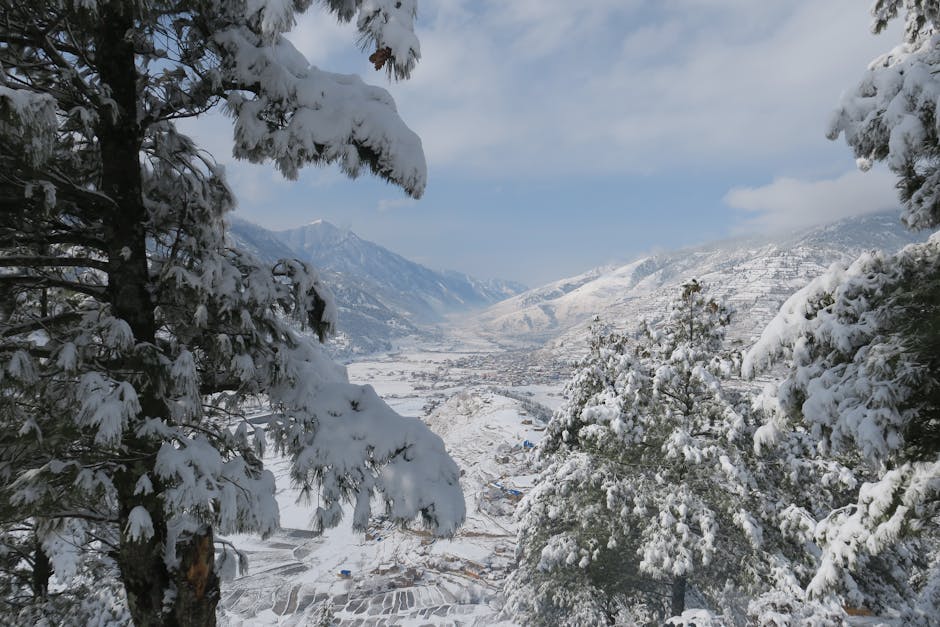
Always inform someone of your travel plans, especially if heading outside the city. Weather can change rapidly, and rescue operations are costly and complex.
Carry a charged phone and portable battery. Mobile coverage is good in Reykjavik but spotty in rural areas. Download offline maps and emergency apps like 112 Iceland.
Be cautious near water. Ice on lakes and rivers may not be thick enough to walk on. Follow local warnings and barriers.
Respect Local Customs
Icelanders value punctuality, quiet, and environmental responsibility. Keep noise levels down in residential areas, especially at night.
Recycling is taken seriously. Use designated bins for plastic, paper, and general waste. Littering is frowned upon and can result in fines.
When visiting homes or pools, remove your shoes. It’s a common practice and helps keep interiors clean.
Sample 4-Day Winter Itinerary
Day 1: Arrival and City Exploration
Arrive at Keflavik Airport and take the Flybus to downtown Reykjavik. Check into your accommodation and drop off luggage.
Spend the afternoon walking Laugavegur Street, visiting Hallgrímskirkja, and exploring Harpa. End the day with dinner at a local restaurant and an early night to adjust to the time zone.
Day 2: Northern Lights and Geothermal Relaxation
Start with breakfast at a café, then visit the National Museum of Iceland or the Reykjavik Art Museum.
In the evening, join a Northern Lights tour or head to Grótta Lighthouse. Afterward, unwind at the Sky Lagoon or a public pool.
Day 3: Golden Circle Day Trip
Take a guided Golden Circle tour to see Þingvellir National Park, Geysir, and Gullfoss Waterfall. Tours typically include transportation, guide, and stops for photos and snacks.
Return to Reykjavik in the evening. Enjoy a hearty dinner and perhaps a live music performance at a local venue.
Day 4: Ice Cave Adventure and Departure
Join an early morning ice cave tour to Vatnajökull Glacier. Return by late afternoon, then pick up souvenirs or visit any missed sights.
Take the Flybus back to the airport, allowing extra time for check-in and security.
FAQ
Is it safe to visit Reykjavik in winter?
Yes, Reykjavik is generally safe in winter. Crime rates are low, and the city is well-maintained. However, weather can be unpredictable, so always check forecasts and road conditions before traveling.
Can you see the Northern Lights from Reykjavik?
Yes, but visibility depends on solar activity and cloud cover. For the best chance, head to darker areas like Grótta Lighthouse or join a guided tour that tracks clear skies.
Do I need a car to explore Reykjavik in winter?
No, the city is walkable and has good public transport. A car is only necessary if you plan to visit remote natural sites outside the city.