
Best Food and Culinary Travel Spots for Seafood Lovers
Seafood lovers know that the freshest catch and most memorable meals often come from coastal destinations where local chefs honor the sea’s bounty. Whether you’re drawn to buttery lobster rolls in Maine, spicy ceviche in Peru, or delicate sashimi in Japan, the world’s top culinary travel spots offer more than just flavor—they deliver cultural immersion through every bite. This guide highlights standout destinations where seafood isn’t just on the menu; it’s a way of life. From bustling fish markets to Michelin-starred seaside eateries, these locations combine authenticity, quality, and unforgettable experiences for any palate.
Why Seafood Travel Matters
Traveling for food is about more than satisfying hunger—it’s about connecting with place, people, and tradition. Seafood, in particular, reflects a region’s geography, climate, and history. Coastal communities have long relied on the ocean for sustenance, shaping their cuisines around seasonal catches and time-honored techniques.
When you dine on locally sourced seafood, you’re tasting the essence of that destination. A grilled octopus in Santorini tastes different than one in Lisbon because of the water, the fishing methods, and the herbs used. These nuances make culinary travel deeply personal and enriching.
The Rise of Sustainable Seafood Tourism
Modern travelers increasingly seek responsible dining experiences. Many top seafood destinations now emphasize sustainability—using line-caught fish, avoiding overfished species, and supporting small-scale fisheries. Places like Norway and New Zealand lead in eco-conscious practices, offering guilt-free indulgence.
Look for certifications like MSC (Marine Stewardship Council) or ask restaurants about their sourcing. Supporting sustainable seafood helps preserve marine ecosystems and ensures future generations can enjoy the same flavors.
Top Global Destinations for Seafood Enthusiasts
Tokyo, Japan: The Sushi Capital
No list of seafood destinations is complete without Tokyo. Home to the world-famous Tsukiji Outer Market (now relocated to Toyosu), the city offers unparalleled access to the freshest fish. From melt-in-your-mouth tuna to delicate sea urchin, Tokyo’s sushi culture is unmatched.
Visit a traditional omakase counter where the chef selects each piece based on the day’s best catch. For a more casual experience, try conveyor-belt sushi spots like Sushiro or Genki Sushi, where quality remains high and prices stay reasonable.
Beyond sushi, explore dishes like kaisendon (seafood rice bowls) and tempura made with seasonal shellfish. Tokyo’s seafood scene blends precision, tradition, and innovation in every dish.
Barcelona, Spain: Mediterranean Mastery
Barcelona’s coastal location and Catalan roots make it a seafood lover’s paradise. The city’s markets, like Mercat de la Boqueria, overflow with glistening anchovies, prawns, and squid. Local chefs transform these ingredients into bold, aromatic dishes.
Must-try dishes include suquet de peix (fish stew with potatoes and almonds) and gambas al ajillo (garlic shrimp sizzling in olive oil). Pair them with a crisp Albariño wine for a true Mediterranean experience.
For fine dining, head to restaurants like Disfrutar or ABaC, where seafood is reimagined with modern techniques. Even casual tapas bars serve exceptional seafood, often grilled over open flames.
Lisbon, Portugal: Where the Atlantic Meets Tradition
Lisbon’s proximity to the Atlantic ensures a steady supply of fresh fish, especially bacalhau (salted cod), which appears in over 365 preparations—one for each day of the year. But the city’s seafood scene extends far beyond cod.
Try arroz de marisco, a rich seafood rice dish similar to paella but creamier and more aromatic. Grilled sardines, especially during the June festivals, are a local favorite, served simply with boiled potatoes and salad.
Visit the Time Out Market for a curated selection of Lisbon’s best seafood vendors. Or head to the Alfama district for family-run tascas serving traditional recipes passed down through generations.
Sydney, Australia: Coastal Flavors with a Modern Twist
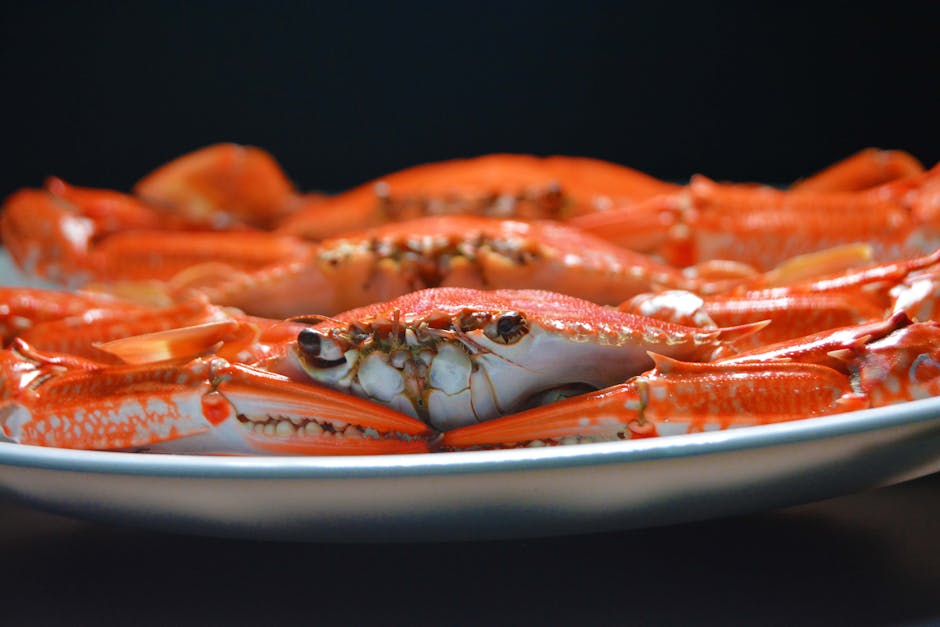
Sydney combines pristine ocean waters with a vibrant food culture. The city’s chefs celebrate native ingredients like Moreton Bay bugs (a type of lobster) and Sydney rock oysters, often served with finger lime caviar for a citrusy burst.
The Sydney Fish Market is the largest of its kind in the Southern Hemisphere. Arrive early to sample oysters shucked to order or grab a seafood platter with prawns, scallops, and crab.
For a refined experience, book a table at Saint Peter, where chef Josh Niland pioneers “nose-to-tail” seafood cooking, using parts often discarded elsewhere. His dry-aged fish and fish butchery techniques are revolutionizing the industry.
Cape Town, South Africa: Where Oceans Collide
Cape Town sits at the meeting point of the Atlantic and Indian Oceans, creating a rich marine ecosystem. The city’s diverse cultural influences—Dutch, Malay, African—shine through its seafood dishes.
Don’t miss bobotie with a seafood twist or curried mussels served in their shells with crusty bread. The West Coast is famous for its crayfish (rock lobster), best enjoyed grilled with garlic butter.
Visit Kalk Bay, a fishing village just outside the city, for fresh fish and chips at local shacks. The harbor views and salty breeze add to the charm.
New Orleans, USA: Gulf Coast Gumbo and Beyond
New Orleans’ location on the Gulf of Mexico makes it a hotspot for shrimp, oysters, and blue crab. The city’s Creole and Cajun cuisines turn seafood into soulful, spice-infused creations.
Order a seafood boil with crawfish, corn, and andouille sausage, or savor a bowl of gumbo thickened with okra and filé powder. Oysters shine in chargrilled form at spots like Acme Oyster House.
Be aware that hurricane season (June–November) can affect seafood availability. Plan visits outside peak storm months for the best selection.
Oslo, Norway: Nordic Simplicity and Purity
Norway’s cold, clean waters produce some of the world’s finest seafood. Oslo, with its growing food scene, showcases salmon, cod, and king crab with minimal interference—letting natural flavors shine.
Try fiskesuppe (fish soup) with root vegetables and dill, or sample gravlax (cured salmon) with mustard-dill sauce. For a unique experience, visit the Mathallen Oslo food hall, where local vendors serve sustainably caught seafood.
Norway’s commitment to sustainable fishing means you can enjoy these dishes with confidence. Many restaurants display catch origins and fishing methods on their menus.
Hanoi, Vietnam: Fresh, Fragrant, and Fast
While not a coastal city, Hanoi’s proximity to the Gulf of Tonkin and its extensive river network ensures a steady supply of fresh seafood. Street food culture makes it easy to sample dishes at affordable prices.
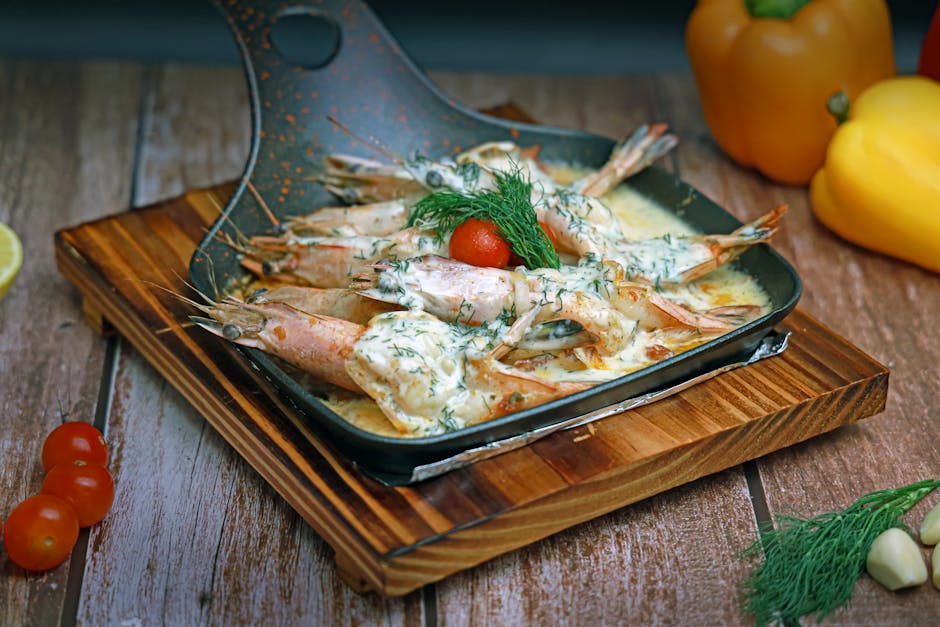
Look for cha ca (turmeric-marinated fish grilled tableside) or banh xeo (crispy pancakes filled with shrimp and bean sprouts). Fresh herbs and lime elevate every bite.
Visit the Dong Xuan Market for a behind-the-scenes look at seafood trading. Many vendors offer cooking demonstrations, giving insight into local techniques.
Rio de Janeiro, Brazil: Tropical Tastes
Rio’s coastline and tropical climate create ideal conditions for seafood. The city’s Afro-Brazilian influences bring bold flavors to dishes like moqueca—a coconut milk-based stew with fish or shrimp.
Try acarajé, deep-fried black-eyed pea fritters often stuffed with shrimp and served with spicy sauce. Found in street markets, they’re a flavorful, handheld treat.
For a beachside meal, head to Copacabana or Ipanema, where kiosks serve grilled fish with farofa (toasted cassava flour) and fresh salads.
How to Plan a Seafood-Focused Culinary Trip
Research Local Seasons and Catch Cycles
Seafood quality depends heavily on seasonality. In Japan, tuna is best in winter, while oysters peak in colder months across the Northern Hemisphere. Research peak seasons for your target destination.
Use resources like local tourism boards or fishing calendars to time your visit. Traveling during peak season ensures the freshest ingredients and often lower prices due to abundance.
Visit Fish Markets and Harbors
Markets offer more than shopping—they’re cultural hubs. Watch auctions, chat with vendors, and sample raw oysters or grilled squid on the spot. In Marseille, the Marché aux Poissons is a morning ritual; in Seattle, Pike Place Market draws crowds with flying fish shows.
Arrive early for the best selection. Many markets open before dawn, catering to restaurants and early risers.
Book Restaurants in Advance
Top seafood restaurants—especially those with ocean views or limited seating—fill up quickly. Reserve tables weeks or even months ahead, particularly in cities like Tokyo, Sydney, or Oslo.
Use platforms like TheFork, OpenTable, or direct restaurant websites. Some high-end spots require deposits or have strict cancellation policies.
Learn Basic Local Phrases
Knowing how to ask about ingredients or preparation can enhance your experience. In Spain, ask “¿De dónde es el pescado?” (Where is the fish from?). In Japan, “Kore wa nan desu ka?” (What is this?) helps identify dishes.
Simple language efforts show respect and often lead to warmer service and insider recommendations.
Pack Smart for Food Travel
Bring a reusable water bottle, hand sanitizer, and a small notebook to jot down standout dishes or restaurant names. If you have dietary restrictions, carry a translated card explaining your needs.
Avoid packing perishable items unless you’re certain of customs regulations. Focus on non-food souvenirs like local spices or recipe books.
Common Mistakes to Avoid
Overlooking Food Safety
While most tourist areas maintain high standards, it’s wise to be cautious with raw or undercooked seafood, especially in tropical regions. Choose busy restaurants with high turnover—fresh food sells fast.
Avoid shellfish if you have allergies, and confirm preparation methods. When in doubt, opt for fully cooked dishes.
Ignoring Local Customs
Dining etiquette varies widely. In Japan, slurping noodles is polite; in France, bread belongs on the table, not the plate. Observe locals or ask politely if unsure.
Tip appropriately—some countries include service in the bill, while others expect 10–15%. Research local norms to avoid awkwardness.
Chasing Trends Over Tradition
While fusion and modern cuisine have their place, don’t overlook classic preparations. A simple grilled fish with olive oil and lemon in Greece may outshine a complicated fusion dish.
Seek out family-run eateries and local favorites rather than only Michelin-starred spots. Authenticity often lies in humble settings.
Final Thoughts
The best food and culinary travel spots for seafood lovers offer more than just delicious meals—they provide stories, traditions, and connections to the sea. From Tokyo’s precision to Lisbon’s warmth, each destination has a unique voice expressed through its catch.
Plan thoughtfully, eat mindfully, and embrace the local rhythm. Whether you’re savoring oysters in Sydney or ceviche in Cartagena, let the flavors guide your journey.
FAQ
Q: What’s the best time of year to visit seafood destinations?
A: It depends on the region. In general, late spring to early fall offers peak seafood availability in temperate zones, while tropical areas may have year-round catches. Research local fishing seasons before booking.
Q: Are street food seafood options safe to eat?
A: Yes, in most tourist-friendly areas. Choose stalls with high turnover, clean preparation surfaces, and freshly cooked food. Avoid raw items if you have a sensitive stomach.
Q: How can I ensure the seafood I’m eating is sustainable?
A: Look for certifications like MSC or ASC, ask restaurants about sourcing, and avoid endangered species like bluefin tuna. Apps like Seafood Watch can help identify eco-friendly choices.