
Top Food and Culinary Travel Cities for Food Walks
Food walks offer a delicious way to explore a city’s culture, history, and flavors. Instead of dining at touristy restaurants, you walk through local neighborhoods, tasting authentic dishes from street vendors, family-run shops, and hidden gems. The best food and culinary travel cities for food walks combine rich culinary traditions, walkable districts, and knowledgeable guides who share stories behind each bite. Whether you’re sampling tacos in Mexico City, dumplings in Shanghai, or pastries in Paris, these experiences go beyond meals—they’re immersive journeys into local life.
In this guide, we highlight the world’s top destinations for food walks, what makes each one special, and how to make the most of your culinary adventure. From bustling Asian night markets to European bistros tucked in cobblestone alleys, these cities deliver unforgettable flavors and genuine connections.
Why Food Walks Are the Best Way to Explore a City
Food is a universal language. It tells stories of migration, trade, climate, and tradition. Walking through a city while tasting its specialties allows you to experience authenticity in real time.
Unlike static dining experiences, food walks engage all your senses. You smell sizzling spices, hear market banter, see artisans at work, and taste regional ingredients. Guides often share personal anecdotes, historical context, and cooking tips that deepen your understanding.
These tours also support local economies. Many food walks partner with small vendors, helping preserve traditional recipes and sustain family businesses. It’s travel with purpose—deliciously so.
What to Expect on a Food Walk
Most food walks last 2.5 to 4 hours and include 5 to 8 stops. You’ll sample a variety of dishes—appetizers, mains, desserts, and drinks—often with a cultural or historical explanation at each stop.
Group sizes vary. Smaller tours (6–10 people) allow for more interaction with guides and vendors. Larger groups may move faster but can still offer great value. Always check reviews and guide credentials before booking.
Wear comfortable shoes, bring water, and come hungry. Some tours accommodate dietary restrictions, but it’s best to inform the operator in advance. Tipping is customary in many destinations—usually 10–15% of the tour price.
Best Food Walk Destinations Around the World
Bangkok, Thailand: Street Food Paradise
Bangkok is legendary for its vibrant street food scene. From pad thai sizzling on woks to mango sticky rice served in banana leaves, the city offers bold flavors at every corner.
Food walks here often start in the evening, when the streets come alive with sizzling grills and aromatic curries. Popular routes include Chinatown (Yaowarat), where you’ll find crispy pork belly and boat noodles, and the riverside area near Wat Pho, known for coconut-based desserts and fresh fruit shakes.
Guides explain how dishes reflect Thai balance—sweet, sour, salty, and spicy. You’ll learn to identify key ingredients like galangal, kaffir lime leaves, and fish sauce. Many tours end with a visit to a local market, where you can buy spices or packaged sauces to take home.
Tip: Avoid tours that only visit tourist-heavy areas. Look for operators that venture into residential neighborhoods for more authentic experiences.
Mexico City, Mexico: A Mestizo Feast
Mexico City blends indigenous, Spanish, and modern influences into a rich culinary tapestry. Food walks here often focus on pre-Hispanic ingredients like corn, beans, and chiles, transformed into tacos, tamales, and moles.
One popular route winds through the historic center and Roma neighborhood. You might start with esquites (corn salad) from a street cart, move to a family-run fondita for carnitas tacos, and finish with churros dipped in thick chocolate.
Many tours include a stop at a local market, such as Mercado de San Juan or Mercado de la Merced. Here, you’ll see exotic ingredients like chapulines (grasshoppers) and huitlacoche (corn fungus), and learn how they’re used in traditional dishes.
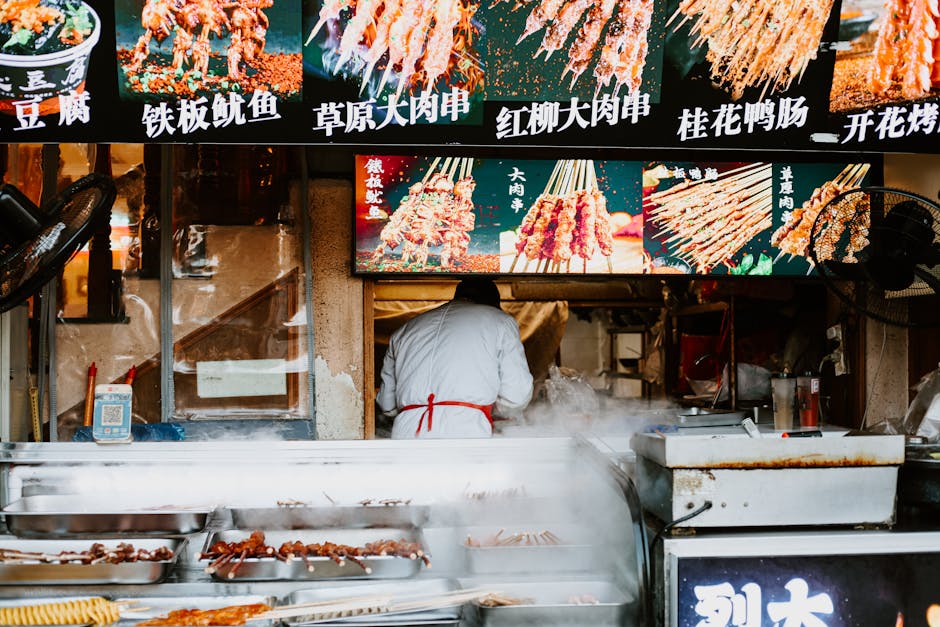
Warning: Street food safety is generally high, but avoid raw vegetables and untreated water. Stick to vendors with high turnover and visible hygiene practices.
Tokyo, Japan: Precision and Tradition
Tokyo’s food culture values seasonality, presentation, and technique. Food walks here often highlight izakayas (pubs), sushi counters, and hidden alleyways known as yokocho.
A typical tour might begin with matcha and wagashi (traditional sweets) in Asakusa, followed by a visit to Tsukiji Outer Market for fresh seafood bowls and tamagoyaki (sweet omelet). Later stops could include ramen in Shinjuku or yakitori in Golden Gai.
Guides often explain the philosophy behind Japanese cuisine—umami, kaiseki, and the importance of balance. You’ll learn how to eat sushi properly, why miso soup is served at every meal, and how regional differences shape flavors.
Note: Many small eateries don’t accept credit cards. Carry cash, especially for street food and market purchases.
Florence, Italy: Rustic Elegance
Florence offers a taste of Tuscan simplicity—olive oil, bread, cheese, and wine. Food walks here often start at a local enoteca (wine bar) or market like Mercato Centrale.
You’ll sample pecorino cheese drizzled with honey, ribollita (hearty vegetable soup), and lampredotto (a tripe sandwich) from a street cart. Dessert might include cantucci (almond biscuits) dipped in Vin Santo wine.
Many tours include a visit to a family-owned trattoria, where you’ll see how pasta is made by hand. Guides often share stories of Medici banquets and how Renaissance feasts influenced modern Italian cuisine.
Takeaway: Florence’s food scene is less about innovation and more about tradition. Embrace the slow pace and savor each bite.
Marrakech, Morocco: Spices and Storytelling
Marrakech’s medina is a sensory overload—colorful spices, sizzling tagines, and the scent of mint tea. Food walks here often begin in the Jemaa el-Fnaa square, where food stalls light up at sunset.
You’ll taste harira (lentil soup), msemen (flaky pancakes), and lamb with prunes. Guides explain the role of spices like saffron, cumin, and cinnamon in Moroccan cooking and how trade routes shaped the cuisine.
Many tours include a visit to a local home or riad, where you’ll learn to make traditional dishes. This personal touch adds depth to the experience.
Warning: Be cautious with raw salads and unpeeled fruits. Stick to cooked dishes and bottled water to avoid stomach issues.
New York City, USA: A Melting Pot of Flavors
New York’s food scene reflects its immigrant roots. From bagels in Brooklyn to dumplings in Chinatown, the city offers endless variety.
Food walks often focus on specific neighborhoods. In Little Italy, you’ll sample cannoli and fresh mozzarella. In Jackson Heights, Queens, you might try dosas and samosas from Indian and Sri Lankan vendors.
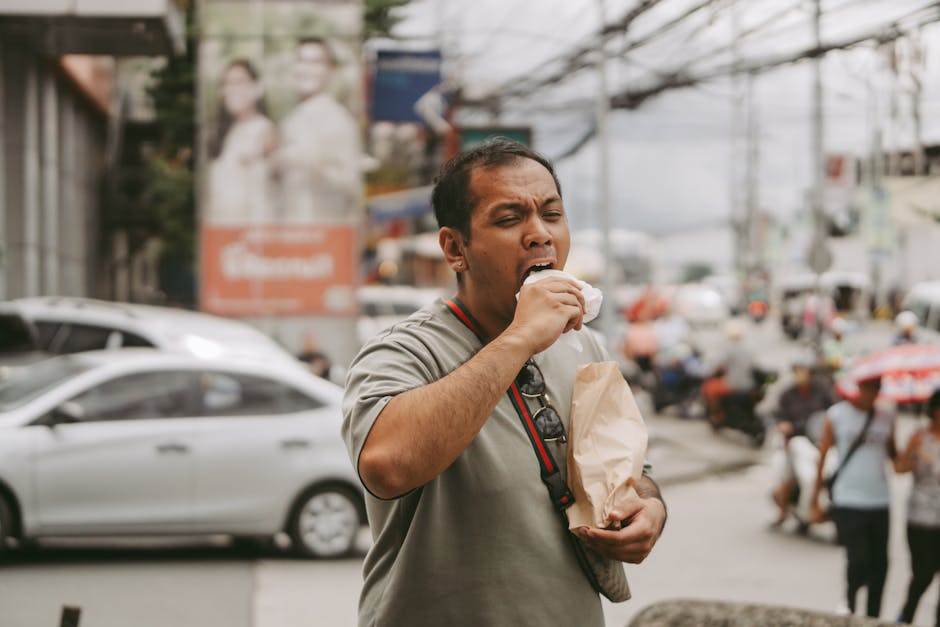
Many tours include a stop at a food hall like Chelsea Market or Smorgasburg, where you can compare artisanal products and global street foods under one roof.
Tip: Book tours that limit group sizes. Large crowds can make it hard to hear the guide or taste food properly.
Ho Chi Minh City, Vietnam: Fresh and Fragrant
Vietnamese cuisine emphasizes fresh herbs, light broths, and balance. Ho Chi Minh City (Saigon) is a top destination for food lovers, with bustling markets and sidewalk eateries.
Food walks often start early, visiting Ben Thanh Market for banh mi, pho, and fresh spring rolls. Later stops might include a family-run café for ca phe sua da (Vietnamese iced coffee) and a dessert stall for che (sweet soup).
Guides explain the French influence on Vietnamese food—croissants became banh mi, coffee culture flourished—and how local ingredients like fish sauce and rice paper define the cuisine.
Takeaway: Vietnamese food is light yet flavorful. Don’t be afraid to try new textures and combinations.
Lisbon, Portugal: Seaside Simplicity
Lisbon’s food scene blends Portuguese traditions with Atlantic influences. Think grilled sardines, bacalhau (salted cod), and pastéis de nata (custard tarts).
Food walks often begin in the Alfama district, winding through narrow streets to family-run tascas (taverns). You’ll sample petiscos (Portuguese tapas), paired with local wines or ginjinha (cherry liqueur).
Many tours include a visit to a pastry shop for pastéis de nata, where you’ll learn the secret to the flaky crust and creamy filling. Some even offer a baking demo.
Note: Lisbon’s hills can be steep. Wear supportive shoes and stay hydrated, especially in summer.
Seoul, South Korea: Bold and Fermented
Seoul’s food culture is all about fermentation, spice, and communal eating. Food walks here often focus on street food and traditional markets like Gwangjang Market.
You’ll try tteokbokki (spicy rice cakes), kimchi pancakes, and hotteok (sweet pancakes). Guides explain the health benefits of fermented foods and how banchan (side dishes) create balance on the plate.
Many tours include a visit to a jjimjilbang (Korean spa) or a traditional tea house, adding cultural context to the culinary experience.
Warning: Korean spice levels can be intense. Ask for “mild” if you’re sensitive to heat.
How to Choose the Right Food Walk
Not all food walks are created equal. To get the best experience, consider your interests, budget, and travel style.
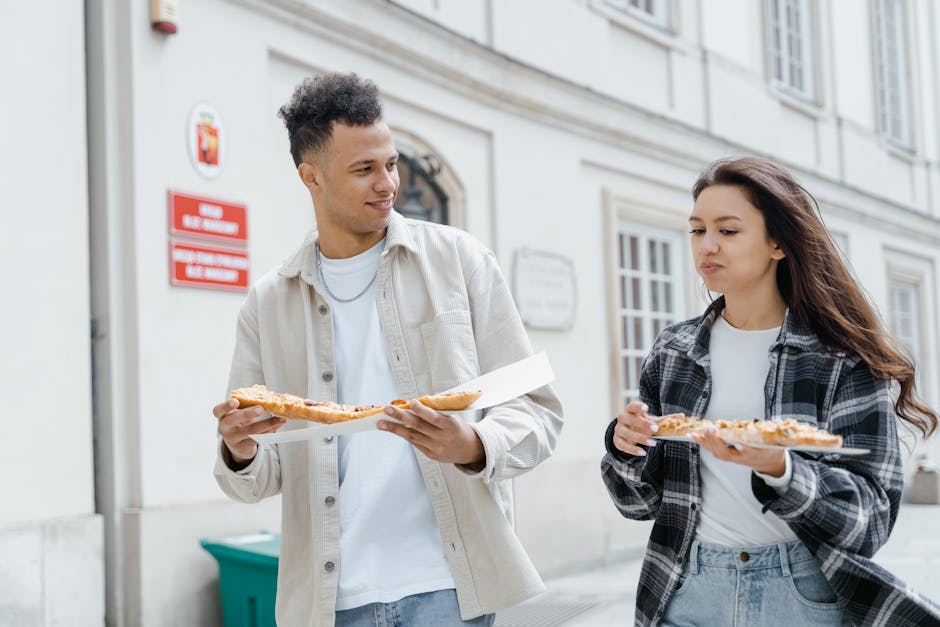
Look for tours led by locals or food experts. Guides with personal stories or culinary training add depth and authenticity. Check if the operator is licensed and insured—especially important in cities with strict food safety regulations.
Read recent reviews on platforms like TripAdvisor, Google, or Viator. Pay attention to comments about food quality, guide knowledge, and group size.
Compare prices. Tours range from $30 to $150 per person. Higher prices often mean smaller groups, more stops, or exclusive access. But expensive doesn’t always mean better—some affordable tours offer excellent value.
Check the itinerary. Does it include a variety of dishes and neighborhoods? Are there vegetarian or allergy-friendly options? Avoid tours that only visit chain restaurants or tourist traps.
Book in advance, especially during peak seasons. Popular tours in cities like Bangkok or Tokyo can sell out weeks ahead.
Tips for a Great Food Walk Experience
Come hungry, but not starving. You’ll be eating small portions at multiple stops. A light meal beforehand helps you enjoy each bite without feeling overwhelmed.
Dress appropriately. Wear layers in cooler climates and breathable fabrics in tropical areas. Comfortable walking shoes are a must.
Bring a reusable water bottle and a small bag for leftovers or purchases. Many vendors sell packaged snacks or spices you might want to take home.
Take notes or photos. Jot down dish names, ingredients, or vendor locations. You might want to recreate a recipe or revisit a favorite spot.
Engage with your guide. Ask questions about ingredients, cooking methods, or local customs. The best tours feel like conversations, not lectures.
Respect local etiquette. In some cultures, it’s rude to refuse food or eat while walking. Follow your guide’s lead and observe how locals behave.
Final Thoughts
The top food and culinary travel cities for food walks offer more than just great meals—they provide cultural immersion, human connection, and lasting memories. Whether you’re wandering through Bangkok’s neon-lit streets or sipping wine in a Florentine alley, these experiences deepen your understanding of a place.
Food walks are accessible, educational, and deeply satisfying. They turn travel into a multisensory adventure, one bite at a time. With the right tour and mindset, you’ll return home not just full, but enriched.
FAQ
How much do food walks usually cost?
Most food walks range from $30 to $150 per person, depending on the city, duration, and number of stops. Budget tours in Southeast Asia may cost less, while premium experiences in Europe or Japan can be higher.
Are food walks suitable for vegetarians or people with allergies?
Many food walks can accommodate dietary restrictions, but it depends on the tour operator and destination. Always inform the company in advance. Cities like Tokyo and Seoul may have limited vegetarian options, so research ahead.
Do I need to book food walks in advance?
Yes, especially in popular cities like Bangkok, Tokyo, or Paris. Tours often fill up quickly during peak travel seasons. Booking ahead ensures availability and sometimes offers discounts.