
Ultimate Adventure Travel Guide to Jungle Camping
If you’re drawn to the wild, untamed beauty of the jungle and crave an adventure beyond typical tourist trails, jungle camping offers a raw and immersive experience. This ultimate adventure travel guide covers everything you need to know—from choosing the right location and packing essentials to staying safe and respecting local ecosystems. Whether you’re planning a solo trek through the Amazon or a guided expedition in Southeast Asia, this guide delivers practical advice to help you prepare, survive, and truly enjoy your time under the canopy.
Why Choose Jungle Camping?
Jungle camping isn’t just about sleeping in the wild—it’s about connecting deeply with nature. Unlike beach or mountain camping, the jungle presents a unique blend of biodiversity, mystery, and challenge. You’ll wake to the calls of howler monkeys, navigate dense undergrowth, and sleep beneath a sky obscured by towering trees.
For many travelers, it’s the unpredictability that makes it thrilling. No two nights are the same. The jungle rewards curiosity and resilience, offering experiences you simply can’t get from a hotel room or resort. It’s ideal for those seeking solitude, adventure, and a break from digital distractions.
Top Jungle Camping Destinations
Not all jungles are created equal. Some offer well-marked trails and guided tours, while others demand serious preparation and survival skills. Here are a few standout destinations for jungle camping adventures.
Amazon Rainforest, South America
Spanning nine countries, the Amazon is the world’s largest tropical rainforest and a prime destination for jungle camping. In Peru’s Tambopata National Reserve or Brazil’s Mamirauá Reserve, guided eco-lodges and camping sites offer safe access to remote areas.
Expect high humidity, frequent rain, and an abundance of wildlife—including jaguars, capybaras, and hundreds of bird species. Most campers join organized tours due to the region’s complexity and safety concerns.
Borneo’s Rainforests, Malaysia and Indonesia
Borneo is home to ancient rainforests and iconic species like orangutans and pygmy elephants. Camping in places like Gunung Mulu National Park or Danum Valley allows you to explore caves, rivers, and canopy walkways.
Permits are often required, and local guides are strongly recommended. The terrain can be steep and muddy, so physical fitness and proper footwear are essential.
Laos and Thailand’s Northern Jungles
Countries like Laos and northern Thailand offer more accessible jungle camping for beginners. In places like Khao Sok National Park or Nam Et-Phou Louey in Laos, you can camp near rivers and participate in night safaris.
These regions often have community-based tourism programs, which support local villages while offering authentic cultural experiences. Camping here is generally safer and more structured than in remote Amazonian zones.
Madagascar’s Spiny Forest and Rainforests
Madagascar’s unique ecosystems—like the spiny forest of the south or the eastern rainforests—offer a surreal camping experience. You’ll encounter lemurs, chameleons, and baobab trees found nowhere else on Earth.
Due to political instability and limited infrastructure, independent travel can be risky. Opt for reputable tour operators with local knowledge and emergency support.
Essential Gear for Jungle Camping
Your gear can make or break your jungle camping trip. Unlike other environments, the jungle demands specialized equipment to handle moisture, insects, and rugged terrain. Here’s what you need.
Shelter and Sleeping System
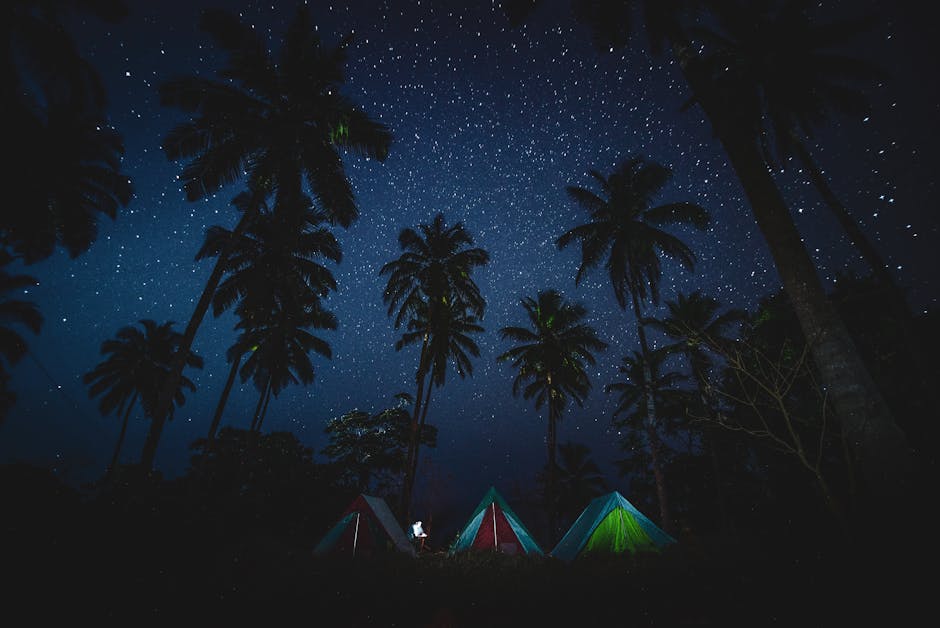
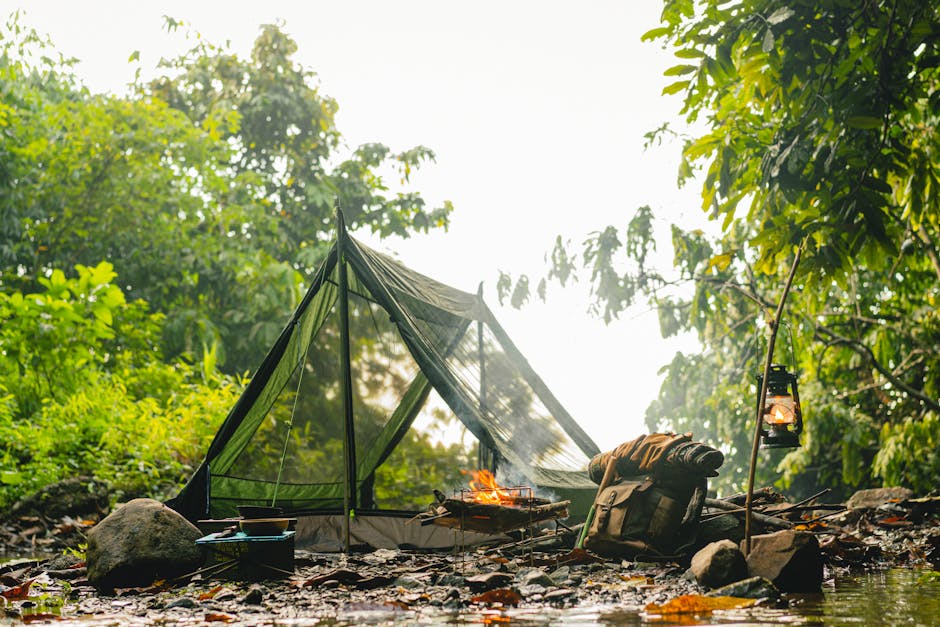
A high-quality, waterproof tent with a full rainfly is non-negotiable. Look for one with a bathtub-style floor to prevent water from seeping in. Mesh panels improve ventilation and reduce condensation.
Pair it with a sleeping bag rated for tropical climates—lightweight and breathable, ideally with a synthetic fill that retains warmth even when damp. A closed-cell foam sleeping pad provides insulation from the cold, wet ground.
Clothing and Footwear
Pack quick-drying, moisture-wicking fabrics like merino wool or synthetic blends. Avoid cotton—it stays wet and can lead to chafing or hypothermia in humid conditions.
Long sleeves and pants protect against insects and thorny plants. Waterproof hiking boots with ankle support are essential. Bring gaiters to keep debris and snakes out of your boots.
Backpack and Organization
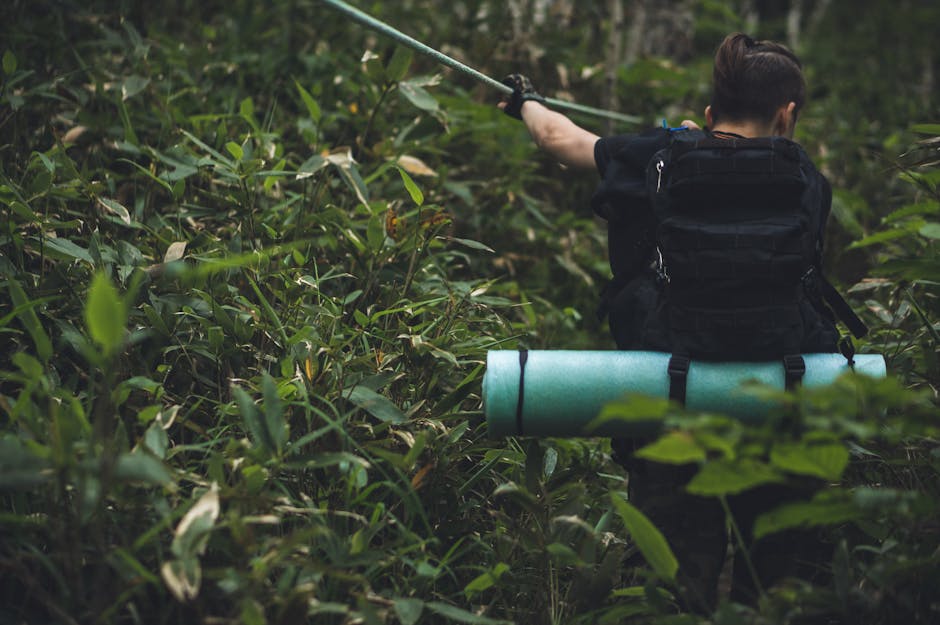
Use a 50–70 liter internal frame backpack with a rain cover. Waterproof dry bags or liners help protect electronics, clothing, and food from rain and humidity.
Organize gear by function: cooking, hygiene, clothing, and emergency items. Keep frequently used items in easy-to-reach pockets.
Cooking and Hydration
A compact camping stove is safer and more efficient than open fires, which may be prohibited. Bring lightweight cookware and utensils.
For water, carry a reliable filtration system like a pump filter or UV purifier. Boiling water is effective but time-consuming. Always treat water from rivers, streams, or lakes—even if it looks clean.
Safety and Navigation Tools
Carry a GPS device or offline maps on your phone. A compass is a reliable backup. Let someone know your itinerary and expected return date.
Pack a first-aid kit with antiseptics, bandages, antihistamines, and medications for diarrhea or altitude sickness if applicable. Include a whistle, headlamp with extra batteries, and a multi-tool.
Staying Safe in the Jungle
Safety should be your top priority. The jungle is beautiful but unforgiving. Proper preparation and awareness can prevent serious incidents.
Wildlife Awareness
Most jungle animals avoid humans, but encounters can happen. Store food in bear-proof containers or hang it at least 10 feet off the ground and 4 feet from tree trunks.
Never approach or feed wildlife. If you encounter a snake, back away slowly. Learn to identify venomous species in your destination.
Insect Protection
Mosquitoes, ticks, and sandflies are common and can carry diseases like malaria, dengue, or Zika. Use EPA-approved insect repellent with DEET, picaridin, or oil of lemon eucalyptus.
Sleep under a permethrin-treated mosquito net. Wear long sleeves and pants during dawn and dusk when insects are most active.
Weather and Terrain Hazards
Jungles experience sudden downpours, flash floods, and high humidity. Avoid camping in low-lying areas or near fast-moving rivers during rainy seasons.
Trails can be slippery and poorly marked. Stick to established paths and never hike alone. Wear gloves when climbing or grabbing vegetation to avoid cuts and infections.
Health and Hygiene
Practice good hygiene to prevent illness. Wash hands with biodegradable soap before eating and after using the bathroom. Use hand sanitizer when water isn’t available.
Dispose of waste properly. Bury human waste at least 6–8 inches deep and 200 feet from water sources. Pack out all trash, including food scraps and toilet paper.
Planning Your Jungle Camping Trip
Careful planning ensures a smoother, safer experience. Follow these steps to prepare effectively.
Research Your Destination
Study the region’s climate, wildlife, and local regulations. Some areas require permits or have restricted zones. Check government travel advisories for safety updates.
Learn about seasonal patterns. The dry season is generally safer and more comfortable, while the wet season offers fewer crowds and lush scenery—but also more insects and flooding risks.
Choose Between Guided and Independent Trips
Guided tours offer expertise, safety, and local knowledge. They’re ideal for first-time jungle campers or remote regions. Guides can identify edible plants, track animals, and handle emergencies.
Independent camping gives you freedom but requires more skill and preparation. Only attempt it if you have wilderness experience and reliable communication tools.
Get Vaccinated and Insured
Consult a travel clinic 4–6 weeks before departure. Vaccinations for yellow fever, typhoid, and hepatitis A are often recommended. Malaria prophylaxis may be necessary.
Purchase travel insurance that covers medical evacuation, trip cancellation, and adventure activities. Standard policies often exclude high-risk environments.
Pack Smart and Light
Every ounce counts. Prioritize essentials and avoid overpacking. Test your gear before departure—set up your tent, check stove function, and ensure your backpack fits comfortably.
Share gear with travel companions when possible. For example, one person can carry the stove while another brings the water filter.
Leave No Trace: Respecting the Jungle
The jungle is a fragile ecosystem. Your presence should leave minimal impact. Follow Leave No Trace principles to protect the environment and ensure future travelers can enjoy it too.
Minimize Campfire Impact
Avoid building fires unless absolutely necessary and permitted. Use a camping stove instead. If you must have a fire, use established fire rings and keep it small.
Burn all wood to ash and scatter cool ashes. Never leave a fire unattended.
Respect Wildlife and Plants
Observe animals from a distance. Do not chase, feed, or touch them. Avoid disturbing nests, dens, or breeding sites.
Do not pick plants or flowers. Many are protected or play vital roles in the ecosystem.
Pack Out Everything
Carry out all trash, including food wrappers, batteries, and hygiene products. What you bring in, you must take out.
If you use wet wipes or toilet paper, pack them in a sealed bag. Biodegradable items don’t break down quickly in humid jungle conditions.
What to Expect During Your Stay
Life in the jungle moves at a different pace. Days are shaped by light, weather, and wildlife activity. Here’s a typical day in the life of a jungle camper.
Morning
Wake early to the sounds of birds and insects. The cooler morning air is ideal for hiking or wildlife spotting. Break camp carefully, ensuring no traces are left behind.
Breakfast might include oatmeal, dried fruit, or energy bars. Rehydrate with filtered water and pack your gear efficiently.
Afternoon
Midday heat and humidity peak. Use this time to rest, journal, or observe nature from a shaded spot. Avoid strenuous activity during the hottest hours.
Set up camp early in the afternoon. Choose a flat, dry site away from water sources and animal trails.
Evening and Night
As dusk falls, the jungle comes alive with new sounds—frogs, insects, and nocturnal animals. Cook dinner over your stove and enjoy the solitude.
Sleep early. The jungle is dark and loud at night. A headlamp with a red light setting helps preserve night vision and avoids disturbing wildlife.
Common Mistakes to Avoid
Even experienced campers can make errors in the jungle. Learn from these common pitfalls.
Underestimating the Environment
Many assume the jungle is just “hot and wet.” In reality, it’s a complex, dynamic ecosystem with hidden dangers. Never treat it lightly.
Prepare for sudden weather changes, difficult navigation, and limited rescue options. Overconfidence can lead to serious consequences.
Poor Water Management
Dehydration is a real risk, even in humid conditions. Sweat evaporates slowly, so you may not feel thirsty until you’re already dehydrated.
Drink regularly throughout the day. Carry enough water and know how to find and treat natural sources safely.
Ignoring Local Advice
Local guides and communities have invaluable knowledge. They understand the land, weather patterns, and animal behavior.
Listen to their recommendations on routes, campsites, and safety. Ignoring local wisdom increases your risk of accidents or getting lost.
Final Tips for a Successful Jungle Camping Adventure
Success in the jungle comes down to preparation, respect, and adaptability. Stay flexible—plans may change due to weather or wildlife.
Keep a positive mindset. Discomfort is part of the experience. Embrace the challenges as part of the adventure.
Document your journey with photos or a journal, but don’t let technology distract you from the moment. The jungle offers a rare chance to disconnect and reconnect—with nature and yourself.
FAQ
What is the best time of year for jungle camping?
The dry season is generally best, with less rain and fewer insects. In the Amazon, this is typically June to November. In Southeast Asia, it varies by country—check local climate patterns before planning.
Do I need a guide for jungle camping?
For most travelers, yes—especially in remote or unfamiliar regions. Guides enhance safety, provide local knowledge, and improve wildlife sightings. Independent camping is only recommended for experienced adventurers.
How do I protect myself from insects and diseases?
Use insect repellent, wear long clothing, sleep under a mosquito net, and treat all water. Get recommended vaccinations and carry a basic first-aid kit. Avoid swimming in stagnant water where waterborne diseases are common.