
Local Destination Guide to Lanzarote for Volcano Views
Lanzarote, the easternmost of Spain’s Canary Islands, is a volcanic wonderland shaped by eruptions between 1730 and 1736. Today, its dramatic landscapes offer some of the most accessible and breathtaking volcano views in the world. Whether you’re standing inside a lava tube, hiking across blackened fields, or gazing into a crater from a cliffside trail, Lanzarote delivers raw, otherworldly beauty. This guide highlights the best spots to experience the island’s volcanic terrain, with practical tips for safe and rewarding visits.
Why Lanzarote Stands Out for Volcanic Landscapes
Unlike active volcanoes that require distant observation, Lanzarote’s dormant formations allow close-up exploration. The island’s Timanfaya National Park is the crown jewel—a protected area where geothermal activity still bubbles beneath the surface. Visitors can walk trails, ride camels over lava fields, and even watch water instantly vaporize when poured into the ground.
What sets Lanzarote apart is the contrast. Verdant vineyards grow in volcanic ash, green lagoons sit beside black rock, and modern art installations blend with ancient geology. It’s a destination where science, nature, and culture intersect.
Top Volcano Viewing Spots in Lanzarote
Timanfaya National Park
Timanfaya is the island’s most iconic volcanic area. Created by the massive eruptions of the 18th century, it spans over 50 square kilometers of rugged terrain. The park is home to over 100 volcanic cones, including Montañas del Fuego (Fire Mountains).
Entry is regulated to preserve the fragile ecosystem. Visitors must join a guided tour or take the official bus from the visitor center. The “Ruta de los Volcanes” bus tour stops at key viewpoints like El Diablo, a sculpture by César Manrique that frames panoramic views of the caldera.
Don’t miss the Islote de Hilario demonstration, where park staff pour water into the ground to produce steam jets—proof that heat remains just meters below the surface.
Montañas del Fuego (Fire Mountains)
Within Timanfaya, the Fire Mountains offer some of the most dramatic vistas. The range includes peaks like Caldera del Corazoncillo and Montaña Rajada. Trails here are marked but often uneven—sturdy footwear is essential.
Sunrise and sunset provide the best lighting, casting long shadows across the lava fields. Early morning visits also mean fewer crowds and cooler temperatures.
Jameos del Agua
This unique site combines natural beauty with artistic design. A volcanic tunnel collapsed to form a series of open-air caves and a crystal-clear lagoon. The largest opening, known as the Jameo Grande, houses a restaurant and concert space.
Swimming is allowed in the smaller Jameo Chico, where sunlight filters through the opening, illuminating the water. The site was restored by artist César Manrique, who preserved its natural form while adding subtle architectural touches.
Mirador del Río
Perched on a cliff in the north, Mirador del Río offers sweeping views across the sea to the uninhabited island of La Graciosa. The viewpoint itself sits atop a volcanic ridge, with the ocean crashing below.
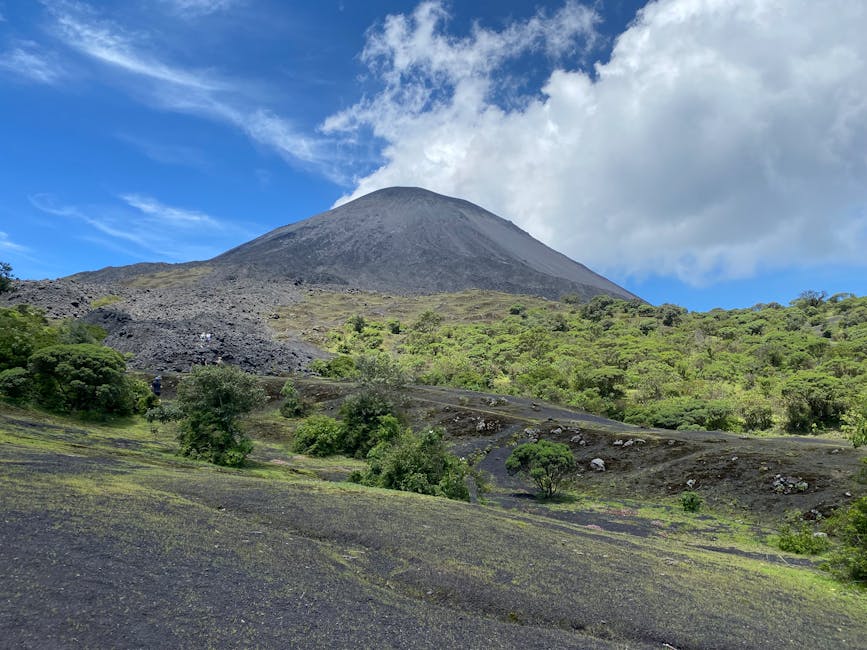
The walkway and café were designed by César Manrique to blend into the landscape. It’s an ideal spot for photography, especially during golden hour. Access is by car or taxi—public transport does not reach the site.
Volcán de la Corona
For hikers, the trail to Volcán de la Corona is a rewarding challenge. The 3.5-kilometer round trip leads to the summit of a 600-meter-high volcano, with views extending to the coast and nearby islands.
The path begins near the Green Caves (Cueva de los Verdes), another volcanic tunnel system. Wear sun protection and carry water—there’s little shade along the route.
How to Experience Lanzarote’s Volcanic Features Responsibly
Lanzarote’s volcanic terrain is fragile. Much of the soil is thin, and plant life takes decades to recover from disturbance. Stick to marked trails and avoid removing rocks or plants.
Timanfaya National Park limits vehicle access to reduce erosion. Always follow park rules—feeding wildlife or straying from paths can result in fines.
Support local conservation by visiting sites managed by the Cabildo de Lanzarote, which reinvests tourism revenue into preservation efforts.
Best Times to Visit for Volcano Views
Spring (March to May) and autumn (September to November) offer mild weather and fewer tourists. Summer brings heat—temperatures often exceed 30°C (86°F)—making midday hikes uncomfortable.
Winter months are cooler and wetter, but still suitable for sightseeing. Clear skies are common year-round, but fog can occasionally roll in from the Atlantic, especially in the north.
For the clearest views, aim for early mornings. Afternoon light can create glare on dark volcanic rock, reducing visibility.
Getting Around Lanzarote
Renting a car is the most practical way to explore the island’s volcanic sites. Public buses connect major towns but don’t reach remote areas like Timanfaya or Mirador del Río.
Car rentals are widely available at the airport and in resort areas. Roads are generally well-maintained, though some rural routes are narrow and winding.
Guided tours are a convenient alternative. Many include transportation, park entry, and expert commentary. Look for operators certified by the Lanzarote Tourism Board.
What to Bring for Volcano Viewing
Sturdy walking shoes are non-negotiable. Volcanic rock is sharp and uneven, and trails can be slippery after rain.
Sun protection is essential—hats, sunglasses, and high-SPF sunscreen. The island’s high UV index means burns can occur quickly, even on cloudy days.
Carry at least 1.5 liters of water per person for half-day outings. There are few refill stations in remote areas.
A light jacket is wise, even in summer. Coastal winds can make viewpoints feel cooler than inland areas.
Safety Tips for Volcanic Areas
Never touch fumaroles or steam vents. Ground temperatures can exceed 100°C (212°F) just below the surface.
Avoid entering unmarked caves or tunnels. Some may be unstable or contain toxic gases.
Check weather conditions before hiking. Sudden rain can cause flash flooding in dry riverbeds (barrancos).
Inform someone of your plans if venturing off main trails. Mobile coverage is spotty in remote zones.
Nearby Attractions to Combine with Volcano Visits
Pair your volcano exploration with cultural stops. The town of Teguise, a former capital, features a weekly market and colonial architecture.
Wine lovers should visit La Geria, a unique agricultural zone where vines are planted in volcanic pits called “zocos.” Tastings at local bodegas offer insight into the island’s distinctive viticulture.
For a change of pace, head to Papagayo Beach, a series of sheltered coves with turquoise water and white sand. It’s a 20-minute drive from Timanfaya.
Accommodation Near Key Volcanic Sites
Stay in Yaiza for easy access to Timanfaya. This quiet village has boutique hotels, restaurants, and a charming central square.
Playa Blanca offers resort-style lodging near the southern coast. It’s farther from the volcanoes but well-connected by road.
For a unique experience, book a stay in a rural casita (cottage) in the volcanic interior. Many are built from local stone and offer stunning views.
Photography Tips for Volcanic Landscapes
Use a polarizing filter to reduce glare on dark rock surfaces. It enhances contrast and brings out texture in lava flows.
Shoot during the golden hour for warm, directional light. Midday sun flattens the landscape and creates harsh shadows.
Include foreground elements like cacti or rock formations to add depth. The island’s flora contrasts beautifully with the volcanic backdrop.
Respect restricted zones. Drones are prohibited in national parks without special permits.
Local Insights: What Residents Want Visitors to Know
Lanzarote’s residents take pride in their volcanic heritage. Many families have lived here for generations, adapting to the harsh environment through innovation and respect for nature.
They encourage visitors to slow down and absorb the landscape. Rushing from site to site misses the island’s essence—its silence, scale, and subtle beauty.
Support local businesses. Eat at family-run restaurants, buy crafts from village markets, and choose eco-certified tours.
Frequently Asked Questions
Is it safe to visit Timanfaya National Park?
Yes. The park is monitored for geothermal activity, and all visitor areas are deemed safe. Stay on marked paths and follow guide instructions.
Can you hike inside an active volcano in Lanzarote?
No. Lanzarote’s volcanoes have been dormant since the 19th century. While heat remains underground, there is no current eruption risk.
Do I need a guide to see the best volcano views?
Not always, but guided tours provide access to restricted areas and expert knowledge. Independent visitors can still enjoy major viewpoints with a car and map.