
Adventure Travel Trips for Lakeside Camping Fans
If you love the quiet rhythm of lakeside camping but crave more excitement, adventure travel trips designed for water-loving campers offer the perfect balance. These journeys blend the serenity of lakes with thrilling activities like kayaking, hiking, and wildlife spotting. Whether you’re floating at sunrise or trekking forest trails by day, these trips turn a peaceful lakeside retreat into an active outdoor experience. With careful planning, you can enjoy both relaxation and adventure without sacrificing comfort or safety.
Why Choose Adventure Travel for Lakeside Camping?
Lakeside camping is beloved for its calm waters, scenic views, and peaceful atmosphere. But for many outdoor enthusiasts, the call of adventure grows stronger with each trip. adventure travel trips for lakeside camping fans merge the best of both worlds: the tranquility of a lakeshore basecamp with the energy of exploration.
These trips often include guided excursions, multi-day itineraries, and access to remote lakes that aren’t reachable by car. You’ll paddle across glassy waters at dawn, hike through alpine forests, and return each evening to a cozy campsite with a view. It’s ideal for travelers who want more than just a place to pitch a tent.
Benefits of Combining Camping with Adventure
- Variety in daily activities: Swap routine for a mix of paddling, climbing, and exploring.
- Access to hidden gems: Many guided trips reach pristine lakes off the beaten path.
- Enhanced safety and support: Professional guides handle logistics, weather, and emergency planning.
- Deeper connection to nature: Active engagement fosters appreciation for natural landscapes.
Unlike standard camping, adventure-focused trips often include gear, meals, and transportation, reducing the planning burden. This allows you to focus on the experience, not the setup.
Top Destinations for Lakeside Adventure Travel
Not all lakes are created equal when it comes to adventure travel. The best destinations offer a mix of accessibility, natural beauty, and a range of outdoor activities. Below are five standout locations where lakeside camping meets adventure.
1. Boundary Waters Canoe Area, Minnesota
This 1.1-million-acre wilderness in northern Minnesota is a paddler’s paradise. With over 1,000 lakes connected by portages, it’s one of the most popular destinations for canoe-based camping adventures. You can spend days gliding across calm waters, fishing for walleye, and setting up camp on sandy shores.
The area requires permits and some planning, but outfitters offer guided trips that include canoes, gear, and route planning. Wildlife sightings—like moose, loons, and black bears—are common. It’s ideal for travelers who want solitude and a true back-to-nature experience.
2. Banff National Park, Alberta, Canada
Banff offers alpine lakes surrounded by towering peaks and glaciers. Lakes like Moraine and Emerald are accessible by trail and offer stunning backdrops for camping. Adventure here includes hiking the Rockpile Trail, kayaking on Lake Louise, and spotting elk or bighorn sheep.
While front-country camping is available near town, backcountry permits allow for remote lakeside sites. Guided multi-day trips often include glacier hikes and wildlife safaris. The combination of mountain scenery and crystal-clear water makes this a top choice for serious adventurers.
3. Flathead Lake, Montana
One of the largest natural freshwater lakes in the western U.S., Flathead Lake is a hub for water sports and camping. Adventure travelers can enjoy kayaking, paddleboarding, and swimming, with mountain views in every direction.
Several campgrounds line the shore, and guided fishing or eco-tours are available. The nearby Swan Range offers day hikes with panoramic lake views. It’s a great option for families or first-time adventure campers who want a balance of activity and accessibility.
4. Lake Atitlán, Guatemala
Set in a volcanic crater, Lake Atitlán is surrounded by indigenous villages and lush hillsides. Adventure here includes hiking volcanoes like San Pedro, kayaking across the lake, and visiting local markets.
Camping options are limited, but eco-lodges and homestays offer a similar experience with more comfort. Guided cultural and nature tours provide insight into Mayan traditions and local ecology. It’s a unique blend of adventure, culture, and lakeside beauty.
5. Lake Tekapo, New Zealand
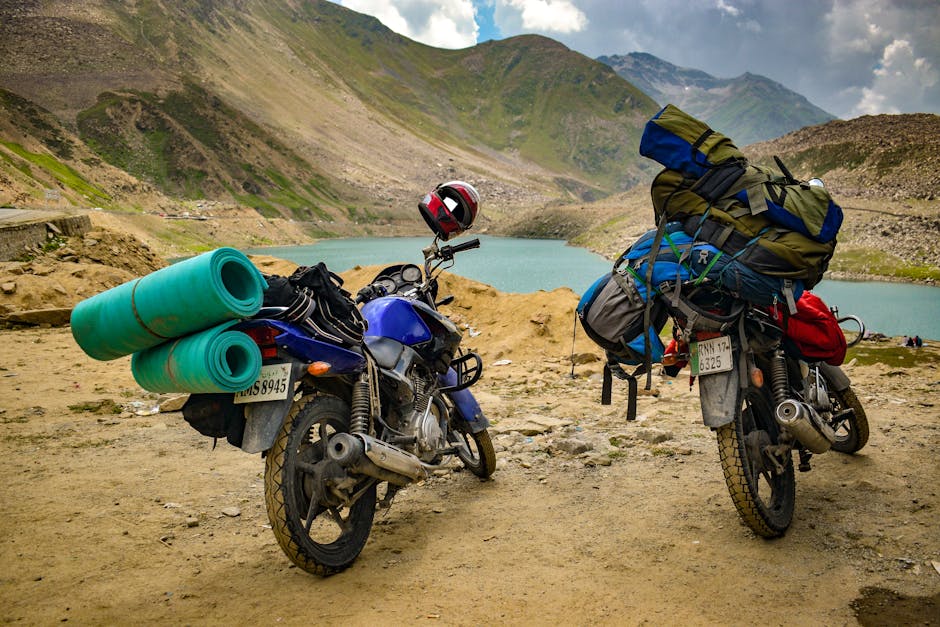
Located on New Zealand’s South Island, Lake Tekapo is known for its turquoise waters and dark-sky reserve. Adventure travelers can hike the nearby Mount John, stargaze with telescopes, or bike the Alps to Ocean Trail.
Camping is available at the Lake Tekapo Motel & Campground, with views of the lake and Southern Alps. The area is also a gateway to Aoraki Mount Cook National Park. It’s perfect for those who want adventure with a side of astronomy.
Types of Adventure Activities for Lakeside Campers
The beauty of adventure travel trips for lakeside camping fans is the variety of activities available. You’re not limited to sitting by the water—there’s always something to do, whether you prefer water, land, or air-based adventures.
Water-Based Adventures
Kayaking and canoeing are staples of lakeside adventure travel. Paddling allows you to explore hidden coves, fish in quiet bays, and reach campsites inaccessible by road. Stand-up paddleboarding (SUP) is also popular for its ease and full-body workout.
For thrill-seekers, whitewater rafting on rivers that feed into lakes offers an adrenaline rush. In colder regions, ice fishing and snowshoeing across frozen lakes are winter alternatives. Always check water conditions and wear life jackets—safety is non-negotiable.
Land-Based Adventures
Hiking is the most common land activity, with trails ranging from easy lakeside walks to challenging summit climbs. Look for routes that offer elevation gain and panoramic views. Trail running and mountain biking are also popular, especially in areas with well-maintained paths.
Rock climbing and bouldering near lakes add a vertical challenge. In the Adirondacks or the Rockies, cliffs near lakes provide unique climbing experiences with water views. Always use proper gear and climb with a partner or guide.
Air and Night Adventures
Paragliding or hang gliding from nearby ridges gives you a bird’s-eye view of the lake and surrounding terrain. In some regions, ziplining over forests or lakes is available as a guided tour.
Night adventures include stargazing, night photography, and wildlife observation. Lakes with dark-sky certification, like Tekapo, are ideal for astronomy. Bring a red-light headlamp to preserve night vision and avoid disturbing wildlife.
Planning Your Lakeside Adventure Trip
Good planning turns a good trip into a great one. Adventure travel requires more preparation than standard camping, especially when combining multiple activities and remote locations.
Step 1: Choose Your Destination and Season
Research lakes that match your skill level and interests. Beginners should start with accessible lakes and guided tours. Experienced campers can opt for remote, unguided expeditions.
Season matters. Summer offers warm weather and full access, but also crowds. Spring and fall provide fewer people and changing scenery, but colder nights. Winter camping is possible in some areas but requires specialized gear and experience.
Step 2: Book Guided Trips or Plan Independently
Guided adventure trips are ideal for first-timers or those visiting unfamiliar regions. Reputable outfitters provide gear, meals, transportation, and expert guidance. They also handle permits and safety protocols.
If planning independently, research permits, trail conditions, and weather forecasts. Download offline maps and share your itinerary with someone at home. Always have a backup plan in case of storms or trail closures.
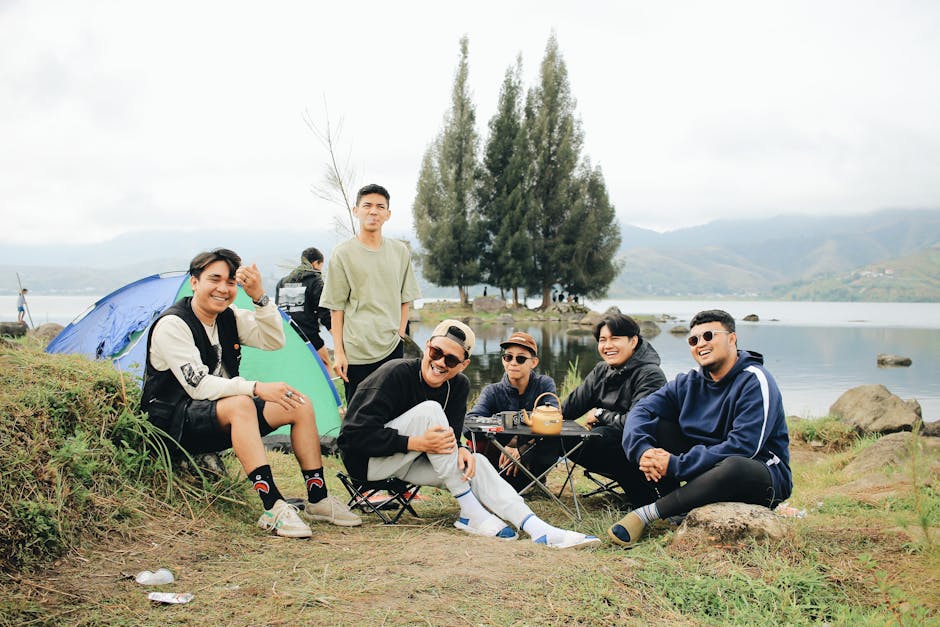
Step 3: Pack Smart for Adventure and Comfort
Your packing list should balance adventure gear with camping essentials. Include a lightweight tent, sleeping bag rated for the season, and a portable stove. For water activities, pack a dry bag, paddle, and personal flotation device.
Don’t forget navigation tools (map, compass, GPS), first-aid kit, headlamp, and sun protection. Layer clothing for changing conditions. Test all gear before departure to avoid surprises.
Step 4: Prioritize Safety and Leave No Trace
Safety is critical in adventure travel. Inform others of your plans, carry emergency communication devices (like a satellite messenger), and know basic first aid. Check local wildlife advisories and food storage rules.
Follow Leave No Trace principles: pack out all trash, minimize campfire impact, and respect wildlife. Use established campsites when possible to reduce environmental damage.
Gear Essentials for Lakeside Adventure Travel
The right gear makes your trip safer and more enjoyable. While some items are standard for camping, adventure travel adds specific needs.
Camping Gear
- Tent: Choose a lightweight, weather-resistant model with a rainfly.
- Sleeping system: Sleeping bag and insulated pad for warmth and comfort.
- Cooking setup: Portable stove, fuel, and lightweight cookware.
- Water filtration: Pump or filter system to safely drink from lakes.
Adventure-Specific Gear
- Kayak or canoe: Rent or bring your own; ensure it’s suitable for the lake size.
- PFD (life jacket): Must be worn during all water activities.
- Dry bags: Keep electronics, clothes, and food dry.
- Hiking boots: Waterproof and broken in before the trip.
- Navigation tools: Map, compass, and GPS device.
Consider renting gear from local outfitters to save space and shipping costs. Many offer packages that include canoes, tents, and cooking equipment.
What to Expect on a Guided Adventure Trip
Guided trips take the stress out of planning and let you focus on the experience. Here’s what a typical multi-day lakeside adventure might look like.
Day 1: Arrival and Orientation
You’ll meet your guide and group at a designated location, usually near the lake. Gear is distributed, and a safety briefing covers weather, wildlife, and emergency procedures. The first campsite is often close to the launch point.
Days 2–4: Daily Adventures and Overnight Camping
Each day includes a morning activity (like kayaking or hiking), a packed lunch, and afternoon exploration. Evenings are spent at a new campsite, with dinner prepared over a campfire or stove. Guides often share stories, local history, or stargazing tips.
Final Day: Return and Reflection
The trip ends with a final paddle or hike back to the starting point. Gear is returned, and participants often share highlights over a group meal. Many leave with new skills, photos, and a deeper connection to nature.
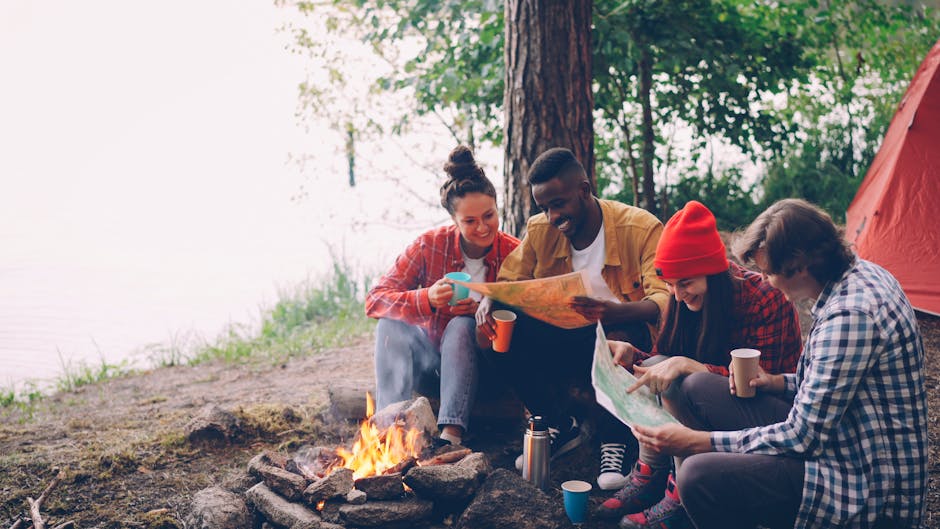
Guided trips vary in intensity—some are family-friendly, while others target experienced adventurers. Read reviews and ask about group size, guide qualifications, and daily mileage before booking.
Budgeting for Your Lakeside Adventure Trip
Costs depend on location, duration, and whether you go guided or independent. Guided trips typically range from $150 to $400 per day, including gear, food, and lodging. Independent trips are cheaper but require more upfront investment in equipment.
Cost-Saving Tips
- Rent gear instead of buying.
- Travel in the shoulder season for lower rates.
- Choose public campgrounds over private resorts.
- Share costs with a group or partner.
Factor in transportation, permits, and meals. Some parks charge entrance fees, and remote areas may require flights or long drives. Plan for unexpected expenses like gear repairs or weather delays.
Environmental Responsibility and Ethics
Adventure travel brings people closer to nature, but it also increases environmental impact. Responsible travel ensures these lakes remain beautiful for future visitors.
Stick to marked trails to prevent erosion. Use biodegradable soap and wash dishes at least 200 feet from the water. Never feed wildlife—human food can harm animals and alter natural behaviors.
Support local conservation efforts by choosing eco-certified outfitters or donating to park foundations. Your choices help protect lakeside ecosystems and promote sustainable tourism.
Final Tips for a Successful Lakeside Adventure
- Start small: Try a weekend trip before committing to a week-long expedition.
- Check the weather: Sudden storms can make lakes dangerous.
- Test your gear: Practice setting up your tent and using your stove at home.
- Stay hydrated: Even in cool weather, you lose fluids through activity.
- Respect quiet hours: Many campgrounds enforce noise rules after dark.
With the right preparation, adventure travel trips for lakeside camping fans offer unforgettable experiences. You’ll return with stories, photos, and a renewed love for the outdoors.
FAQ
What should I look for in a guided adventure trip?
Choose a reputable outfitter with certified guides, positive reviews, and clear safety protocols. Ask about group size, daily itinerary, and what’s included in the price.
Can I bring my own gear on a guided trip?
Yes, most companies allow you to use personal gear if it meets safety standards. Confirm with the outfitter in advance to avoid duplication.
Are adventure trips suitable for beginners?
Many guided trips offer beginner-friendly options with shorter distances and easier activities. Look for trips labeled “introductory” or “family-friendly” if you’re new to adventure travel.