
Best Food and Culinary Travel Experiences Abroad
Traveling for food is more than just eating—it’s about experiencing cultures through flavor, tradition, and local craftsmanship. The best food and culinary travel experiences abroad immerse you in authentic dishes, regional ingredients, and time-honored cooking methods. Whether you’re strolling through a bustling night market in Bangkok or learning to make fresh pasta in a Tuscan farmhouse, these journeys transform meals into memories. This guide highlights top destinations, hands-on experiences, and practical tips to help you plan a flavorful adventure that goes beyond the typical tourist menu.
Why Culinary Travel Matters
Food is a universal language. It connects people across borders and generations. When you travel, what you eat often defines your impression of a place more than any landmark.
Culinary travel encourages deeper engagement with local communities. Instead of just visiting sights, you learn how people live, celebrate, and nourish themselves. You support small producers, street vendors, and family-run restaurants that keep traditions alive.
Unlike generic food tours, true culinary travel involves participation—cooking classes, market visits, farm tours, and conversations with chefs. These experiences build understanding and appreciation far beyond a single meal.
Top Destinations for Food Lovers
Some countries are renowned for their culinary heritage. Others surprise travelers with hidden gems. Here are standout destinations where food takes center stage.
Japan: Precision and Tradition on a Plate
Japan offers one of the world’s most refined food cultures. From sushi in Tokyo to kaiseki in Kyoto, every dish reflects balance, seasonality, and craftsmanship.
Visit Tsukiji Outer Market for fresh seafood breakfasts. Take a knife skills class in Osaka. Try your hand at making soba noodles in Takayama. Even convenience store onigiri can be a revelation when made with local rice and regional fillings.
Don’t miss regional specialties: Hiroshima-style okonomiyaki, Hokkaido dairy products, or Fukuoka’s ramen stalls tucked into alleyways. Each prefecture has its own identity.
Italy: Regional Diversity and Passion
Italy’s food scene varies dramatically from north to south. In Bologna, you’ll find rich ragù and handmade tagliatelle. In Naples, it’s all about wood-fired pizza and buffalo mozzarella.
Sign up for a cooking class in a farmhouse near Florence or a seafood workshop in Sicily. Visit local markets like Mercato Centrale in Florence or Ballarò in Palermo to see what’s in season.
True Italian cuisine is simple—few ingredients, maximum flavor. Learn to make fresh pasta from scratch, or join a truffle hunt in Umbria. These experiences reveal the soul of Italian cooking.
Thailand: Bold Flavors and Street Food Mastery
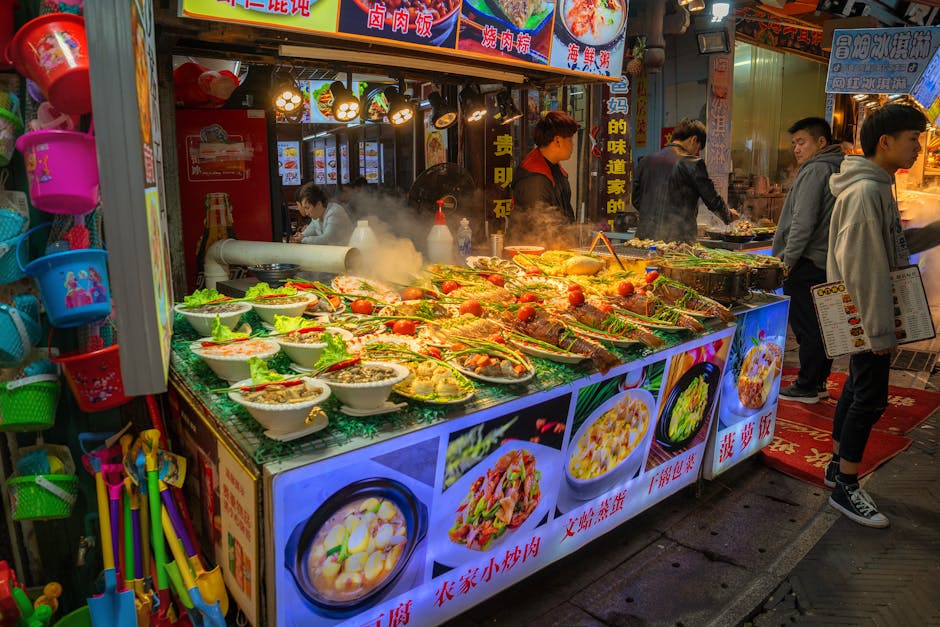
Thailand is a paradise for street food lovers. Bangkok’s night markets serve up pad Thai, som tam, and mango sticky rice with unmatched vibrancy.
Take a cooking class in Chiang Mai to learn the balance of sweet, sour, salty, and spicy. Visit floating markets near Bangkok or explore Isaan cuisine in the northeast, known for its fermented sausages and herb-heavy dishes.
Street food here is not just affordable—it’s often the most authentic. Vendors have perfected recipes over decades. Just watch for high turnover and clean cooking practices.
Mexico: Ancient Ingredients, Modern Twists
Mexican cuisine is deeply rooted in indigenous traditions. Corn, beans, chiles, and chocolate form the backbone of dishes that vary by region.
In Oaxaca, try mole negro and tlayudas. In Mexico City, sample tacos al pastor from a late-night stand. Take a mezcal tasting tour in the highlands or learn to make tortillas by hand.
Look for cooking schools that include market tours. You’ll see how ingredients like epazote, huitlacoche, and avocado leaves shape the flavor profile.
France: Technique and Terroir
France is synonymous with culinary excellence. From buttery croissants in Paris to bouillabaisse in Marseille, each region boasts its own specialties.
Join a pastry class in Lyon or a cheese-making workshop in the Alps. Visit vineyards in Bordeaux or Burgundy and pair wines with local charcuterie.
French cooking emphasizes technique and respect for ingredients. Learning to make a proper béchamel or roast a chicken with herbs de Provence offers insight into the country’s gastronomic philosophy.
Types of Culinary Travel Experiences
Not all food trips are the same. The type of experience you choose depends on your interests, budget, and travel style.
Cooking Classes
Hands-on classes are among the most popular culinary activities. They range from half-day workshops to multi-week programs.
Look for classes taught by local chefs in home kitchens or small schools. These often include market visits and ingredient explanations. Avoid large, tourist-focused groups that prioritize speed over learning.
Popular options include Thai curry-making in Bangkok, pasta-making in Italy, or tapas preparation in Barcelona.
Food Tours
Guided food walks introduce you to a city’s flavors in a few hours. They’re ideal for first-time visitors or those short on time.
Choose tours that focus on authenticity over gimmicks. Small groups, local guides, and visits to family-run eateries are signs of quality.
Many cities offer themed tours: vegan food in Berlin, craft beer in Prague, or seafood in Lisbon. Pick one that matches your tastes.
Farm-to-Table Experiences
These experiences connect you directly with food producers. Visit olive groves in Greece, coffee farms in Colombia, or vineyards in South Africa.
You’ll often participate in harvesting, processing, or preparing the food. A cheese-making day in the Swiss Alps or a saffron harvest in Spain can be deeply rewarding.
These trips support sustainable agriculture and offer a behind-the-scenes look at where food comes from.
Dining with Locals
Platforms like EatWith or Traveling Spoon let you dine in people’s homes. It’s a chance to share a meal and hear personal stories.
These experiences are intimate and often include cooking together. You might learn a family recipe passed down for generations.
Always read reviews and communicate clearly about dietary needs. Respect cultural norms around mealtimes and conversation.
How to Plan Your Culinary Adventure
Good planning ensures you get the most out of your trip. Follow these steps to create a satisfying food-focused itinerary.
1. Research Local Cuisines
Before you go, learn about the region’s signature dishes, ingredients, and dining customs. Read travel blogs, watch documentaries, or consult guidebooks.
Understanding the food culture helps you appreciate what you’re eating. It also prevents cultural missteps—like expecting a fork in a country that eats with hands.
2. Book Experiences in Advance
Popular cooking classes and food tours fill up quickly, especially in peak season. Reserve spots as early as possible.
Check cancellation policies. Some experiences offer refunds, while others are non-refundable. Flexibility helps if your plans change.
3. Pack Smart
Bring a reusable water bottle, hand sanitizer, and a small notebook to jot down recipes or vendor names.
Avoid bringing food from home. Many countries restrict imported items. Declare everything to avoid fines.
4. Stay Open-Minded
Try dishes you wouldn’t normally eat. Fermented fish in Iceland, balut in the Philippines, or escamoles in Mexico might surprise you.
If something looks unfamiliar, ask how it’s prepared. Most locals are happy to explain. A smile and “Is this good?” go a long way.
5. Respect Local Customs
Dining etiquette varies widely. In Japan, never stick chopsticks upright in rice. In India, eat with your right hand. In France, keep your hands on the table—not in your lap.
Observe how locals behave and follow their lead. When in doubt, ask politely.
What to Avoid When Traveling for Food
Even the best-planned trips can go off track. Avoid these common pitfalls to keep your experience enjoyable and safe.
Overeating on the First Day
It’s tempting to try everything at once. But your stomach needs time to adjust to new spices, oils, and ingredients.
Start with small portions. Stick to cooked foods if you’re prone to stomach issues. Stay hydrated and avoid excessive alcohol.
Ignoring Food Safety
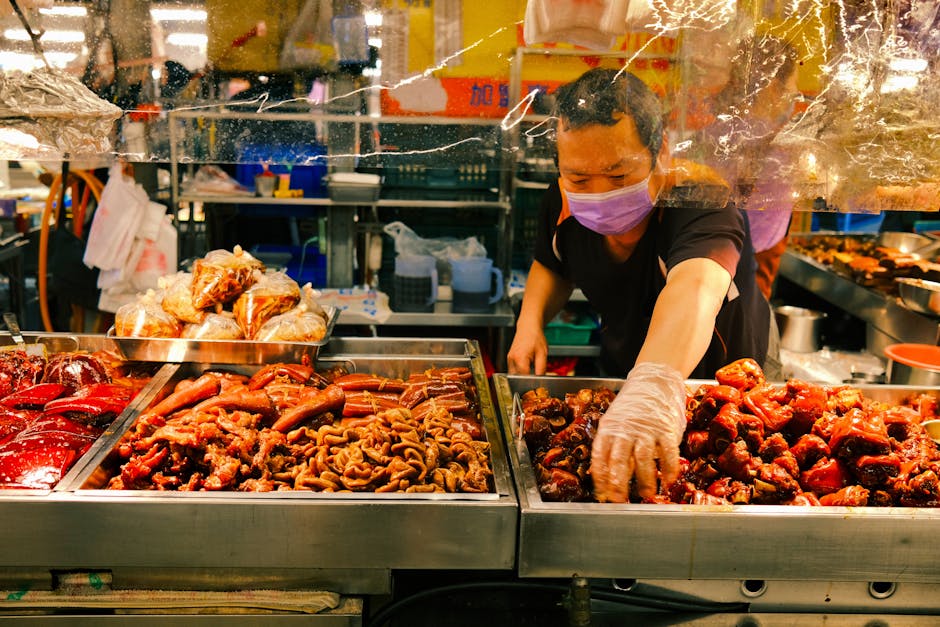
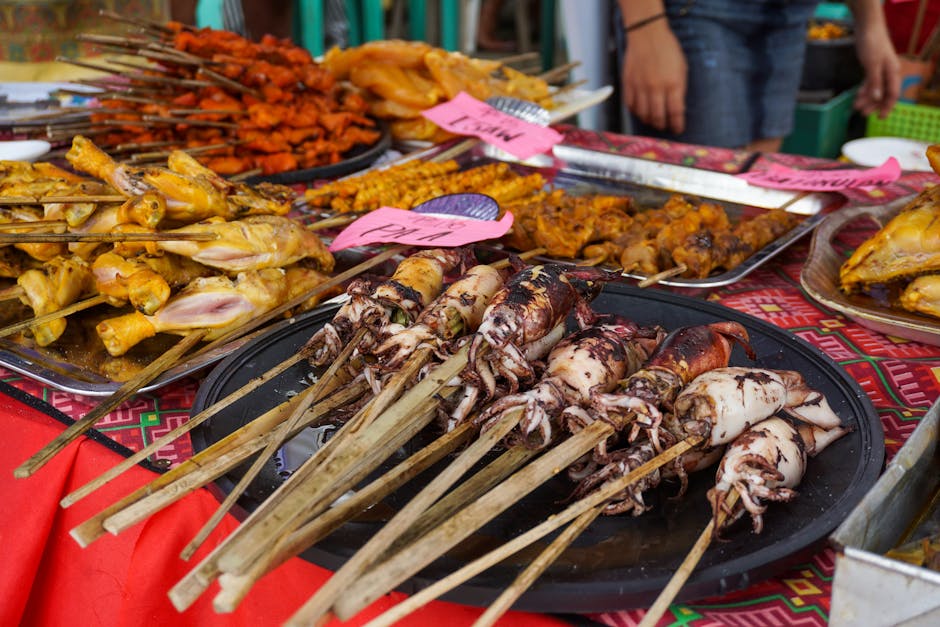
Street food can be delicious but risky if hygiene standards are low. Choose stalls with high turnover and visible cleanliness.
Avoid raw seafood, unpasteurized dairy, or food left out in the sun. When in doubt, opt for freshly cooked items served hot.
Only Eating at Tourist Hotspots
Restaurants near major attractions often cater to foreigners with simplified menus. They may lack authenticity or use lower-quality ingredients.
Walk a few blocks away from the main square. Look for places filled with locals. Menus in the local language are a good sign.
Forgetting Dietary Restrictions
If you have allergies or dietary needs, research ahead. Learn key phrases in the local language: “I am vegetarian” or “No peanuts, please.”
Carry a translation card or use a food allergy app. Don’t assume ingredients are the same as at home.
Making the Most of Your Trip
A great culinary journey is about more than taste—it’s about connection and discovery.
Talk to Chefs and Vendors
Strike up conversations. Ask how a dish is made, where ingredients come from, or what makes it special.
Many chefs enjoy sharing their passion. You might get a recipe, a recommendation, or an invitation to return.
Document Your Experience
Take photos, write notes, or keep a food journal. Record the name of dishes, places you visited, and what you learned.
These memories help you recreate flavors at home and share your journey with others.
Support Local Economies
Eat at family-run restaurants. Buy from local markets. Tip fairly for tours and classes.
Your spending helps sustain traditional foodways and supports small businesses.
FAQ
Q: Is it safe to eat street food while traveling?
A: Yes, in many places—especially where locals eat frequently. Choose busy stalls with high turnover, clean cooking surfaces, and freshly prepared food. Avoid raw items and drink bottled water.
Q: How do I find authentic cooking classes abroad?
A: Look for schools with local instructors, small class sizes, and hands-on instruction. Read reviews on trusted platforms and avoid those that seem overly commercial or scripted.
Q: Can I still enjoy food travel if I have dietary restrictions?
A: Absolutely. Many destinations offer vegetarian, vegan, gluten-free, or allergy-friendly options. Research ahead, learn key phrases, and communicate clearly with hosts and chefs.