
Amazing Adventure Travel Vacations for Wild Camping
If you’re looking for an unforgettable escape into nature, amazing adventure travel vacations for wild camping offer the perfect blend of freedom, challenge, and connection with the outdoors. Exploring wild camping adventure vacations reveals important insights. Unlike traditional campsites, wild camping lets you pitch your tent in remote, untouched landscapes—far from crowds and city lights. Whether you’re hiking through mountain ranges, paddling down wild rivers, or trekking across desert plains, these adventures provide raw, authentic experiences that resort stays simply can’t match.
Wild camping isn’t just about sleeping under the stars—it’s about immersing yourself in the environment. You’ll wake to birdsong, cook meals over an open fire, and navigate trails with nothing but a map and your instincts. This guide covers the best destinations, essential gear, safety tips, and practical planning advice to help you launch your next off-grid adventure with confidence.
Why Choose Wild Camping for Your Next Adventure?
Wild camping stands apart from conventional camping because it emphasizes solitude, self-reliance, and minimal environmental impact. Instead of designated campsites with amenities, you’ll find yourself in natural settings where the only sounds are wind, water, and wildlife.
These trips often involve multi-day hikes or paddling expeditions, making them ideal for travelers seeking physical challenge and mental reset. You’re not just visiting a place—you’re moving through it, often covering varied terrain and weather conditions. This kind of travel builds resilience, deepens your appreciation for nature, and offers moments of quiet reflection that are rare in daily life.
Freedom and Flexibility
One of the biggest draws of wild camping is the freedom to choose your route and campsite. There’s no need to book in advance or stick to a schedule. You can change plans based on weather, trail conditions, or simply how you feel that day.
This flexibility allows for spontaneous detours—like a sunrise hike to a ridge or an unplanned swim in a mountain lake. It’s travel on your terms, shaped by curiosity and the landscape itself.
Closer to Nature
Sleeping in the wild means you’re fully immersed in your surroundings. You’ll experience the full cycle of daylight—from golden dawns to star-filled nights—without artificial light or noise pollution.
Wildlife sightings become more common when you’re quiet and still. On a recent trip in the Scottish Highlands, a traveler reported seeing a golden eagle soar overhead just after setting up camp. Moments like these are what make wild camping so memorable.
Cost-Effective and Sustainable
Wild camping is one of the most budget-friendly ways to travel. With no campsite fees, you save money that can go toward better gear or longer trips. It’s also environmentally responsible when done correctly—following Leave No Trace principles ensures you leave the area as pristine as you found it.
By minimizing infrastructure use and avoiding crowded tourist areas, you reduce your carbon footprint while supporting conservation efforts in remote regions.
Top Destinations for Amazing Wild Camping Adventures
Some of the world’s most breathtaking landscapes are best explored through wild camping. These destinations offer diverse terrain, stunning views, and the solitude that defines true adventure travel.
The Scottish Highlands, Scotland
The Highlands are a wild camper’s paradise. With vast moorlands, ancient forests, and rugged mountains, this region offers endless opportunities for off-grid exploration. The famous West Highland Way trail is a popular route, but side paths lead to hidden glens and lochs perfect for overnight stays.
Wild camping is legal under Scotland’s access laws, as long as you follow responsible practices. Just remember to camp at least 100 meters from buildings and avoid sensitive areas like farmland or protected habitats.
Torres del Paine, Chile
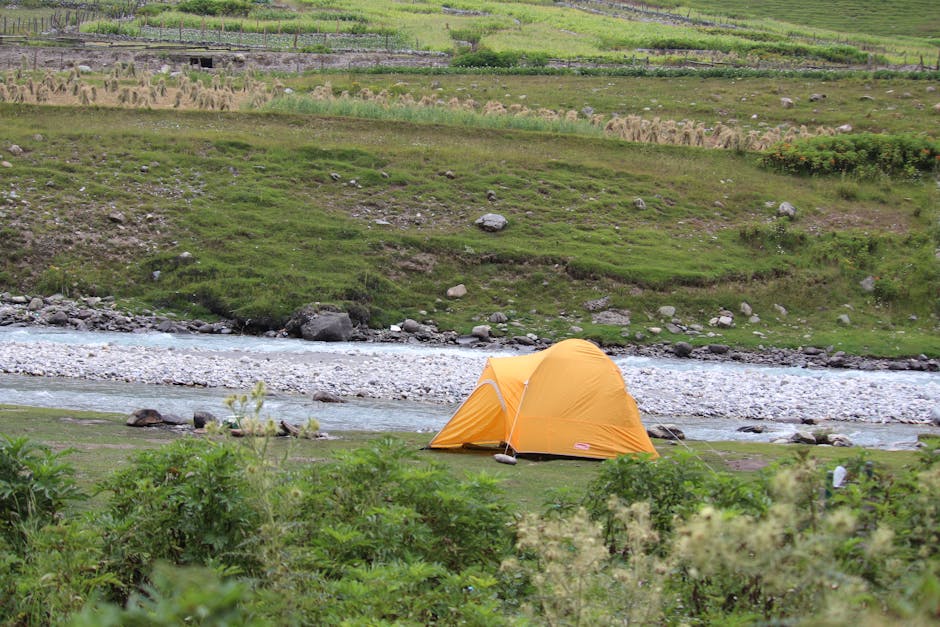
Patagonia’s Torres del Paine National Park is a magnet for adventure seekers. The granite towers, turquoise lakes, and glacial rivers create a dramatic backdrop for wild camping. The W-Trek is a classic multi-day route that passes through valleys, forests, and high-altitude passes.
While the park has designated campsites, experienced hikers can camp off-trail with a permit. Weather changes quickly here—be prepared for wind, rain, and sudden temperature drops even in summer.
The Dolomites, Italy
Italy’s Dolomites offer alpine beauty with a European twist. The jagged peaks, alpine meadows, and crystal-clear streams make this region ideal for hikers who want both challenge and scenery. The Alta Via 1 trail spans 120 kilometers and passes through several high-altitude zones.
Wild camping is restricted in some areas, so check local regulations. In general, camping above the tree line is more accepted, but always seek permission near private land.
The Canadian Rockies, Canada
From Banff to Jasper, the Canadian Rockies provide some of the most spectacular mountain camping in North America. Backcountry permits are required, but once you’re in, you’ll have access to pristine lakes, dense forests, and abundant wildlife.
Bear safety is critical here. Always carry bear spray, store food properly, and make noise while hiking. A recent survey showed that 85% of backcountry campers in the Rockies encountered wildlife, underscoring the need for preparedness.
The Atlas Mountains, Morocco
For a more exotic wild camping experience, the Atlas Mountains offer rugged terrain and rich Berber culture. The Toubkal Circuit is a favorite among trekkers, with views of North Africa’s highest peak and opportunities to camp near remote villages.
Wild camping here requires cultural sensitivity. Always ask locals before setting up camp near settlements, and respect traditions around fire and water use.
Essential Gear for Wild Camping Adventures
The right equipment makes the difference between a comfortable night and a miserable one. Lightweight, durable gear is key, especially when you’re carrying everything on your back.
Tents and Shelters
A reliable, weather-resistant tent is non-negotiable. Look for models designed for backpacking—lightweight, compact, and easy to set up. Three-season tents work for most climates, but if you’re camping in snow or high winds, consider a four-season model.
Ultralight options like trekking pole tents or tarps are gaining popularity. They reduce pack weight but require more skill to pitch and offer less protection in storms.
Sleeping Systems
Your sleeping bag and pad determine how well you rest. Choose a bag rated for the lowest expected temperature—down bags are warmer and lighter, but synthetic fills perform better when wet.
Sleeping pads provide insulation from the cold ground. Inflatable pads are comfortable and pack small, while foam pads are more durable and don’t require inflation. A recent test showed that insulated pads can increase comfort by up to 40% on rocky terrain.
Cooking and Hydration
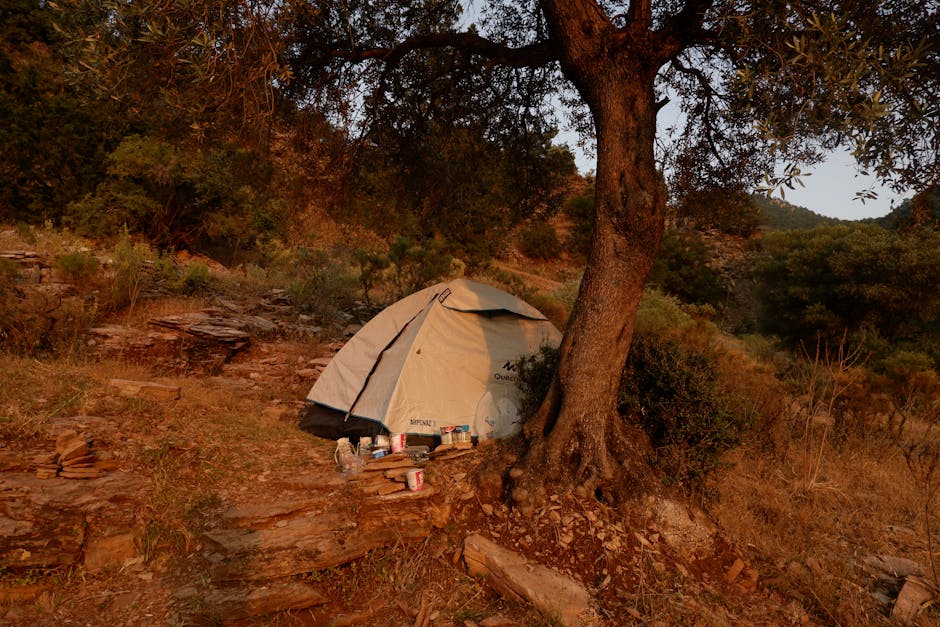
A compact stove is essential for hot meals and safe drinking water. Exploring wild camping adventure vacations reveals important insights. Canister stoves are simple and efficient, while liquid fuel stoves work better in cold weather. Always carry extra fuel and a windscreen.
Water filtration is critical. Use a pump, gravity filter, or chemical treatment to remove bacteria and protozoa. In some regions, like the Alps or Rockies, giardia is a real risk—never drink untreated water.
Navigation and Safety Tools
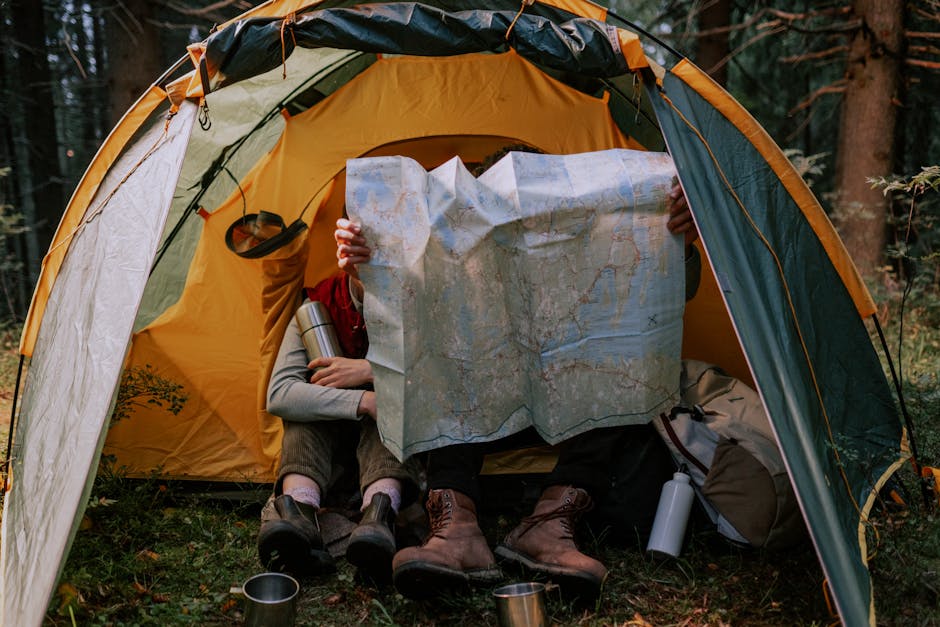
GPS devices and offline maps are lifesavers in remote areas. Smartphone apps like Gaia GPS or Maps.me work well, but always carry a paper map and compass as backup.
Other essentials include a headlamp, first-aid kit, multi-tool, and emergency shelter. A personal locator beacon (PLB) is recommended for trips in truly isolated regions.
Planning Your Wild Camping Adventure
Success starts with thorough preparation. The more remote your destination, the more planning it requires.
Research and Permits
Start by researching local laws. Wild camping is legal in some countries (like Scotland and Norway) but restricted or prohibited in others. Always check with park authorities or local guides.
Some areas require permits for backcountry camping. In U.S. national parks, for example, you must apply in advance. Failing to secure a permit can result in fines or removal from the trail.
Route Planning
Use topographic maps to plan your route. Identify water sources, elevation changes, and potential campsites. Aim for a daily distance that matches your fitness level—most beginners should start with 10–15 kilometers per day.
Weather is a major factor. Check forecasts before you go, but be ready for sudden changes. Mountain weather can shift in minutes, so pack layers and a waterproof shell.
Packing Smart
Every gram counts when you’re hiking all day. Use a checklist to avoid overpacking. Focus on essentials: shelter, sleep system, food, water, navigation, and safety gear.
Distribute weight evenly in your pack. Heavy items should be close to your back and centered. Test your pack on short hikes before your trip to ensure comfort and balance.
Safety Tips for Wild Camping
Adventure comes with risk, but smart preparation minimizes danger. These tips will help you stay safe in the backcountry.
Wildlife Awareness
Know the animals in your area. In bear country, store food in bear canisters or hang it properly. Never cook or eat near your sleeping area.
In regions with snakes or insects, check your tent before entering and wear long sleeves at dusk. A simple ankle check can prevent unpleasant surprises.
Leave No Trace Principles
Wild camping is only sustainable if you leave no trace. Pack out all trash, including food scraps and toilet paper. Use a trowel to dig catholes 6–8 inches deep for human waste, at least 60 meters from water sources.
Avoid building rock cairns or marking trails. These disrupt natural landscapes and can mislead other hikers.
Emergency Preparedness
Always tell someone your itinerary and expected return date. If you don’t check in, search teams will know where to look.
Carry a whistle, signal mirror, and fire starter. In an emergency, three blasts on a whistle is a universal distress signal.
What to Expect on Your First Wild Camping Trip
First-time wild campers often feel a mix of excitement and nerves. That’s normal. Start with a short, well-marked trail close to home. This lets you test your gear and build confidence.
Expect to move slower than you think. Setting up camp, filtering water, and cooking take time. Build in buffer hours for rest and unexpected delays.
You might not sleep deeply the first night. The sounds of the forest, the feel of the ground, and the absence of familiar comforts can be disorienting. Bring earplugs and a familiar pillow if needed.
After a few trips, you’ll adapt. Many campers report that after their third overnight, they sleep better in the wild than at home.
Final Thoughts
Amazing adventure travel vacations for wild camping are about more than just sleeping outdoors—they’re about reconnecting with the natural world and challenging yourself in meaningful ways. With the right preparation, gear, and mindset, these trips can be some of the most rewarding experiences of your life.
Start small, learn from each trip, and gradually push your limits. Whether you’re exploring the Scottish Highlands or the Canadian Rockies, wild camping offers a unique blend of solitude, beauty, and personal growth that few other travel styles can match.
FAQ
Is wild camping legal everywhere?
No, wild camping laws vary by country and region. It’s legal in Scotland and parts of Scandinavia, but restricted in many U.S. national parks and parts of Europe. Always research local regulations before you go.
What’s the best season for wild camping?
Spring through early fall is ideal in most temperate regions. Summer offers long days and stable weather, but can be crowded. Shoulder seasons (spring and fall) provide fewer people and lower prices, but require preparation for colder nights.
Do I need special training for wild camping?
Basic hiking and camping skills are essential. Consider taking a wilderness first aid course or joining a guided trip for your first adventure. Practice setting up your tent and using your stove at home before heading out.