
Amazing Adventure Travel Vacations for Active Souls
If you’re an active traveler seeking more than just sightseeing, adventure travel vacations offer the perfect blend of challenge, discovery, and natural beauty. These experiences go beyond typical tours—they immerse you in rugged landscapes, demanding physical activities, and authentic cultural encounters. From trekking through remote mountain ranges to kayaking wild coastlines, adventure travel is designed for those who want to engage deeply with the world around them. Whether you’re a seasoned explorer or stepping into active travel for the first time, there’s an adventure vacation tailored to your energy level and curiosity.
What Makes Adventure Travel Different?
Adventure travel stands apart from conventional tourism by prioritizing participation over passive observation. Instead of bus tours and hotel lounges, you’re hiking trails, navigating rivers, or cycling through villages. These trips often involve moderate to high physical effort and take place in natural or culturally rich environments. The focus is on personal challenge, environmental connection, and real-world experiences that leave lasting memories.
Unlike luxury or all-inclusive vacations, adventure trips emphasize authenticity and engagement. You’ll likely interact with local guides, sleep in tents or eco-lodges, and adapt to changing conditions. This hands-on approach fosters deeper appreciation for destinations and often leads to meaningful connections with fellow travelers and host communities.
Top Destinations for Active Travelers
Patagonia: Wilderness at the Edge of the World
Straddling Chile and Argentina, Patagonia is a dream destination for hikers, climbers, and nature lovers. The region boasts dramatic glaciers, jagged peaks, and expansive steppes. Torres del Paine National Park offers multi-day treks like the W Trek and the full Circuit, both requiring solid fitness and preparation.
Wildlife sightings are common—guanacos, condors, and even pumas in remote areas. Weather can shift rapidly, so packing layers and waterproof gear is essential. Most travelers fly into Punta Arenas or El Calafate and join guided expeditions for safety and navigation support.
Nepal: Himalayan Treks and Cultural Immersion
For those drawn to high-altitude challenges, Nepal delivers unparalleled trekking experiences. The Everest Base Camp trek and the Annapurna Circuit are iconic routes that combine physical endurance with breathtaking views and Sherpa culture.
Altitude sickness is a real concern—ascend gradually and allow time for acclimatization. Most treks last 10–14 days and require carrying a daypack with essentials. Teahouses along the routes provide basic lodging and meals, making it accessible without camping gear.
New Zealand: Adventure Capital of the Southern Hemisphere
New Zealand offers diverse terrain perfect for active travelers. From the volcanic landscapes of Tongariro National Park to the fjords of Fiordland, the country supports hiking, biking, kayaking, and bungee jumping.
The Great Rides network includes 23 cycling trails, many following old rail lines through scenic valleys. The Routeburn Track and Milford Track are world-renowned multi-day hikes. Rental gear and guided tours are widely available, even for solo travelers.
Costa Rica: Rainforests, Rivers, and Wildlife
Costa Rica blends adventure with biodiversity. Zip-lining through cloud forests, whitewater rafting on the Pacuare River, and surfing on the Pacific coast are popular activities. The country’s well-maintained trails and eco-lodges make it accessible for moderate-level adventurers.
Rainy season (May–November) brings lush greenery but also muddy trails and river swells. Dry season (December–April) offers clearer skies and calmer waters. Always travel with a certified guide in remote areas to ensure safety and environmental responsibility.
Namibia: Desert Treks and Starlit Nights
Namibia’s stark desert landscapes attract those seeking solitude and dramatic scenery. The Namib Desert, home to the world’s tallest sand dunes, offers guided walking safaris and 4×4 expeditions. Sossusvlei’s red dunes are best explored at sunrise for soft light and cooler temperatures.
Water is scarce, and daytime temperatures can exceed 40°C (104°F). Most tours include vehicle support and pre-arranged campsites. The lack of light pollution makes Namibia ideal for stargazing—many lodges offer astronomy programs.
Choosing the Right Adventure Vacation
Assess Your Fitness Level
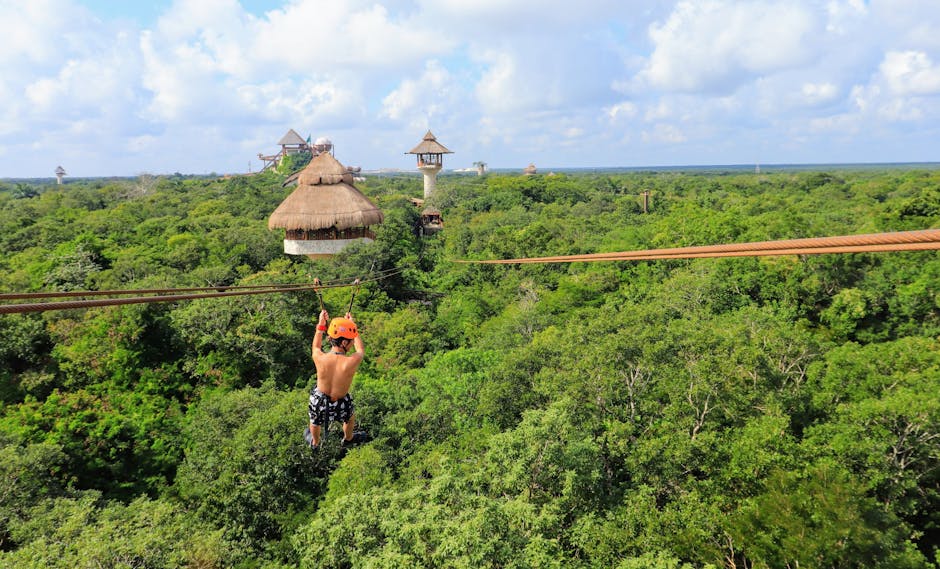
Not all adventure trips require elite athleticism, but honest self-assessment is crucial. Beginners should look for trips labeled “moderate” or “introductory,” often involving 3–5 hours of activity per day with support vehicles or guides.
If you’re training for a specific trek—like Kilimanjaro or the Inca Trail—start cardio and strength exercises 8–12 weeks in advance. Consult your doctor if you have health concerns, especially for high-altitude or remote destinations.
Consider Group Size and Guide Expertise
Smaller groups (6–12 people) often allow for more personalized attention and flexibility. Larger groups may be more economical but less adaptable to individual needs. Always verify that guides are certified and experienced in the specific activity and region.
Local guides add cultural insight and safety knowledge. In places like Peru or Bhutan, hiring local guides is often required by law and supports community-based tourism.
Understand the Itinerary and Support
Review trip details carefully: How many hours per day will you be active? Are meals and lodging included? Is there medical support or evacuation coverage? Reputable operators provide clear itineraries and emergency protocols.
Some trips offer “supported” options—vehicles carry gear while you hike, or porters assist with loads. These reduce physical strain and allow you to focus on the experience.
Essential Gear and Preparation Tips
Packing Smart for the Elements
Layering is key for variable weather. A moisture-wicking base layer, insulating mid-layer, and waterproof outer shell cover most conditions. Footwear should be broken in before departure—blisters can ruin a trip.
Don’t forget sun protection: sunglasses, wide-brim hat, and SPF 50+ sunscreen. In high-altitude or desert environments, UV exposure is intense. A reusable water bottle with filtration capability is also recommended for remote areas.
Travel Insurance and Documentation
Standard travel insurance often excludes adventure activities. Look for policies that cover trekking, kayaking, or mountaineering up to your planned elevation or difficulty level. Verify coverage for emergency evacuation, especially in regions with limited medical facilities.
Carry copies of your passport, insurance details, and emergency contacts. Leave a copy with a trusted person at home. Some countries require visas or vaccination records—check requirements at least six weeks before travel.
Mental Preparation Matters
Adventure travel can be physically demanding and mentally taxing. Weather delays, language barriers, and unexpected changes are part of the experience. Flexibility and a positive attitude go a long way.
Practice mindfulness or journaling to stay present. Many travelers find that overcoming challenges in nature builds confidence and resilience that extends beyond the trip.
Safety First: Risks and How to Manage Them
Environmental Hazards
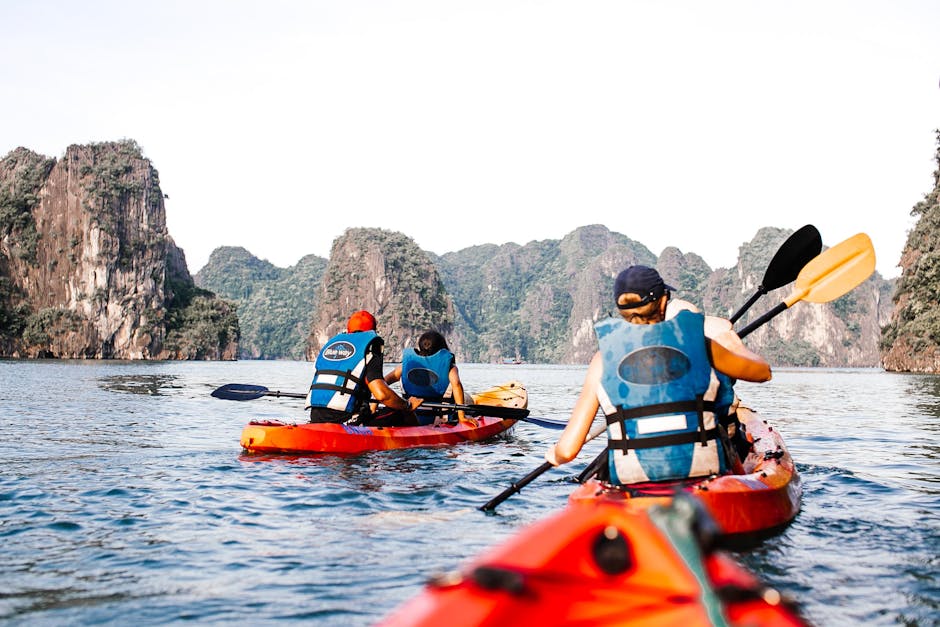
Weather, terrain, and wildlife pose real risks. Flash floods can occur in desert wadis, and snow can fall unexpectedly in mountain regions, even in summer. Always check forecasts and heed local warnings.
Wildlife encounters vary by region. In bear country (like Alaska or Canada), carry bear spray and store food properly. In tropical areas, use insect repellent to prevent mosquito-borne illnesses like dengue or malaria.
Health and Hygiene in Remote Areas
Access to medical care may be limited. Pack a basic first-aid kit with blister treatment, antiseptic, pain relievers, and any personal medications. Waterborne illnesses are common—use purification tablets or filters when drinking from natural sources.
Hand sanitizer and wet wipes help maintain hygiene when facilities are unavailable. Avoid raw foods and unpeeled fruits in regions with questionable sanitation.
Navigation and Communication
GPS devices and satellite messengers (like Garmin inReach) are invaluable in areas with no cell service. Share your itinerary with someone reliable and check in regularly if traveling solo.
Learn basic navigation skills—reading a map and compass—even if using technology. Batteries die, and signals drop. Always carry a physical backup.
Sustainable Adventure Travel Practices
Leave No Trace Principles
Adventure travelers have a responsibility to protect natural environments. Follow the seven Leave No Trace principles: plan ahead, travel on durable surfaces, dispose of waste properly, leave what you find, minimize campfire impact, respect wildlife, and be considerate of others.
Pack out all trash, including biodegradable items like fruit peels. Use established campsites to reduce soil erosion and vegetation damage.
Support Local Economies
Choose locally owned guides, lodges, and tour operators. This ensures your money benefits the community directly. Avoid large international chains that may not reinvest in local infrastructure.
Purchase handmade crafts directly from artisans rather than mass-produced souvenirs. Ask before photographing people—many cultures consider it disrespectful without permission.
Carbon Footprint and Offsetting
Adventure travel often involves flights and vehicle transport, contributing to carbon emissions. Consider offsetting your trip through verified programs that fund reforestation or renewable energy projects.
When possible, choose destinations closer to home or combine multiple activities in one region to reduce travel frequency. Train travel is a lower-impact option in Europe and parts of Asia.
Family and Solo Adventure Options
Adventure Trips for Families
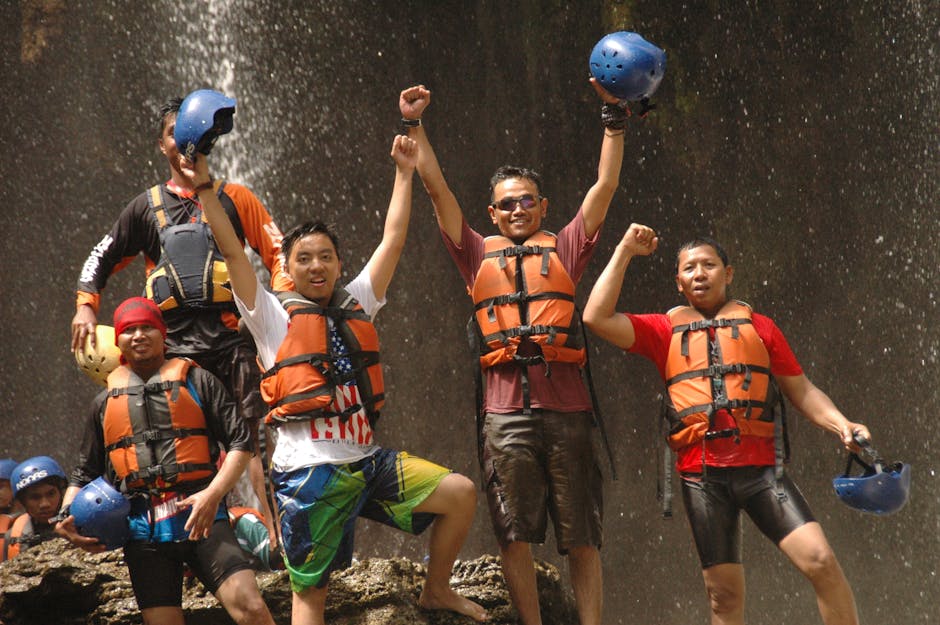
Many companies offer family-friendly adventure vacations with age-appropriate activities. Examples include gentle rafting in West Virginia, snorkeling in the Florida Keys, or cycling in the Netherlands. Look for trips with flexible pacing and kid-focused guides.
Children under 12 may need specialized gear or shorter daily distances. Always confirm age and weight requirements for activities like zip-lining or horseback riding.
Solo Travelers: Safety and Community
Solo adventurers often find camaraderie in group tours. Joining a guided expedition reduces planning stress and enhances safety. Many operators offer single-occupancy options or roommate matching.
Inform someone of your plans daily if traveling independently. Use trusted platforms like Meetup or adventure travel forums to connect with like-minded travelers. Trust your instincts—if something feels unsafe, leave.
Budgeting for Your Adventure
Cost Breakdown
Adventure vacations vary widely in price. Budget options (e.g., self-guided trekking in Thailand) can cost $50–$100 per day. Mid-range guided tours (e.g., Costa Rica eco-tour) range from $150–$300 daily. High-end expeditions (e.g., Antarctic cruise with kayaking) can exceed $1,000 per day.
Flights, gear rentals, visas, and insurance add to the total. Booking early often secures better rates, especially for popular seasons.
Ways to Save
Travel during shoulder seasons (spring or fall) for lower prices and fewer crowds. Share gear with travel companions or rent locally. Some organizations offer scholarships or volunteer-for-pass programs in exchange for trail maintenance or community work.
Avoid last-minute bookings, which often come with premiums. Compare at least three operators before committing, and read recent reviews on independent platforms.
Final Thoughts: Is Adventure Travel Right for You?
Adventure travel isn’t just for extreme athletes—it’s for anyone willing to step outside their comfort zone and embrace the unknown. Whether you’re summiting a peak, paddling a wild river, or walking ancient trails, these experiences build confidence, deepen connections, and renew perspective.
Start with a trip that matches your current ability and gradually take on greater challenges. The world is full of incredible landscapes waiting to be explored—on foot, by bike, or by boat. With proper planning and respect for nature and culture, your next adventure can be both thrilling and transformative.
FAQ
What fitness level is required for most adventure travel vacations?
Most trips are designed for moderate fitness levels. Beginners can start with guided hikes or cycling tours that include support vehicles. Always check the activity description and consult your doctor if unsure.
Do I need special gear for adventure travel?
It depends on the activity. Many operators provide technical gear like climbing harnesses or kayaks. You’ll typically need personal items: sturdy footwear, weather-appropriate clothing, and a daypack. Rent or buy gear in advance if traveling internationally.
Is adventure travel safe for solo travelers?
Yes, especially when joining guided group tours. Reputable operators prioritize safety and group cohesion. Solo travelers should share itineraries, use tracking devices, and choose well-reviewed companies with strong emergency protocols.