
Easy Destination Guide to Berlin for Urban Explorers
Berlin is a city built for urban explorers. From its layered history to its raw street art and vibrant neighborhoods, it rewards curiosity at every turn. Whether you’re tracing Cold War relics, wandering repurposed industrial spaces, or discovering hidden courtyards in Mitte, the city unfolds like an open-air museum. This guide helps you navigate Berlin’s best urban experiences—efficiently, safely, and authentically—without getting lost in tourist traps.
Why Berlin Appeals to Urban Explorers
Berlin’s urban landscape is a living archive of 20th-century upheaval and reinvention. Unlike cities that erase their past, Berlin preserves it—often in plain sight. The Berlin Wall once split the city, but today its remnants serve as open-air galleries and memorials. Abandoned buildings have been transformed into cultural hubs, and entire districts pulse with creative energy.
The city’s low cost of living and liberal attitude have attracted artists, activists, and entrepreneurs for decades. This has fostered a culture of experimentation visible in everything from pop-up galleries to guerrilla gardens. For explorers, Berlin offers freedom—to wander, question, and engage with public space in ways few other capitals allow.
Top Neighborhoods for Urban Exploration
Kreuzberg: The Heart of Alternative Culture
Kreuzberg is Berlin’s most iconic neighborhood for urban adventurers. Once a working-class district divided by the Wall, it’s now a magnet for creatives and activists. Start at Görlitzer Park, a former wasteland turned community space, then wander down Oranienstraße to see murals, independent shops, and street food stalls.
Don’t miss the East Side Gallery, the longest surviving stretch of the Berlin Wall, covered in political art. Nearby, RAW-Gelände is a sprawling former railway yard turned cultural complex with clubs, bars, and art spaces. It’s raw, unpolished, and authentically Berlin.
Friedrichshain: Industrial Charm Meets Nightlife
Friedrichshain blends gritty industrial heritage with youthful energy. The area around Boxhagener Platz hosts a weekend flea market and is surrounded by cafes, vintage stores, and graffiti-covered buildings. The nearby Spree River offers scenic walks and hidden spots like the Molecule Man sculpture.
For a deeper dive, explore the abandoned Kühlhaus complex—once a refrigeration plant, now a canvas for street artists. Always go with a group and respect private property. Urban exploration here is legal only in public or permitted spaces.
Mitte: History and Hidden Courtyards
Mitte is Berlin’s historic core, but it rewards those who look beyond the main squares. While tourists cluster at Museum Island or the Brandenburg Gate, explorers can discover Hinterhöfe—hidden inner courtyards behind grand facades. These quiet spaces often house art studios, small galleries, or community gardens.
Start on Auguststraße or Linienstraße, where unmarked doors lead to unexpected green oases. The Hackesche Höfe complex is a well-known example, but quieter courtyards like those near Sophienstraße offer a more intimate experience.
Neukölln: The New Frontier
Once overlooked, Neukölln has emerged as Berlin’s most dynamic neighborhood for urban discovery. It’s less polished than Kreuzberg but equally rich in character. Walk along Weserstraße to find independent boutiques, Middle Eastern bakeries, and pop-up galleries in converted storefronts.
The area around Tempelhofer Feld—the former airport turned public park—is ideal for long, reflective walks. On weekends, the park hosts food trucks, kite flyers, and impromptu music sessions. It’s a testament to Berlin’s ability to reimagine space.
Must-See Urban Landmarks and Ruins
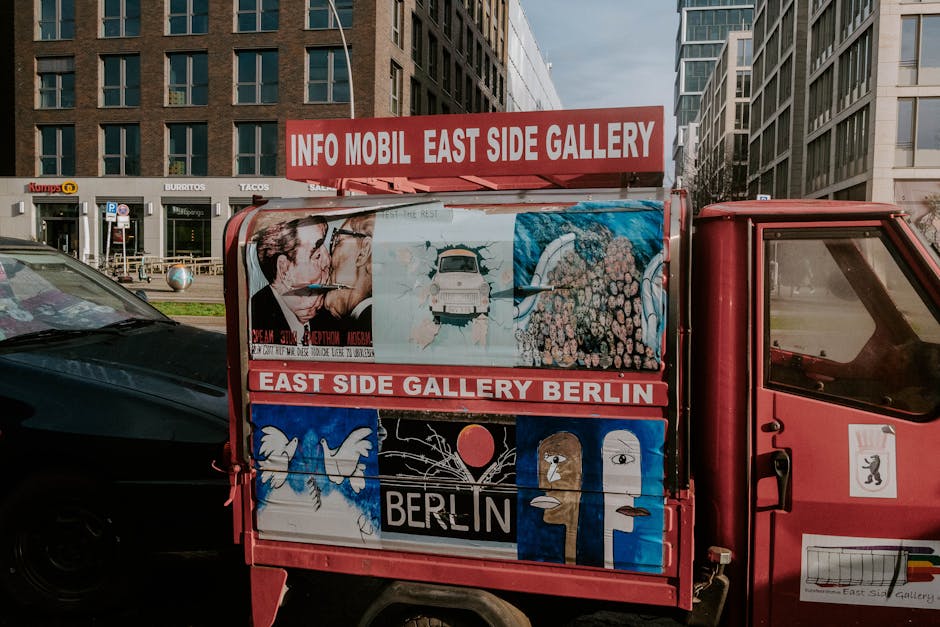
The Berlin Wall Memorial and Bernauer Straße
The Berlin Wall Memorial offers the most comprehensive look at the city’s divided past. Located on Bernauer Straße, it includes a preserved section of the Wall, a documentation center, and a viewing platform. You can see the “death strip” as it once was—complete with guard towers and raked sand to detect footprints.
Walk the full 1.4-kilometer memorial route to understand the scale of division. The site includes stories of escape attempts, including tunnels and hidden compartments in cars. It’s sobering, educational, and essential for any urban explorer interested in Cold War history.
Teufelsberg: The Spy Station on a Man-Made Hill
Perched on a hill of WWII rubble, Teufelsberg is an abandoned Cold War listening station built by the U.S. to intercept Soviet communications. Today, it’s a surreal ruin covered in graffiti and open for guided tours. The views from the top span across West Berlin, and the decaying radar domes create an eerie, post-apocalyptic atmosphere.
Access requires a ticket and guided tour—no solo exploration allowed. Wear sturdy shoes and bring a flashlight. The site is unstable in places, and safety is a priority. Still, it’s one of the most unique urban exploration sites in Europe.
Tempelhof Airport: From Runway to Public Park
Tempelhof Airport ceased operations in 2008, but its vast runways and terminal building remain. The airfield is now a public park where locals bike, skate, and picnic. The terminal, with its massive Nazi-era architecture, is occasionally open for exhibitions and events.
Walking the perimeter fence offers glimpses into the building’s cavernous interior. Urban explorers should note that entering the terminal without permission is illegal. However, the surrounding park provides ample space to reflect on how cities repurpose monumental infrastructure.
Street Art and Graffiti Hotspots
RAW-Gelände and Revaler Straße
RAW-Gelände in Friedrichshain is a street art mecca. The entire complex is covered in murals, stencils, and installations. New works appear weekly, so no two visits are the same. Nearby Revaler Straße features large-scale pieces by local and international artists.
For the best experience, visit during daylight hours. Many artists paint in the early morning, and you might catch them at work. Always ask before photographing people. Respect the space—this isn’t a gallery; it’s a living community.
Graffiti Tours in Kreuzberg
Several local guides offer street art tours in Kreuzberg, focusing on the political and cultural context behind the art. These tours often include stops at lesser-known alleys and explain the symbolism in pieces that might otherwise go unnoticed.
One popular route starts at Kottbusser Tor and winds through side streets like Adalbertstraße. You’ll see everything from anti-gentrification messages to tributes to Turkish immigrants. It’s a powerful way to understand Berlin’s social fabric.
Public Transportation: Your Urban Explorer’s Toolkit
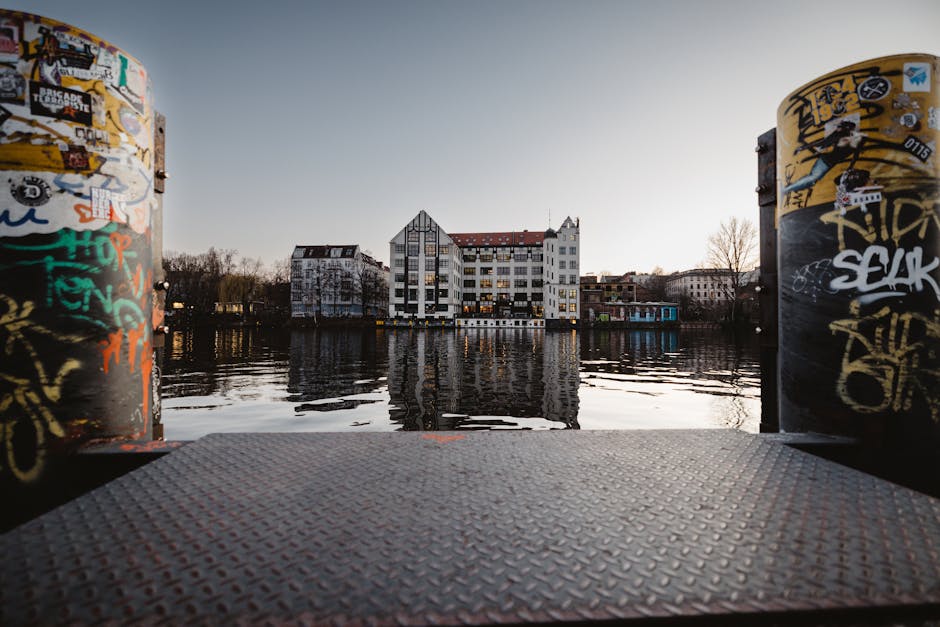
Berlin’s public transit system is efficient, affordable, and essential for urban explorers. The U-Bahn (subway), S-Bahn (urban rail), buses, and trams connect every district. A single ticket (€3.00 as of 2024) allows transfers within two hours.
Buy a day pass (€9.50) if you plan to move between neighborhoods. The Berlin WelcomeCard offers unlimited travel and discounts at museums and attractions. Download the BVG app for real-time schedules and route planning.
Night buses and the N-line S-Bahn keep the city connected after midnight. Trains run every 10–20 minutes, so you’re never stranded. Always validate your ticket before boarding—fines for invalid tickets are steep.
Safety Tips for Urban Explorers
Berlin is generally safe, but urban exploration requires caution. Stick to well-lit, populated areas at night. Avoid abandoned buildings unless part of a guided tour—many are unstable or monitored.
Respect private property. Climbing fences or entering restricted zones can lead to fines or confrontation. If a space feels off-limits, it probably is. Use common sense and prioritize safety over the perfect photo.
Carry a charged phone and let someone know your route. In emergencies, dial 112 for police, fire, or medical help. Most locals speak some English, but learning basic German phrases like “Entschuldigung” (excuse me) goes a long way.
Where to Eat Like a Local
Street Food and Markets
Berlin’s food scene is as diverse as its neighborhoods. Start at Markthalle Neun in Kreuzberg, a historic market hall with food stalls serving everything from currywurst to vegan doner. Thursday night street food markets are especially lively.
For a quick bite, try a döner kebab from Mustafa’s Gemüse Kebap—a local legend near Ostkreuz station. Or grab a Berliner (jam doughnut) from a bakery like Zeit für Brot. Avoid touristy areas near Alexanderplatz for better quality and prices.
Hidden Cafes and Rooftop Bars
Berlin rewards those who wander. Look for unmarked doors or staircases leading to rooftop bars like Klunkerkranich in Neukölln. Perched atop a shopping center, it offers panoramic views and a relaxed vibe.
In Mitte, Café im Literaturhaus is a quiet retreat with bookshelves and garden seating. In summer, many cafes open hidden courtyards—ask staff for directions. These spaces offer a break from the urban rush without leaving the city.
Day Trips for the Curious Explorer
Potsdam: Imperial Palaces and Dutch Quarter
Just 30 minutes by S-Bahn, Potsdam offers a contrast to Berlin’s grit. The city is known for its UNESCO-listed palaces and gardens, but urban explorers will appreciate the Dutch Quarter—a cluster of red-brick houses built in the 18th century.
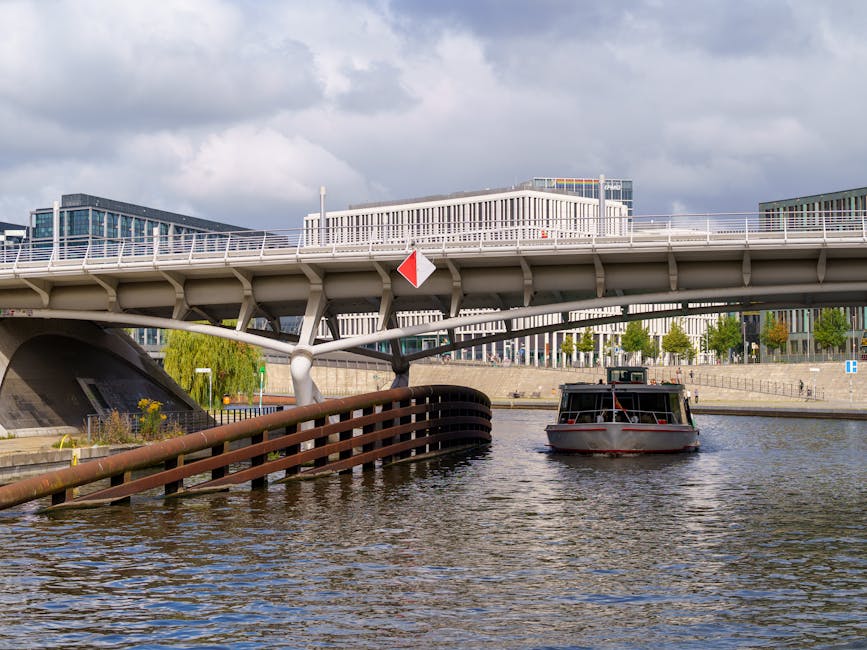
Walk along the Havel River to see the Glienicke Bridge, once used for spy exchanges. The surrounding parks are perfect for quiet reflection. Return to Berlin by train in the evening.
Spreewald: Canals and Traditional Villages
For a different kind of exploration, take a train to Lübbenau in the Spreewald region. This network of canals and villages feels like a different country. Rent a punt (flat-bottomed boat) and glide through quiet waterways lined with willow trees.
The area is known for pickled gherkins and traditional thatched houses. It’s peaceful, scenic, and a reminder that urban exploration doesn’t always mean concrete and steel.
Packing Essentials for Your Berlin Adventure
Pack light but smart. Comfortable walking shoes are non-negotiable—Berlin is best explored on foot. Bring a reusable water bottle; public fountains are common and safe to drink from.
A small backpack, portable charger, and weather-appropriate layers are essential. Rain can arrive quickly, even in summer. A compact umbrella or lightweight jacket saves the day.
Download offline maps and translation apps. While many Berliners speak English, having a backup helps in quieter neighborhoods. A notebook or sketchpad can capture observations—many explorers find it enhances the experience.
Final Tips for a Successful Urban Exploration
Berlin rewards patience and curiosity. Don’t rush from one landmark to the next. Instead, linger in neighborhoods, talk to locals, and follow your instincts. Some of the best discoveries happen off the beaten path.
Respect the city’s rhythm. Mornings are quiet, afternoons buzz with activity, and evenings come alive with music and conversation. Time your explorations to match the energy you seek.
Finally, leave no trace. Berlin’s beauty lies in its authenticity. Help preserve it by taking only photos and leaving only footprints.
FAQ
Is it safe to explore Berlin’s abandoned buildings?
Only explore abandoned sites that are open to the public or part of guided tours. Many structures are unstable or privately owned. Unauthorized entry can result in fines or injury.
What’s the best time of year for urban exploration in Berlin?
Late spring (May–June) and early autumn (September–October) offer mild weather and long daylight hours. Summer is busy but ideal for outdoor activities. Winter exploration is possible but requires warm clothing and caution on icy paths.
Do I need to speak German to explore Berlin?
No. Most Berliners speak basic English, especially in central areas. Learning a few German phrases improves interactions, but it’s not required. Translation apps and maps help bridge any gaps.