
Ultimate Travel Tips for Smarter Vacation Planning
Planning a vacation doesn’t have to be overwhelming. With the right strategies, you can save money, avoid common pitfalls, and create a trip that’s both enjoyable and stress-free. These ultimate travel tips for smarter vacation planning cover everything from budgeting and booking to packing and navigating destinations like a pro. Whether you’re heading to a tropical beach, a bustling city, or a remote mountain retreat, these practical steps will help you travel smarter—not harder.
Start with a Realistic Budget
Before you book anything, define your total trip budget. Include flights, lodging, meals, transportation, activities, and a 10–15% buffer for unexpected costs. A clear budget prevents overspending and helps you prioritize what matters most.
Use budgeting tools like Google Sheets or apps such as Trail Wallet to track expenses in real time. Compare destination costs using resources like Numbeo to avoid surprises. For example, a week in Lisbon may cost half as much as the same duration in Paris—without sacrificing culture or comfort.
Book Flights Strategically
Airfare often consumes the largest portion of a travel budget. To get the best deals, be flexible with dates and airports. Flying midweek (Tuesday or Wednesday) and avoiding peak seasons can reduce costs significantly.
Set price alerts on Google Flights or Skyscanner. These tools notify you when fares drop for your desired route. Booking 6–8 weeks in advance typically yields the lowest prices for domestic flights, while international trips may require earlier planning.
Choose Accommodations Wisely
Hotels aren’t your only option. Consider vacation rentals, hostels, or boutique guesthouses depending on your travel style and group size. Platforms like Airbnb and Vrbo often offer more space and kitchen access, which can cut food costs.
Read recent reviews and check the location on a map. A cheap hotel in a noisy or unsafe area isn’t a bargain. Look for places near public transit or within walking distance of key attractions to save on transportation.
Plan Your Itinerary—But Stay Flexible
A well-structured itinerary helps you make the most of your time, but over-scheduling leads to burnout. Aim to plan 1–2 major activities per day, leaving room for spontaneity, rest, or local discoveries.
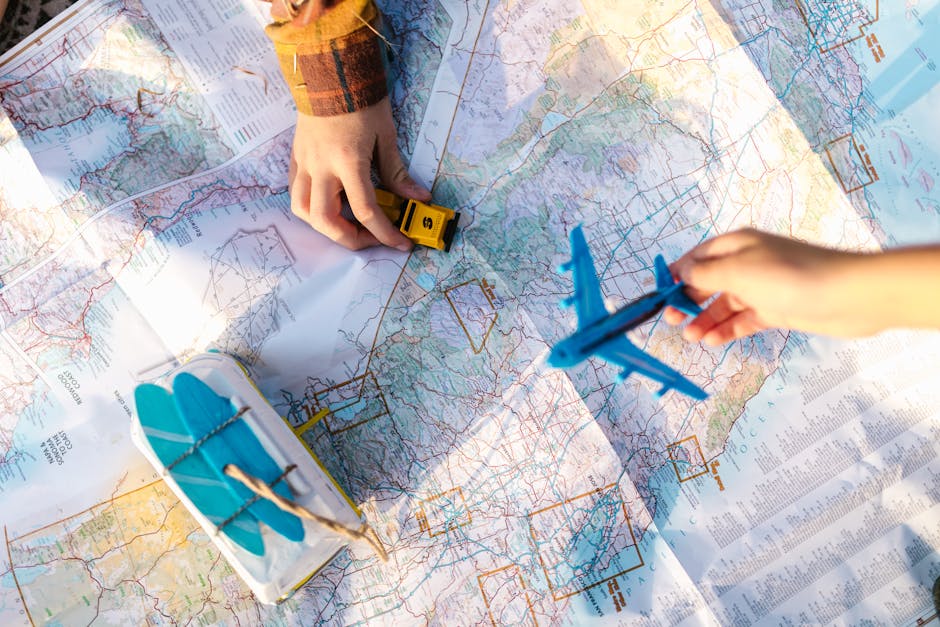
Use tools like Google My Maps to plot your daily routes. This visual planning reduces travel time between sites and helps you cluster nearby attractions. For instance, grouping the Louvre, Tuileries Garden, and Musée d’Orsay into one Parisian day makes sense geographically.
Prioritize Experiences Over Sightseeing
Instead of rushing to tick off every landmark, focus on meaningful experiences. A cooking class in Tuscany, a sunrise hike in Bali, or a local market tour in Marrakech often leave deeper impressions than checking off monuments.
Research free or low-cost activities. Many cities offer free walking tours, museum free-entry days, or public festivals. These options stretch your budget while offering authentic cultural insights.
Leave Room for Downtime
Travel fatigue is real. Schedule at least one relaxed day per week—whether it’s lounging by the pool, reading in a café, or simply wandering without a plan. Downtime improves mood, reduces stress, and makes the trip more enjoyable overall.
If you’re traveling with kids or older adults, build in even more flexibility. Over-scheduling can lead to meltdowns or exhaustion, especially in hot or crowded destinations.
Pack Smart and Light
Overpacking slows you down and increases the risk of lost luggage. Stick to a carry-on if possible—many budget airlines charge high fees for checked bags, and you’ll avoid baggage claim delays.
Use packing cubes to organize clothes and compress items to save space. Roll clothes instead of folding to reduce wrinkles and maximize suitcase real estate. A capsule wardrobe with mix-and-match pieces works best for most trips.
Essential Items to Never Forget
Always pack a portable charger, universal adapter, reusable water bottle, and basic first-aid kit. Keep digital copies of your passport, visa, and travel insurance in your phone and email.
Bring a lightweight daypack for daily excursions. It’s useful for carrying water, snacks, maps, and souvenirs without hauling your main bag everywhere.
Know Airline Baggage Policies
Each airline has different size and weight limits for carry-ons. Check these before packing to avoid gate-check fees or last-minute repacking. Southwest, for example, allows one carry-on and one personal item at no extra cost, while budget carriers like Ryanair enforce strict dimensions.
Weigh your bag at home using a luggage scale. This simple step prevents surprises at the airport and keeps you within limits.
Save on Food and Dining
Dining out for every meal adds up quickly. Mix restaurant meals with grocery shopping, street food, and picnics. In cities like Barcelona or Bangkok, street food is not only affordable but also delicious and authentic.
Visit local markets for fresh produce, bread, and snacks. A simple breakfast of fruit, yogurt, and pastries from a market stall costs a fraction of a hotel buffet.
Drink Responsibly (and Economically)
Alcohol can inflate your food budget fast. Limit drinks at restaurants and opt for house wine or local beer, which are usually cheaper than imported options. In some destinations, tap water is safe—carry a filter bottle to avoid buying plastic.
Many hotels and hostels offer free breakfast. Take advantage of it to fuel up before a day of exploring. Even a basic spread can save $15–$25 per person per day.
Stay Connected Without Breaking the Bank

Roaming charges can skyrocket if you’re not careful. Before traveling, check if your phone plan includes international data. If not, consider buying a local SIM card at your destination.
In countries like Thailand or India, SIM cards are inexpensive and widely available at airports. They offer fast data and local calling rates. Alternatively, use Wi-Fi whenever possible—most cafes, hotels, and public spaces offer free access.
Download Offline Maps and Translation Tools
Google Maps allows you to download maps for offline use. This is invaluable in areas with poor signal or high data costs. Pair it with translation apps like Google Translate, which work offline for major languages.
Save key phrases in the local language. Even basic greetings like “hello,” “thank you,” and “how much?” go a long way in building rapport with locals.
Protect Yourself and Your Trip
Travel insurance is non-negotiable for international trips. It covers medical emergencies, trip cancellations, lost luggage, and flight delays. Compare plans on sites like Squaremouth or InsureMyTrip to find one that fits your needs and budget.
Check your credit card benefits—some include travel insurance, rental car coverage, or purchase protection. Just make sure the coverage is sufficient and understand the terms.
Keep Important Documents Safe
Carry physical copies of your passport, visa, and insurance policy. Store digital versions in a secure cloud service like Google Drive or iCloud. Never rely solely on your phone, which could be lost or damaged.
Leave a copy with a trusted friend or family member at home. In case of emergency, they can assist with replacements or documentation.
Be Aware of Local Scams
Tourist-heavy areas often attract scammers. Common tactics include fake petitions, distraction theft, or overcharging for services. Stay alert in crowded places like train stations, markets, and popular landmarks.
Research common scams for your destination beforehand. For example, in Rome, be cautious of “friendly” strangers offering to tie a bracelet on your wrist—then demanding payment.
Use Technology to Your Advantage
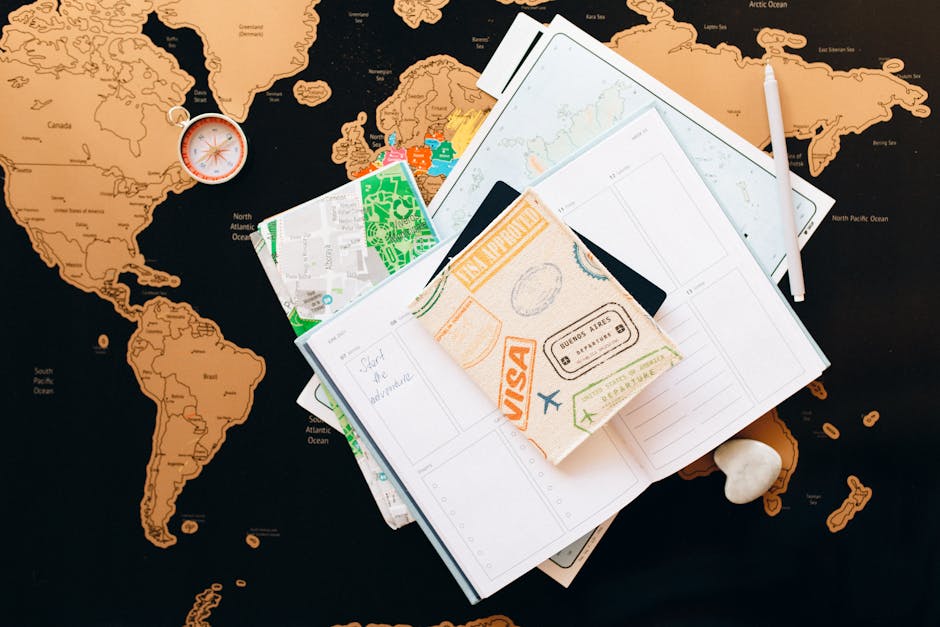
Apps and tools can streamline every stage of travel planning. Use TripIt to organize your itinerary—it automatically imports confirmation emails and creates a master schedule.
Currency converters like XE help you understand local prices instantly. Time zone apps prevent missed calls or reservations. And ride-sharing apps like Uber or Bolt are often cheaper and safer than unmarked cabs.
Automate Reminders and Alerts
Set calendar alerts for check-in times, visa deadlines, and vaccination requirements. Missing a flight due to a forgotten online check-in is avoidable with a simple reminder.
Enable notifications from your airline and accommodation providers. They’ll alert you to gate changes, delays, or booking updates in real time.
Travel Sustainably
Responsible travel benefits both the planet and local communities. Choose eco-friendly accommodations, support local businesses, and minimize single-use plastics.
Walk, bike, or use public transit instead of renting a car. In cities like Amsterdam or Copenhagen, bike rentals are affordable and efficient. When flying is necessary, consider carbon offset programs offered by airlines or third-party providers.
Respect Local Culture and Customs
Dress appropriately, follow local etiquette, and learn basic greetings. In temples or religious sites, remove shoes and cover shoulders and knees. In Japan, bowing is a sign of respect—small gestures make a big difference.
Avoid overtourism by visiting lesser-known neighborhoods or traveling during shoulder seasons. You’ll enjoy fewer crowds, lower prices, and a more authentic experience.
Prepare for the Unexpected
Even the best-laid plans can go awry. Flights get delayed, weather changes, or a favorite restaurant is closed. Build flexibility into your mindset and itinerary.
Carry a small emergency kit with pain relievers, band-aids, hand sanitizer, and a multi-tool. Keep emergency contacts handy, including your country’s embassy or consulate in the destination country.
Know Your Rights as a Traveler
Understand airline passenger rights, especially regarding delays and cancellations. In the EU, for example, you may be entitled to compensation for long delays. Know what your travel insurance covers and how to file a claim.
If something goes wrong, stay calm and document everything—photos, receipts, and written accounts. This strengthens your case when seeking refunds or assistance.
FAQ
How far in advance should I book my vacation?
For international trips, aim to book flights 2–3 months ahead. Domestic trips can often be booked 6–8 weeks in advance. Accommodations and popular tours may require earlier reservations, especially during peak seasons.
What’s the best way to save money on travel?
Be flexible with dates and destinations, use price alerts, cook some meals, and avoid tourist traps. Traveling during shoulder seasons (spring and fall) often offers the best balance of good weather and lower prices.
Do I really need travel insurance?
Yes, especially for international travel. It protects against medical emergencies, trip cancellations, and lost belongings. Even for domestic trips, consider it if you’ve prepaid for non-refundable expenses.