
Ultimate Food and Culinary Travel Guide to Food Markets
Food markets are the beating heart of any culinary destination. They offer authentic flavors, local ingredients, and a firsthand look at how communities eat, cook, and connect. Whether you’re wandering through Bangkok’s bustling night bazaars or exploring the artisanal stalls of Barcelona’s La Boqueria, food markets provide an immersive experience that restaurants often can’t match. This guide helps travelers navigate the world’s best food markets with confidence, offering practical tips, cultural insights, and must-visit recommendations to make every bite count.
Why Food Markets Belong on Every Traveler’s Itinerary
Food markets are more than places to eat—they’re cultural hubs. You’ll find regional specialties, seasonal produce, and family recipes passed down through generations. Unlike tourist-focused eateries, markets reflect daily life. Vendors often source ingredients locally, supporting small farms and sustainable practices.
Markets also offer better value. Meals are typically cheaper than in restaurants, and you can sample multiple dishes without overcommitting. A single visit might include fresh seafood in Lisbon, spiced flatbread in Marrakech, or tropical fruit in Ho Chi Minh City—all in one afternoon.
Authenticity Over Attractions
Tourist traps often mimic local cuisine with diluted flavors. Markets, by contrast, serve food as locals eat it. In Tokyo’s Tsukiji Outer Market, chefs shop for sashimi-grade tuna at dawn. In Mexico City’s Mercado de la Merced, families line up for handmade tamales at 7 a.m.
This authenticity extends beyond taste. You’ll hear native languages, observe cooking techniques, and see how ingredients are stored, displayed, and prepared. These details reveal deeper cultural values—respect for freshness, seasonality, and communal dining.
Supporting Local Economies
Eating at markets puts money directly into the hands of small vendors, farmers, and artisans. Unlike chain restaurants, market stalls rarely franchise. Your spending supports individuals, not corporations.
Many markets also fund community initiatives. Istanbul’s Spice Bazaar, for example, has historically supported local schools and mosques. By choosing to eat there, travelers contribute to ongoing cultural preservation.
Top Food Markets Around the World
From Asia to Europe, Africa to the Americas, food markets reflect regional identity. Here are some standout destinations that offer exceptional variety, flavor, and atmosphere.
Asia: Vibrant, Spicy, and Unmissable
Bangkok’s Chatuchak Weekend Market isn’t just for antiques. Its food section serves pad thai cooked over charcoal, mango sticky rice, and coconut ice cream in handmade cones. Arrive hungry and pace yourself—there are over 15,000 stalls.
In Osaka, Kuromon Ichiba Market is nicknamed “Osaka’s Kitchen.” Try grilled scallops with butter, fresh uni (sea urchin), and matcha-flavored sweets. Most vendors accept cash only, so come prepared.
Singapore’s Maxwell Food Centre offers a mix of hawker-style dishes. Tian Tian Hainanese Chicken Rice is legendary—arrive early to avoid long lines. The market is clean, efficient, and open late, making it ideal for night owls.
Europe: Tradition Meets Innovation
Barcelona’s La Boqueria sits just off Las Ramblas. It’s touristy, but worth visiting for its jamón ibérico, fresh juices, and seafood tapas. Go before 11 a.m. to beat the crowds and see vendors setting up.
London’s Borough Market is a favorite among chefs. Sample artisanal cheeses, sourdough bread, and wild boar sausages. The market hosts cooking demos on weekends, offering tips on pairing local wines with regional dishes.
Marseille’s Marché aux Poissons specializes in seafood. Watch fishmongers clean sardines and octopus while sampling oysters shucked to order. It’s less polished than Parisian markets but far more authentic.
Americas: Bold Flavors and Diverse Influences
Mexico City’s Mercado de San Juan is a gourmet’s paradise. You’ll find exotic ingredients like huitlacoche (corn fungus) and chapulines (grasshoppers). Try tacos de chapulines—crispy, salty, and surprisingly addictive.
In New York, Chelsea Market blends food hall convenience with local charm. The Lobster Place serves fresh seafood rolls, while L’Arte del Gelato offers rotating flavors like pistachio and black sesame. Weekday mornings are quietest.
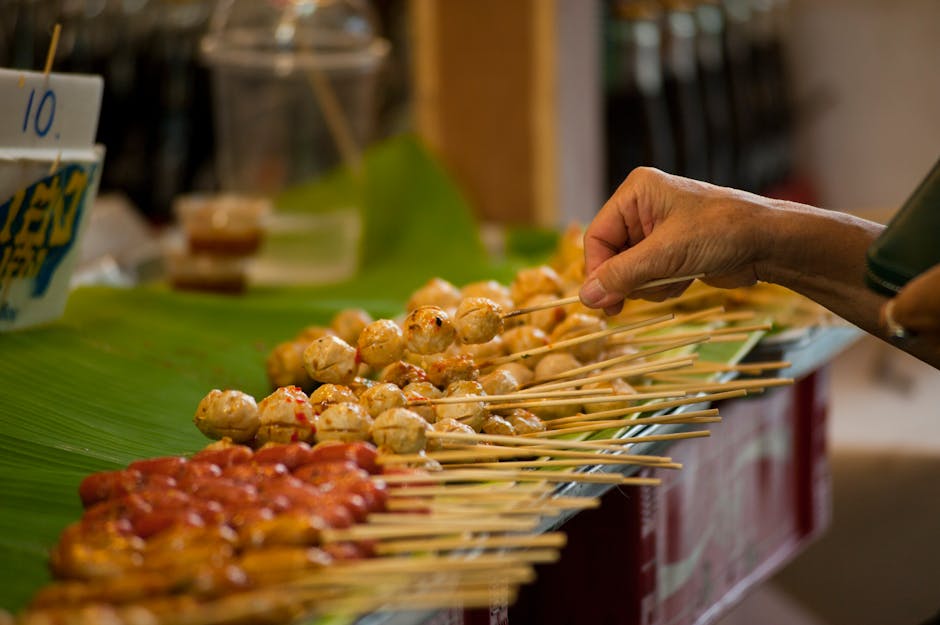
Lima’s Mercado de Surquillo highlights Peruvian biodiversity. Sample ceviche made with tiger’s milk, purple corn drinks, and Andean potatoes in dozens of varieties. Vendors often offer samples—don’t hesitate to ask.
Africa and the Middle East: Spices, Grains, and Tradition
Marrakech’s Jemaa el-Fnaa transforms at sunset. By day, it’s a square with snake charmers. By night, it becomes a food market with sizzling grills and orange juice stalls. Try harira soup and msemen (fried flatbread).
Istanbul’s Spice Bazaar, also known as the Egyptian Bazaar, overflows with saffron, sumac, and Turkish delight. Vendors often brew tea to entice customers—accept it as part of the experience.
Cape Town’s Neighbourgoods Market operates on weekends in a converted warehouse. It’s modern and curated, featuring craft beer, vegan bao buns, and South African biltong. Ideal for travelers seeking a relaxed, trendy vibe.
How to Navigate a Food Market Like a Local
Walking into a bustling food market can be overwhelming. Use these strategies to eat well, stay safe, and respect local customs.
Timing Is Everything
Arrive early for the freshest selection. In many Asian markets, the best seafood and produce sell out by mid-morning. In Europe, lunch hours (12–2 p.m.) are peak times—expect crowds but lively energy.
Avoid visiting during local siesta hours, especially in Mediterranean countries. Many stalls close between 2 and 4 p.m., leaving you with limited options.
Cash Is King
Most market vendors don’t accept credit cards. Carry small bills and coins to avoid overpaying. In countries like Thailand or Morocco, haggling is common—politely negotiate for packaged goods, but not for prepared food.
Check exchange rates before arriving. Some vendors accept foreign currency, but may give poor rates. Withdraw local cash from ATMs near the market for the best value.
Observe Before You Eat
Look for stalls with high turnover. Long lines of locals usually mean quality and freshness. Avoid food that’s been sitting in the open for hours, especially in hot climates.
Watch how food is handled. Are gloves used? Is raw meat separated from cooked items? These details matter for food safety.
Ask Questions (Politely)
Learn a few key phrases in the local language: “What do you recommend?” or “Is this spicy?” Vendors appreciate the effort and often offer samples or cooking tips.
If you have dietary restrictions, carry a translated card explaining your needs. In markets with language barriers, this prevents misunderstandings.
Food Safety Tips for Market Travelers
Eating street food is generally safe, but risks exist. Follow these guidelines to protect your health without sacrificing experience.
Choose Cooked Over Raw
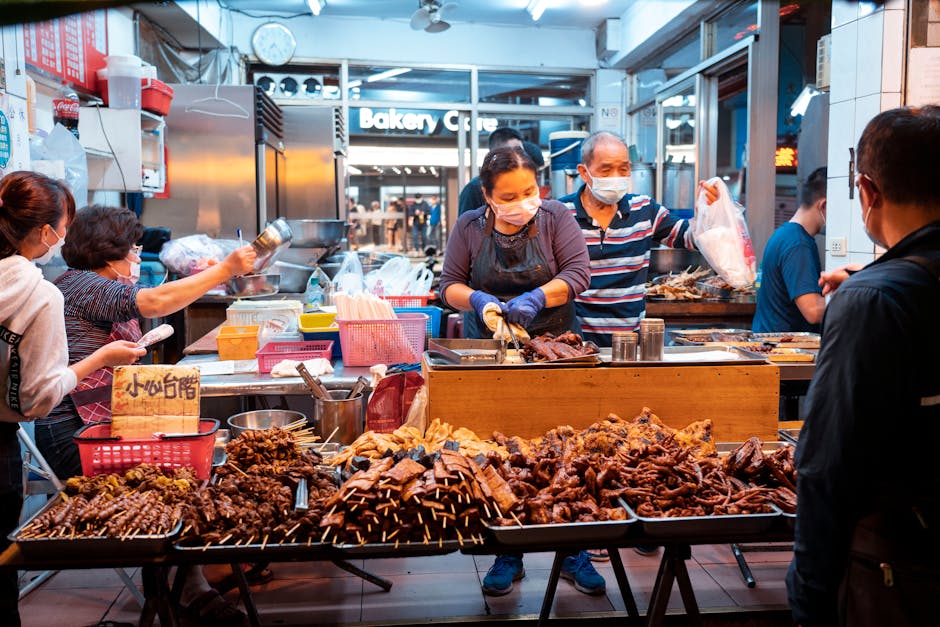
Opt for foods served hot and freshly cooked. Grilled meats, steamed buns, and stir-fried noodles are safer than raw salads or unpasteurized dairy.
In tropical climates, avoid ice unless you’re sure it’s made from purified water. Stick to bottled or boiled beverages.
Wash Hands and Use Sanitizer
Public restrooms may be limited. Carry hand sanitizer and use it before eating. If possible, eat with utensils or bread instead of your hands.
Avoid touching your face while browsing. Markets can be crowded, and surfaces may not be sanitized frequently.
Know Your Limits
Start with small portions. Your stomach may not be used to local spices or oils. Overeating can lead to discomfort, especially in hot weather.
If you feel unwell, stop eating and rest. Most foodborne illnesses resolve within 24–48 hours. Stay hydrated and avoid alcohol until symptoms pass.
What to Bring and What to Avoid
Packing the right items makes market visits smoother. Overpreparing can weigh you down—pack light but smart.
Essential Items
Bring a reusable water bottle with a filter. Many markets have refill stations, and this reduces plastic waste.
Carry a small backpack or tote bag for purchases. Some vendors don’t provide bags, and you may want to buy spices, snacks, or souvenirs.
A compact umbrella or foldable rain jacket is useful in cities with unpredictable weather, like London or Tokyo.
What Not to Bring
Avoid flashy jewelry or large amounts of cash. Markets can be crowded, making them targets for pickpockets. Keep valuables hidden and use a money belt if needed.
Don’t bring outside food or drinks. Most markets prohibit this, and it’s considered disrespectful to vendors.
Cultural Etiquette at Food Markets
Every culture has unspoken rules. Respecting them enhances your experience and shows appreciation for local traditions.
Photography Guidelines
Always ask before photographing people or their stalls. In some cultures, pointing a camera at someone is intrusive. A simple smile and nod often suffice.
Avoid using flash, especially in dimly lit markets. It can disturb vendors and customers.
Tipping Practices
In many countries, tipping isn’t expected at food stalls. In the U.S., rounding up or leaving small change is appreciated. In Japan, tipping can be seen as rude—service is included in the price.
When in doubt, observe what locals do. If others aren’t tipping, you likely don’t need to either.
Dress Appropriately
Cover shoulders and knees in conservative regions like the Middle East or parts of Southeast Asia. Even in casual markets, modest dress shows respect.
Wear comfortable shoes. Markets often involve standing, walking on uneven surfaces, and navigating narrow aisles.
Making the Most of Your Market Visit
Turn a simple meal into a memorable experience with these strategies.
Take a Guided Food Tour
Local guides know the best stalls and hidden gems. They explain ingredients, share stories, and help with language barriers. Tours often include tastings and cooking tips.
Look for small-group or walking tours run by food bloggers or chefs. Avoid large bus tours—they move too quickly and skip authentic spots.
Keep a Food Journal
Note down dishes you try, ingredients you discover, and vendors you enjoy. This helps you remember favorites and recreate dishes at home.
Include photos, receipts, or packaging. Over time, this becomes a personal culinary travelogue.
Buy Local Ingredients to Take Home
Many markets sell spices, sauces, and packaged goods safe for international travel. Turkish delight, Mexican mole paste, or Japanese dashi powder make great souvenirs.
Check customs regulations before packing food. Some countries restrict dairy, meat, or fresh produce.
FAQ
What should I eat first at a new food market?
Start with something familiar but local—like a regional sandwich or grilled meat. This helps your palate adjust. Then move on to bolder dishes like fermented foods or spicy soups.
Is it safe to eat raw food at markets?
It depends on the location and hygiene practices. In countries with strong food safety standards, raw dishes like ceviche or sashimi are generally safe. In areas with limited refrigeration, stick to cooked options.
How much money should I bring to a food market?
Plan for $10–$20 per person for a full meal with drinks and snacks. Bring extra for souvenirs or unexpected finds. Always carry small denominations for easier transactions.