
Best Adventure Travel Ideas for Snowy Mountain Days
When snow blankets mountain peaks and crisp air fills your lungs, adventure takes on a new dimension. The best adventure travel ideas for snowy mountain days combine physical challenge, natural beauty, and unforgettable experiences—whether you’re gliding down powdery slopes, trekking through silent forests, or soaking in alpine hot springs. From high-altitude ski resorts to remote backcountry trails, snowy mountains offer diverse opportunities for thrill-seekers and nature lovers alike. This guide covers top destinations, activities, and practical tips to help you plan a safe, exciting winter mountain getaway.
Top Snowy Mountain Destinations for Adventure Travel
Choosing the right mountain region sets the tone for your entire trip. Some locations offer world-class infrastructure and guided tours, while others reward solitude and raw wilderness. Consider your skill level, travel preferences, and desired activities when selecting a destination.
Swiss Alps, Switzerland
The Swiss Alps are legendary for their well-maintained ski resorts, panoramic views, and efficient transportation. Resorts like Zermatt and St. Moritz offer everything from beginner slopes to extreme off-piste terrain. Beyond skiing, you can try snowshoeing through the Lauterbrunnen Valley or take a scenic train ride on the Glacier Express.
Switzerland’s emphasis on safety and accessibility makes it ideal for families and first-time winter travelers. However, peak season (December to February) brings crowds and higher prices. Booking accommodations and lift tickets in advance is strongly recommended.
Rocky Mountains, USA and Canada
From Colorado’s Vail and Aspen to British Columbia’s Whistler Blackcomb, the Rockies deliver vast terrain and reliable snowfall. These regions support a wide range of activities, including cross-country skiing, ice climbing, and snowmobiling.
National parks like Banff and Rocky Mountain offer backcountry experiences for those seeking solitude. Always check avalanche conditions and carry proper safety gear when venturing off marked trails. Guided tours are available for beginners and provide valuable local knowledge.
Hokkaido, Japan
Hokkaido is famous for its light, dry powder snow—some of the best in the world. Resorts like Niseko and Furano attract skiers and snowboarders from across the globe. The island’s volcanic landscapes also feature natural hot springs, or onsen, perfect for post-adventure relaxation.
Winter festivals, such as the Sapporo Snow Festival, add cultural depth to your trip. English signage is common in tourist areas, but learning a few basic Japanese phrases can enhance your experience.
The Himalayas, Nepal and India
For high-altitude adventure, the Himalayas offer unmatched grandeur. While Everest Base Camp is a major draw, regions like Manali in India and Langtang in Nepal provide excellent trekking with fewer crowds.
Acclimatization is critical at these elevations. Most treks require permits and local guides. Winter conditions can be harsh, so proper gear and physical preparation are essential. This destination suits experienced adventurers seeking a true wilderness challenge.
Must-Try Winter Mountain Activities
Snowy mountains aren’t just for skiing. A range of activities caters to different interests and fitness levels. Mixing activities keeps your trip dynamic and allows you to experience the landscape from multiple perspectives.
Skiing and Snowboarding
These remain the most popular snowy mountain activities. Resorts typically offer rentals, lessons, and varied terrain. Beginners should start on groomed green runs, while experts can explore black diamond or backcountry zones.
Always wear a helmet and check your equipment before heading out. Lift lines can be long during holidays, so arrive early or consider midweek visits for shorter waits.
Snowshoeing
Snowshoeing provides a quiet, low-impact way to explore snowy forests and meadows. It requires minimal training and is accessible to most fitness levels. Many parks and resorts offer guided snowshoe tours with interpretive insights into local wildlife and ecology.
Rentals are widely available, and trails are often marked by difficulty. Bring layers, as activity generates heat quickly. A headlamp is useful for early morning or late afternoon hikes.
Ice Climbing
For adrenaline seekers, ice climbing turns frozen waterfalls and cliffs into vertical playgrounds. Destinations like Ouray, Colorado, and Hyalite Canyon, Montana, are renowned for their ice parks and guided courses.
This activity demands technical skill and proper safety training. Never attempt ice climbing without instruction or a certified guide. Helmets, crampons, ice axes, and harnesses are mandatory.
Snowmobiling
Snowmobiling covers more ground than hiking and offers thrilling speed across open terrain. Tours often include scenic stops and wildlife viewing opportunities. Popular areas include Yellowstone National Park and the Adirondacks in New York.
Operators provide vehicles and brief training, but riders should follow trail rules and avoid protected habitats. Noise and emissions can disturb wildlife, so choose eco-conscious tour companies when possible.
Dog Sledding
Experience the romance of mushing through snow-covered trails pulled by a team of sled dogs. Alaska, Finland, and Quebec offer authentic dog sledding experiences, often led by mushers who share stories of the sport’s heritage.
Most tours include a briefing on dog care and handling. Dress warmly, as you’ll be sitting still for extended periods. This activity is family-friendly and suitable for all ages.
Hot Springs and Saunas
After a day of exertion, soaking in natural hot springs is a rejuvenating ritual. Places like Iceland’s Blue Lagoon, Japan’s onsen, and Colorado’s Glenwood Springs combine geothermal warmth with mountain views.
Respect local customs—many onsen require bathing suits or nudity, depending on the facility. Avoid alcohol before entering, and limit soak time to prevent overheating.
Essential Gear and Preparation Tips
Proper preparation ensures safety and comfort in cold, high-altitude environments. Weather can change rapidly, and remote areas may have limited services. A well-planned packing list and itinerary make all the difference.
Layering for Cold Weather
Dressing in layers traps heat and allows you to adjust to changing conditions. Start with a moisture-wicking base layer, add an insulating mid-layer like fleece or down, and finish with a waterproof, breathable outer shell.
Avoid cotton, which retains moisture and increases the risk of hypothermia. Wool and synthetic fabrics are better choices. Don’t forget gloves, a warm hat, and a neck gaiter or scarf.
Footwear Matters
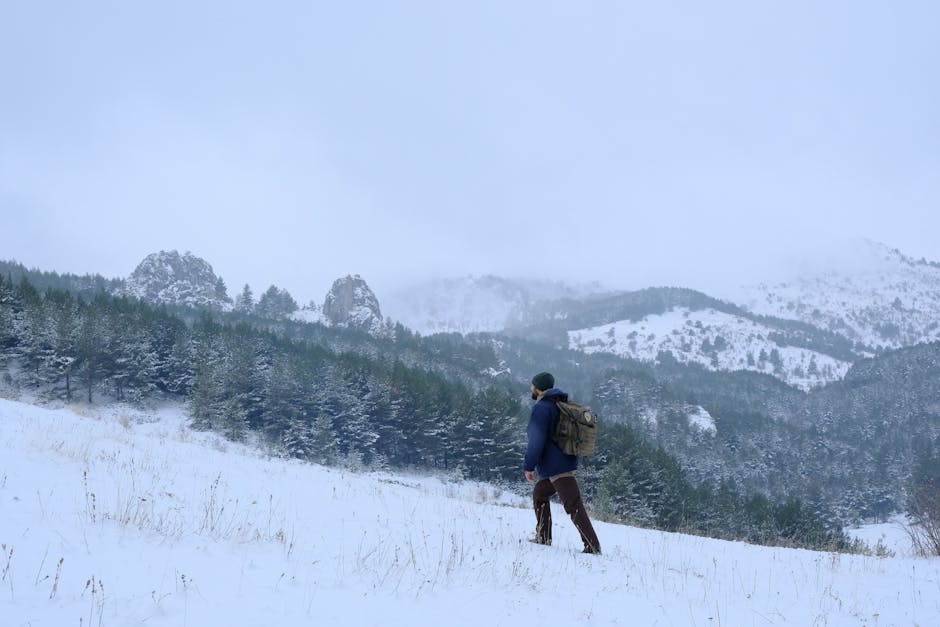
Insulated, waterproof boots are essential. For skiing or snowboarding, rent boots that fit snugly but allow circulation. For hiking or snowshoeing, choose boots with good ankle support and grippy soles.
Wool or synthetic socks prevent blisters and keep feet dry. Consider gaiters to keep snow out of your boots during deep powder or wet conditions.
Safety Equipment
Carry a backpack with essentials: water, high-energy snacks, a first-aid kit, headlamp, map, compass, and fully charged phone. In backcountry areas, an avalanche beacon, probe, and shovel are critical if traveling in avalanche terrain.
Inform someone of your plans and expected return time. Check weather forecasts and avalanche reports before heading out. Cell service is often limited in mountains, so download offline maps.
Altitude Awareness
High elevations can cause altitude sickness, with symptoms like headache, nausea, and dizziness. Ascend gradually when possible, stay hydrated, and avoid alcohol. Most people adjust within 24–48 hours.
If symptoms worsen, descend immediately. Medications like acetazolamide can help prevent altitude sickness but should be used under medical guidance.
Planning Your Snowy Mountain Adventure
A successful trip starts with thoughtful planning. Consider timing, budget, transportation, and local regulations. Flexibility is key—weather and conditions can shift quickly.
Best Time to Visit
Peak snow season varies by region. In the Northern Hemisphere, December to March offers the most reliable snow. January and February are typically coldest and snowiest, but also busiest.
Shoulder months like November and April may have fewer crowds and lower prices, but snow conditions can be less predictable. Research historical snowfall data for your destination.
Accommodation Options
Mountain lodges, ski-in/ski-out hotels, and vacation rentals provide convenient access to slopes and trails. Hostels and campgrounds offer budget-friendly alternatives, though camping in winter requires specialized gear.
Book early, especially during holidays and school breaks. Some resorts offer package deals that include lodging, lift tickets, and meals.
Transportation and Access
Many mountain destinations are remote and require careful travel planning. Flights to nearby airports, followed by shuttles or rental cars, are common. Public transit is available in regions like the Alps and Japan.
Check road conditions before driving. Chains or snow tires may be required. Parking at popular resorts can fill quickly, so arrive early or use park-and-ride services.
Local Guides and Tours
Hiring a local guide enhances safety and enriches your experience. Guides know the terrain, weather patterns, and hidden gems. They can also help with language barriers and cultural context.
Look for certified guides with training in wilderness first aid and avalanche safety. Read reviews and confirm credentials before booking.
Sustainable Adventure Travel in Snowy Mountains
Winter tourism can impact fragile mountain ecosystems. Responsible travel helps preserve these environments for future generations. Small choices add up to meaningful change.
Leave No Trace Principles
Pack out all trash, stay on designated trails, and avoid disturbing wildlife. Use established campsites and fire rings where permitted. Minimize noise to respect both nature and other visitors.
Dispose of human waste properly—some areas require portable toilets or catholes dug 6–8 inches deep and 200 feet from water sources.
Support Local Economies
Choose locally owned accommodations, restaurants, and tour operators. Purchasing handmade goods directly from artisans supports community livelihoods.
Avoid large international chains when smaller alternatives exist. Engage with locals respectfully and learn about regional traditions.
Eco-Friendly Gear and Practices
Rent gear when possible to reduce consumption. Choose companies that maintain equipment responsibly. When buying, opt for durable, repairable products over disposable alternatives.
Use public transportation or carpool to reduce emissions. Some resorts offer carbon offset programs for lift tickets or lodging.
Final Thoughts on Snowy Mountain Adventures
Snowy mountain days offer some of the most exhilarating and serene travel experiences on Earth. Whether you’re carving turns on a sunlit slope, trekking through a silent forest, or sipping tea beside a crackling fire in a mountain cabin, these moments create lasting memories.
Success comes from preparation, respect for nature, and a willingness to embrace the unexpected. Start with activities that match your skill level, invest in quality gear, and prioritize safety. With the right approach, your snowy mountain adventure can be both thrilling and deeply rewarding.
FAQ
What is the best time of year for snowy mountain travel?
The ideal time depends on your destination, but generally, December to March offers the most consistent snow and weather conditions in the Northern Hemisphere. January and February are peak season, while November and April may offer fewer crowds and lower prices with variable snow quality.
Do I need special insurance for winter mountain activities?
Yes, especially for high-risk activities like skiing, snowboarding, or backcountry trekking. Standard travel insurance often excludes extreme sports. Look for policies that cover medical evacuation, equipment loss, and trip cancellations due to weather.
Can beginners enjoy snowy mountain adventures?
Absolutely. Many resorts offer beginner-friendly slopes, guided snowshoe tours, and introductory lessons for activities like ice climbing and dog sledding. Start with low-risk options and gradually build skills and confidence.