
Best Food and Culinary Travel Escapes for Tasting Tours
Food lovers seeking authentic culinary experiences should consider traveling to destinations where local flavors, traditional cooking methods, and regional specialties come together. Exploring culinary travel escapes best food reveals important insights. The best food and culinary travel escapes offer more than just meals—they provide immersive tasting tours that connect travelers with culture, history, and community. From street food markets in Southeast Asia to vineyard-laced hills in Italy, these journeys satisfy both palate and curiosity. Whether you’re sampling fresh oysters in Brittany or learning to make handmade pasta in Emilia-Romagna, culinary travel turns dining into discovery.
Why Culinary Travel Is More Than Just Eating
Culinary travel goes beyond restaurant hopping. It’s about understanding how geography, climate, and tradition shape what ends up on your plate. Tasting tours often include visits to farms, markets, and kitchens where food is prepared using time-honored techniques.
These experiences foster deeper connections with local communities. You’re not just a tourist—you’re a participant. Cooking classes, foraging walks, and chef-led tastings allow you to engage with ingredients at every stage, from soil to spoon.
What Makes a Destination Ideal for Food Travel
Not all destinations are created equal when it comes to culinary tourism. The best spots share a few key traits: strong regional identity, access to fresh local ingredients, and a culture that values food as part of daily life.
Places like Oaxaca, Mexico, or Lyon, France, have built reputations around their food scenes. They offer structured tasting tours, knowledgeable guides, and a range of options from casual street eats to fine dining. Look for destinations with active food markets, seasonal festivals, and opportunities to interact with local producers.
Top Global Destinations for Tasting Tours
Certain regions consistently rank among the best for food-focused travel. Each offers a distinct flavor profile and unique culinary traditions worth exploring.
Italy: The Heart of Mediterranean Cuisine
Italy remains a top choice for food travelers. Regions like Tuscany, Piedmont, and Sicily each boast signature dishes and ingredients. In Tuscany, you can join a truffle-hunting tour in the hills near San Miniato or take a pasta-making class in Florence.
Sicily offers a blend of Arab, Greek, and Italian influences. Sample cannoli in Palermo, taste sun-ripened tomatoes in Catania’s markets, or sip Nero d’Avola wine in the vineyards of Mount Etna. Many agriturismi (farm stays) offer multi-course dinners featuring homegrown produce.
Japan: Precision, Seasonality, and Umami
Japan’s culinary scene is deeply rooted in seasonality and presentation. Kyoto is renowned for kaiseki, a multi-course meal that reflects the time of year. Tokyo, meanwhile, is a haven for sushi lovers and ramen enthusiasts.
Tasting tours in Japan often include visits to Tsukiji Outer Market, sake breweries in Nara, or tea ceremonies in Uji. For a hands-on experience, join a wagyu beef grading workshop in Kobe or learn to prepare matcha in a traditional tea house.
Thailand: Street Food and Regional Diversity
Thailand is a paradise for street food lovers. Bangkok’s night markets buzz with vendors selling pad Thai, mango sticky rice, and tom yum soup. But regional variations are just as compelling.
In Chiang Mai, northern Thai cuisine features dishes like khao soi, a coconut curry noodle soup. In the northeast, Isan food brings bold, spicy flavors with dishes such as som tam (green papaya salad) and larb (minced meat salad). Guided food tours often include transportation, translations, and access to hidden local spots.
Peru: A Fusion of Cultures on a Plate
Peru has emerged as a global culinary leader, blending Indigenous, Spanish, African, and Asian influences. Lima is the epicenter, home to world-class restaurants like Central and Maido.
Tasting tours in Peru might include a visit to a cevichería, a cooking class focused on Amazonian ingredients, or a market tour in Cusco. Don’t miss trying anticuchos (grilled beef heart) or lomo saltado, a stir-fry with Chinese roots. Many tours also incorporate visits to chicherías, where traditional corn-based beverages are served.
France: From Bistros to Bordeaux
France is synonymous with fine dining, but its regional food culture is equally rich. Lyon, often called the gastronomic capital, offers bouchons—cozy eateries serving rustic dishes like quenelles and andouillette.
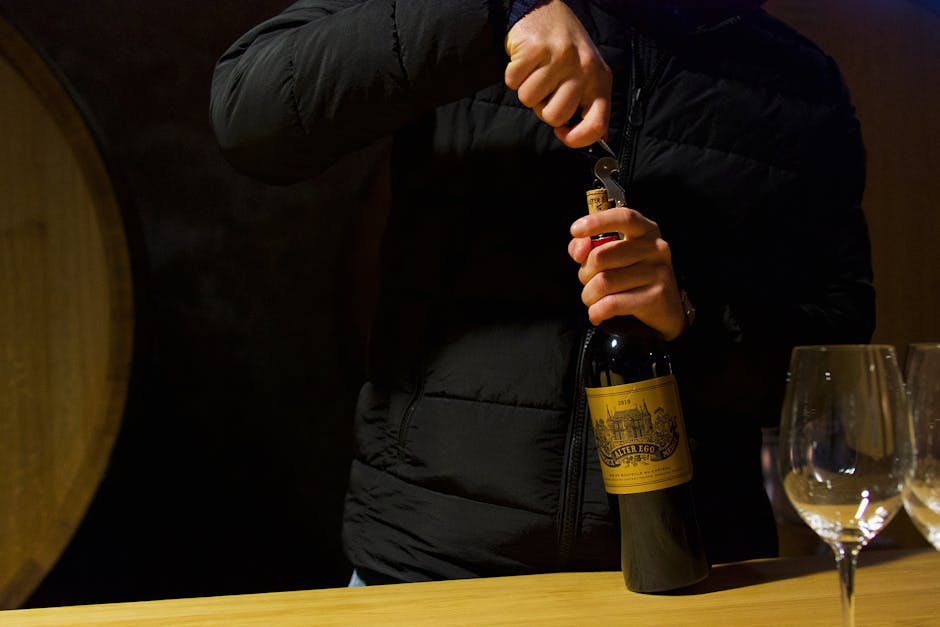
In Bordeaux, wine and food pairings are a highlight. Join a guided tasting tour through the Médoc vineyards, where you’ll sample Cabernet Sauvignon alongside local cheeses and charcuterie. The Loire Valley offers goat cheese tastings and riverfront picnics with freshly baked baguettes.
How to Choose the Right Tasting Tour
With so many options, selecting the right tour requires some planning. Start by identifying your interests: Are you drawn to cooking, wine, street food, or farm-to-table experiences?
Consider the pace and format. Some tours are half-day market walks, while others span multiple days and include accommodations. Group size matters too—smaller groups often allow for more interaction and personalized attention.
Key Factors to Evaluate
Look for tours led by local experts—chefs, food historians, or market vendors. Their insights add depth beyond what you’d get from a standard guidebook.
Check reviews on platforms like TripAdvisor or Google. Pay attention to comments about food safety, guide knowledge, and value for money. Avoid tours that seem overly commercial or rushed.
Also consider dietary needs. Many tours can accommodate vegetarians, gluten-free diets, or allergies, but it’s essential to confirm in advance.
Booking Tips
Book early, especially for popular destinations or seasonal events like truffle festivals or harvest seasons. Some tours fill up months in advance.
Compare prices and inclusions. A higher price doesn’t always mean better quality, but very low-cost tours may cut corners on food quality or guide expertise.
Use reputable platforms or local tourism boards to find verified operators. Direct booking with local companies can sometimes offer better rates and more authentic experiences.
What to Expect on a Tasting Tour
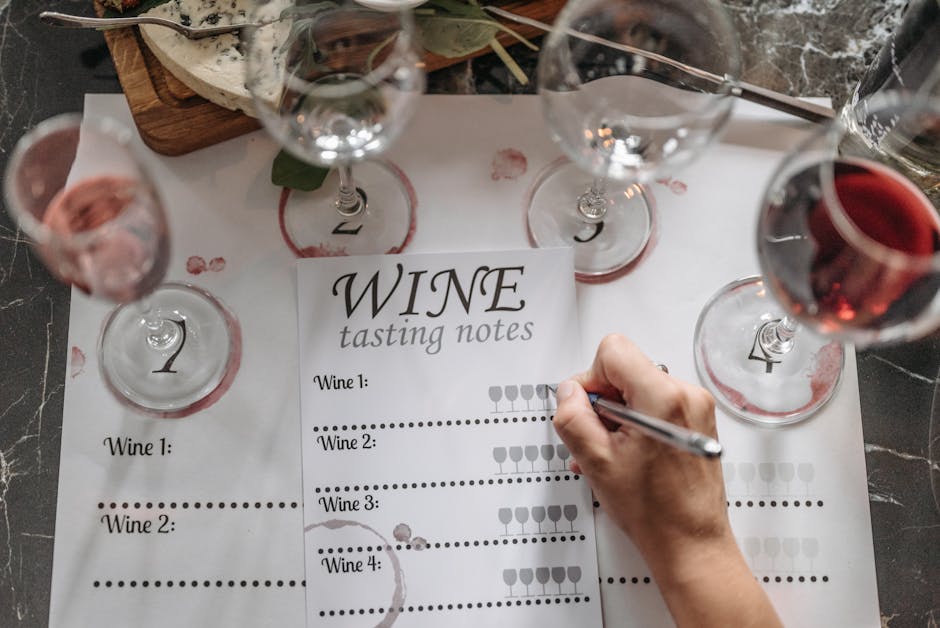
Most tasting tours follow a similar structure: transportation (if needed), guided visits to food sources, tastings, and educational commentary. Exploring culinary travel escapes best food reveals important insights. The experience varies by region and operator.
Typical Itinerary Elements
A morning might start at a local market, where you’ll learn to identify seasonal produce and sample regional snacks. Afternoons could involve a cooking demonstration, vineyard tour, or cheese aging cellar visit.
Evening tours often focus on dinner experiences, such as multi-course meals paired with local wines or craft beverages. Some include live music or cultural performances.
Etiquette and Cultural Sensitivity
Respect local customs. In Japan, it’s polite to say “itadakimasu” before eating. In parts of Southeast Asia, avoid pointing your feet at food or people.
Tip appropriately. In countries where tipping isn’t customary, a small gesture or thank-you note can go a long way. Always ask your guide about local norms.
Be open-minded. Trying unfamiliar foods is part of the adventure. Even if a dish seems unusual at first, approach it with curiosity rather than hesitation.
Safety and Health Considerations
Food safety is a valid concern when traveling. Stick to busy vendors with high turnover—this usually means fresher food. Avoid raw or undercooked items in areas with questionable water quality.
Stay hydrated and carry hand sanitizer. If you have food allergies, learn how to communicate them in the local language. Consider carrying a translation card.
Travel insurance that covers medical expenses is highly recommended. Some tours include liability coverage, but personal insurance offers broader protection.
Budgeting for Culinary Travel
Culinary tours can range from affordable to luxury. Street food walks in Bangkok might cost $30–$50 per person, while multi-day gastronomic retreats in Tuscany can exceed $1,500.
Factor in additional costs: meals not included, transportation between sites, souvenirs, and tips. Some tours offer all-inclusive packages, which can simplify budgeting.
Look for value beyond price. A slightly more expensive tour with a renowned chef or exclusive access to a private kitchen may offer a richer experience than a cheaper, generic alternative.
Sustainable and Ethical Food Tourism
As culinary travel grows, so does the need for responsible practices. Support tours that prioritize local sourcing, fair wages for guides, and minimal environmental impact.
Avoid experiences that exploit animals or cultural traditions. For example, some “elephant sanctuaries” in Thailand have been criticized for unethical treatment, even if they offer food-related activities.
Choose operators who partner with local communities. Tours that include visits to family farms or women-led cooperatives often have a positive social impact.
Seasonal Considerations for Food Travel
Timing can greatly affect your experience. Harvest seasons bring peak flavors and special festivals. In Italy, autumn is ideal for truffle and olive oil tours. In Japan, spring offers cherry blossom-themed sweets and fresh bamboo shoots.
Summer in France means abundant produce and outdoor markets. Winter in Peru brings hearty stews and festive dishes for Fiestas Patrias.
Research local food calendars before booking. Some ingredients, like white truffles or certain seafood, are only available for a few weeks each year.
Making the Most of Your Culinary Journey
Come with an open mind and a flexible schedule. Allow time to explore beyond the tour—wander local neighborhoods, chat with vendors, and try dishes not on the itinerary.
Take notes or photos to remember flavors and techniques. Many travelers keep a food journal to document their experiences and recipes learned along the way.
Share your journey respectfully. When posting on social media, credit local businesses and avoid over-tagging locations that may become overcrowded.
FAQ
What should I pack for a culinary tasting tour?
Bring comfortable walking shoes, a reusable water bottle, hand sanitizer, and a small notebook. If you have dietary restrictions, carry translation cards or allergy alerts in the local language.
Are tasting tours suitable for families with children?
Yes, many tours welcome families and offer kid-friendly options. Look for shorter durations, interactive activities, and menus with familiar dishes. Always confirm age policies when booking.
How far in advance should I book a food tour?
For popular destinations or peak seasons, book 2–3 months ahead. Less crowded locations may allow last-minute bookings, but early planning ensures better availability and pricing.