
Best Beach and Island Travel Escapes for Island Dreams
Looking for the best beach and island travel escapes to turn your island dreams into reality? Whether you crave powdery white sands, turquoise lagoons, or lush tropical hideaways, the world is full of stunning coastal destinations that deliver unforgettable experiences. From secluded atolls to vibrant island cultures, these escapes offer more than just scenery—they provide a sense of escape, adventure, and renewal. This guide highlights top destinations across the globe, offering practical insights to help you choose the perfect island getaway based on your travel style, budget, and ideal pace.
Why Island Escapes Captivate Travelers
Islands hold a unique allure. They feel separate from the mainland, offering a natural sense of seclusion and tranquility. The combination of ocean views, warm climates, and slower rhythms of life creates an ideal environment for relaxation and reflection.
Beyond the beaches, many islands boast rich cultural traditions, unique wildlife, and outdoor adventures—from snorkeling among coral reefs to hiking volcanic peaks. Whether you’re seeking romance, family fun, or solo exploration, island destinations cater to a wide range of interests.
Top Beach and Island Destinations Around the World
The Maldives: Luxury Overwater Bungalows and Crystal Waters
The Maldives consistently ranks among the best beach and island travel escapes for travelers seeking luxury and privacy. Composed of over 1,000 coral islands scattered across the Indian Ocean, this nation offers some of the clearest waters and most exclusive resorts on Earth.
Staying in an overwater villa is a signature experience, with glass floors revealing marine life below. Activities include snorkeling with manta rays, sunset dolphin cruises, and private beach dinners. While the Maldives leans toward high-end travel, guesthouses on local islands offer more affordable options for budget-conscious visitors.
Bora Bora, French Polynesia: Iconic Lagoons and Mount Otemanu
Bora Bora is synonymous with tropical perfection. Its emerald lagoon, protected by a coral reef, surrounds a dramatic volcanic peak known as Mount Otemanu. This destination is ideal for honeymooners and luxury travelers.
Resorts like Four Seasons and InterContinental offer overwater bungalows with direct lagoon access. Beyond relaxation, visitors can enjoy jet skiing, shark and ray feeding tours, and cultural performances. Keep in mind that flights and accommodations are expensive, so plan well in advance.
Santorini, Greece: Cliffside Views and Volcanic Beaches
Santorini offers a different kind of island escape—dramatic cliffs, whitewashed villages, and sunsets that draw crowds from around the world. While not all beaches are tropical in the traditional sense, the island’s volcanic black and red sand beaches are unique and photogenic.
Oia and Fira are the most popular towns, offering boutique hotels, fine dining, and panoramic views. For a quieter experience, visit lesser-known villages like Pyrgos or Akrotiri. Santorini is also a great base for day trips to nearby islands like Thirassia and Nea Kameni.
Maui, Hawaii: Diverse Landscapes and Local Culture
Maui strikes a balance between natural beauty and accessible adventure. From the lush Road to Hana to the sunbaked shores of Kaanapali, the island offers a wide range of experiences. Haleakalā National Park features a massive dormant volcano with sunrise views that are worth the early wake-up call.
Beaches like Wailea and Makena are perfect for swimming and snorkeling, while surfers flock to the north shore during winter months. Maui also offers cultural sites like the Bailey House Museum and traditional luau experiences that highlight Hawaiian heritage.
The Seychelles: Granite Boulders and Pristine Nature
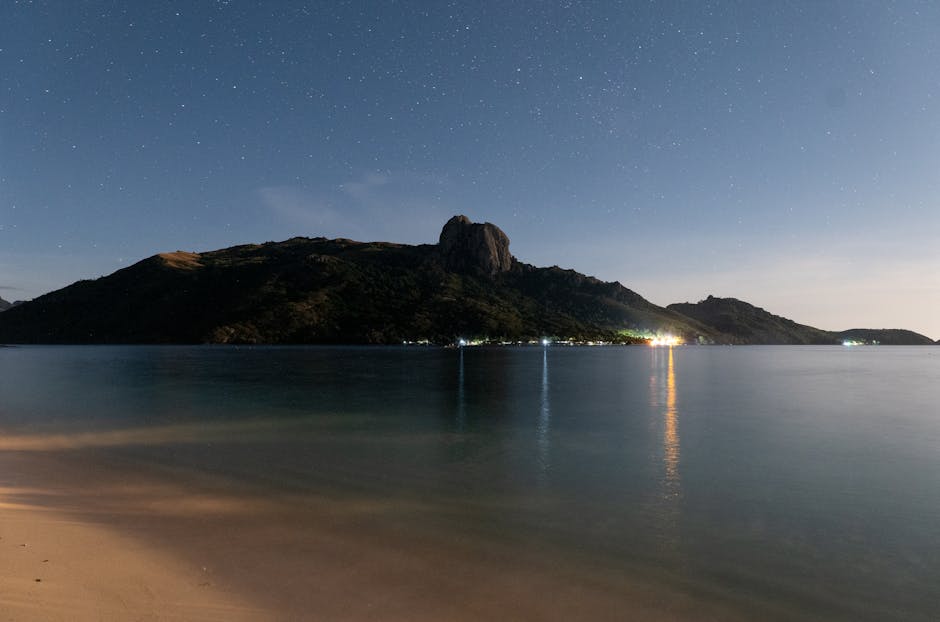
The Seychelles, an archipelago in the Indian Ocean, is known for its striking granite rock formations, lush jungles, and protected marine parks. Islands like Praslin and La Digue offer quieter alternatives to more commercialized destinations.
Anse Source d’Argent on La Digue is often called one of the world’s most photographed beaches, with its smooth pink granite slabs and shallow turquoise water. The Seychelles is also a haven for eco-tourism, with nature reserves like Vallée de Mai—a UNESCO World Heritage Site—home to the rare coco de mer palm.
Phuket and the Andaman Coast, Thailand: Vibrant Culture and Island Hopping
Phuket serves as a gateway to some of Thailand’s most beautiful islands, including Phi Phi, Krabi, and Phang Nga Bay. While Phuket itself has developed tourist areas, nearby islands offer more secluded beaches and dramatic limestone cliffs.
Island hopping by longtail boat is a popular way to explore hidden coves and snorkeling spots. Railay Beach, accessible only by boat, is a favorite among rock climbers and beach lovers alike. Thailand’s affordability and rich cuisine make it a top choice for travelers seeking value and adventure.
Amalfi Coast and Capri, Italy: Mediterranean Charm and Coastal Villages
Though not tropical, the Amalfi Coast and the island of Capri offer a Mediterranean version of island escape. Cliffside towns like Positano and Amalfi feature colorful buildings, lemon groves, and panoramic sea views.
Capri’s Blue Grotto is a must-see sea cave illuminated by an otherworldly blue light. Ferries connect the mainland to Capri and Ischia, making it easy to explore multiple islands. The region is ideal for travelers who enjoy culture, cuisine, and scenic coastal drives.
The Caribbean: A Region of Island Variety
The Caribbean is home to dozens of islands, each with its own personality. From the reggae rhythms of Jamaica to the French flair of St. Barts, the region offers something for every traveler.
Barbados combines beautiful beaches with a lively cultural scene, while St. Lucia is known for its lush rainforests and the iconic Pitons. For a quieter experience, consider islands like Dominica or St. Kitts, where nature trails and volcanic landscapes take center stage.
Many Caribbean islands are accessible via cruise ships or short flights from North America and Europe. Hurricane season runs from June to November, so plan accordingly if visiting during those months.
Palawan, Philippines: Hidden Lagoons and Limestone Cliffs
Palawan is often described as the last ecological frontier of the Philippines. El Nido and Coron are the main gateways to stunning lagoons, hidden beaches, and world-class diving.
The UNESCO-listed Puerto Princesa Subterranean River and the turquoise waters of Bacuit Bay make Palawan a top destination for nature lovers. Island hopping tours are affordable and widely available, allowing visitors to explore multiple sites in a single day.
While Palawan is becoming more popular, it still retains a sense of adventure. Travelers should respect local guidelines to help preserve the fragile ecosystem.
How to Choose the Right Island Escape for You
Consider Your Travel Style
Are you looking for relaxation, adventure, or cultural immersion? Your travel style will influence which destination suits you best. For example, couples seeking romance may prefer the Maldives or Bora Bora, while families might enjoy the variety of activities in Maui or the Caribbean.
Adventure seekers should consider destinations with hiking, diving, or wildlife encounters, such as the Seychelles or Palawan. Cultural travelers may prefer islands with strong local traditions, like Santorini or the Amalfi Coast.
Evaluate Budget and Travel Time
Some island escapes come with a high price tag. The Maldives and French Polynesia require significant investment in flights and accommodations. In contrast, Thailand and the Philippines offer excellent value for money.
Also consider travel time. Flights to the South Pacific can take 20+ hours from North America, while the Caribbean or Mediterranean islands may be reachable in under 10 hours. Factor in jet lag and recovery time when planning your trip.
Check Seasonality and Weather Patterns
Timing matters. The best weather in the Maldives is from November to April, while the Caribbean is driest between December and April. Avoid monsoon seasons in Southeast Asia, which typically run from May to October.
Hawaii enjoys consistent weather year-round, but peak tourist seasons (summer and winter holidays) mean higher prices and crowds. Shoulder seasons—spring and fall—often offer the best balance of good weather and fewer visitors.
Assess Accessibility and Infrastructure
Some islands are easy to reach with direct flights and well-developed tourism infrastructure. Others require multiple connections, boat transfers, or limited accommodations.
For travelers with mobility concerns or families with young children, destinations like Maui or the Amalfi Coast may be more practical than remote atolls or rugged islands with limited facilities.
Tips for a Smooth Island Travel Experience
Book Flights and Accommodations Early
Popular island destinations fill up quickly, especially during peak seasons. Booking flights and lodging 3–6 months in advance can save money and ensure availability.
Use flight comparison tools and set price alerts to catch deals. For resorts, consider package deals that include meals or activities, which can offer better value.
Pack Smart for Island Conditions
Island travel often means sun, sand, and saltwater. Pack reef-safe sunscreen, a wide-brimmed hat, and UV-protective clothing. Waterproof bags protect electronics during boat trips or rain showers.
Don’t forget a reusable water bottle and eco-friendly toiletries. Many islands have limited waste management systems, so minimizing plastic use helps protect the environment.
Respect Local Cultures and Environments
Island communities often have deep connections to their land and traditions. Learn a few basic phrases in the local language and follow cultural norms, such as dress codes at religious sites.
Avoid touching coral reefs, feeding wildlife, or removing shells and sand. These actions can harm fragile ecosystems. Choose tour operators that follow sustainable practices.
Stay Safe in the Water
Ocean conditions can change quickly. Always check local advisories before swimming or snorkeling. Rip currents are common on many beaches—learn how to识别 and escape them.
Use life jackets when boating or kayaking, especially in remote areas. Let someone know your plans if you’re exploring alone.
Final Thoughts on Island Escapes
The best beach and island travel escapes aren’t just about beautiful scenery—they’re about the experiences that stay with you long after you return home. Whether you’re lounging on a private beach, exploring ancient ruins, or swimming with sea turtles, these moments define what it means to dream of islands.
With so many options available, the key is to choose a destination that aligns with your interests, budget, and travel goals. Take time to research, plan thoughtfully, and approach each trip with curiosity and respect.
Your island dream is out there. Start planning, and let the journey begin.
Frequently Asked Questions
What is the best time of year to visit tropical islands?
The best time varies by region. Generally, the dry season—when rainfall is minimal and temperatures are comfortable—is ideal. For the Caribbean and Maldives, this is typically November to April. In Southeast Asia, the dry season runs from November to March, while Hawaii enjoys pleasant weather year-round.
Are island destinations suitable for families with children?
Yes, many islands are family-friendly. Destinations like Maui, the Caribbean, and the Bahamas offer a range of accommodations, activities, and child-safe beaches. Look for resorts with kids’ clubs, shallow swimming areas, and family-oriented tours.
How can I travel sustainably to island destinations?
Choose eco-certified accommodations, support local businesses, and avoid single-use plastics. Use reef-safe sunscreen, stay on marked trails, and never disturb wildlife. Consider offsetting your flight emissions and packing lightly to reduce your environmental impact.