Best Travel Tips for Managing Money While Abroad
Traveling abroad is exciting, but managing your money wisely can make or break your trip. Without a solid plan, unexpected fees, poor exchange rates, and impulse spending can drain your budget quickly. The best travel tips for managing money while abroad focus on preparation, smart spending, and staying protected. From choosing the right payment methods to avoiding common scams, these strategies help you stretch every dollar—or euro, yen, or peso—further. Whether you’re backpacking through Southeast Asia or enjoying a luxury getaway in Europe, these practical steps ensure you stay in control of your finances from departure to return.
Plan Your Budget Before You Go
Start by estimating daily expenses based on your destination. Research average costs for meals, transportation, attractions, and lodging. Use travel cost comparison sites like Numbeo or Budget Your Trip to get accurate, up-to-date data.
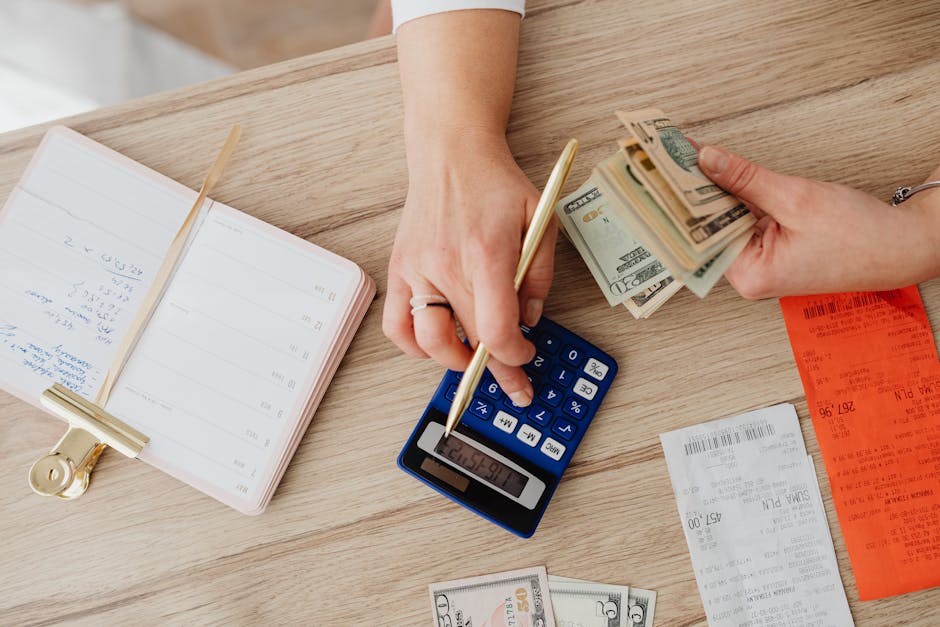
Break your budget into categories: essentials (food, transit), activities, souvenirs, and emergencies. Allocate a daily spending limit and track it using a simple app or notebook. For example, in Tokyo, budgeting $75 per day covers meals, subway rides, and one paid attraction. In Lisbon, $50 might suffice for similar experiences.
Factor in Hidden Costs
Don’t forget travel insurance, visa fees, SIM cards, and tips. Some countries expect tipping at restaurants or for services; others include it in the bill. In the U.S., 15–20% is standard. In Japan, tipping can be considered rude.
Also account for currency conversion fees. Banks and credit cards often charge 3–5% per transaction. Use online converters like XE to check real-time rates and avoid overpaying.
Choose the Right Payment Methods
Carry a mix of cash and cards to stay flexible. Relying solely on one method can leave you stranded if ATMs are down or cards get declined.
Use a no-foreign-transaction-fee credit card for larger purchases. Cards like the Chase Sapphire Preferred or Capital One Venture waive fees and offer travel rewards. Always pay in the local currency when given the choice—dynamic currency conversion (DCC) often includes hidden markups.
Use Debit Cards Wisely
Withdraw cash from ATMs affiliated with major banks to avoid high fees. In France, use Société Générale or BNP Paribas ATMs. In Mexico, Banorte and Santander are reliable. Avoid standalone ATMs in tourist areas—they often charge $5–$10 per withdrawal.
Notify your bank of your travel dates to prevent card freezes. Some banks allow you to set travel alerts online. Keep customer service numbers handy in case you need to report a lost card.
Consider Prepaid Travel Cards
Prepaid cards like Revolut or Wise let you lock in exchange rates and load multiple currencies. They’re safer than carrying large amounts of cash and often have lower fees than traditional banks.
Load funds before you leave and top up as needed. These cards work at most ATMs and merchants worldwide. Just check for ATM withdrawal limits—some cap daily withdrawals at $200–$300.
Avoid Common Money Traps
Currency exchange kiosks at airports and tourist hubs offer poor rates and high fees. A $100 bill might only get you €80 instead of the market rate of €92. Exchange money at local banks or use ATMs for better value.
Beware of credit card skimmers at gas stations and unattended ATMs. Cover the keypad when entering your PIN and inspect the card slot for loose parts. Use contactless payments when possible to reduce physical card use.
Watch Out for Scams
Scammers often target tourists with fake petitions, distraction techniques, or “helpful” locals offering unsolicited tours. In Barcelona, be cautious of people approaching with petitions near Las Ramblas—they may pickpocket while you sign.
Never hand your card to a waiter who walks away with it. In some countries, staff bring handheld card readers to your table. Stay alert and keep your card in sight.
Track Spending in Real Time
Use budgeting apps like Trail Wallet, Spendee, or Mint to log expenses daily. These tools categorize spending and alert you when you’re nearing your limit. Sync them across devices so you can update on the go.
Set daily reminders to review your spending. A quick check each evening helps you adjust the next day’s plans. For instance, if you spent $90 on food one day, skip a paid tour the next to stay on track.
Keep Digital and Physical Records
Save digital copies of receipts and bank statements. Email them to yourself or store them in cloud services like Google Drive. This helps with expense tracking and insurance claims.
Carry a small notebook for cash transactions. Note the date, amount, and purpose. This simple habit prevents forgotten expenses and supports accurate budgeting.
Save on Food and Transportation
eat like a local to cut food costs. Street food in Thailand or Vietnam offers delicious meals for $2–$5. In Italy, grab a panino from a local deli instead of dining at a tourist-facing restaurant.
Use public transit instead of taxis. In Berlin, a day pass for €9 covers all buses, trams, and subways. In Seoul, the T-money card gives discounted fares and works on subways and buses.
Walk or Bike When Possible
Many cities are walkable, and exploring on foot saves money and offers better sightseeing. In Prague, most major attractions are within a 30-minute walk of the city center.
Rent a bike for short trips. Amsterdam and Copenhagen have extensive bike lanes and affordable rental programs. Just lock your bike securely—theft is common in busy areas.
Protect Your Money and Identity
Never carry all your cash and cards in one place. Use a money belt or hidden pouch for backup funds. Keep your main wallet in a front pocket or crossbody bag with a zipper.
Photocopy or photograph your passport, ID, and credit cards. Store digital copies securely and leave physical copies with a trusted contact at home.
Use Secure Wi-Fi and Payment Apps
Avoid public Wi-Fi for banking or shopping. Use a VPN if you must connect. Enable two-factor authentication on all financial accounts.
Use trusted payment apps like Apple Pay, Google Pay, or Samsung Pay. These tokenize your card details, reducing fraud risk compared to physical swipes.
Know When to Splurge and When to Save
Prioritize experiences that matter most. If you love history, pay for a guided tour of the Colosseum. If you prefer relaxation, skip expensive spas and enjoy a public beach instead.
Look for free alternatives. Many museums offer free entry on certain days—Louvre is free for EU residents under 26 on Fridays after 6 PM. Parks, markets, and self-guided walking tours cost nothing but offer rich cultural experiences.
Use Student or Youth Discounts
Always carry an ISIC (International Student Identity Card) if eligible. It provides discounts on transport, museums, and accommodations in over 130 countries. Even non-students under 26 may qualify for youth rates on trains and hostels.
Ask about discounts wherever you go. In Japan, the Japan Rail Pass saves hundreds on train travel for foreign visitors. In Iceland, the Reykjavik City Card includes free entry to museums and public pools.
Prepare for the Unexpected
Set aside 10–15% of your total budget for emergencies. This covers missed flights, medical visits, or last-minute changes. Keep this fund in a separate account or envelope.
Purchase travel insurance that includes medical coverage, trip interruption, and baggage protection. Compare plans on sites like Squaremouth or InsureMyTrip. Read the fine print—some policies exclude high-risk activities like scuba diving or skiing.
Know Your Country’s Embassy Location
Register your trip with your government’s travel advisory program. The U.S. has STEP, the UK has LOCATE. These services help embassies contact you in emergencies and assist with lost documents.
Save the local emergency numbers and your embassy’s contact information in your phone. In most countries, 112 works for police, fire, and medical help.
Final Tips for Stress-Free Money Management
Start with a clear budget, use the right payment tools, and stay aware of your spending. Avoid tourist traps, protect your cards, and keep records. With these best travel tips for managing money while abroad, you’ll enjoy your trip without financial stress.
Remember: a little planning goes a long way. The more prepared you are, the more you can focus on what really matters—making memories, trying new foods, and exploring the world.
FAQ
Q: Should I exchange money before I travel or use ATMs abroad?
A: Use ATMs abroad for better rates, but exchange a small amount before you leave for immediate expenses like transportation from the airport. Avoid airport exchange counters—they charge high fees.
Q: How can I avoid foreign transaction fees on my credit card?
A: Use a credit card with no foreign transaction fees, such as those from Chase, Capital One, or Bank of America. Always pay in the local currency, not your home currency, to avoid dynamic currency conversion markups.
Q: What’s the safest way to carry money while traveling?
A: Carry a mix of cash, cards, and a prepaid travel card. Use a money belt for backup cash, keep your main wallet secure, and never leave cards or passports unattended. Enable fraud alerts on all accounts.