
Food and Culinary Travel Tips for Ordering Local Food
Ordering local food while traveling can be one of the most rewarding parts of any trip—if you know how to do it right. Instead of sticking to familiar chain restaurants or tourist traps, seeking out authentic dishes gives you a true taste of a destination’s culture. But navigating menus in foreign languages, avoiding foodborne illness, and knowing what’s actually worth trying can be tricky. This guide offers practical food and culinary travel tips for confidently ordering local food, whether you’re in a bustling Bangkok market or a quiet Tuscan village.
Why Local Food Matters When Traveling
Local cuisine reflects a region’s history, climate, and traditions. It’s more than just sustenance—it’s a window into how people live. When you eat where locals eat, you support small businesses and preserve culinary heritage. Plus, authentic meals often taste better than their internationalized versions.
For example, pad thai from a street cart in Chiang Mai uses fresh tamarind and local herbs, while a hotel version might rely on sugar and MSG. Similarly, Neapolitan pizza in Naples is cooked in wood-fired ovens with San Marzano tomatoes, a far cry from the frozen version back home.
How to Find Authentic Local Eateries
Look for Crowds of Locals
One of the simplest ways to spot a good local spot is by observing who’s eating there. If a restaurant is full of residents—especially during off-peak hours—it’s usually a sign of quality and authenticity. Avoid places with multilingual menus plastered near tourist attractions; these often cater to convenience over flavor.
In Tokyo, for instance, tiny ramen shops tucked into alleyways with long lines of salarymen are almost always worth the wait. In contrast, restaurants with photos of dishes and English-only menus near Shibuya Crossing tend to be overpriced and underwhelming.
Use Local Recommendations
Ask hotel staff, tour guides, or even fellow travelers for their favorite spots. Locals know which places serve the best version of regional specialties. Apps like Google Maps can help too—filter reviews by locals rather than tourists for more reliable insights.
In Mexico City, a taxi driver once pointed me to a family-run taquería in a residential neighborhood. The carnitas were slow-cooked in copper pots, wrapped in handmade tortillas—nothing like the tacos I’d had at the Zócalo.
Avoid Tourist-Trap Indicators
Be wary of restaurants that greet you with a host holding a sign in your language, offer “all-you-can-eat” deals, or display giant photos of food. These are red flags for inauthentic experiences. Real local spots rarely need to advertise heavily—they rely on word of mouth.
In Rome, I once walked past a place with a man outside shouting “Best pasta in Italy!” in five languages. The food inside was bland and overpriced. A block away, a quiet trattoria with no sign had diners laughing over cacio e pepe that tasted like heaven.
Navigating Menus in Foreign Languages
Learn Key Food Terms
Even basic knowledge of local food vocabulary helps. Learn words like “grilled,” “fried,” “vegetarian,” “spicy,” and “soup.” In French, “grillé” means grilled, “frit” is fried, and “épicé” means spicy. In Japanese, “yakimono” refers to grilled dishes, and “tabemono” means food.
Carry a small phrasebook or use a translation app, but avoid relying solely on digital tools. Some apps mislabel ingredients—like confusing “pork” with “beef” in Vietnamese pho descriptions.
Ask for Clarifications
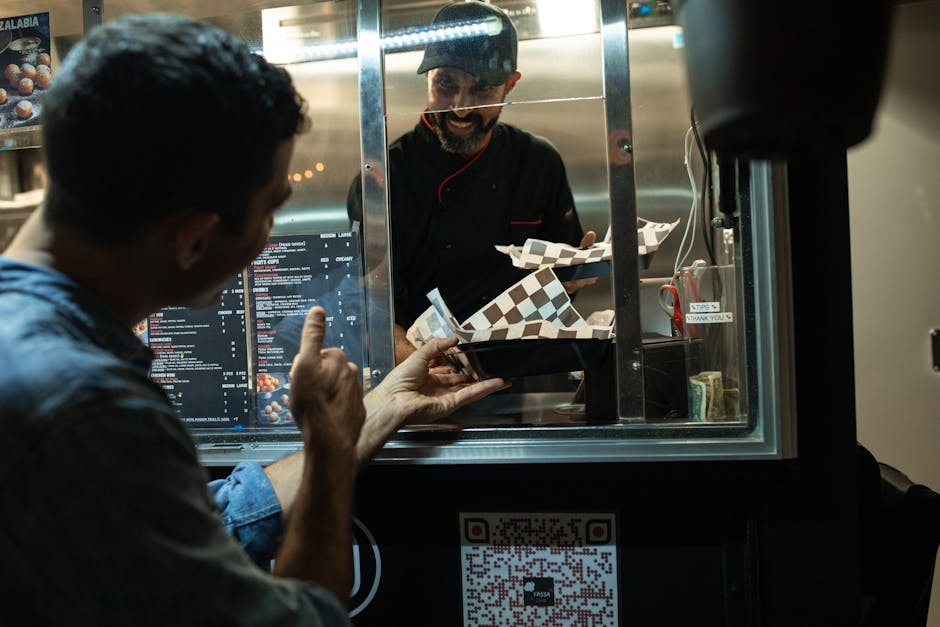
Don’t hesitate to ask staff about ingredients or preparation methods. Most servers appreciate the interest and will gladly explain. If language is a barrier, pointing to menu items and using simple gestures works surprisingly well.
In Marrakech, I once pointed to a tagine and mimed “chicken or lamb?” The waiter smiled, held up two fingers, and said “lamb”—saving me from an unexpected meat choice.
Watch Out for Hidden Ingredients
Some dishes may contain allergens or ingredients you’re unfamiliar with. In Southeast Asia, fish sauce and shrimp paste are common but not always listed clearly. In India, ghee (clarified butter) is used widely, even in “vegetarian” dishes.
Always double-check if you have dietary restrictions. In Istanbul, I learned that “vegetarian” borek might still contain yogurt or butter—important to know for lactose-intolerant travelers.
Staying Safe While Eating Street Food
Choose Busy Stalls
High turnover means fresher ingredients and less time for bacteria to grow. A busy vendor in Hanoi’s Old Quarter is more likely to serve safe, delicious bánh mì than a quiet stall with pre-made sandwiches sitting out.
Look for stalls where food is cooked to order. In Bangkok, pad see ew made fresh on a sizzling wok is safer than pre-cooked noodles reheated on a steam table.
Observe Food Handling Practices
Notice how staff handle raw and cooked foods. Are they using separate utensils? Is raw meat stored away from ready-to-eat items? In many countries, street vendors follow strict hygiene, but it’s wise to stay alert.
In Oaxaca, I watched a vendor use tongs for tortillas and separate spoons for salsas—small details that signal care and cleanliness.
Drink Bottled or Purified Water
Even if a dish looks safe, contaminated water can ruin your trip. Avoid ice in drinks unless you’re sure it’s made from purified water. In many parts of Latin America and Asia, tap water isn’t safe for travelers.
In Cusco, Peru, I stuck to bottled water and avoided salads washed in local water. It kept my stomach happy while others in my group weren’t so lucky.
Understanding Local Dining Customs
Eat When Locals Eat
Meal times vary widely. In Spain, dinner often starts at 9 or 10 p.m., while in Japan, lunch is the main meal for many workers. Adjust your schedule to match local rhythms for the best selection and atmosphere.
Trying to eat dinner at 6 p.m. in Madrid means choosing from tourist menus. Waiting until 8:30 p.m. opens up authentic tapas bars filled with locals.
Respect Cultural Norms
Some cultures have specific dining etiquette. In Ethiopia, it’s polite to eat with your right hand from a shared platter. In South Korea, never leave chopsticks sticking upright in rice—it resembles a funeral ritual.
Observing and mimicking locals helps you blend in and shows respect. In Morocco, I learned to accept second helpings of tagine as a sign of appreciation, not gluttony.
Tip Appropriately
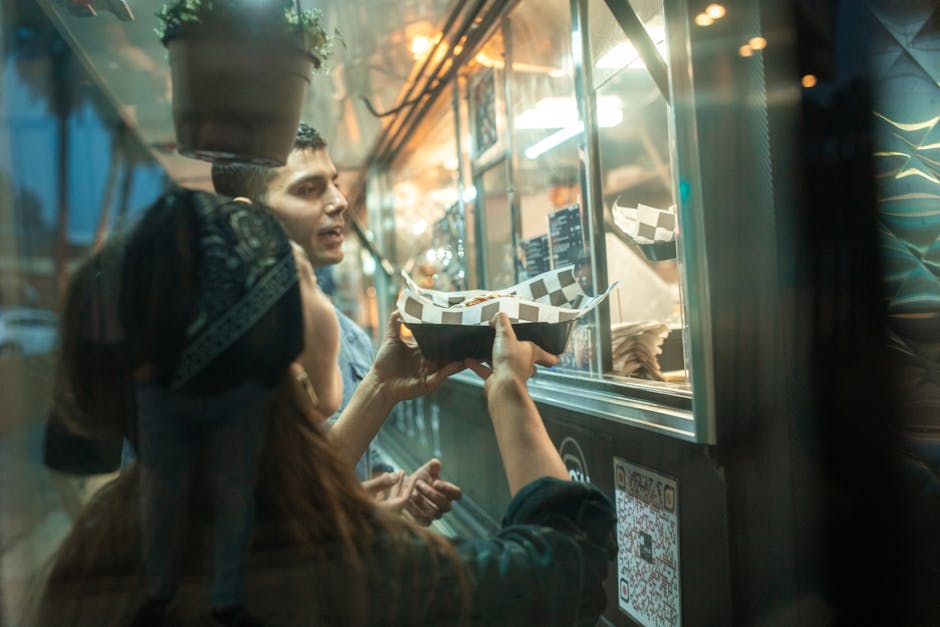
Tipping customs differ. In Japan and South Korea, tipping can be seen as rude. In the U.S., 15–20% is standard. In many European countries, rounding up or leaving small change is sufficient.
Research local norms before you go. In Istanbul, I left small change at a kebab shop, but in New York, I made sure to tip my server at a diner.
Dealing with Spicy or Unfamiliar Flavors
Start Mild, Then Build Up
If you’re not used to spicy food, begin with milder dishes and gradually try hotter options. In Thailand, ask for “mai pet” (not spicy) when ordering tom yum soup. In India, request “mild” or “half-spice” versions of curries.
In Chengdu, I started with mapo tofu labeled “mild” and worked my way up to the full Sichuan peppercorn experience over three days.
Know Your Triggers
Some ingredients may upset your stomach even if they’re not spicy. Fermented foods in Korea (like kimchi) or strong cheeses in France can be intense for first-timers. Listen to your body and don’t feel pressured to finish everything.
In Georgia (the country), I loved the bread and cheese, but the fermented sulguni gave me indigestion. I learned to order smaller portions next time.
Carry Digestive Aids
Pack probiotics, antacids, or anti-diarrheal medication just in case. These can ease discomfort without ruining your trip. I always carry a small first-aid kit with stomach remedies when traveling to regions with rich or heavy cuisine.
In Mexico, a single dose of loperamide saved me after an overly ambitious order of seven different salsas.
Budgeting for Local Food
Street Food Is Often the Best Value
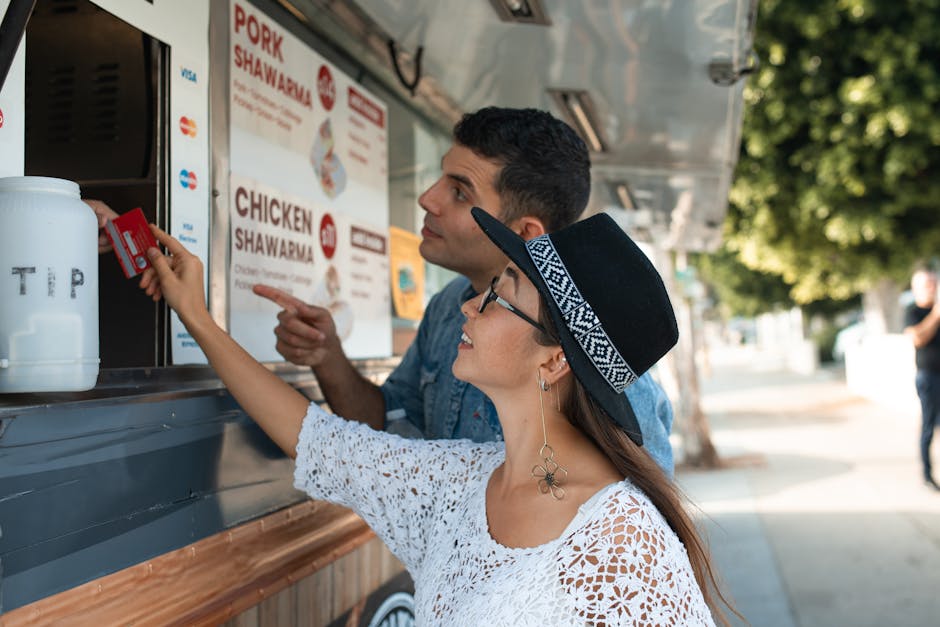
Local street food is usually cheaper and more authentic than restaurant meals. In Vietnam, a bowl of pho costs $1–2, while a hotel breakfast might be $15 for a Western-style buffet.
In Istanbul, a simit (sesame bread ring) with tea is under $1, while a café sandwich near the Grand Bazaar runs $8.
Share Dishes to Try More
Many local meals are meant to be shared. Ordering a few small plates lets you sample more variety without overeating. In Spain, sharing three or four tapas gives you a full meal and a broader taste experience.
In Seoul, my friend and I split kimchi jjigae, bulgogi, and banchan (side dishes)—enough for two, with leftovers, for under $20.
Avoid Overpriced “Local” Experiences
Some tours or cooking classes market themselves as “authentic” but serve simplified versions for tourists. Look for small-group experiences led by locals, not large companies.
In Chiang Mai, I joined a family-run cooking class that used market-fresh ingredients and taught regional techniques—far more valuable than a hotel-sponsored demo.
What to Do If You Get Sick
Recognize the Signs
Foodborne illness can include nausea, vomiting, diarrhea, stomach cramps, or fever. Mild cases often pass in 24–48 hours with rest and hydration. Severe symptoms like high fever or blood in stool require medical attention.
In Delhi, I had mild stomach discomfort after a street chaat. Resting and drinking oral rehydration solution helped me recover by the next day.
Stay Hydrated
Dehydration is the biggest risk. Sip water, electrolyte drinks, or clear broths. Avoid caffeine and alcohol, which can worsen dehydration.
I always carry oral rehydration salts when traveling. They’re cheap, lightweight, and effective.
Know When to Seek Help
If symptoms last more than 48 hours, worsen, or include high fever, see a doctor. Many hotels can recommend reputable clinics. Travel insurance often covers medical visits abroad.
In Bangkok, a fellow traveler had severe food poisoning and was treated quickly at a private hospital—covered by her insurance.
Final Tips for Confident Local Food Exploration
Start with familiar ingredients and branch out gradually. Keep an open mind—some of the best meals come from unexpected places. Take photos of dishes you love so you can find them again or recreate them at home.
And remember: food is part of the journey. Even a bad meal can become a funny story later. The goal isn’t perfection—it’s connection.
FAQ
How can I avoid getting sick from local food while traveling?
Choose busy stalls with high turnover, avoid raw or undercooked foods if you’re unsure, drink bottled or purified water, and observe how food is handled. Carry basic stomach remedies as a precaution.
What’s the best way to find authentic local restaurants?
Look for places filled with locals, avoid tourist-heavy areas with multilingual menus, and ask residents or hotel staff for recommendations. Use review platforms but prioritize feedback from local diners.
Is it safe to eat street food in developing countries?
Yes, in many cases—street food is often fresher and more carefully prepared than restaurant meals. The key is to choose vendors with clean practices, high turnover, and food cooked to order. Use your eyes and instincts.