
Amazing Adventure Travel Trips for Glacier Views
Glaciers are nature’s frozen cathedrals—towering, ancient, and breathtakingly beautiful. For travelers seeking awe-inspiring landscapes and outdoor thrills, adventure trips to glacier regions offer unforgettable experiences. Whether you’re hiking across blue ice, kayaking beside calving icebergs, or trekking through alpine valleys, these journeys combine natural wonder with physical challenge. This guide highlights the world’s most spectacular glacier destinations, practical trip planning tips, and essential safety advice to help you choose the right adventure.
Why Glacier Adventure Travel Stands Out
Glacier travel is more than scenic sightseeing—it’s immersive, physically engaging, and deeply connected to the planet’s natural rhythms. Unlike passive tours, glacier adventures often involve hiking, climbing, or paddling, putting you right in the heart of the environment. These trips appeal to those who want to move beyond photo ops and truly experience raw, untamed landscapes.
Glaciers also serve as powerful reminders of climate change. Seeing them up close underscores their fragility and the urgency of conservation. Many adventure operators now partner with environmental groups, offering educational components alongside expeditions.
Finally, glacier regions are often remote, meaning fewer crowds and greater solitude. That isolation enhances the sense of discovery and personal achievement that defines true adventure travel.
Top Glacier Destinations for Adventure Travelers
Patagonia: Torres del Paine and Los Glaciares National Parks
Patagonia, spanning southern Chile and Argentina, is a mecca for glacier enthusiasts. The region’s dramatic peaks, turquoise lakes, and vast ice fields create a landscape unlike anywhere else. Two national parks stand out: Torres del Paine in Chile and Los Glaciares in Argentina.
In Torres del Paine, the W Trek is a five-day hike that delivers close-up views of Grey Glacier. The trail winds through forests, rivers, and granite towers, ending at a glacial lake where icebergs float like scattered diamonds. For a more intense experience, the O Circuit adds another week, circling the entire park.
Across the border, Los Glaciares National Park is home to Perito Moreno Glacier—one of the few advancing glaciers in the world. While day trips allow you to walk along viewing platforms, true adventurers opt for the “mini-trekking” tour. This involves crossing the glacier on crampons, navigating crevasses, and listening to the deep groans of shifting ice.
Best time to visit: November to March (Patagonian summer). Pack layers—weather changes fast, and winds can be fierce.
Iceland: Vatnajökull and Sólheimajökull
Iceland’s glaciers cover about 11% of the island, making it one of the most accessible glacier destinations in Europe. Vatnajökull, Europe’s largest ice cap, dominates the southeast and feeds numerous outlet glaciers. Sólheimajökull, a smaller but highly accessible glacier, is popular for day hikes from Reykjavík.
Guided glacier walks on Sólheimajökull typically last 3–4 hours and include gear rental and safety briefing. You’ll traverse blue ice formations, climb ice walls, and peer into deep moulins—vertical shafts where meltwater plunges into the glacier’s interior.
For a multi-day adventure, consider the highland trek from Skogar to Þórsmörk, crossing glacial rivers and passing beneath Eyjafjallajökull—the volcano that disrupted European air travel in 2010. This route requires preparation and a 4×4 vehicle, but rewards with solitude and panoramic views.
Note: Always go with certified guides. Icelandic glaciers are dynamic and can be dangerous without proper training.
Alaska: Kenai Fjords and Glacier Bay
Alaska offers some of the most dramatic glacier scenery in North America. Kenai Fjords National Park, near Seward, is a prime spot for boat tours that glide past tidewater glaciers. The star attraction is Holgate Glacier, which frequently calves—sending massive ice chunks crashing into the sea.
For land-based adventure, the Harding Icefield Trail is a challenging 8.2-mile round-trip hike that climbs 3,500 feet to a viewpoint overlooking the entire icefield. From the summit, you can see dozens of glaciers spilling down mountain valleys like frozen rivers.
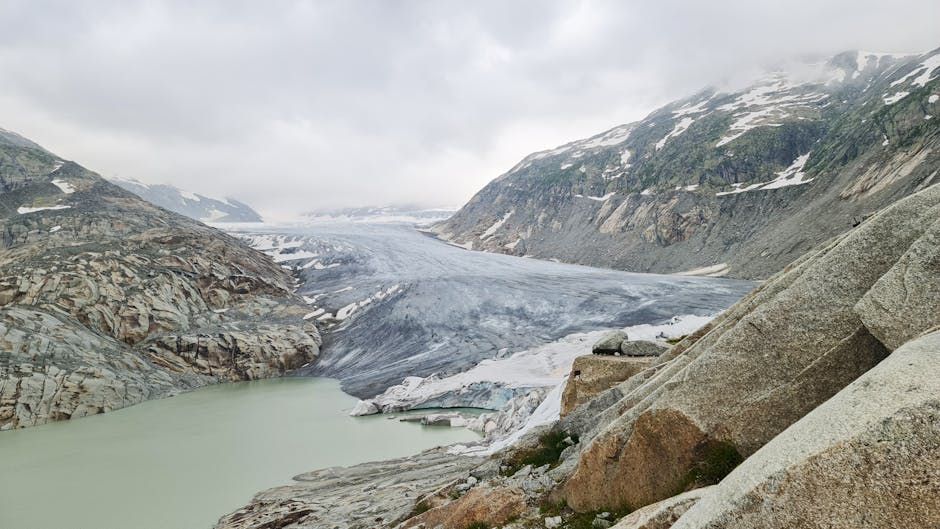
Glacier Bay National Park, a UNESCO World Heritage Site, is best explored by small cruise or kayak expedition. Multi-day trips allow you to paddle among floating icebergs, camp on remote shores, and observe wildlife like humpback whales and brown bears.
Travel tip: Summer (June–August) is the only viable season. Book tours early—spaces fill quickly.
New Zealand: Fox and Franz Josef Glaciers
On New Zealand’s South Island, the West Coast is home to two of the world’s most accessible glaciers: Fox and Franz Josef. Both descend from the Southern Alps to within 200 meters of sea level, making them rare low-elevation ice formations.
Helicopter-assisted hikes are the most popular option. After a scenic flight over snow-capped peaks, you land on the glacier and spend 2–3 hours exploring with crampons and ice axes. The terrain includes deep crevasses, ice caves, and seracs—towering ice sculptures formed by pressure.
For a non-flying option, the Fox Glacier Valley Walk is a gentle 3.5-mile trail that ends at a viewpoint. It’s ideal for families or those preferring less strenuous activity.
Weather note: The region is one of the wettest in New Zealand. Rain is common, so waterproof gear is essential.
Canada: Athabasca Glacier and the Columbia Icefield
In the Canadian Rockies, the Columbia Icefield straddles the Continental Divide and feeds six major glaciers. The Athabasca Glacier is the most visited, thanks to its proximity to the Icefields Parkway—one of the world’s most scenic drives.
The Glacier Skywalk, a glass-floored observation platform, offers a unique perspective without requiring hiking. For hands-on adventure, the Ice Explorer tour takes you onto the glacier in a massive six-wheeled vehicle, followed by a guided walk.
More experienced travelers can attempt the Snow Dome hike, a strenuous 14-mile round-trip that crosses the icefield and summits a 10,000-foot peak. This requires mountaineering skills and a permit.
Safety reminder: The glacier is retreating rapidly. What you see today may not exist in a decade—underscoring the importance of responsible travel.
How to Choose the Right Glacier Adventure
Assess Your Fitness Level
Glacier trips vary widely in difficulty. Day hikes may involve moderate walking on uneven terrain, while multi-day treks demand endurance and strength. Be honest about your abilities. If you’re new to hiking, start with guided walks rather than self-guided expeditions.
Many operators offer fitness assessments or pre-trip training advice. Don’t hesitate to ask about elevation gain, daily distance, and required gear.
Decide on Trip Duration
Adventure trips can last from a half-day to two weeks. Short excursions are ideal for first-timers or those with limited time. Longer trips allow deeper immersion and access to remote areas.
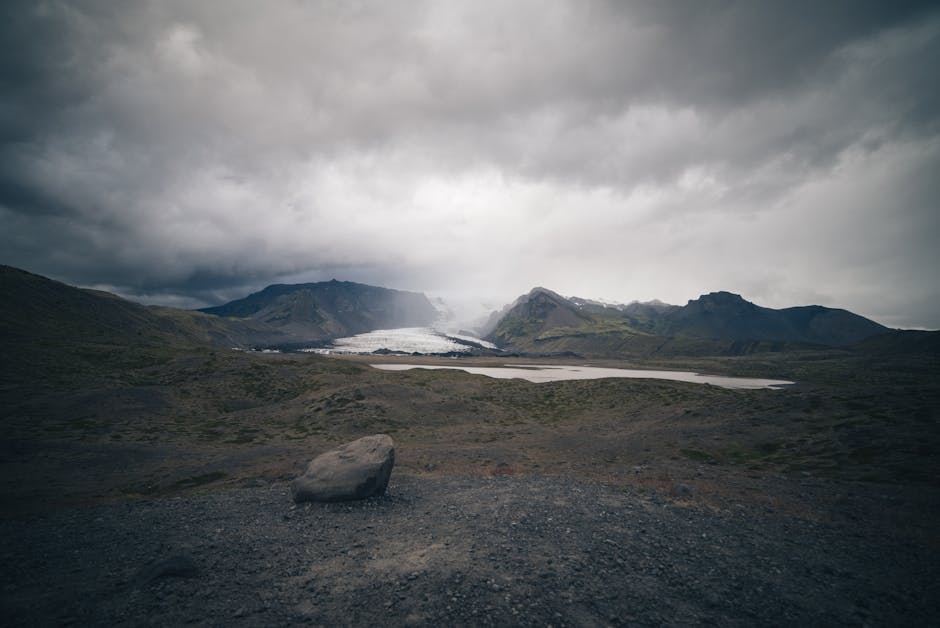
Consider combining glacier activities with other experiences—like wildlife watching, cultural visits, or hot spring soaks—to create a balanced itinerary.
Choose the Right Season
Glacier travel is highly seasonal. In the Northern Hemisphere, summer (June–September) offers the most stable weather and open trails. In the Southern Hemisphere, aim for December–February.
Avoid shoulder seasons unless you’re prepared for snow, ice, and limited access. Winter trips are possible but require specialized gear and experience.
Prioritize Safety and Sustainability
Never attempt a glacier trek without a certified guide. Hidden crevasses, sudden weather shifts, and ice collapses pose real risks. Reputable operators provide helmets, crampons, and safety briefings.
Choose companies with eco-certifications or partnerships with conservation groups. Avoid operators that allow off-trail hiking or littering. Remember: glaciers are fragile ecosystems.
Essential Gear for Glacier Adventures
Proper equipment makes the difference between a comfortable trip and a miserable one. Most guided tours provide technical gear, but personal items are your responsibility.
Start with layered clothing: moisture-wicking base, insulating mid-layer, and waterproof outer shell. Avoid cotton—it retains moisture and increases hypothermia risk.
Footwear is critical. Sturdy hiking boots with ankle support are a must. For glacier walks, you’ll need crampons, which attach to your boots and grip the ice. Helmets are non-negotiable—falling ice is a real hazard.
Don’t forget sunglasses with UV protection, sunscreen, and a wide-brimmed hat. Snow reflects sunlight, increasing burn risk. A small backpack should carry water, snacks, and a first-aid kit.
If you’re kayaking or camping, add dry bags, thermal layers, and a reliable sleeping bag rated for sub-zero temperatures.
What to Expect on a Glacier Adventure
Before the Trip
Most operators require a health waiver and pre-trip meeting. You’ll receive a gear list, safety overview, and itinerary. Arrive early to test equipment and ask questions.
Hydrate well the day before. Altitude and physical exertion increase dehydration risk.
During the Adventure
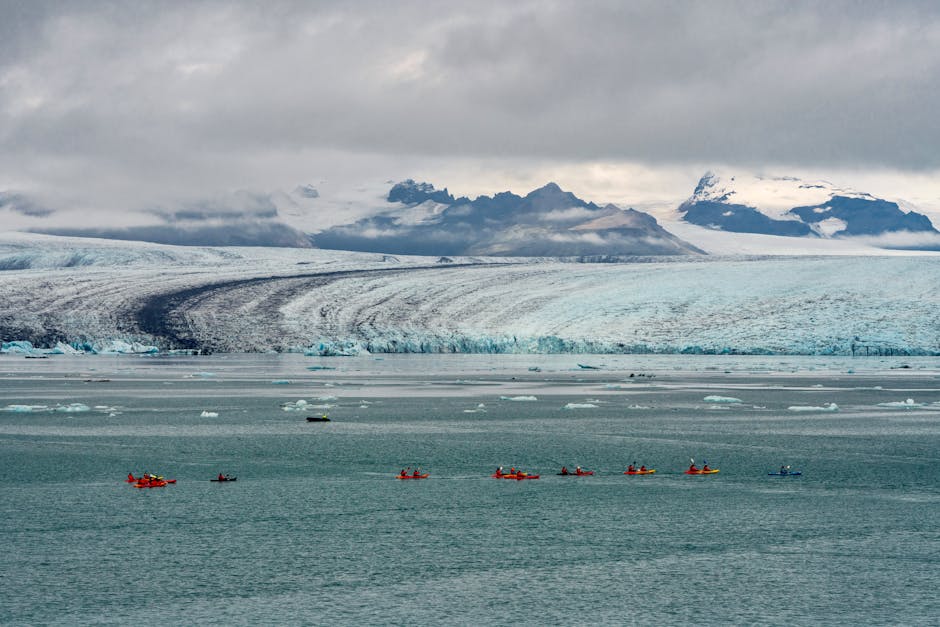
Listen closely to your guide. They’ll explain glacier dynamics, point out features, and manage group safety. Stay with the group—wandering off can lead to falls or disorientation.
Pace yourself. Glacier terrain is uneven and tiring. Take breaks as needed, but avoid lingering on ice for too long—especially near crevasses.
After the Trip
Debrief with your group and guide. Share photos, reflect on the experience, and consider how to reduce your environmental impact in future travels.
Some operators offer digital certificates or conservation donations as part of the package—great for commemorating your journey.
Environmental Impact and Responsible Travel
Glaciers are shrinking at an alarming rate due to global warming. The Athabasca Glacier has receded over a mile in the last century. Travelers have a role to play in preservation.
Follow Leave No Trace principles: pack out all trash, stay on marked trails, and avoid disturbing wildlife. Choose low-emission transport when possible—many destinations now offer electric shuttles or carbon-offset programs.
Support local communities by hiring local guides, staying in family-run lodges, and purchasing regional products. This ensures tourism benefits the area economically and culturally.
Finally, share your experience responsibly. Avoid geotagging sensitive locations on social media, which can lead to overcrowding and degradation.
Frequently Asked Questions
Do I need prior experience to go on a glacier adventure?
No, many trips are designed for beginners. Guided day hikes require only moderate fitness and no technical skills. More advanced treks may require experience, so always check the trip description.
Are glacier tours safe?
Yes, when led by certified guides and with proper gear. Risks like crevasses and falling ice are managed through training, equipment, and group protocols. Never go off-trail or without a guide.
What’s the best way to see a glacier without hiking?
Boat tours, helicopter flights, and scenic drives offer glacier views with minimal physical effort. Examples include Kenai Fjords boat tours, Iceland’s glacier lagoon cruises, and the Icefields Parkway in Canada.