
Honest Destination Guide to Edinburgh for City Walks
Edinburgh is one of Europe’s most walkable cities, blending medieval charm with Georgian elegance across compact, layered streets. Whether you’re tracing the Royal Mile from castle to palace or wandering the quiet lanes of the New Town, the city rewards pedestrians with dramatic views, hidden closes, and centuries of history underfoot. This guide cuts through the tourist noise to deliver practical, route-focused advice for exploring Edinburgh on foot—without the fluff or overhyped detours.
Why Edinburgh Is Perfect for Walking
Edinburgh’s compact core means most major sights are within a 20-minute walk of each other. The Old Town’s narrow wynds and staircases contrast with the wide, orderly crescents of the New Town—both designed for foot traffic long before cars existed. Unlike larger capitals, you won’t waste hours on transit; instead, you’ll discover tucked-away bookshops, local cafés, and unexpected viewpoints simply by turning down an alley.
The city’s topography is both a challenge and a charm. Steep inclines like Calton Hill or the climb up to Arthur’s Seat reward effort with panoramic vistas. But flat, accessible routes also exist—especially along Princes Street Gardens and the Water of Leith walkway. With clear signage and well-maintained pavements, even first-time visitors can navigate confidently.
Top Walking Routes in Edinburgh
The Classic Royal Mile Circuit
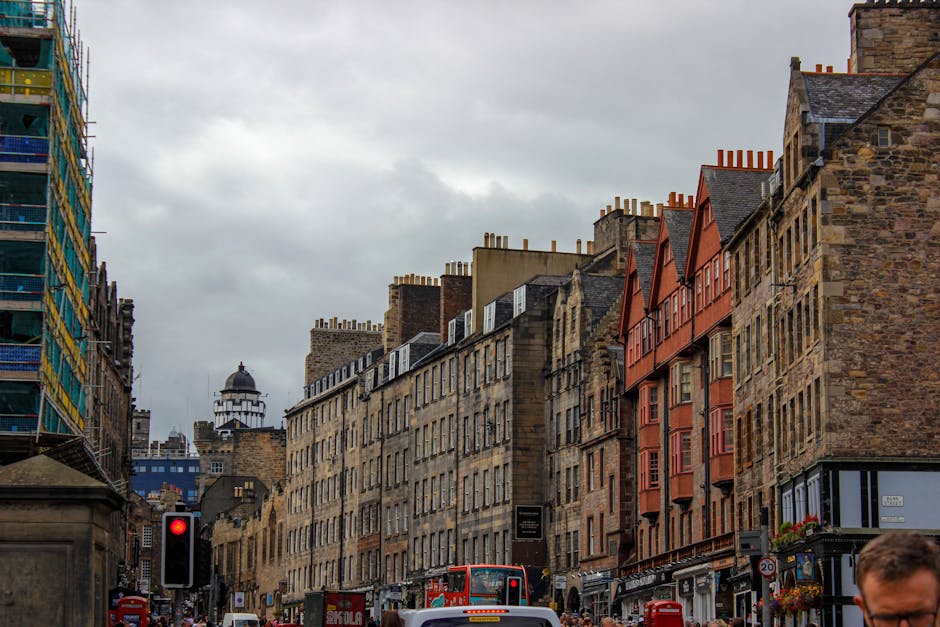
Start at Edinburgh Castle and follow the Royal Mile downhill to Holyrood Palace—a 1.5-mile stretch packed with history. This route takes about 45 minutes without stops, but allow two hours to explore key sites like St Giles’ Cathedral, the Writers’ Museum, and the Scottish Parliament.
Walk early morning or late afternoon to avoid crowds. Midday brings tour groups and street performers that can slow your pace. Wear comfortable shoes: the cobblestones are uneven in places, and some sections have subtle inclines.
New Town Elegance: From Charlotte Square to Calton Hill
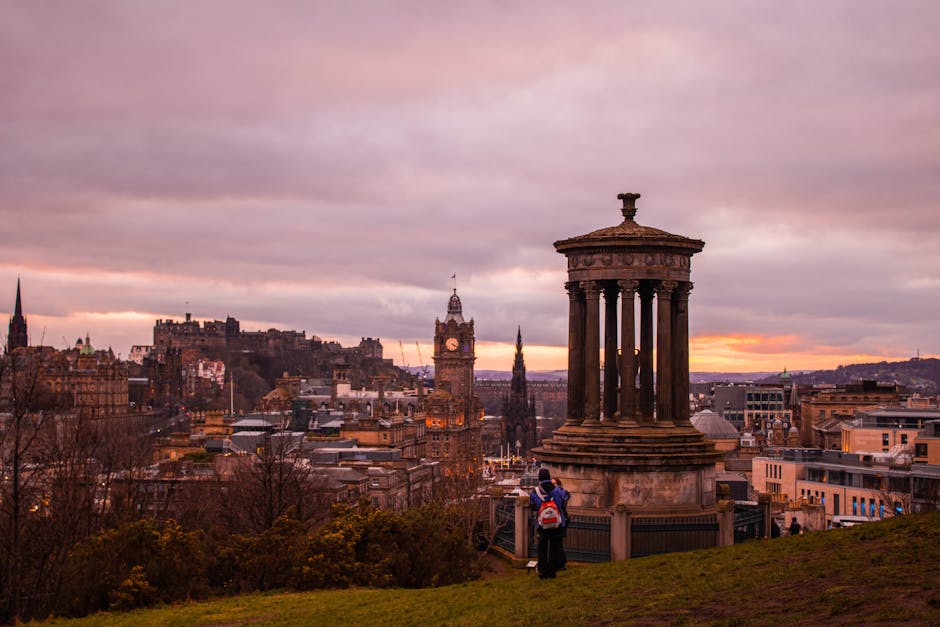
Begin at Charlotte Square, the western anchor of the New Town, and stroll east along George Street. Turn north onto Queen Street, then ascend the steps near Dundas Street to reach Calton Hill. The 20-minute climb offers 360-degree views of the city, the Firth of Forth, and the Pentland Hills.
This route combines architectural grandeur with natural beauty. Stop at the National Monument and the Nelson Monument for photo ops. The path is paved but steep—take breaks if needed. Best visited in late afternoon for golden-hour lighting.
Water of Leith: A Quiet Escape
For a peaceful alternative, follow the Water of Leith walkway from Dean Village to Leith. The 3-mile trail passes through riverside parks, under stone bridges, and past historic mills. It’s mostly flat and shaded, making it ideal for warmer days.
Start at the Gothic-style Dean Bridge for dramatic city views, then meander through the village’s cottages and gardens. End at the Shore in Leith for seafood at The Kitchin or a craft beer at The Ship on the Shore. Public transport back to the center is easy via bus or tram.
Arthur’s Seat and Holyrood Park Loop
For a more strenuous hike, tackle Arthur’s Seat—the ancient volcano at the heart of Holyrood Park. Begin at the Palace of Holyroodhouse and follow the well-marked trails up the eastern slope. The full loop is 3.5 miles and takes 2–3 hours, including time at the summit.
Wear sturdy footwear and bring water. Weather changes quickly; even on sunny days, wind and mist can roll in. The payoff is unmatched: views stretch to the coast and across the city skyline. Avoid weekends if you prefer solitude—this is a local favorite.
Best Times to Walk in Edinburgh
Early mornings (7–9 a.m.) offer quiet streets, soft light, and fewer crowds. This is ideal for photography or a peaceful start before museums open. Late afternoons (4–6 p.m.) bring golden-hour glow on sandstone buildings and a livelier atmosphere as locals finish work.
Avoid midday in summer (11 a.m.–3 p.m.) on the Royal Mile—it’s congested and hot. Winter walks are crisp and atmospheric, but daylight is limited (sunset around 4 p.m.). Always check the forecast: rain is common, and some paths become slick.
What to Wear and Bring
Layered clothing is essential. A waterproof jacket, even in summer, is non-negotiable. Edinburgh’s microclimates mean you can experience sun, rain, and wind within an hour.
Comfortable, grippy shoes are a must. Avoid new sneakers—break them in first. Bring a reusable water bottle; public fountains are available at the National Gallery and Holyrood Park. A small backpack keeps hands free for maps or snacks.
Download offline maps (Google Maps or Citymapper) in case of poor signal in closes or parks. A portable charger helps if you’re using your phone for navigation or photos.
Safety and Etiquette for Walkers
Edinburgh is generally safe for pedestrians, but stay alert in dimly lit alleys at night. Stick to well-trafficked routes after dark, especially in the Old Town. Avoid shortcuts through unlit closes unless you’re familiar with the area.
Respect residents by keeping noise down in quiet neighborhoods like the New Town or Stockbridge. Don’t block pavements with large bags or tripods. Step aside for locals rushing to work—Edinburgh pedestrians move with purpose.
Be mindful of cyclists on shared paths, especially along the Water of Leith. Follow signage and use designated crossings at busy junctions like Princes Street and Leith Walk.
Hidden Gems Along the Way
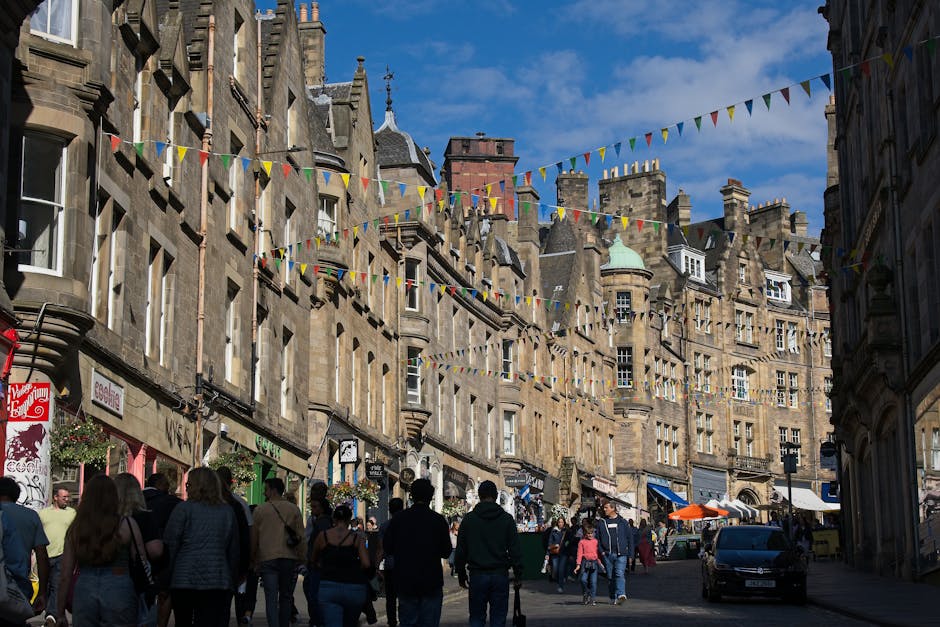
Step off the main drag to find real character. Victoria Street’s colorful shopfronts feel like a film set—great for photos and independent boutiques. Nearby, the Real Mary King’s Close offers underground history without the crowds of the Royal Mile’s surface-level attractions.
In the New Town, visit the Georgian House on Charlotte Square for a glimpse of 18th-century life. Then wander to Circus Lane, a photogenic crescent with pastel townhouses and blooming window boxes.
For a local vibe, head to Stockbridge. Browse the Sunday market at Saunders Street, then walk along the Water of Leith to the Botanic Gardens. It’s a favorite among residents—less polished, more authentic.
Public Transport Tips for Walkers
Even walkable cities need backup. Edinburgh’s buses are reliable and cover areas beyond the center, like Leith or Morningside. Use the Lothian Buses app for real-time arrivals. A day ticket (£5) pays for itself after two trips.
The tram connects the airport to York Place, useful if you’re arriving with luggage. From there, it’s a 15-minute walk to Princes Street. Trams run every 5–10 minutes during the day.
Avoid driving in the city center. Parking is expensive, traffic is slow, and many streets are pedestrian-only. Walking saves money and reduces stress.
Seasonal Considerations
Spring (April–May) brings blooming gardens and mild weather—ideal for long walks. Summer (June–August) is peak tourist season; expect crowds but long daylight hours. Book accommodations early.
Autumn (September–October) offers crisp air and golden foliage, especially in Holyrood Park. Winter (November–March) is quiet and moody, with fewer tourists and festive lights in December. Some paths may be icy—use caution.
Edinburgh’s festivals (August) transform the city with street performers and pop-up events. Walking is still the best way to experience it, but allow extra time for crowds.
Final Tips for a Great Walking Experience
Start with a short route to get your bearings. The Royal Mile or Princes Street Gardens are perfect introductions. Gradually explore quieter neighborhoods as your confidence grows.
Talk to locals. Many are happy to share shortcuts or recommend a hidden café. Avoid overly scripted tours—self-guided walks let you set the pace and follow your curiosity.
Take breaks. Edinburgh has excellent coffee shops and pubs. Rest your feet, recharge, and people-watch. Some favorites include Brew Lab on South Bridge and The Elephant House in the Old Town.
Finally, embrace the unexpected. Getting slightly lost in a wynd or stumbling upon a street musician often becomes the best part of the day.
FAQ
Is Edinburgh safe to walk alone at night?
Generally, yes—especially in well-lit, populated areas like Princes Street and the Royal Mile. Avoid isolated closes or parks after dark. Stick to main routes and trust your instincts.
How long does it take to walk from Edinburgh Castle to Holyrood Palace?
About 20–25 minutes at a leisurely pace. The distance is 1.5 miles, but cobblestones and slight inclines can slow you down. Allow extra time for sightseeing.
Are there accessible walking routes in Edinburgh?
Yes. The New Town, Princes Street Gardens, and parts of the Water of Leith walkway are wheelchair-friendly. Avoid steep hills like Arthur’s Seat or narrow closes in the Old Town.